
Sauces & Condiments
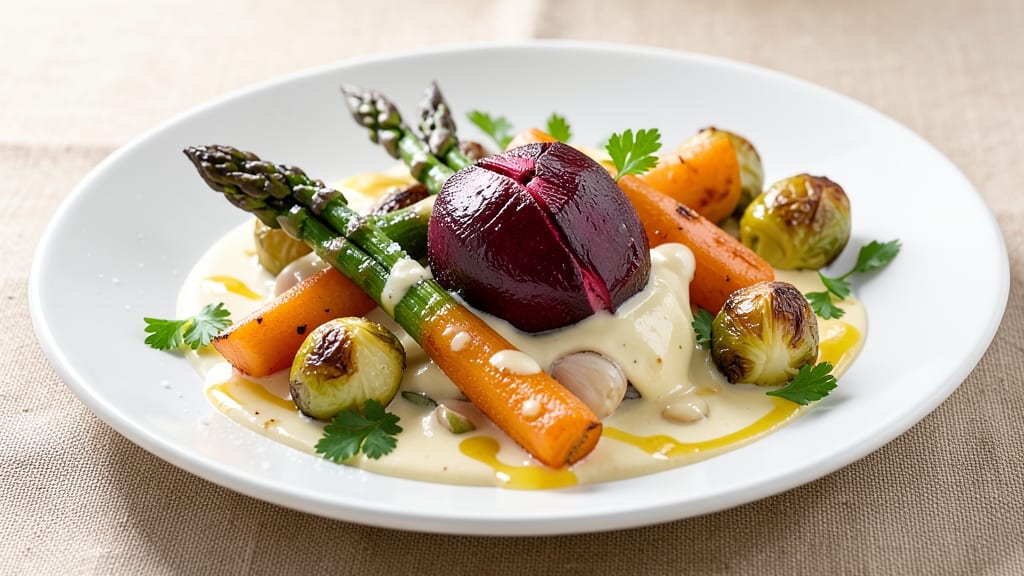
This butter sauce recipe for vegetables transforms simple roasted greens into a luxurious, restaurant-worthy dish with just a few ingredients and a whisk. The secret lies in balancing rich butter with bright acidity—whether from lemon or vinegar—to create a velvety drizzle that clings perfectly to asparagus, Brussels sprouts, or broccoli.
I developed this after realizing how often store-bought sauces fell flat against home-cooked vegetables, so I engineered one that’s foolproof and elevates any side dish effortlessly.
The magic happens in the emulsification: melted butter meets a splash of liquid—like lemon juice or white wine vinegar—and a touch of cream or yogurt to stabilize the sauce without making it heavy.
You’ll achieve a glossy finish that’s neither greasy nor cloying, with just enough herby notes from fresh parsley or thyme to complement the vegetables’ natural flavors. This isn’t just a finishing sauce; it’s the star that turns a basic side into the highlight of your plate.
What makes this sauce truly versatile is its adaptability—use it warm over just-roasted vegetables for an immediate flavor boost, or let it cool slightly for a chilled dip with steamed greens.
The recipe yields enough for two servings, but the leftovers keep beautifully in the fridge for up to 5 days, ready to transform another batch of vegetables into something extraordinary. No special equipment is needed beyond a whisk and a small saucepan.
For those who love customization, the sauce plays well with other flavors: swap in garlic-infused oil for a savory kick, or add a pinch of smoked paprika for depth. The key is to taste as you go, adjusting the acidity or richness until it sings with your vegetables.
This isn’t just a sauce—it’s a game-changer for anyone who wants to turn simple sides into showstoppers without extra effort.
Ingredients for butter sauce recipe for vegetables
Eight ingredients, one whisk, and a velvety transformation for your vegetables.
| Ingredient | Amount | Notes |
|---|---|---|
| Unsalted Butter 🧈 | ½ cup | Cut into small cubes for even melting |
| Fresh Lemon Juice 🍋 | 2 tbsp | Freshly squeezed for bright acidity |
| Heavy Whipping Cream 🥛 | ¼ cup | Full-fat for velvety texture |
| Fresh Parsley 🌿 | ¼ cup | Finely chopped for fresh herby notes |
| White Wine Vinegar 🍷 | 1 tbsp | For subtle tangy balance |
| Garlic Cloves 🧄 | 2 cloves | Minced for subtle savory depth |
| Diamond Crystal Kosher Salt 🧂 | ¼ tsp | Adjust to taste for balance |
| Freshly Ground Black Pepper 🌶️ | ⅛ tsp | Freshly cracked for aromatic kick |
The butter is the foundation—European-style unsalted melts beautifully without overpowering. Plugrá or Kerrygold brands elevate this sauce, but any quality unsalted works. For the lemon juice, Meyer lemons add subtle sweetness, but regular lemons work too. Fresh parsley is non-negotiable here; dried won't cut it. The garlic should be peeled and minced just before mixing—raw garlic burns easily when emulsified. If you're short on time, garlic-infused oil works as a substitute, but fresh is always better. The vinegar balances the richness perfectly; white wine vinegar is my go-to, but apple cider vinegar adds a nice fruity note.
No heavy cream? Full-fat Greek yogurt works in a pinch—just whisk it in at the end. Out of parsley? Fresh chives or tarragon add elegant alternatives. The sauce can be made ahead, but hold off on adding the parsley until serving to keep it vibrant. For a dairy-free version, swap the butter for olive oil and the cream for coconut cream. If you prefer a tangier sauce, add an extra tablespoon of vinegar. For heat, a pinch of smoked paprika or red pepper flakes adds depth without overpowering. The key is to taste as you go—adjust the salt, pepper, or acidity until it sings with your vegetables.
This sauce keeps beautifully in the fridge for up to 5 days, stored in an airtight container with a thin layer of olive oil on top to preserve freshness. Reheat gently in a small saucepan over low heat, whisking constantly until smooth. For a quick fix, microwave in 20-second bursts, stirring between each, until warmed through. The sauce thickens as it cools, so thin with a splash of warm water or milk if needed. Portion into small jars for easy use—perfect for transforming last-minute roasted vegetables into something extraordinary.
Why You'll Love This Recipe
- The secret’s in the contrast: rich butter meets zesty lemon and sharp vinegar, then gets softened by that velvety cream. It’s the kind of flavor that makes you pause mid-bite—like a hug for your taste buds, but with actual vegetables.
- Five-Ingredient Magic: I swear by this sauce because it’s the kind of recipe that makes you feel like a chef without the fuss. Just melt butter, splash in lemon and vinegar, stir in cream—boom. No measuring cups, no stress, just rich, tangy goodness that clings to every bite.
- Bright & Creamy Balance: The secret’s in the contrast: rich butter meets zesty lemon and sharp vinegar, then gets softened by that velvety cream. It’s the kind of flavor that makes you pause mid-bite—like a hug for your taste buds, but with actual vegetables.
- Weeknight to Dinner Party: Same sauce, endless uses. Drizzle it over roasted Brussels sprouts for a cozy Tuesday, or toss it with asparagus for a fancy-ish dinner when your in-laws stop by. Honestly? It’s my go-to for anything green, and no one ever questions why it’s so good.
Step-by-step instructions for rich, velvety vegetable butter sauce
This sauce transforms simple roasted vegetables into a luxurious dish with just a few minutes of work.
Melt the Butter and Infuse with Aromatics
In a medium saucepan, melt the 0.5 cup unsalted butter over medium-low heat. I like to use small cubes of butter so it melts evenly and doesn't clump. Once fully melted, add the 2 cloves minced garlic cloves and cook for 1 minute until fragrant—but don't let it brown.
This is where the magic starts. The butter should be shimmering but not bubbling. If it starts to foam, reduce the heat slightly. The garlic will release its sweet, aromatic essence without turning bitter. Keep the pan on the stove; you'll be adding more ingredients immediately.
Add Acid and Cream for Depth
Pour in the 2 tablespoons fresh lemon juice and 1 tablespoon white wine vinegar. Stir well and let the mixture simmer gently for 2 minutes until the acidity brightens the butter. Then, slowly whisk in the 0.25 cup heavy whipping cream, ensuring it's fully incorporated.
Here's the thing—adding the acid first balances the richness of the butter and cream. The vinegar adds a subtle tang that prevents the sauce from becoming too heavy. As the cream comes to temperature, it will begin to thicken slightly. Keep stirring gently to prevent any scorching at the bottom of the pan.
Season and Finish with Herbs
Reduce the heat to low and add the 0.25 teaspoon Diamond Crystal kosher salt and 0.125 teaspoon freshly ground black pepper. Stir for 30 seconds to fully dissolve the salt. Then, remove the pan from heat and fold in the 0.25 cup finely chopped fresh parsley. Let the sauce sit for 1 minute to allow the flavors to meld.
The parsley should be added off the heat to preserve its vibrant color and fresh flavor. The sauce will thicken slightly as it cools, but it should still be silky and pourable. If it's too thick, you can whisk in 1-2 teaspoons of warm water to adjust the consistency.
Strain and Serve Immediately
For a completely smooth sauce, strain the mixture through a fine-mesh sieve into a clean bowl. This removes any garlic bits or herb stems, leaving you with an ultra-velvety texture. Taste and adjust the seasoning if needed—you might want to add a pinch more salt or a splash of lemon juice for brightness.
Serve the sauce immediately over roasted or sautéed vegetables. The warmth of the vegetables will help the sauce cling beautifully, creating a rich, flavorful drizzle that elevates even the simplest greens. If you're making this ahead of time, reheat gently over low heat, stirring constantly to prevent separation.
Pro Tips For Making Butter Sauce Recipe For Vegetables
- Temper the Cream: After melting the butter, let it cool to just warm—no hotter than body temperature—before adding the heavy cream. I learned this the hard way: dumping hot butter into cold cream makes it split like a bad soufflé, and nobody wants to salvage that.
- Zest Before Juice: Grate a strip of lemon zest into the sauce before adding the juice—it brightens the flavor way more than just the liquid alone. Skip this, and you’ll miss that citrusy depth that makes the sauce sing.
- Strain for Smoothness: If you’re using fresh parsley, pulse it in a food processor with a splash of vinegar and a pinch of salt before stirring it in. This keeps the sauce silky instead of chunky, and it blends better than chopping by hand—no one wants a parsley surprise in every bite.
- Vinegar Last: Add the white wine vinegar after the cream and lemon juice, and taste as you go—it’s acidic, and you can always add more, but you can’t take it out. I was skeptical until I tried it: it cuts through the richness without overpowering the butter.
Wine and beer pairings for this recipe
White Wine Pairings
For this velvety butter sauce, I reach for crisp, aromatic white wines that complement its richness without overpowering. A Sauvignon Blanc from New Zealand—like Kim Crawford or Oyster Bay—cuts through the butter with its zesty citrus notes and herbal undertones.
The acidity mirrors the lemon in the sauce, creating a perfect balance. 🍷
If you prefer something lighter, a Pinot Grigio from Italy’s Alto Adige region offers a clean, mineral finish that won’t compete with the sauce’s herby brightness.
Look for brands like Santa Margherita or Jermann for that classic Italian touch. Serve slightly chilled to enhance the wine’s crispness against the warm vegetables.
Chilled Rosé Options
For a refreshing contrast, a dry rosé with subtle fruit notes works beautifully. A Provence-style rosé like Whispering Angel or Miraval adds a floral lift that pairs wonderfully with the parsley and garlic in the sauce.
The light color and crisp acidity make it a versatile choice for both summer and winter meals.
Beer Pairings
For beer lovers, a Belgian Witbier like Hoegaarden or Stella Artois brings a crisp, citrusy brightness that echoes the lemon in the sauce. The slight spiciness from coriander in these beers also complements the garlic and herbs. Serve it well-chilled to balance the richness of the butter.
If you prefer something richer, a German Helles Lager—such as Weihenstephaner Original—offers a malty sweetness that pairs surprisingly well with the sauce’s depth. Its light body won’t overwhelm the vegetables, making it a great all-around choice. 🍺
Seasonal Adaptations
In warmer months, opt for a Sancerre or Riesling to match the sauce’s acidity with their own crisp, fruity profiles. These wines keep the meal feeling light and refreshing, perfect for grilled or steamed vegetables.
For colder months, a Chardonnay with slight oak—like Kendall-Jackson—adds a buttery richness that harmonizes with the sauce’s depth.
Nutrition facts
Frequently asked questions
Can I make this butter sauce without cream?
Yes! For a lighter version, replace the 0.25 cup heavy cream with 0.25 cup whole milk or Greek yogurt. Whisk it in at the end and adjust consistency with a splash of warm water if needed. The sauce will be slightly thinner but still rich and flavorful.
What vegetables pair best with this sauce?
This sauce shines with roasted or sautéed vegetables like asparagus, Brussels sprouts, broccoli, or green beans. It also works beautifully with grilled zucchini, eggplant, or even roasted cauliflower. The velvety texture clings perfectly to textured surfaces, making it ideal for hearty greens.
Why did my sauce separate?
Sauce separation usually happens when heat isn't controlled or ingredients aren't added gradually. To fix it, whisk in 1-2 teaspoons of warm water while gently reheating over low heat. If the issue persists, whisk in a small amount of cold butter until smooth. Always add cream last and keep heat at medium-low to prevent curdling.
Can I make this sauce ahead of time?
Store the sauce in an airtight container with a thin layer of olive oil on top to preserve freshness. It keeps for up to 5 days in the fridge. Reheat gently over low heat, whisking constantly until smooth. For best flavor, add fresh parsley just before serving.
How can I make this sauce dairy-free?
Swap the butter for olive oil (use 0.5 cup) and replace the cream with coconut cream or unsweetened almond milk. Add 1 teaspoon of cornstarch to the oil mixture to help thicken it. The acidity from lemon and vinegar will still balance the flavors beautifully.