
Sauces & Condiments
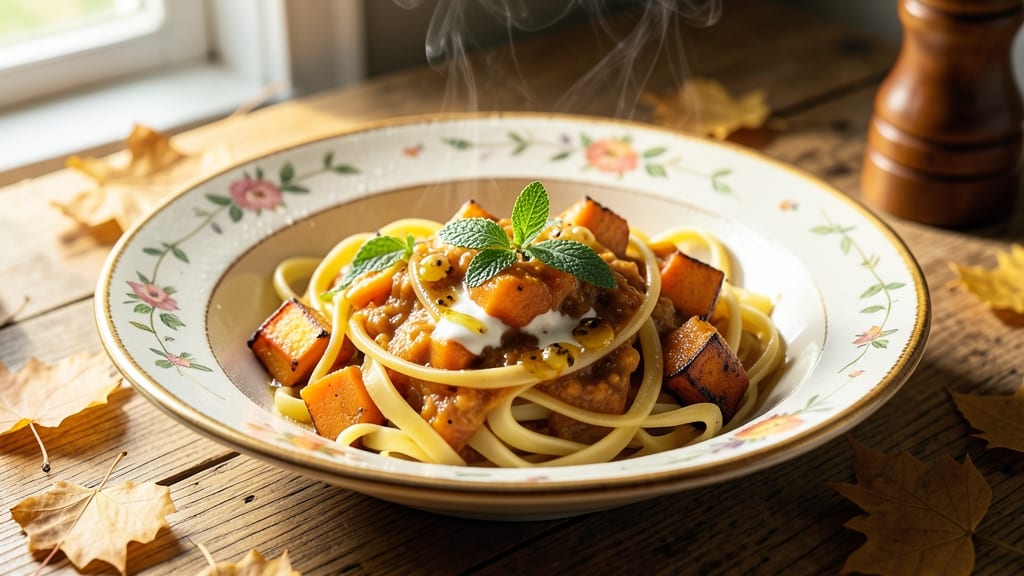
This autumn pasta sauce recipe transforms humble pantry staples into a velvety, aromatic sauce that captures fall's essence in every spoonful. The secret lies in roasting butternut squash until caramelized—its natural sweetness deepens as it cooks, while fresh sage infuses earthy warmth that lingers long after the first bite.
Unlike store-bought options, this sauce builds complexity through slow simmering, creating a texture that clings beautifully to pasta without weighing it down.
The foundation is simple: roasted squash puréed with garlic, onions, and a splash of white wine to deglaze the pan, then enriched with heavy cream and a sprinkle of nutmeg for warmth.
What sets this apart is the sage, which releases its piney aroma when gently simmered—just enough to elevate the sauce without overpowering. The result is a balance of sweet, savory, and herbal notes that transforms ordinary pasta into a restaurant-worthy dish.
What makes this sauce truly special is its versatility. Use it as a base for creamy squash fettuccine, toss it with roasted chicken, or drizzle it over grilled vegetables for instant depth. The velvety texture comes from proper simmering time—about 20 minutes—allowing flavors to meld while the sauce thickens naturally.
Best of all, it reheats beautifully, making it perfect for meal prep or last-minute gatherings.
Storage is effortless: keep refrigerated in an airtight container for up to 5 days, or freeze for 3 months. When ready to use, simply reheat with a splash of water or milk to restore its silky consistency.
This isn’t just another pasta sauce—it’s a flavor-packed celebration of autumn that turns simple ingredients into something extraordinary.
Ingredients for autumn pasta sauce
Nine simple ingredients create a velvety autumn sauce rich with roasted squash and sage.
| Ingredient | Amount | Notes |
|---|---|---|
| Butternut Squash 🎃 | 2 cups | Cubed, roasted until caramelized |
| Yellow Onion 🧅 | 1 whole | Diced, medium size preferred |
| Garlic Cloves 🧄 | 4 cloves | Minced, fresh preferred |
| Fresh Sage Leaves 🌿 | ½ cup | Chopped, stems removed |
| Dry White Wine 🍷 | ½ cup | Sauvignon Blanc or Pinot Grigio |
| Heavy Cream 🥛 | 1 cup | Full-fat for richness |
| Ground Nutmeg 🌶️ | ¼ tsp | Freshly grated preferred |
| Extra-Virgin Olive Oil 🫒 | ½ cup | High-quality, fruity variety |
| Salt 🧂 | 1 tsp | Diamond Crystal preferred |
| Black Pepper 🌶️ | ½ tsp | Freshly ground preferred |
The butternut squash is the heart of this sauce—look for firm, heavy squash with no soft spots. Costco or Trader Joe's often carry pre-cut pieces, but a whole squash roasts more evenly. Caramelization is key: roast until edges are crispy and color deepens to golden brown. Fresh sage is a must for that piney aroma, but if you're using dried, reduce to one-third the amount. The white wine should be dry—no sweetness here. Sauvignon Blanc adds a bright acidity that balances the richness.
No white wine? Substitute vegetable broth with a splash of apple cider vinegar for acidity. Heavy cream can be swapped for full-fat coconut milk for a dairy-free option, though texture will differ slightly. The nutmeg should be freshly grated—pre-ground loses potency fast. For the olive oil, avoid light or refined varieties—look for extra-virgin with fruity notes. If you're prepping ahead, roast the squash in advance and store it in the fridge for up to 3 days before making the sauce.
This sauce thickens as it cools, so reheat with a splash of water or milk to restore creaminess. Keeps for 5 days refrigerated and freezes beautifully for 3 months. Portion into ice cube trays for single-use servings—perfect for quick pasta tosses. The flavors deepen overnight, making it even more delicious the next day.
Why You'll Love This Recipe
- Squash in 10 Minutes: I roast the butternut cubes while I chop the onions—no waiting around. The oven does all the work while I sauté the garlic and sage, and by the time the squash is tender, the sauce is basically done. Honestly, it’s the kind of recipe that makes me feel like I’ve earned my dinner.
- Wine-Infused Magic: That splash of dry white wine? It cuts through the sweetness of the squash and lifts the whole dish. The sage leaves crisp up just enough to add that earthy, autumnal punch—like a warm hug in a bowl. (Yes, even on a Tuesday night.)
- Leftover Goldmine: This sauce tastes better the next day—seriously. I’ll make a big batch on Sunday, store it in the fridge, and reheat it for quick lunches or toss it with fresh pasta later. It’s my go-to when I’m too tired to cook but still want something special.
- Budget-Friendly Luxury: Butternut squash is cheaper than takeout, and a single bottle of wine stretches across multiple meals. The onions and garlic are pantry staples, and sage grows like a weed in my garden. It’s fancy enough for company but won’t break the bank—my secret weapon for looking effortless.
Step-by-step instructions for roasted squash and sage pasta sauce
Here's how to transform simple ingredients into a velvety autumn sauce that clings beautifully to pasta.
🍳 Step 1: Roast the Squash and Onion Until Caramelized
Preheat your oven to 400°F and line a baking sheet with parchment paper. Toss the 2 cups butternut squash and 1 whole yellow onion (diced) with 2 tablespoons of the extra-virgin olive oil, ½ teaspoon salt, and ¼ teaspoon black pepper. Spread them in a single layer, leaving space between pieces for even roasting.
Roast for 25-30 minutes until the squash is tender when pierced with a fork and both squash and onion have developed deep golden-brown caramelization. The onions should be soft with crispy edges. Real talk: this is where the sauce gets its depth—don't skip the roasting. If you're impatient, check at 20 minutes as ovens vary.
👨🍳 Step 2: Sauté Garlic and Sage in Olive Oil
While the vegetables roast, heat the remaining 0.3 cup extra-virgin olive oil in a large skillet over medium heat. Add the 4 minced garlic cloves and cook for 30 seconds until fragrant but not browned—garlic burns quickly, so watch closely. Immediately add the 0.5 cup chopped fresh sage leaves and cook for another 1 minute until the sage just begins to wilt.
Remove the skillet from heat and set aside. The garlic should smell sweet and aromatic, and the sage should still have vibrant green color. This quick sauté prevents the garlic from turning bitter while infusing the oil with maximum flavor. If you burn the garlic, start over—the difference in flavor is noticeable.
🍳 Step 3: Deglaze with White Wine and Simmer
Return the skillet to medium heat and add the roasted squash and onion mixture. Stir to combine with the garlic-sage oil, then pour in the 0.5 cup dry white wine. Let it simmer for 3-4 minutes until the wine has mostly evaporated and the mixture smells rich and concentrated.
This deglazing step captures all the caramelized flavors from the roasted vegetables. You'll see the liquid reduce significantly—this is normal and essential for building flavor. If the mixture sticks to the pan, add 1 tablespoon water to help release it. The sauce should be thick enough to coat the back of a spoon but still pourable.
🥘 Step 4: Create the Velvety Cream Sauce
Reduce heat to low and stir in the 1 cup heavy cream, 0.25 teaspoon ground nutmeg, and remaining ½ teaspoon salt. Let the sauce simmer gently for 5-6 minutes until it thickens slightly and coats the vegetables. The nutmeg adds warmth that complements the earthy squash perfectly.
Here's the thing—don't let the sauce boil or it will curdle. You're looking for a smooth, velvety consistency where the sauce clings together. Taste and adjust seasoning if needed—you might need a pinch more salt to balance the sweetness of the roasted vegetables. The sauce should be rich but not overly heavy, with the creamy texture coming from the reduced wine and cream.
⏰ Step 5: Finish and Serve Over Pasta
Remove the sauce from heat and let it rest for 5 minutes. This resting period allows the flavors to meld completely. Stir in any pasta water if the sauce is too thick—about ¼ cup should do it. The sauce should be smooth, glossy, and coat the back of a spoon without being gluey.
Serve immediately over cooked pasta of your choice. The sauce will cling beautifully to each strand, delivering layers of roasted squash sweetness, herby sage, and nutmeg warmth. For extra richness, top with additional fresh sage leaves or a sprinkle of grated Parmesan. This sauce keeps well in the refrigerator for 3 days and reheats beautifully with a splash of water or cream.
Pro Tips For Making Autumn Pasta Sauce
- Char the Onion Properly: I used to walk away when the onions turned soft, but that’s when the flavor flattens. Keep them over medium-high heat until the edges are deep golden—almost black in spots—and they smell like caramel heaven. This takes 8-10 minutes, not 3. (Yes, even if you’re impatient like me.)
- Roast the Squash First: Skip the raw chunks—roast the butternut squash at 400°F (200°C) for 25 minutes before adding it to the sauce. The edges will crisp slightly, and the flesh softens evenly, blending into a velvety texture instead of gummy lumps. (Your future self will thank you.)
- Deglaze with Wine Immediately: As soon as you remove the sage leaves, pour in that white wine right away—the heat from the pan will make it sizzle and lift all the browned bits. Let it reduce by half before adding anything else, or you’ll dilute the sauce into a sad, watery mess.
- Salt the Sage Leaves: Toss the fresh sage leaves in a pinch of flaky salt before adding them to the pan. It sounds weird, but it works: the salt makes the leaves crisp faster and infuses the oil with a deeper herbal punch. (I was skeptical until I tried it.)
Serving suggestions for this recipe
Pasta Pairings
This velvety sauce clings perfectly to fettuccine or pappardelle, where its creamy texture coats each strand beautifully. For a rustic touch, try rigatoni or penne—the ridges catch the sauce and deliver flavor with every bite.
My go-to is fresh egg noodles, which soak up the sauce without becoming mushy. If you prefer al dente pasta, cook it just 1 minute less than package instructions, then toss immediately with the warm sauce. 🍝
Protein Additions
Add seared chicken breast or crispy prosciutto for extra protein—simply pan-sear until golden before tossing with pasta. Pan-seared scallops or sautéed mushrooms also elevate the dish, adding earthy depth. For a vegetarian option, stir in toasted walnuts or crumbled goat cheese just before serving.
The nutmeg in the sauce pairs wonderfully with roasted butternut squash cubes on the side. 🍗
Bread and Garnishes
Serve with garlic bread or crusty sourdough on the side—it's perfect for soaking up any leftover sauce. Garnish with fresh sage leaves or toasted pine nuts for crunch and visual appeal. A sprinkle of grated Parmesan or Pecorino Romano adds a salty contrast that brightens the dish.
For a pop of color, add roasted cherry tomatoes or sautéed spinach right before serving. 🥖
Seasonal Sides
Pair with roasted Brussels sprouts or caramelized shallots to complement the sauce's richness. A simple arugula salad with lemon vinaigrette cuts through the creaminess beautifully. For a heartier meal, add crispy roasted sweet potatoes or sautéed kale—both enhance the autumnal flavors.
The nutmeg in the sauce also pairs well with warm apple slices or pear compote as a dessert. 🍎
Wine and Beverage Pairings
A crisp Sauvignon Blanc or Chardonnay complements the sauce's creamy texture and herbal notes. For a non-alcoholic option, try sparkling apple cider or iced hibiscus tea—both highlight the sauce's autumnal flavors.
A light Pinot Noir works if you prefer red wine, but avoid heavy, tannic varieties that clash with the creaminess. 🍷
Make-Ahead Serving
This sauce reheats beautifully, making it perfect for meal prep. Store leftovers in an airtight container in the fridge for up to 5 days or freeze for 3 months. When ready to serve, reheat gently over low heat with a splash of water or milk to restore creaminess.
For a quick weeknight dinner, toss the sauce with pre-cooked pasta and frozen roasted vegetables—just add a splash of pasta water and serve. 🍽️
Nutrition facts
Frequently asked questions
Can I substitute butternut squash with another autumn vegetable?
Swap butternut squash for acorn squash or delicata squash—both roast beautifully and add sweetness. For a different texture, try roasted sweet potatoes (use 1.5 cups diced) or caramelized onions (about 2 cups cooked down). Just adjust cooking times—sweet potatoes take 15-20 minutes at 400°F to soften.
Why does my sauce get grainy when I add the cream?
This usually happens if the roasted squash isn't smooth enough or the sauce cools too quickly. First, blend the roasted squash and onions until completely silky before adding cream. Second, keep heat at low when adding cream and stir constantly. If it still separates, strain the sauce through a fine-mesh sieve before serving. The key is patience—simmer gently for 5-6 minutes after adding cream.
How can I make this sauce dairy-free? Replace the heavy cream with full-fat coconut milk (use 1 cup) or cashew cream (blend 1 cup soaked cashews with ½ cup water). For extra richness, add 2 tablespoons olive oil at the end. The texture will be slightly lighter but still velvety.
Can I make this sauce ahead of time?
Yes! This sauce actually tastes better the next day as flavors meld. Store in an airtight container in the fridge for up to 5 days. When reheating, warm over low heat and add 1-2 tablespoons water or milk to restore creaminess. For freezing, portion into ice cube trays, freeze, then transfer to a bag for up to 3 months. Thaw overnight in the fridge before reheating.