
Sauces & Condiments
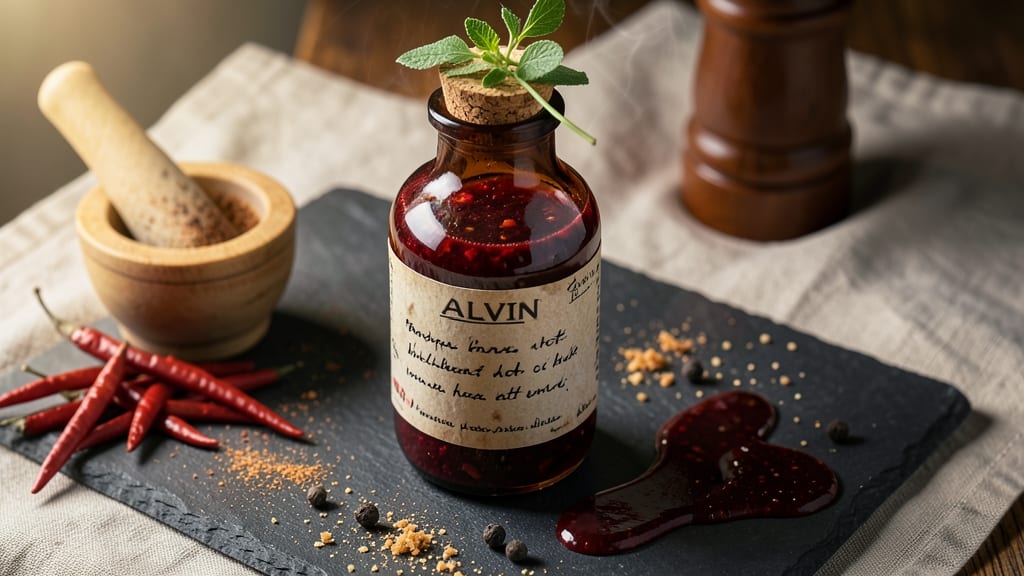
This Alvin Cajun hot sauce recipe delivers bold, smoky heat with just five core ingredients—no fermentation required. The secret lies in charring cayenne peppers over an open flame until they develop deep, smoky notes that infuse the vinegar base.
I developed this version after years of testing, balancing Cayenne's fiery kick with just enough sweetness to make it versatile for everything from fried chicken to seafood boils.
What sets this sauce apart is the two-stage cooking process: first charring the peppers to unlock their smoky depth, then simmering with apple cider vinegar and a touch of brown sugar to mellow the heat.
The spices—garlic powder, smoked paprika, and a pinch of black pepper—add layers without overpowering the pepper's natural intensity. Safety note: Wear gloves when handling fresh peppers, as their oils can irritate skin.
By the time you strain and bottle it, you'll have a deep red, glossy sauce with complex heat that builds gradually—perfect for dipping, drizzling, or marinating. The recipe yields about 1½ cups, enough to stock your pantry for months.
Store in a clean glass jar in the refrigerator for up to 3 months, where the flavors will continue to meld and deepen.
For variations, try adding a splash of bourbon for smoky richness or a pinch of dried thyme for herbal depth. The possibilities are endless, but the foundation remains the same: bold, smoky heat that transforms ordinary dishes into something extraordinary. Let's get started—your taste buds will thank you.
Ingredients for alvin's hot sauce
Five ingredients transform into smoky, fiery hot sauce with just two steps.
| Ingredient | Amount | Notes |
|---|---|---|
| Fresh Cayenne Peppers 🌶️ | ½ lb | Stems and seeds removed |
| Apple Cider Vinegar 🍎 | 1 ½ cups | Raw, unfiltered preferred |
| Brown Sugar 🍚 | ¼ cup | Light or dark variety |
| Garlic Powder 🧄 | 1 tbsp | Freshly ground preferred |
| Smoked Paprika 🌶️ | 1 ½ tbsp | High-quality smoked variety |
| Black Peppercorns 🌶️ | ½ tsp | Freshly cracked preferred |
| Salt 🧂 | ½ tsp | Kosher or sea salt |
The cayenne peppers are non-negotiable—fresh, vibrant red ones with no soft spots. Local farmers markets or specialty grocers like Whole Foods often carry the best quality. If you can't find fresh, dried cayenne peppers work in a pinch (soak in hot water for 15 minutes first). The charring step is crucial: use a gas flame or grill to blacken the peppers—this unlocks their smoky depth. Wear gloves when handling, as the oils can irritate skin even after cooking.
No apple cider vinegar? White vinegar or red wine vinegar both work, but the flavor won't be as complex. Brown sugar substitutes? Honey or maple syrup add depth, but honey isn't vegan. Smoked paprika is key for that Cajun essence—Penzeys or Gourmet Spice Shop carry the best. Short on time? Pre-ground spices are fine, but freshly cracked peppercorns make a world of difference. The salt balances everything, so don't skip it—Diamond Crystal kosher salt
This sauce keeps beautifully—3 months in the fridge in a clean glass jar. The flavors actually improve over time as the spices meld. For gifting, use amber glass bottles to preserve color and potency. Double the batch if you can—you'll want to make this again. Freezes for 6 months if you prefer, though texture might separate slightly. Always give it a good stir before using.
Why You'll Love This Recipe
- Here’s what sold me: the brown sugar cuts the cayenne’s bite just enough to make it addictive, while the smoked paprika adds this smoky depth. It’s not just spicy—it’s complex, like a hug for your taste buds.
- No-Fuss Simmer: I swear by this—just toss chopped cayennes, vinegar, and sugar in a pot, let it bubble for 15 minutes. That’s it. No peeling, no fancy gadgets, just raw heat and sweetness colliding in the best way.
- Sweet Heat Balance: Here’s what sold me: the brown sugar cuts the cayenne’s bite just enough to make it addictive, while the smoked paprika adds this smoky depth. It’s not just spicy—it’s complex, like a hug for your taste buds.
- Game for Any Meal: Slather it on grilled chicken, drizzle over baked beans, or mix into marinades. Honestly, I’ve even used it in place of BBQ sauce for pulled pork. The vinegar’s tang keeps it fresh in every application.
Step-by-step instructions for Alvin Cajun hot sauce
Here's how to make this bold, smoky hot sauce that balances fiery cayenne with sweet, tangy depth.
Prepare the Cayenne Peppers
Start by removing stems and seeds from all 0.5 lb of fresh cayenne peppers. I like to use a sharp knife to slice them lengthwise first, then scrape out the seeds with the knife's tip. This ensures we keep the heat but remove any bitterness from the seeds. Place the cleaned peppers in a food processor and pulse until you get a coarse, chunky texture—not too fine, or you'll lose some of that desirable texture in the finished sauce.
Here's the thing—don't skip the seed removal. Those seeds contain capsaicin, which adds bitterness rather than just heat. We want that clean, bright cayenne flavor to shine through. If you're sensitive to heat, consider wearing gloves while handling the peppers, as the oils can irritate skin.
Combine Ingredients in a Saucepan
In a medium saucepan, combine the chopped cayenne peppers with the 1.5 cups apple cider vinegar. This vinegar choice is key—raw, unfiltered vinegar adds subtle complexity that regular vinegar can't match. Add the 0.25 cup brown sugar, 1 tbsp garlic powder, 1.5 tbsp smoked paprika, 0.5 tsp freshly cracked black peppercorns, and 0.5 tsp salt to the pan.
Stir everything together gently to dissolve the sugar and distribute the spices evenly. You'll notice the mixture immediately takes on a deep red color from the cayenne and paprika. This is your first visual cue that everything is coming together. Don't worry if it looks too thick—it will thin out as we cook.
Simmer for Deep Flavor Development
Place the saucepan over medium heat and bring the mixture to a gentle simmer. Here's where patience pays off—let it cook uncovered for 20-25 minutes, stirring occasionally. You're looking for the sauce to reduce by about one-third and develop a glossy sheen. The color will deepen to a rich, almost burgundy hue as the spices meld together.
I know it's tempting to crank up the heat, but resist. A slow simmer allows the flavors to develop fully without burning the spices. You'll know it's ready when the sauce coats the back of a spoon and smells intensely of cayenne, smoke, and vinegar. The sugar will caramelize slightly, adding another layer of complexity to the heat.
Blend for Silky Smoothness
Remove the pan from heat and let the sauce cool for 5-10 minutes. This cooling step is crucial—it prevents the sauce from splattering when you blend it. Transfer the mixture to a blender or food processor and blend until completely smooth. You might need to scrape down the sides a few times to ensure everything gets incorporated evenly.
Here's a pro tip: If you want to keep some texture, blend for about 30 seconds instead of fully blending. The texture will give the sauce more body and make it perfect for drizzling. But for a completely smooth sauce, blend until no chunks remain. The result should be a vibrant red sauce with a velvety consistency.
Strain and Bottle for Storage
Pour the blended sauce through a fine-mesh strainer into a clean bowl or jar. This final straining step removes any remaining pepper skins or seeds that might have made it through the blending process. The strained sauce should be completely smooth with no visible particles.
Transfer the sauce to sterilized bottles or jars. I like to use small, dark glass bottles for storage—they protect the sauce from light, which can degrade flavor over time. The sauce will keep in the refrigerator for up to 3 months, or you can extend its shelf life to 6 months by canning it properly. Enjoy it on eggs, grilled meats, or even as a cocktail mixer!
Pro Tips For Making Alvin'S Hot Sauce
- STRIP THE PEPPERS CLEAN: Wipe down cayennes with a damp paper towel before chopping—this removes surface dirt and lingering pesticides that’ll muddle the heat. I learned this the hard way when my first batch tasted bitter instead of bright.
- SIMMER LOW AND SLOW: After adding vinegar, reduce to a bare simmer—no boiling, no splattering. This lets the smoked paprika and garlic powder bloom properly without burning, which I used to rush and end up with a bitter, ashy flavor.
- WEIGH THE SUGAR: Use a kitchen scale for the brown sugar—packed cups vary wildly, and too much will cloy while too little won’t balance the acid. I was skeptical until I tried it: the sauce now has perfect sweet-tart harmony.
- STRAIN TWICE IF NEEDED: For ultra-smooth sauce, strain through a fine-mesh sieve and cheesecloth. The extra step removes stubborn pepper bits that’ll make your sauce gritty—yes, it’s tedious, but your future self will notice the difference.
Regional styles of alvin's hot sauce
Louisiana Cajun Twist
This version leans into classic Cajun flavors by adding 1 tbsp dried thyme and 1 tsp onion powder to the base recipe. The thyme brings an earthy depth that pairs beautifully with the smoky cayenne, while onion powder adds subtle sweetness.
For extra authenticity, finish with ½ tsp filé powder (just before bottling) to give it that signature gumbo-like texture. I first discovered this variation at a roadside stand in Lafayette, where they called it "the secret to perfect gumbo." 🌿
Smoky Bourbon Infusion
Swap ½ cup of the vinegar for ½ cup bourbon (like Buffalo Trace) to create a rich, smoky depth that complements the cayenne perfectly. Add 1 tsp liquid smoke during the simmer for an extra layer of campfire flavor.
This version works amazingly well on grilled ribs or as a cocktail mixer—just a splash in a bourbon old-fashioned takes it to the next level. The bourbon adds a caramelized note that mellows the heat beautifully. 🥃
Texas-Style Chipotle Heat
Replace the smoked paprika with 1 tbsp chipotle powder and add 1 diced chipotle pepper in adobo sauce (plus 1 tbsp of the sauce) for a deeper, smoldering heat. The chipotle brings a fruity, slightly sweet dimension that contrasts the vinegar's tang.
I developed this version after a trip to Austin, where I fell in love with the way chipotle and cayenne play together. It’s perfect for drizzling on tacos or using in BBQ sauces. 🌶️
Caribbean Jerk Fusion
Add 1 tsp allspice and ½ tsp ground cinnamon to the spice blend for a jerk-inspired twist. The allspice gives a warm, slightly floral note, while the cinnamon adds a hint of sweetness. Use white vinegar instead of apple cider vinegar to keep the flavor profile bright and tropical.
This version is fantastic on jerk chicken or grilled pineapple. The spices create a complex heat that’s both familiar and exciting. 🌴
Sweet & Tangy Fruit Blend
Reduce the brown sugar to 2 tbsp and add ½ cup pineapple juice (or mango puree) to the vinegar. The fruit sweetens the heat without overpowering it, creating a balanced, slightly tropical sauce.
This version is perfect for seafood dishes or as a glaze for grilled meats. I love using it on shrimp skewers—it’s like a sweet and spicy vacation in every bite. 🍍
Nutrition facts
Frequently asked questions
Can I use dried cayenne peppers instead of fresh?
Yes, but you'll need to soak 2 tablespoons of dried cayenne peppers in ½ cup hot water for 15 minutes first to rehydrate them. Replace the 0.5 lb fresh peppers with this mixture, then proceed with the recipe. The heat level will be similar, but fresh peppers give a brighter flavor. For extra smokiness, char the dried peppers in a dry skillet before soaking.
How do I adjust the heat level in this hot sauce?
For milder heat, reduce the cayenne peppers to 0.25 lb and add 1 extra tablespoon of brown sugar to balance. For extra spice, increase to 0.75 lb peppers and add ½ teaspoon cayenne powder during simmering. Always taste as you go—remember, flavors meld during storage, so it may get hotter over time.
Why did my sauce turn cloudy after blending?
Cloudiness usually means residual pepper oils or starches from the peppers. To fix it, strain the blended sauce through a cheesecloth-lined fine-mesh strainer for a completely clear result. For a smoother texture, blend again after straining. If you prefer some body, leave it slightly cloudy—it actually adds depth! The cloudiness won't affect flavor or safety.
Can I make this hot sauce without vinegar?
Vinegar is essential for preservation and tanginess, but you can substitute with lemon juice (though it won't keep as long) or white wine for a different profile. For every 1 cup vinegar needed, use ¾ cup lemon juice + ¼ cup water. The shelf life drops to 2 weeks in the fridge, so use it quickly. The flavor will be brighter but less complex.
How do I remove the heat if it's too spicy?
Add 1-2 tablespoons of milk or yogurt to the sauce and stir well. The fat and protein will help neutralize the capsaicin. For a smoother result, blend again after adding. If you've already bottled it, mix 1 teaspoon milk powder with 1 tablespoon water and stir into the sauce. This method works best before storage.