
Sauces & Condiments
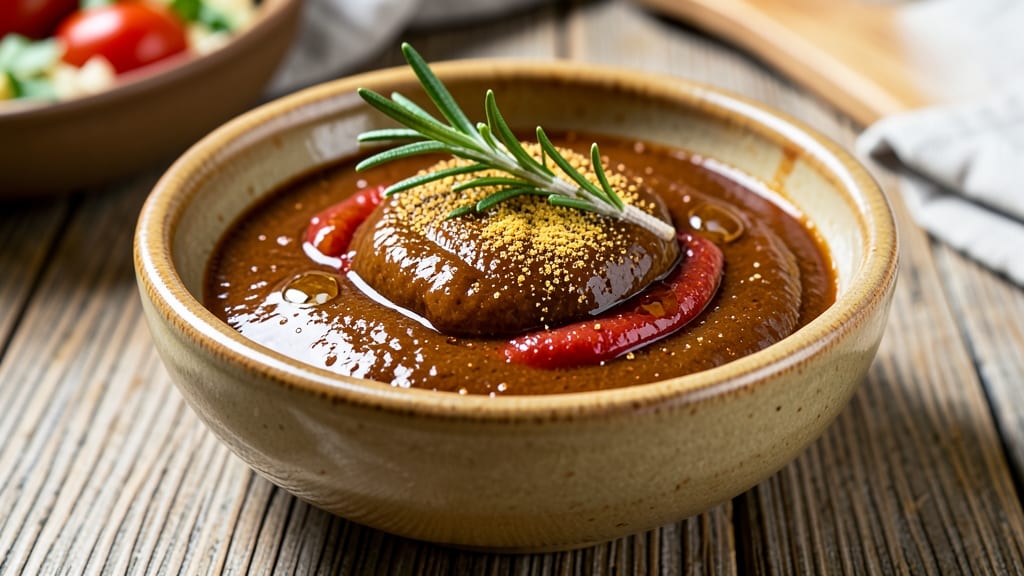
This Atkins BBQ sauce recipe delivers all the smoky-sweet tang you crave without the sugar crash—perfect for low-carb diets and flavor-packed meals. The secret lies in a blend of erythritol and apple cider vinegar, creating that signature tang while keeping carbs under control.
What sets this sauce apart is the slow simmer that develops deep, complex flavors without added sugars or thickeners.
The result is a thick, glossy sauce with just the right balance of smoky, tangy, and slightly sweet notes—ideal for glazing grilled meats, basting wings, or drizzling over roasted vegetables. Unlike store-bought versions, this recipe avoids artificial sweeteners and gums, using natural ingredients that taste as good as they sound.
The sauce thickens beautifully as it cooks, ensuring every bite is flavorful and satisfying.
Once cooled, this sauce keeps for up to 2 weeks in the fridge or 3 months in the freezer, making it perfect for meal prep and batch cooking.
Whether you're following Atkins, keto, or simply watching your sugar intake, this recipe proves you don’t have to sacrifice flavor for health. The slow-cooked process ensures rich, smoky depth that rivals traditional BBQ sauces—without the guilt.
Pair it with pulled pork, smoked brisket, or even cauliflower "ribs" for a versatile sauce that works as a main dish or dipping companion. The key to success?
Patience—letting the flavors meld over 30-45 minutes of simmering transforms simple ingredients into something extraordinary. Ready to make BBQ night a low-carb win?
Ingredients for atkins bbq sauce
Eleven ingredients for a sauce that rivals traditional BBQ—without the sugar crash.
| Ingredient | Amount | Notes |
|---|---|---|
| Erythritol 🍯 | ½ cup | Granulated, measures like sugar |
| Apple Cider Vinegar 🍎 | 1 cup | Raw, unfiltered preferred |
| Water 💧 | ½ cup | Distilled or filtered preferred |
| Tomato Paste 🍅 | ¼ cup | High-quality, no added sugar |
| Smoked Paprika 🌶️ | 2 tbsp | High-quality, Spanish preferred |
| Mustard Powder 🍯 | 1 tbsp | Yellow or Dijon preferred |
| Onion Powder 🧅 | 1 tbsp | Freshly ground preferred |
| Garlic Powder 🧄 | 1 tbsp | Freshly ground preferred |
| Ground Black Pepper 🌶️ | ½ tsp | Freshly ground for best flavor |
| Salt 🧂 | 1 tsp | Diamond Crystal preferred |
| Liquid Smoke 🔥 | ½ tsp | High-quality, no artificial flavors |
The erythritol is the backbone of this low-carb sauce—Trader Joe's carries a high-quality granulated version that works perfectly. Apple cider vinegar should be raw and unfiltered for maximum tang; Bragg is a reliable brand if you're unsure where to start. Tomato paste is non-negotiable for that deep umami base—Mueller's is my go-to for its concentrated flavor. For the smoked paprika, Penzeys offers a superior Spanish variety that adds authentic depth without overpowering. Mustard powder can be yellow or Dijon, but yellow provides a more classic BBQ flavor profile.
No erythritol? Allulose or monk fruit sweetener can substitute at a 1:1 ratio, though texture may slightly differ. Short on apple cider vinegar? White vinegar or balsamic vinegar work in a pinch, though flavor will shift slightly. The liquid smoke is optional but recommended—Kikkoman or Colonial brands deliver consistent quality. For a smokier profile without liquid smoke, add an extra 0.5 tbsp smoked paprika. The tomato paste can be omitted entirely if you prefer a tangier sauce, though the umami balance will suffer. All spices should be freshly ground for optimal flavor development during the slow simmer.
This sauce thickens as it cools, so it's best to store it in an airtight container with a thin layer of olive oil on top to preserve freshness. Keeps for up to 2 weeks in the fridge and freezes beautifully for 3 months—portion into ice cube trays for easy use. For best results, reheat gently on low heat, stirring frequently to prevent scorching. The flavor actually improves after the initial simmer, so making a double batch is highly recommended for meal prep.
Why You'll Love This Recipe
- Five-Ingredient Magic: I swear, this sauce is the kind of recipe where you look at the list and think, "How can this be good?"—then taste it and realize you’ve been missing out. Erythritol sweeteners the way sugar would, but without the crash, and that apple cider vinegar? It cuts through the richness like a knife through butter.
- Smoky Depth Fast: Between us, smoked paprika and tomato paste are my shortcut to restaurant-quality depth. Simmer them together, and suddenly you’ve got that slow-cooked, smoky-sweet backbone—no hours required. Honestly, I’ve used this on everything from pulled pork to grilled veggies, and it never lets me down.
- Meal Prep MVP: This sauce doubles (or triples) in minutes, and it keeps for weeks in the fridge. I make a big batch on Sundays, stash it in jars, and grab it for weeknight dinners or last-minute BBQs. No stress, no waste—just flavor on demand.
- Budget-Friendly Flex: Tomato paste and erythritol are cheap staples, and you’ll use this sauce on so many things you’ll forget it’s even a "special" recipe. Slather it on chicken, toss it with roasted Brussels sprouts, or drizzle it over eggs—it’s the kind of versatile that makes grocery shopping feel like a win.
Step-by-step instructions for low-carb BBQ sauce
This method delivers deep smoky flavor with zero sugar impact—perfect for Atkins-friendly dishes.
Combine Base Ingredients in a Saucepan
In a medium saucepan, whisk together the 0.5 cup erythritol, 1 cup apple cider vinegar, and 0.5 cup water over medium heat. Bring the mixture to a gentle simmer, stirring occasionally to dissolve the erythritol completely. You'll notice the liquid becomes slightly cloudy as the sweetener integrates—this is normal and indicates proper dissolution.
Simmer for 5 minutes until the mixture is fully homogeneous and slightly reduced. The temperature should reach 190°F—this ensures all the erythritol crystals are fully incorporated without caramelizing. If you see any undissolved granules at this stage, whisk vigorously for another 30 seconds to break them down completely.
Develop the Flavor Foundation
Reduce heat to low and stir in the 0.25 cup tomato paste, 2 tbsp smoked paprika, 1 tbsp mustard powder, 1 tbsp onion powder, and 1 tbsp garlic powder. Cook for 8-10 minutes, stirring frequently, until the mixture thickens slightly and develops a rich, aromatic scent. The sauce should coat the back of a spoon and take on a deep reddish-brown hue.
Here's where the magic happens: the smoked paprika and liquid smoke will meld together, creating that signature BBQ depth without any added sugar. If you notice the sauce separating or becoming grainy, add 1 tablespoon water and stir until smooth again—this maintains the proper consistency for the final reduction.
Add Liquid Smoke and Season to Perfection
Remove the saucepan from heat and stir in the 0.5 tsp liquid smoke, 0.5 tsp ground black pepper, and 1 tsp salt. The liquid smoke should integrate immediately, adding that unmistakable smoky character. Taste the sauce at this stage—you'll find it's already developing that classic BBQ profile, though it needs one final adjustment.
Return the pan to low heat and simmer for an additional 5 minutes to allow all the flavors to fully meld. The sauce should now have a glossy sheen and a syrupy consistency. If it's too thick, thin with 1 tablespoon water at a time until it reaches your desired pouring consistency. For best results, aim for a sauce that coats the back of a spoon but isn't overly runny.
Cool and Store for Maximum Flavor Development
Transfer the sauce to a clean glass jar or airtight container and let it cool to room temperature. This cooling period, typically 30-60 minutes, allows the flavors to fully develop and deepen. The sauce will thicken further as it cools—this is normal and actually enhances its clinginess when used on meats.
For best results, refrigerate the sauce for at least 24 hours before using. This resting period allows all the spices and liquid smoke to infuse completely, resulting in a more complex flavor profile. When ready to use, give the sauce a good stir—it may separate slightly during storage, but it will come back together when reheated gently.
Pro Tips For Making Atkins Bbq Sauce
- STIR CONSTANTLY AT FIRST: The first 5 minutes are when your sauce can turn into glue—especially with erythritol. Keep it moving over medium heat until the tomato paste darkens slightly (about 2-3 minutes). I learned this the hard way when my first batch seized up like caramel gone wrong.
- USE GRANULATED ERYTHRITOL: Powdered erythritol dissolves unevenly and leaves gritty bits. Grab the fine granules instead—they melt smoothly into the vinegar and water without clumping. (Yes, even if the bag says "powdered," check the texture first.)
- DILUTE THE VINEGAR FIRST: Pouring undiluted apple cider vinegar into a hot pan causes splattering. Mix it with half the water first, then add the tomato paste to the pan. This keeps your kitchen cleaner and your sauce more consistent.
- SKIP THE BOIL: Simmering gently (just tiny bubbles at the edges) prevents the erythritol from crystallizing on the sides. I used to crank the heat, and my sauce would end up with weird sugar-like deposits. Low and slow keeps it silky.
Flavor customization for this atkins bbq sauce
Sweetness Levels
Adjust sweetness by modifying the erythritol amount—start with 0.25 cup for mild tang or increase to 0.75 cup for deeper sweetness. For a caramelized touch, add 1 tbsp molasses (optional) during the final simmer.
I find 0.5 cup erythritol strikes the perfect balance for a smoky-sweet profile without overpowering the vinegar's tang.
Smokiness Boost
For extra smokiness, add 1 extra tsp liquid smoke or swap 1 tbsp smoked paprika for 1 tbsp chipotle powder. If you love bold flavors, try 0.5 tsp cayenne pepper—it adds heat without altering the sauce's thickness. I often use Colonial liquid smoke for consistent results.
Tangy Variations
Swap apple cider vinegar for white vinegar (1:1 ratio) for a sharper tang or use balsamic vinegar for a sweeter, fruitier note. For depth, add 1 tbsp tomato paste during the final simmer. I prefer raw, unfiltered vinegar—Bragg is my go-to for authentic flavor.
Thickness Control
Need a thicker sauce? Simmer uncovered for 10-15 extra minutes to reduce further. For a thinner consistency, stir in 1 tbsp water at a time. I recommend testing consistency by coating the back of a spoon—it should glide smoothly but still cling slightly.
Spice Customization
Add 0.5 tsp ground cumin for warmth or 0.25 tsp cinnamon for subtle sweetness. For heat lovers, include 0.5 tsp crushed red pepper flakes. I often add a pinch of onion powder to enhance depth—it’s a game-changer for smoky flavors.
Storage Adjustments
For longer shelf life, store in glass jars with a thin layer of olive oil on top to preserve freshness. Freeze in ice cube trays for easy portioning—thaw overnight in the fridge. I’ve kept this sauce for up to 4 months in the freezer with no flavor loss.
Nutrition facts
Frequently asked questions
Can I substitute erythritol with another sweetener?
Yes! Use allulose or monk fruit sweetener in a 1:1 ratio, though texture may slightly differ. For a caramel-like depth, try 1 tablespoon molasses (optional) during the final simmer. Erythritol gives the best balance of sweetness and thickness for this recipe.
How do I make this sauce thicker or thinner?
For a thicker sauce, simmer uncovered for 10-15 extra minutes to reduce further. Need it thinner? Stir in 1 tablespoon water at a time. Test consistency by coating the back of a spoon—it should glide smoothly but still cling slightly.
Can I use this sauce on vegetables?
This sauce works beautifully on grilled or roasted zucchini, eggplant, or cauliflower. Toss them in the sauce after cooking, then broil for 2-3 minutes to caramelize. It also makes a fantastic dip for low-carb veggie sticks like bell peppers or cucumbers.
Why does my sauce taste too tangy?
Apple cider vinegar is the main source of tang. To balance it, reduce the vinegar by 2 tablespoons and add 1 extra tablespoon tomato paste for depth. If you prefer less tang, swap 0.5 cup vinegar for 0.5 cup balsamic vinegar—it adds sweetness without sugar.
How do I store leftovers for best flavor?
Store in an airtight glass jar with a thin layer of olive oil on top to preserve freshness. Keeps for 2 weeks in the fridge or 3 months in the freezer. For easy use, freeze in ice cube trays—thaw overnight in the fridge. The flavor actually improves after 24 hours of resting!