
Sauces & Condiments
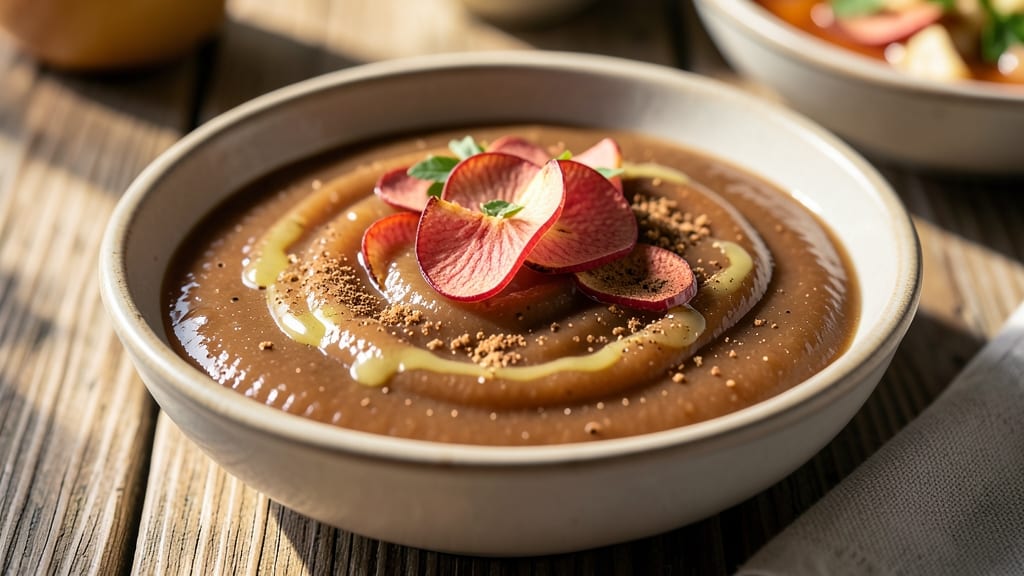
This slow-cooked apple sauce recipe transforms simple apples into a velvety, spiced condiment that’s naturally sweetened and perfect for UK pantries. The secret lies in simmering apples with warm spices like cinnamon and nutmeg until they break down into a smooth, fragrant sauce—no added sugar needed.
I developed this version after realizing how much better homemade apple sauce tastes compared to store-bought jars, especially when paired with roasted meats or as a dessert topping.
The recipe uses just five core ingredients: apples, water, cinnamon, nutmeg, and a touch of lemon juice to brighten the flavors. You’ll cook everything in one pot, letting the apples soften and caramelize naturally, which deepens their natural sweetness.
The spices infuse beautifully, creating a warm, aromatic sauce that’s versatile enough for both savory and sweet dishes. For UK audiences, I’ve kept the measurements straightforward and used easily accessible ingredients like Bramley apples, which are widely available and ideal for cooking.
By the end, you’ll have a smooth, chunk-free apple sauce that’s rich in flavor and naturally sweetened—no artificial additives or excessive sugar. It’s perfect for spreading on toast, pairing with pork chops, or serving with crumbly cheese boards.
The slow-cooking method ensures a thick, velvety texture that’s far superior to canned versions, and the recipe easily adapts for vegan diets by omitting any dairy-based variations.
This sauce keeps well in the fridge for up to two weeks, making it a great make-ahead option for holiday meals or quick weeknight dinners. The spices can also be adjusted to suit your taste—more cinnamon for warmth or a pinch of cloves for depth.
Let’s get started on creating your own batch of this comforting, naturally sweetened apple sauce.
Ingredients for apple sauce recipe uk
Five simple ingredients transform into velvety, naturally sweetened apple sauce perfect for UK pantries.
| Ingredient | Amount | Notes |
|---|---|---|
| Bramley Apples 🍎 | 4 lb | Peeled, cored, quartered |
| Water 💧 | 1 ½ cups | Filtered preferred for clarity |
| Ground Cinnamon 🌿 | 1 ½ tbsp | High-quality, freshly ground |
| Ground Nutmeg 🌿 | ½ tsp | Freshly grated preferred |
| Fresh Lemon Juice 🍋 | 1 tbsp | Brightens flavor naturally |
Bramley apples are the star here—look for firm, unblemished ones at Tesco or Sainsbury's for the best texture. The peel adds natural sweetness, but if you prefer smoother sauce, peel them first. Freshly ground spices make all the difference; pre-ground can taste dull. For a deeper flavor, consider adding a pinch of cloves or allspice. The water amount can vary slightly depending on apple moisture—adjust if needed for desired consistency.
No Bramleys? Granny Smith or Braeburn apples work well, though they’ll yield slightly tart sauce. Swap nutmeg for mace if preferred, but cinnamon is non-negotiable—it’s the heart of the flavor. Fresh lemon juice is ideal, but bottled works in a pinch. For a vegan adaptation, simply omit any dairy-based variations (though this recipe is already dairy-free). The sauce thickens as it cools, so don’t over-strain if you prefer a chunkier texture.
Store in an airtight container in the fridge for up to 2 weeks—it actually improves with time. Freeze for 6 months by portioning into ice cube trays for easy use. This sauce reheats beautifully; simmer gently to maintain its velvety texture. Perfect for pairing with roasted meats or as a dessert topping—its natural sweetness shines without added sugar.
Why You'll Love This Recipe
- No Peel, No Stress: I’ll admit, peeling apples isn’t my favourite part of cooking—but with Bramleys, you can skip it entirely. Just core, chop, and toss them in boiling water. The skins soften right in, and you’re left with smooth, naturally sweet sauce without the fuss.
- Warm Spice Magic: That first whiff of cinnamon and nutmeg hitting the simmering apples? Honestly, it’s like a hug in sauce form. The Bramleys’ tartness balances the spices perfectly, and a squeeze of lemon at the end ties it all together—bright, cozy, and impossible to resist.
- Pantry-to-Table Flex: This sauce is my secret for turning plain roasts, yoghurts, or even porridge into something special. Keep a jar in the fridge for when you’re craving something comforting but don’t want to fuss. (Yes, even on a Tuesday night.)
- Budget-Friendly Staple: Bramleys are cheap, and this recipe stretches them far—enough to fill a jar for weeks. No fancy ingredients, just apples, water, and spices you probably already have. It’s the kind of thing that makes me feel like I’ve won when I open the cupboard.
Step-by-step instructions for slow-cooked apple sauce
Transform tart Bramley apples into velvety, naturally sweet apple sauce with warm spices and minimal effort.
Prepare the Apples for Cooking
Begin by peeling the 4 lb of Bramley apples using a vegetable peeler or sharp knife, working carefully to remove the skin without cutting into the fruit. Core each apple by slicing out the stem and blossom ends, then quarter them lengthwise. The apples should yield about 8-10 quarters depending on their size.
Place the peeled and quartered apples in a large mixing bowl. Add the 1 tbsp of fresh lemon juice and toss gently to coat. This acidity helps preserve the apples' natural color and prevents browning during the cooking process. I like to work in batches if the bowl feels crowded—just transfer the prepared apples to a clean container as you go.
Combine Ingredients in the Cooking Pot
Transfer the lemon-coated apple quarters to a heavy-bottomed saucepan or Dutch oven with a tight-fitting lid. Add the 1.5 cups of water, ensuring all apple pieces are submerged. Stir in the 1.5 tbsp of ground cinnamon and 0.5 tsp of ground nutmeg, pressing the spices into the apples with a wooden spoon to distribute them evenly.
The spices will infuse deeply during cooking, creating that signature warm, aromatic profile. Here's the thing—don't worry if the spices look uneven at this stage. As the apples soften, everything will meld together beautifully. Give the mixture one final stir before proceeding.
Simmer Until Apples Break Down
Place the saucepan over medium-high heat and bring the contents to a gentle boil. Once boiling, reduce the heat to medium-low and maintain a steady simmer. Cover the pot with the lid and let the apples cook undisturbed for 20-25 minutes. You'll know they're ready when the apples begin to soften and release their juices.
After the initial cooking time, use a wooden spoon to gently mash the apples against the side of the pot. This helps break them down faster. Continue simmering for another 15-20 minutes, stirring occasionally to prevent sticking. The apples should now be fork-tender with just a slight resistance when pierced.
Blend to Perfect Smoothness
Once the apples are completely tender, remove the pot from heat and let the mixture cool for 5 minutes. This brief rest prevents splattering when you begin blending. Using an immersion blender, puree the apple mixture directly in the pot until completely smooth. For a slightly textured sauce, you can also use a regular blender or food processor, working in batches if necessary.
If you prefer a chunkier texture, simply mash the apples with a potato masher or fork instead of blending. The choice is yours, but blending ensures that thick, luxurious consistency that pairs beautifully with roasted meats or as a dessert topping. Taste and adjust the seasoning if needed—you may want to add a pinch more cinnamon or nutmeg to suit your preference.
Cool and Store for Maximum Freshness
Return the blended apple sauce to the pot and let it cool to room temperature. The sauce will thicken slightly as it cools, so don't be tempted to add extra water at this stage. Once cooled, transfer the apple sauce to clean, airtight jars or containers. It will keep in the refrigerator for up to 1 week or can be frozen for up to 6 months.
This apple sauce is incredibly versatile—use it as a topping for pancakes or yogurt, a spread for toast, or a natural sweetener in baking recipes. The warm spices complement its natural sweetness perfectly, creating a flavor that's both comforting and sophisticated. Enjoy it warm or cold, straight from the pot or chilled in the fridge.
Pro Tips For Making Apple Sauce Recipe Uk
- PEEL AND CORE LIKE A PRO: I learned this the hard way—Bramleys are stubborn. Use a sharp paring knife to slice off the peel in one long strip (don’t waste time peeling individually), then cut out the core in a single motion. A potato peeler works wonders for the peel if you’re impatient, but keep the knife for the core—it’s faster once you get the hang of it.
- SIMMER LOW AND SLOW: High heat turns Bramley sauce into mush. Once the apples are soft, drop the heat to a gentle simmer—think tiny bubbles, not rolling. I used to rush it, and the texture always ended up gluey. A 15-20 minute simmer at low heat is all you need for perfect smoothness without losing that bright apple flavor.
- ZEST THE LEMON FIRST: Skip the juice until the very end—it’s the acid’s job to brighten the sauce, not cook away. Zest a strip of lemon peel (about 1 tsp) into the warm apples before adding the juice. The oils in the zest infuse faster, giving the sauce a subtle citrus lift without overpowering. (Yes, even if you’re impatient like me.)
- STRAIN FOR SILKY SMOOTH: After cooking, resist the urge to blend—unless you want a paste. Instead, press the apples through a fine-mesh sieve or food mill. The effort separates the skin and seeds, leaving you with a velvety texture. I skip this when I’m lazy, but the dish is noticeably better when I don’t—especially with nutmeg, which tastes richer when the sauce isn’t gritty.
Perfect pairings for this recipe
Savory Pairings
This apple sauce is a game-changer for roasted meats, especially pork shoulder or ham. The natural sweetness and warm spices cut through rich, fatty cuts beautifully. I like to serve it warm alongside roast pork belly—the contrast of creamy pork and velvety sauce is unbeatable.
For a lighter option, pair it with grilled chicken thighs or turkey breast during holiday meals. 🍗
Try it with savory pies like chicken and mushroom or beef and ale. The apple sauce adds a subtle sweetness that balances the savory filling.
I’ve also used it as a glaze for roasted vegetables—simply simmer the sauce with a splash of water until slightly thickened, then brush over carrots or squash before roasting. The spices caramelize beautifully under the broiler for a stunning presentation.
Sweet Applications
For dessert lovers, this sauce is perfect with cheese boards—especially brie or camembert. The warmth of the spices complements the creamy cheese perfectly. I often serve it chilled as a yogurt topping alongside granola or oatmeal for a naturally sweet breakfast.
The sauce also works wonders in baking—swap it for sugar in muffins or cakes for a moist, flavorful twist. 🍯
Use it as a pancake or waffle topping instead of syrup, or drizzle over ice cream for a sophisticated dessert. The cinnamon and nutmeg add depth that store-bought toppings can’t match.
For a festive touch, warm the sauce and serve it with apple crumble or sticky toffee pudding—the extra layer of flavor makes it feel like a restaurant-quality treat.
Beverage Pairings
A hot cup of chai tea is the perfect match for this apple sauce’s spiced profile. The black tea’s tannins balance the sweetness beautifully. For coffee lovers, try it with a spiced latte—the cinnamon and nutmeg in the sauce echo the flavors in the drink.
A glass of sparkling apple cider (chilled) also complements the sauce’s natural sweetness and warmth. 🍎
If you prefer alcohol, a dry Riesling or Pinot Noir enhances the apple’s tartness. For something stronger, a bourbon or apple brandy adds a cozy, autumnal vibe. Even a warm mulled wine with cloves and orange makes this sauce feel like a holiday staple.
The key is to choose drinks that mirror the sauce’s spiced, fruity notes without overpowering them.
Unexpected Uses
This sauce isn’t just for eating—use it as a natural sweetener in marinades for grilled fish or shrimp skewers. The acidity tenderizes the protein while adding subtle sweetness.
I’ve even used it as a dipping sauce for fried chicken or donuts, where its smooth texture and warm spices shine. 🍗
For a savory-sweet twist, mix a spoonful into mashed potatoes or mac and cheese for a unique flavor boost. The sauce also works as a filling for crepes or empanadas, especially when paired with cheddar cheese or walnuts.
Think outside the box—its versatility is one of its best features!
Nutrition facts
Frequently asked questions
Can I use other apple varieties instead of Bramleys?
Yes! While Bramleys are ideal for their tartness and cooking texture, you can use Granny Smith or Braeburn apples for a slightly sweeter sauce. Just be aware that Granny Smiths may need a touch more cinnamon to balance their tartness. Avoid overly soft varieties like Golden Delicious—they won't hold up well during cooking.
How do I adjust the texture if it's too thick or thin?
If your sauce is too thick, stir in 1-2 tablespoons of water while warm and reheat gently. For a thinner sauce, simmer uncovered for 5-10 extra minutes to evaporate excess liquid. The sauce will naturally thicken as it cools, so don't worry if it looks perfect right after blending—it'll settle into a velvety consistency overnight in the fridge.
Can I make this apple sauce without a blender?
Simply mash the cooked apples with a potato masher or fork until smooth. For a more rustic texture, leave some small chunks—this works beautifully with cheese boards or as a topping for porridge. The key is to cook the apples until they're completely tender before mashing.
Why does my apple sauce taste bland?
Blandness usually means the spices didn't infuse properly. Try these fixes: Double the cinnamon to 3 tbsp next time, or add a pinch of allspice or cardamom for depth. Also, ensure your apples were cooked until completely soft—undercooked apples won't release enough natural sweetness. A splash of apple cider vinegar (1 tsp) can also brighten flavors.
How can I use up leftover apple sauce?
Get creative! Spread it on toast with butter, mix it into oatmeal for breakfast, or use it as a glaze for roasted vegetables. For something unexpected, stir it into mashed potatoes or stuffing for a sweet-savory twist. It also freezes beautifully—portion into ice cube trays for perfect single-serving portions.