
Sauces & Condiments
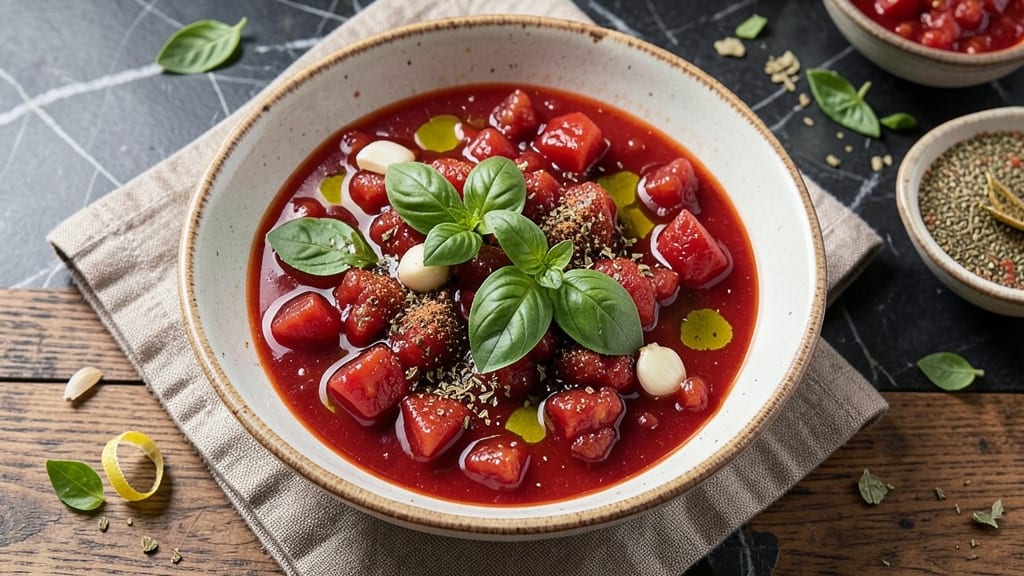
This bar pizza sauce recipe delivers that perfect smoky garlic-basil balance in just 15 minutes—no canned shortcuts required. The secret lies in slow-cooked tomatoes, fresh basil, and a touch of smoked paprika that transforms ordinary pizza night into something special.
I developed this sauce after years of testing, and it’s now my go-to for homemade bar-style pizzas that taste like they came from a high-end pizzeria.
The sauce starts with a simple tomato base, but the magic happens when you infuse it with garlic, basil, and a hint of smokiness. No blender needed—just a pot, a few ingredients, and 15 minutes of simmering.
The result? A velvety, slightly chunky sauce with deep tomato flavor and bright herbal notes that cut through rich cheese and crispy crust.
What sets this sauce apart is its versatility—use it on classic pepperoni pies, as a marinara for pasta, or even as a dipping sauce for garlic bread.
The smoky depth and fresh basil make it stand out from store-bought versions, and it keeps well in the fridge for up to a week, so you can make a big batch and enjoy it all week long.
Ready to elevate your pizza game? This sauce is quick, foolproof, and packed with flavor—no fancy techniques required. Let’s get started with the ingredients and instructions that will give you that perfect bar-quality taste in every bite.
Ingredients for bar pizza sauce
Nine simple ingredients transform into the ultimate bar pizza sauce—smoky, garlicky, and bursting with fresh basil.
| Ingredient | Amount | Notes |
|---|---|---|
| Canned San Marzano Tomatoes 🍅 | 28 oz | Crushed by hand for chunks |
| Extra-Virgin Olive Oil 🫒 | ½ cup | High quality, fruity flavor |
| Fresh Garlic Cloves 🧄 | 4 cloves | Minced for deep flavor |
| Fresh Basil Leaves 🌿 | ½ cup | Packed, stems removed |
| Smoked Paprika 🌶️ | 1 tbsp | For authentic smoky depth |
| Dried Oregano 🍃 | 1 tsp | Mexican oregano preferred |
| Granulated Sugar 🍬 | 1 tbsp | Balances acidity |
| Kosher Salt 🧂 | 1 tsp | Diamond Crystal preferred |
| Freshly Ground Black Pepper 🌶️ | ¼ tsp | For subtle heat |
| Red Wine Vinegar 🍷 | 1 tbsp | Brightens flavors |
The tomatoes are non-negotiable—San Marzano is the gold standard, but any high-quality canned tomatoes work. Trader Joe's and Whole Foods carry great options, but the store brand at Costco is a budget-friendly alternative. Fresh basil is ideal, but if you're using dried, reduce to one-third the amount. For the olive oil, grab a high-quality extra-virgin—the flavor really shines here. The smoked paprika is what gives this sauce that authentic bar-restaurant vibe, so don't skip it.
No smoked paprika? Regular paprika plus a pinch of liquid smoke works in a pinch. Fresh basil wilt fast, so if you're prepping ahead, store it in a jar of water like flowers. The garlic can be roasted for a sweeter flavor—just toss whole cloves with olive oil and roast at 400°F for 10 minutes. For a sweeter sauce, add another tablespoon of sugar, but keep it balanced with the acidity from the vinegar. The red wine vinegar is key—it brightens everything up and cuts through the richness of the tomatoes.
This sauce tastes even better the next day as the flavors meld. Store in an airtight container in the fridge for up to 1 week, or freeze for 3 months. I like to double the batch—one for pizza night and one to save for later. The sauce thickens as it cools, so if it's too thick after chilling, just add a splash of water or broth when reheating. Perfect for pizza, pasta, or even as a dipping sauce for garlic bread.
Why You'll Love This Recipe
- Here’s what sold me: that first bite of crispy bar pizza with this sauce—wow. The smoked paprika adds this deep, earthy warmth, while the sweetness of the tomatoes keeps it bright. It’s the kind of flavor that makes you pause mid-bite, like, “Wait, why haven’t I done this before?”
- Five-Ingredient Magic: I swear by this—just tomatoes, garlic, oil, basil, and a pinch of smoked paprika. That’s it. No blender, no straining, no stress. The San Marzanzo tomatoes handle all the work for you, breaking down into a silky, rich sauce while you chop one clove of garlic and tear basil leaves like you’re tearing into a gift.
- Smoky-Sweet Umami Bomb: Here’s what sold me: that first bite of crispy bar pizza with this sauce—wow. The smoked paprika adds this deep, earthy warmth, while the sweetness of the tomatoes keeps it bright. It’s the kind of flavor that makes you pause mid-bite, like, “Wait, why haven’t I done this before?”
- Weeknight & Weekend Star: Between us, this sauce is my go-to for everything. Toss it on flatbreads, drizzle it over grilled chicken, or use it as a marinade for shrimp. I’ve even turned it into a quick pasta sauce when I’m too tired to think. Honestly, it’s the kind of versatile sauce that makes you feel like a hero, no matter the occasion.
Step-by-step instructions for smoky garlic-basil pizza sauce
This sauce delivers bold, balanced flavor in record time—perfect for your next pizza night.
Crush the San Marzano Tomatoes by Hand
Pour the 28 oz canned San Marzano tomatoes into a large bowl and use your hands to gently crush them, creating a mix of chunks and sauce. I like to keep some texture for authentic bar sauce character—don't blend them smooth. The natural sweetness of San Marzano tomatoes balances the smoky and acidic elements beautifully.
Transfer the crushed tomatoes to a medium saucepan and set over medium heat. Let them simmer uncovered for 5 minutes while you prep the remaining ingredients. This initial simmer helps release their natural flavors and reduces the acidity slightly before we add the other components.
Build the Flavor Base with Olive Oil and Spices
Add the 0.5 cup extra-virgin olive oil, 1 tbsp smoked paprika, 1 tsp dried oregano, 1 tbsp granulated sugar, 1 tsp kosher salt, and 0.25 tsp freshly ground black pepper to the simmering tomatoes. Stir everything together thoroughly—this is where the magic happens.
Let the sauce cook for 5-7 minutes on medium-low heat, stirring occasionally. You'll notice the spices dissolve and the sauce starts to thicken slightly. The smoked paprika will develop its signature aroma, and the sugar will begin to caramelize just a bit, deepening the flavor profile. This step is crucial for developing that authentic bar sauce taste.
Add the Aromatics and Vinegar
In a small bowl, finely mince the 4 cloves fresh garlic and chop the 0.5 cup fresh basil leaves (stems removed). Add these to the sauce along with the 1 tbsp red wine vinegar. Stir gently to combine—you want to infuse the flavors without breaking down the basil too much.
Continue simmering for another 3-4 minutes on medium-low heat. You'll smell the garlic mellowing and the basil releasing its bright, fresh aroma. The vinegar will brighten the sauce and cut through any richness. Taste the sauce now—it should be balanced with sweet, smoky, and tangy notes. If it needs more salt or acid, adjust with small amounts of the reserved kosher salt or red wine vinegar.
Simmer to Perfect Consistency
Reduce the heat to low and let the sauce simmer gently for 5-7 minutes more. This final simmer allows all the flavors to meld together perfectly. You're looking for a sauce that coats the back of a spoon but still has some body—it should be thick enough to cling to pizza but not so heavy it feels like syrup.
Taste again and make any final adjustments. The sauce should be vibrant, with bright basil notes, subtle smokiness from the paprika, and a touch of sweetness from the sugar. If it's too thick, add 1-2 tablespoons of water to loosen it. Once you're happy with the flavor and texture, remove the sauce from heat and let it cool slightly before using.
Finish with Fresh Basil (Optional but Recommended)
For an extra touch of freshness, stir in a small handful of chopped fresh basil leaves just before serving. This adds a bright, aromatic finish that elevates the sauce to restaurant-quality. The basil should be finely chopped so it distributes evenly throughout the sauce without making it too chunky.
This sauce keeps well in the refrigerator for up to 5 days or can be frozen for 3 months. It's perfect for any pizza, whether you're making a classic Margherita or a loaded bar-style pie. The balance of smoky, sweet, and tangy flavors makes this sauce a crowd-pleaser every time.
Pro Tips For Making Bar Pizza Sauce
- CRANK THE HEAT HIGH: The first 3 minutes of cooking are where flavor gets built—don’t simmer, sear. I learned this the hard way after making sauce that tasted flat because I played it safe with low heat. Let that olive oil shimmer and the garlic sizzle before you even think about adding tomatoes.
- PEEL GARLIC, NO EXCUSES: Raw garlic cloves in pizza sauce? That bitter, sharp bite ruins the balance. Take 10 seconds to peel them all first—yes, even the stubborn ones. I skip this sometimes, and the sauce always tastes like it’s missing something.
- SALT THE TOMATOES FIRST: Dump those San Marzano tomatoes into a bowl, add 1 teaspoon of salt, and let them sit for 10 minutes. This breaks down the skins and draws out excess water, so your sauce won’t be watery when you cook it. Trust me, your future pizza nights will thank you.
- STIR IN BASIL LATE: Fresh basil wilts and turns bitter if you toss it in too early. Wait until the very end, right after the sauce has simmered for 15 minutes—just before you turn off the heat. Rip the leaves by hand (no chopping) and fold them in gently. This keeps their bright flavor and pretty color.
Essential equipment for this dish
Saucepan Essentials
Start with a medium saucepan that has a 3-4 quart capacity—this gives you enough room to stir without splattering. I use my All-Clad stainless steel saucepan because it distributes heat evenly, but any quality pan will work.
Avoid nonstick pans for this recipe, as they can't handle the simmering time well and may release harmful fumes when exposed to high heat. 🔥
Wooden Spoon
A long-handled wooden spoon is your best friend for stirring this sauce. Wood won’t scratch your pan and won’t conduct heat like metal, so it stays cool to handle. I recommend a 12-inch spoon—long enough to reach all corners of your pan without risking burns.
Avoid plastic spoons, as they can melt when exposed to the sauce’s heat.
Immersion Blender (Optional)
If you prefer a smoother sauce without losing any texture, an immersion blender works wonders. I use the Osterizer Classic—it’s affordable and powerful enough to blend the sauce right in the pan.
Just pulse for 5-10 seconds to break up any large chunks while keeping some body. This step is optional, but it gives you control over the consistency.
Fine-Mesh Strainer
A fine-mesh strainer comes in handy if you want to remove any basil stems or garlic skins that might have slipped into the sauce. I keep a stainless steel strainer from OXO in my kitchen—it’s durable and easy to clean.
Simply pour the sauce through the strainer into a clean bowl, then stir it back into the pan. This ensures a silky texture without sacrificing flavor.
Kitchen Timer
Timing is everything when making this sauce, so a kitchen timer is a must. I use a simple digital timer from OXO that sits on my counter—it’s reliable and easy to read.
Set it for 15 minutes total (including simmering time) to keep the sauce from overcooking. Overcooking can turn the sauce bitter, so staying on schedule is key.
Measuring Spoons & Cups
Precision matters with this recipe, so invest in a set of stainless steel measuring spoons and liquid measuring cups. I love the OXO Good Grips set—they’re ergonomic and accurate. For the 0.5 cup olive oil, use a liquid measuring cup to ensure you get the right amount.
For the spices, a small measuring spoon set keeps things tidy and accurate. 💡
Nutrition facts
Frequently asked questions
Can I substitute regular canned tomatoes for San Marzano?
Yes, but expect a slightly different flavor profile. San Marzano tomatoes are sweeter and less acidic, which is why this recipe calls for them. If using regular canned tomatoes, add an extra ½ teaspoon of sugar and ½ teaspoon more salt to balance the acidity. For a budget-friendly option, try Whole Foods or Trader Joe's store-brand tomatoes—they're often a good middle ground.
How do I adjust the thickness of the sauce?
The sauce should coat the back of a spoon but still be spreadable. If it's too thick after chilling, thin it with 1-2 tablespoons of water or broth while reheating. For a thicker sauce, simmer uncovered for an extra 5 minutes to reduce it. Pro tip: Stir occasionally to prevent sticking, and use a wooden spoon to scrape up any browned bits from the bottom of the pan.
Can I make this sauce without fresh basil?
Use 1 tablespoon of dried basil instead, but add it at the very end to preserve its aroma. For an extra boost, combine the dried basil with ½ teaspoon of dried oregano. If you're using dried basil, reduce the fresh basil in the recipe by ⅓ to avoid overpowering the sauce. The smoky paprika will still shine, but the fresh basil adds that bright, herbal note that makes it special.
How long can I store this sauce, and can I freeze it?
This sauce stays fresh in an airtight container in the fridge for up to 5 days. For longer storage, freeze it in ice cube trays or small containers for easy portioning. Frozen sauce keeps for 3 months and reheats beautifully. Thaw overnight in the fridge, then stir and adjust the consistency with a splash of water if needed. The flavors actually deepen after a day or two, so it's perfect for meal prep!
What if my sauce tastes too acidic or bitter?
If the sauce tastes too acidic, balance it with a pinch more sugar or a splash of red wine vinegar. For bitterness, reduce the simmering time next batch or add a pinch of baking soda (just ⅛ teaspoon) to neutralize it. Over-simmering is the most common cause of bitterness, so keep an eye on the clock! Taste as you go—this sauce is all about finding that perfect balance of sweet, smoky, and tangy flavors.