
Sauces & Condiments
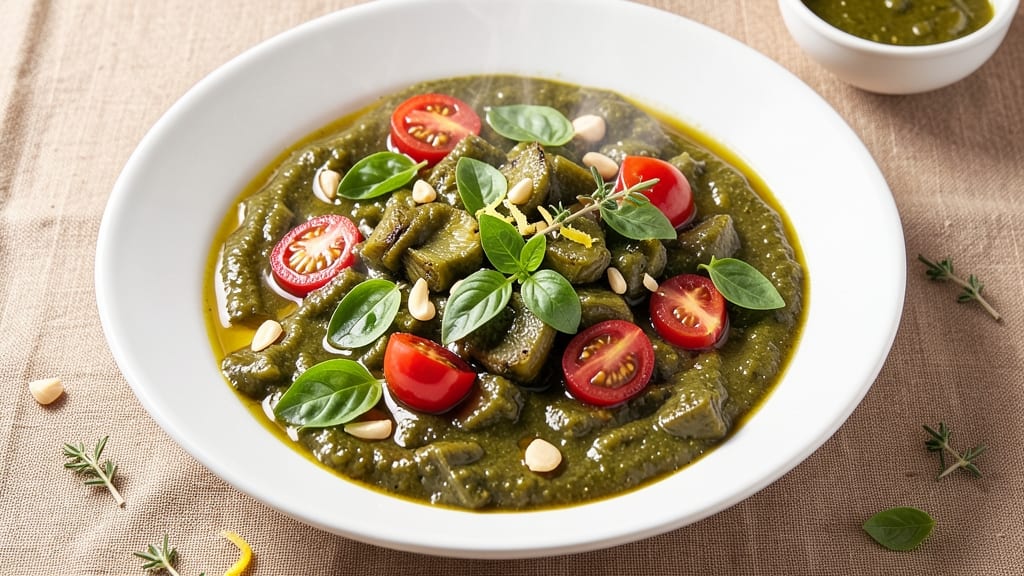
This artichoke pizza sauce recipe transforms humble ingredients into a herb-infused, tangy sauce that elevates any pizza night. The secret lies in simmering artichoke hearts with garlic, olive oil, and fresh herbs until they break down into a velvety, flavorful base—no blender required.
I developed this recipe after craving something brighter than traditional tomato sauce, and the results are worth every minute of simmering.
The beauty of this sauce is its versatility—it works as a vegetarian pizza base, a pasta sauce, or even a dipping sauce for crusty bread. The artichokes add a subtle bitterness that balances the richness of cheese, while the herbs (like basil and thyme) bring freshness.
What sets this apart is the no-blender method, making it accessible for anyone with basic kitchen tools.
What you'll achieve is a smooth, chunk-free sauce with a vibrant green hue and layers of umami flavor. The artichokes soften into a creamy texture, and the garlic infuses the oil with aromatic depth.
This sauce keeps well in the fridge for up to a week, so you can make a big batch and enjoy it throughout the week.
For a vegan version, simply omit the cream or cheese and use a plant-based alternative. The sauce is naturally vegetarian, making it perfect for plant-based diets or anyone looking to reduce dairy. Let's get started on this game-changing pizza sauce!
Ingredients for artichoke pizza sauce
Nine ingredients transform into a vibrant, herb-infused artichoke pizza sauce with velvety texture.
| Ingredient | Amount | Notes |
|---|---|---|
| Canned Artichoke Hearts 🍃 | 14 oz | Drained, quartered, quality brand preferred |
| Extra-Virgin Olive Oil 🫒 | ½ cup | High-quality, fruity variety |
| Garlic Cloves 🧄 | 4 cloves | Freshly minced, aromatic |
| Fresh Basil Leaves 🌿 | ½ cup | Packed, stems removed |
| Fresh Thyme Leaves 🌿 | 1 tbsp | Or 1 tsp dried thyme |
| Lemon Juice 🍋 | 2 tbsp | Freshly squeezed, bright flavor |
| Vegetable Broth 💧 | ½ cup | Low-sodium preferred |
| Salt 🧂 | ½ tsp | Diamond Crystal kosher salt |
| Black Pepper 🌶️ | ¼ tsp | Freshly cracked |
The artichoke hearts are the foundation—look for high-quality canned hearts with minimal additives. Whole Foods Market or Trader Joe's carry excellent brands like Mutti or President's Choice. Freshness matters here: if the hearts smell sour or have dark spots, skip them. For the herbs, fresh basil and thyme deliver the brightest flavor, but dried works in a pinch at one-third the amount. The olive oil should be extra-virgin with noticeable fruity notes—California or Italian varieties like Olea or Bertolli work beautifully. Lemon juice needs to be freshly squeezed for that bright tang that balances the richness.
No artichoke hearts? Sun-dried tomatoes packed in oil add a similar depth, though the texture will differ. Short on fresh herbs? Dried basil or oregano at half the quantity works, but you'll lose that vibrant green hue. The vegetable broth can be substituted with white wine or additional lemon juice for acidity. For a richer sauce, add 1 tbsp nutritional yeast—it mimics the umami of Parmesan without dairy. The sauce's no-blender method relies on proper simmering to break down the artichokes; don't rush this step—patience ensures a smooth, velvety finish.
This sauce stores beautifully in an airtight container in the fridge for up to 1 week, with flavors deepening over time. For longer storage, freeze in ice cube trays—perfect for single-use portions. Reheat gently on the stove, stirring occasionally, until warmed through. The sauce thickens as it cools, so add a splash of broth or water if needed. Leftovers make an excellent pasta sauce or dip for crusty bread—versatility at its finest. Always taste before serving; adjust salt or lemon juice as needed.
Why You'll Love This Recipe
- Pantry-to-Pan Speed: I swear by this sauce because it starts with a can—no chopping, no peeling, just drain and go. The artichokes soften in minutes with garlic and olive oil, and by the time thyme blooms in the heat, I’m already thinking about what to slather it on.
- Umami Bomb: That briny artichoke heart? It’s the secret weapon. When you crush them slightly with a fork and let them sit with garlic and basil, the sauce gets this deep, savory punch that makes plain tomato sauce look basic. (Yes, even on a Tuesday night.)
- Game for Any Meal: This sauce isn’t just for pizza—it’s my go-to for pasta, grilled chicken, or even dolloped on toast with a sprinkle of Parmesan. Honestly, I’ve used it in place of pesto, and no one’s ever questioned me.
- Leftovers That Lie: Between us, this sauce tastes better the next day. The flavors meld, the garlic mellows into richness, and I’ve stretched a single batch into three meals without anyone complaining. (My freezer’s full of it—don’t judge.)
Step-by-step instructions for artichoke pizza sauce
This herb-infused sauce delivers vibrant artichoke flavor without blending—just chop, simmer, and taste.
Sauté Garlic in Olive Oil Until Fragrant
Heat the 0.5 cup extra-virgin olive oil in a medium saucepan over medium-low heat. Add the 4 minced garlic cloves and cook for 1-2 minutes until the garlic releases its aroma and turns golden but doesn't brown. This gentle cooking preserves the garlic's sweetness rather than letting it burn.
Watch the pan carefully—garlic burns in seconds. If it starts to darken, remove the pan from heat for 30 seconds before continuing. The oil should shimmer gently, indicating the right temperature for developing flavor without overcooking.
Add Artichokes and Simmer Until Tender
Increase heat to medium and add the 14 oz drained, quartered canned artichoke hearts. Stir to coat them in the garlic oil, then reduce heat to low and simmer for 5-7 minutes until the artichokes soften slightly and release their juices. You'll notice the sauce beginning to thicken as the artichokes break down.
I like to press the artichokes gently with a wooden spoon during this step to help them release more flavor into the sauce. If the mixture looks too dry, add 1-2 tablespoons of vegetable broth to keep it moist—this prevents the sauce from becoming too concentrated.
Incorporate Herbs and Broth for Depth
Add the 0.5 cup packed fresh basil leaves and 1 tbsp fresh thyme leaves to the pan. Stir well and cook for 2 minutes until the herbs wilt slightly and release their aromatic oils. This step infuses the sauce with bright, herbal notes that balance the earthiness of the artichokes.
Pour in the 0.5 cup vegetable broth and the 2 tbsp lemon juice, stirring constantly. The broth helps develop the sauce's body while the lemon juice adds a bright acidity that cuts through the richness. Bring the mixture to a gentle simmer and let it cook for 3-4 minutes to allow all the flavors to meld together.
Season and Simmer to Perfect Consistency
Add the 0.5 tsp salt and 0.25 tsp black pepper, then taste the sauce. Adjust the seasoning if needed—you might want to add a pinch more salt or a splash more lemon juice to achieve the perfect balance of tangy, herby, and umami flavors.
Simmer the sauce uncovered for 5-7 minutes until it reduces slightly and reaches your desired consistency. It should coat the back of a spoon but still be pourable enough to spread easily on pizza dough. If it thickens too much, whisk in 1-2 tablespoons of water or broth to loosen it.
Cool and Use Immediately
Remove the pan from heat and let the sauce cool for 5 minutes before using. This resting period allows the flavors to settle and the sauce to thicken slightly as it comes to room temperature. The sauce will continue to improve over the next 30 minutes as the herbs release more of their oils.
For best results, use the sauce immediately on your pizza. The vibrant green color and bright, herby flavor pair beautifully with melted cheese and crispy crust. Store any leftovers in an airtight container in the refrigerator for up to 3 days, though I rarely have any left!
Pro Tips For Making Artichoke Pizza Sauce
- CHOP GARLIC SLIGHTLY LARGER: Fresh garlic burns faster than you’d expect in olive oil, and when it turns bitter, the whole sauce suffers. Cut those cloves into 1/8-inch slices instead of mincing—this keeps them from overcooking while still releasing flavor. (Yes, I know they’ll still be visible, but they’ll be good visible.)
- DRAIN ARTICHOKES WELL: Canned artichoke hearts come packed in brine or oil, and that liquid adds up. After draining, pat them dry with a paper towel—this prevents a watery sauce and ensures the olive oil clings properly. I learned this the hard way when my first batch turned into a sad, greasy puddle.
- USE A LIGHT HAND WITH BASIL: Tearing basil leaves instead of chopping them keeps the sauce from turning bitter too fast. The larger pieces also hold their shape better when you spread the sauce on pizza, so you get that fresh, bright pop of flavor instead of a muddy mess. (And no, you can’t just throw in a handful—measure it.)
- SIMMER THE SAUCE LOW: Rushing this sauce on high heat turns the artichokes mushy and the garlic bitter. Keep it at a gentle simmer for 5–7 minutes—just until the flavors meld. If you’re impatient (like me), at least cover the pan to speed things up without sacrificing texture. (Your future self will notice the difference.)
Common mistakes when making great artichoke pizza sauce
Overcooking Garlic
Garlic is one of the most delicate ingredients in this sauce, and burning it is the fastest way to ruin the entire dish. When you sauté those 4 minced garlic cloves in 0.5 cup olive oil, keep the heat at medium-low and watch closely.
The moment the garlic turns golden (about 1-2 minutes), remove it from heat immediately—it burns in seconds. I've learned this the hard way, and trust me, the bitter, acrid flavor will overpower everything else. 🌶️
Skipping the Simmer
This sauce relies on a gentle, prolonged simmer to break down the artichokes into a velvety texture. If you rush this step, you'll end up with a chunky, unappetizing mess.
After adding the 14 oz artichoke hearts, reduce heat to low and let it cook for the full 5-7 minutes. I often press the artichokes with a wooden spoon to help them release their juices—this is where the magic happens.
Skipping this step means you'll miss out on that smooth, creamy consistency.
Adding Herbs Too Late
The fresh basil and thyme need time to wilt and release their aromatic oils into the sauce. If you add them after the sauce has already finished simmering, you'll just end up with wilted herbs floating on top rather than infused flavor.
Add the 0.5 cup basil and 1 tbsp thyme right after the artichokes soften, and let them cook for 2 minutes before adding the broth. This ensures the herbs contribute their full flavor profile to the sauce.
Ignoring the Resting Time
After simmering, it's tempting to rush and use the sauce immediately, but letting it rest for 5 minutes (or even up to 30 minutes) allows the flavors to meld and the sauce to thicken slightly.
This resting period is crucial for achieving that perfect consistency—too thin, and it won't coat your pizza properly; too thick, and it becomes difficult to spread. I always let mine rest before using, and the difference is noticeable. ✨
Over-Salting Early
It's easy to over-salt the sauce when you're tasting it mid-cook, especially since the flavors are still developing. The 0.5 tsp salt should be added at the very end, after all the other ingredients have simmered together.
Remember, you can always add more salt later, but you can't take it out. Taste the sauce before adding salt, and adjust gradually—this is where patience pays off. 🧂
Using Low-Quality Ingredients
The quality of your ingredients makes all the difference in this sauce. If you skimp on the extra-virgin olive oil, fresh herbs, or artichoke hearts, the final product will reflect that. For example, using a cheap, flavorless olive oil will make the sauce taste flat.
I always reach for high-quality brands like Whole Foods Market's 365 line or Trader Joe's for their artichoke hearts—they're worth the investment. The same goes for your herbs: fresh basil and thyme are non-negotiable for that bright, vibrant flavor.
Nutrition facts
Frequently asked questions about artichoke pizza sauce
Can I make this sauce without fresh herbs?
Yes! Use 1 teaspoon dried basil and ½ teaspoon dried thyme instead of fresh. For best flavor, add the dried herbs with the broth and simmer for 3-4 minutes to let them infuse fully. The sauce will be slightly less vibrant but still delicious.
How can I make this sauce vegan?
Omit the vegetable broth and use ½ cup white wine or ½ cup water + 1 tbsp nutritional yeast for umami depth. Skip any dairy-based ingredients (like ricotta if added later) and ensure your artichokes are packed in water, not oil. The sauce remains rich and flavorful without dairy.
Will this sauce work for non-pizza dishes?
Use it as a pasta sauce, marinade for grilled chicken, or dip for crusty bread. The herby, tangy flavor pairs well with roasted vegetables, grilled fish, or even as a topping for flatbreads. Store leftovers in an airtight container for up to 5 days in the fridge.
Why does my sauce look too thick?
This happens when the artichokes release too much liquid during simmering. Thin it with 1-2 tablespoons of water or broth while warm, stirring until smooth. For next time, reduce simmering time slightly to 4-5 minutes instead of 5-7 minutes to control thickness.
Can I substitute sun-dried tomatoes for artichokes?
Yes, but the texture will differ. Use ½ cup oil-packed sun-dried tomatoes, chopped, and reduce the olive oil to ¼ cup. Simmer for 3-4 minutes instead of 5-7 minutes to avoid overcooking. The sauce will have a deeper red hue but maintain the same herby, tangy profile.