
Sauces & Condiments
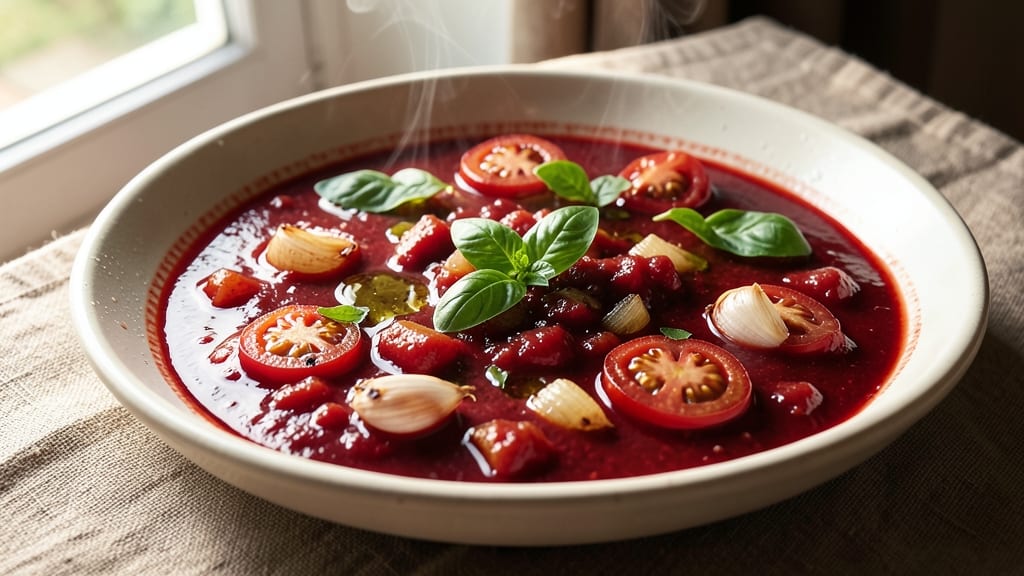
This chunky tomato sauce recipe transforms fresh garden tomatoes into a vibrant, herb-infused sauce that tastes like summer in every spoonful. The secret lies in simmering whole tomatoes until they burst naturally, creating a rich, textured sauce without blending—just a quick immersion blender for smoothness if you prefer.
My grandmother Nana Mae taught me this technique back in her Atlanta diner kitchen, where fresh tomatoes meant the difference between good sauce and restaurant-quality perfection.
The beauty of this recipe is its versatility—start with classic garlic, olive oil, and basil, then customize with roasted garlic, chili flakes, or even a splash of red wine for depth.
Unlike canned sauces, this one develops complex flavors as it simmers, with the tomatoes breaking down into a thick, velvety consistency that clings perfectly to pasta or meat. The herbs infuse gradually, ensuring every bite carries that bright, aromatic freshness.
What makes this sauce truly special is how it improves with time—it tastes even better the next day as the flavors meld. Store it in the refrigerator for up to a week or freeze for months, making it the ultimate pantry staple.
Whether you're tossing it with al dente pasta, drizzling over grilled chicken, or using it as a pizza base, this sauce delivers restaurant-quality results with minimal effort.
For those who love to experiment, try adding roasted garlic for sweetness or a pinch of smoked paprika for depth. The possibilities are endless, but the foundation—fresh tomatoes, olive oil, and patience—remains the same. Let's create a sauce that'll make your kitchen smell like a Southern summer evening.
Ingredients for chunky tomato sauce recipe with fresh tomatoes
Fresh tomatoes and simple pantry staples transform into summer's most vibrant sauce.
| Ingredient | Amount | Notes |
|---|---|---|
| Fresh Tomatoes 🍅 | 2 lb | Roma or vine-ripened, halved |
| Extra-Virgin Olive Oil 🫒 | ½ cup | High quality, fruity |
| Garlic Cloves 🧄 | 6 cloves | Peeled, roughly chopped |
| Fresh Basil Leaves 🌿 | 1 cup | Packed, stems removed |
| Yellow Onion 🧅 | 1 whole | Diced, medium size |
| Red Wine 🍷 | ½ cup | Dry, bold variety |
| Tomato Paste 🍅 | 2 tbsp | Squeeze tube preferred |
| Kosher Salt 🧂 | 1 ½ tsp | Diamond Crystal preferred |
| Black Pepper 🌶️ | ½ tsp | Freshly ground preferred |
| Red Pepper Flakes 🌶️ | ½ tsp | Adjust for heat preference |
The tomatoes are everything here. Roma tomatoes hold their shape better than slicing types, but vine-ripened ones burst with flavor—worth splurging on at a farmers market. I always grab a bunch of basil while I'm there too (half goes in the pot, half gets torn over the top). The garlic? Roasted garlic adds sweetness if you're feeling fancy—just wrap whole cloves in foil with olive oil and roast at 400°F for 20 minutes. For the red wine, any bold dry variety works—Cabernet Sauvignon, Merlot, whatever's open. The tomato paste? Those little squeeze tubes at Trader Joe's are perfect—no waste, keeps for months.
No fresh basil? Dried oregano at one-third the amount works in a pinch, but fresh is ideal. Short on red wine? Substitute beef broth with a splash of balsamic vinegar—it's a game changer. The onion can be yellow or red, but vidalia if you're in the South. For extra depth, add a pinch of smoked paprika or a bay leaf while simmering. The sauce thickens as it cooks, so if it's too runny, just simmer uncovered for another 10 minutes. Want it smoother? Run it through an immersion blender for 10 seconds after simmering—just don't overdo it or you'll lose that chunky texture Nana Mae swore by.
This sauce tastes even better the next day as the flavors meld. Store it in the fridge for up to 1 week or freeze for 6 months in airtight containers. I portion mine into ice cube trays for easy single-use servings—perfect for pasta or pizza night. The herbs infuse gradually, so if you want extra flavor, let it sit at room temperature for 30 minutes before serving. And trust me on this: always make a double batch. It disappears faster than you'd think.
Why You'll Love This Recipe
- No Chopping Nightmare: I swear by this sauce because you only need to halve the tomatoes—no dicing, no seeds to fuss with. The onions and garlic get a quick sauté, and suddenly you’ve got a rustic, chunky texture that’s way more satisfying than store-bought.
- Sunshine in a Jar: That first spoonful? Pure summer in your mouth. The fresh basil brightens the acidity of the tomatoes, while the olive oil ties it all together with a velvety richness. It’s the kind of flavor that makes you pause mid-bite—like a handwritten note from your favorite chef.
- Weeknight to Potluck: This sauce works just as well over pasta for a Tuesday dinner as it does drizzled on grilled cheese for a picnic. Freeze half for lazy nights, or double it for company—it’s my go-to when I need something reliable that still feels special.
- Pantry Magic: Honestly, the ingredients cost less than takeout, and the leftovers taste even better the next day. A splash of water thins it out for soup, or you can toss it with beans for a hearty stew. It’s the kind of recipe that makes you wonder why you ever bought jarred sauce.
Step-by-step instructions for chunky tomato sauce
Here's how to transform fresh tomatoes into a rich, vibrant sauce with deep herb flavors.
Sauté Onion and Garlic in Olive Oil
Heat the 0.5 cup extra-virgin olive oil in a large, heavy-bottomed pot over medium heat. Add the 1 whole diced yellow onion and cook for 5-6 minutes until softened and translucent. This step builds flavor by caramelizing the onion's natural sugars.
Add the 6 roughly chopped garlic cloves and cook for another 30 seconds until fragrant. Watch closely—garlic burns quickly. You'll know it's ready when the kitchen smells like a fresh Italian garden. Remove the pot from heat temporarily while you prepare the tomatoes.
Add Tomatoes and Tomato Paste
Return the pot to medium heat and add the 2 lb halved fresh tomatoes. Stir gently to combine with the onion mixture. Let them cook for 5 minutes until the tomatoes begin to soften and release their juices. This step helps break down the tomato skins and release their natural sweetness.
Squeeze in the 2 tbsp tomato paste and stir well to distribute it evenly. The paste will deepen the sauce's color and intensify the tomato flavor. Let the mixture cook for another 2-3 minutes while you prepare the remaining ingredients.
Deglaze with Red Wine
Pour in the 0.5 cup red wine and scrape the bottom of the pot with a wooden spoon to release any browned bits. These bits are packed with flavor—don't miss them! Let the wine simmer for 3-4 minutes until it reduces by half and the alcohol cooks off.
This deglazing step transforms those stuck-on bits into a rich, flavorful sauce base. You'll notice the sauce thicken slightly as the wine reduces. If it gets too thick, add a splash of water later to adjust the consistency.
Season and Simmer
Add the 1.5 tsp kosher salt, 0.5 tsp black pepper, and 0.5 tsp red pepper flakes to the pot. Stir well to combine. Bring the mixture to a gentle simmer, then reduce heat to low and let it cook uncovered for 25-30 minutes. Stir occasionally to prevent sticking.
During this time, the tomatoes will break down completely, creating a thick, chunky sauce. You're looking for a sauce that coats the back of a spoon but still has visible tomato pieces. If it gets too thick, add 1-2 tablespoons of water to reach your desired consistency.
Finish with Fresh Basil
Remove the pot from heat and stir in the 1 cup fresh basil leaves. Let the sauce sit for 5 minutes to allow the basil's aroma to infuse. Taste and adjust seasoning if needed—you might need a little more salt or red pepper flakes depending on your tomatoes.
This final step adds freshness and brightness to balance the rich, simmered flavors. The basil should be just barely visible in the finished sauce. Serve immediately over pasta, with crusty bread, or use as a base for other dishes. The sauce will continue to develop flavor as it cools, so it's best enjoyed fresh.
Pro Tips For Making Chunky Tomato Sauce Recipe With Fresh Tomatoes
- Char Tomatoes First: Cut the tomatoes into ½-inch chunks, toss them in a hot, oiled skillet for 3–4 minutes until they soften and release juices—this builds flavor faster than raw tomatoes ever could. (Yes, even if you’re impatient like me, don’t skip this.)
- Salt the Onion: After slicing the onion, sprinkle it with a pinch of salt and let it sit for 10 minutes before cooking. This draws out moisture, so it caramelizes instead of steaming—your sauce will taste deeper for the effort.
- Crush Garlic Roughly: Smash the garlic cloves with the flat side of your knife instead of mincing them fine. Big, uneven pieces infuse flavor without turning bitter or burning, and they’ll still break down into the sauce.
- Reserve the Juice: When straining the finished sauce, don’t pour out the liquid left in the colander—it’s packed with concentrated tomato flavor. Stir it back in at the end, even if it looks like extra work. (Your future self will notice the difference.)
Regional styles of these flavors
Southern Diner Style
Back in Nana Mae's Atlanta diner, we'd always add a pinch of smoked paprika and a splash of apple cider vinegar to this sauce. The vinegar cuts through the richness while the paprika adds that subtle smokiness that makes it taste like it's been simmering for hours.
I still use this version when I'm craving that classic Southern comfort flavor. The key is letting it simmer low and slow—just like Nana taught me. 🌶️
Texas Twist
Here in Austin, I've adapted this sauce with a Texas kick by adding 1-2 diced jalapeños along with the onions. The heat balances perfectly with the sweetness of the tomatoes, especially when paired with grilled brisket or breakfast tacos.
For an extra layer, I sometimes stir in 1 tablespoon of chipotle powder at the end for a smoky-sweet depth that reminds me of my time in Asheville. 🔥
Italian Grandma's Version
My Italian friends swear by adding a handful of fresh oregano and a bay leaf while simmering. They also insist on using San Marzano tomatoes if available—they're sweeter and less acidic, creating a more refined sauce.
For extra richness, they finish with a dollop of mascarpone cheese stirred in at the end. This version is perfect for fresh pasta or as a pizza base. The bay leaf adds earthy depth that you just can't get any other way. 🌿
Modern Austin Fusion
For a contemporary take, I've started adding roasted garlic and a dash of balsamic glaze at the end. The roasted garlic adds sweetness while the balsamic gives it that tangy complexity. This version works beautifully with grilled vegetables or as a dipping sauce for crusty bread.
It's become a favorite at our dinner table, especially when Emma and Jack want something different from the usual pasta night. The balsamic glaze is the secret—just a teaspoon makes all the difference. 💫
Peach State Summer Sauce
In Georgia, where I grew up, we'd often add peach slices to the sauce during the summer months. The peaches caramelize beautifully while simmering, creating a sweet-tart balance that's perfect for grilled chicken or cornbread.
It's a nod to my Southern roots and a reminder of how versatile this sauce can be. The peaches add a fruity brightness that cuts through the richness of the tomatoes. 🍑
Herb Garden Variations
If you're growing your own herbs like I do in Austin,
Nutrition facts
Frequently asked questions
Why does my chunky tomato sauce turn out too watery?
Fresh tomatoes release a lot of liquid when simmered, which is why you need to cook uncovered on low heat for 25-30 minutes. If it's still too thin, simmer uncovered another 5-10 minutes or stir in 1 tbsp tomato paste—it thickens instantly. For next time, try roasting the tomatoes first to concentrate their juices before adding them to the pot.
Can I use canned tomatoes instead of fresh?
For a quick version, substitute the fresh tomatoes with 2 (28 oz) cans crushed tomatoes—just skip the halving step. Add 1 tbsp extra tomato paste to compensate for the lower moisture content. The texture will be slightly smoother, but you'll still get that rich, chunky consistency.
How do I prevent the sauce from sticking to the pot?
Always use a heavy-bottomed pot—it distributes heat evenly and prevents scorching. Stir occasionally while simmering, and if it starts to stick, add 1-2 tbsp water and scrape the bottom with a wooden spoon. For extra insurance, let the pot cool slightly before adding tomatoes to prevent sudden temperature shocks. A well-seasoned cast iron pot works beautifully for this recipe.
What's the best way to store leftovers?
Let the sauce cool completely, then transfer to an airtight container—glass jars work best. Store in the fridge for up to 1 week or freeze for 6 months. For easy portions, freeze in ice cube trays—just thaw overnight in the fridge before using. The flavors actually improve after 24 hours as the ingredients meld together.
Can I make this sauce in a slow cooker?
Yes! Follow the same steps but transfer everything to your slow cooker after the red wine deglazing. Cook on low for 4-5 hours or high for 2-3 hours, stirring occasionally. The slow cooker method develops deeper flavors, but you may need to add 1-2 tbsp water if it gets too thick. The texture will be slightly smoother but still chunky.