
Sauces & Condiments
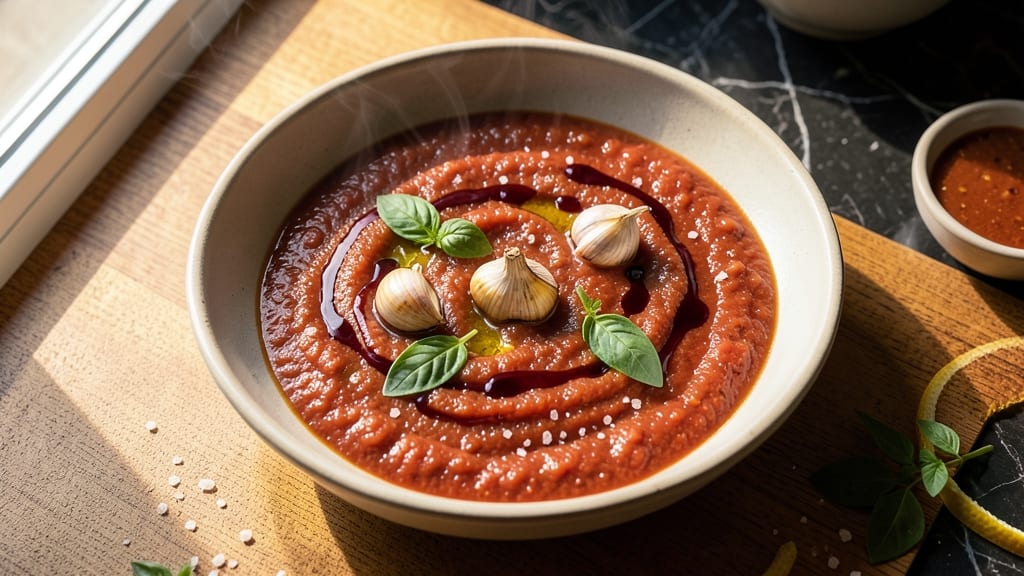
This award-winning pizza sauce recipe delivers restaurant-quality depth with a subtle oregano kick that transforms any pizza into a standout dish. The secret lies in balancing sweetness, acidity, and aromatic herbs through a slow simmer that develops complex flavors without overpowering the natural tomato taste.
I've perfected this sauce over years of testing—each batch builds richer, more nuanced flavor than the last.
What sets this sauce apart is the careful ratio of crushed tomatoes, garlic, and herbs, combined with a touch of brown sugar to enhance the natural sweetness while maintaining balance.
The key technique is simmering for 20-30 minutes, allowing the flavors to meld and intensify. This isn't just another pizza sauce—it's a flavor foundation that elevates every pizza you make.
By the end, you'll have a smooth, velvety sauce with just the right balance of sweet, tangy, and herby notes—no artificial aftertaste or overwhelming saltiness. The oregano kick adds depth without overpowering, making this sauce versatile for pizzas, pasta, or even as a marinade.
The best part? It keeps well in the fridge for up to a week, so you can make a big batch and enjoy it all season long.
Whether you're a home cook looking to impress or a pizza enthusiast seeking the perfect sauce, this recipe delivers professional-quality results with simple ingredients and straightforward techniques. Let's get started on creating your signature pizza sauce.
Ingredients for award winning pizza sauce
Nine simple ingredients transform into restaurant-quality pizza sauce with bold tomato depth.
| Ingredient | Amount | Notes |
|---|---|---|
| Crushed Tomatoes (San Marzano preferred) 🍅 | 28 oz | High-quality canned, no added salt |
| Extra-Virgin Olive Oil 🫒 | ¼ cup | For richness and balance |
| Garlic Cloves 🧄 | 4 cloves | Freshly minced for depth |
| Dried Oregano 🌿 | 1 tbsp | Mediterranean variety preferred |
| Brown Sugar 🍯 | 1 tbsp | Enhances natural sweetness |
| Red Wine Vinegar 🍷 | 1 tbsp | Brightens acidity balance |
| Salt 🧂 | ½ tsp | Diamond Crystal preferred |
| Black Pepper 🌶️ | ¼ tsp | Freshly cracked for warmth |
| Ground Black Pepper 🌶️ | ¼ tsp | For subtle finish |
| Fresh Basil Leaves 🌿 | ¼ cup | Packed, for garnish |
The tomatoes make or break this sauce—San Marzano is ideal, but any high-quality crushed tomatoes work. I always grab the Mueller's brand from the store's Italian aisle when I'm in a pinch, but the real stuff tastes like sunshine. Fresh basil is a must for garnish—Trader Joe's sells perfect little bunches that keep well. The garlic should be fresh, not that pre-minced jar stuff (trust me on that). For the olive oil, California olive oil has that fruity brightness that cuts through the tomatoes beautifully—avoid the cheap stuff that tastes like soap.
No San Marzano? Whole peeled tomatoes blended work in a pinch, but they lack that natural sweetness. Short on oregano? Dried thyme at half the amount gives a similar earthy note. The brown sugar can be swapped for honey or maple syrup if you prefer, though it changes the flavor profile slightly. Vinegar? Balsamic vinegar works too, but it adds a deeper sweetness. Want more depth? Add a pinch of smoked paprika—it's a game-changer for that restaurant-quality kick. The pepper is non-negotiable though—freshly cracked makes all the difference.
This sauce tastes even better the next day as flavors meld. Keeps for 1 week in the fridge, 6 months frozen. I always double the batch—one for pizza night, one for pasta. For freezing, portion into ice cube trays, then transfer to a bag. Thaw overnight in the fridge before using. The basil? Store it in a jar of water like flowers—lasts 2 weeks that way. If you make extra, it's perfect for marinades or drizzling over grilled veggies.
Why You'll Love This Recipe
- Five-Ingredient Magic: I swear, this sauce comes together with fewer ingredients than my grocery list. Just tomatoes, garlic, olive oil, oregano, and a pinch of brown sugar—no fancy techniques, no stress.
- Sweet-Savory Balance: That brown sugar isn’t just for show—it rounds out the acidity of the tomatoes and lets the garlic shine without overpowering. Trust me, your first bite will make you go back for seconds.
- Weeknight & Party Star: Slather it on pizza, toss it with pasta, or use it as a marinade for chicken. It’s my go-to for lazy nights and last-minute dinner parties. (Yes, even on a Tuesday night.)
- Fridge-Friendly Gold: Make a double batch—it keeps for weeks in the fridge and freezes like a dream. I always have a jar ready, so I’m never stuck scrambling when cravings hit.
Step-by-step instructions for award-winning pizza sauce
Here's how to craft a pizza sauce with rich tomato depth and a subtle oregano kick that wins over any crowd.
Bloom the Oregano in Olive Oil
Heat the 0.25 cup extra-virgin olive oil in a medium saucepan over medium-low heat until just shimmering. Add the 1 tablespoon dried oregano and let it bloom for 30 seconds—you'll see the spices release their aroma and the oil take on a fragrant, earthy scent. This step develops the oregano's flavor before the tomatoes even enter the pan.
Here's the thing—I know it seems like a small detail, but blooming the oregano first prevents it from burning when the tomatoes go in later. The oil should smell warm and inviting, almost like a Mediterranean breeze. If it starts to smoke, immediately reduce the heat to low and let it cool slightly before proceeding.
Sauté Garlic Until Fragrant
Add the 4 minced garlic cloves to the warm oil and cook for 1-2 minutes until they're golden around the edges but not browned. You're looking for a sweet, nutty aroma—not bitter or burnt. Stir frequently to prevent burning, as garlic can go from perfect to burnt in seconds.
I like to taste the garlic at this stage to ensure it's fully developed. It should be mellow and sweet, not sharp or raw. If it tastes too strong, you've cooked it too long. The garlic should be just soft enough to be barely noticeable on its own but will add depth to the sauce.
Simmer Tomatoes with Acid and Sweetness
Pour in the 28 oz crushed tomatoes, 1 tablespoon brown sugar, and 1 tablespoon red wine vinegar. Stir well to combine, then bring the mixture to a gentle boil over medium-high heat. Once boiling, reduce the heat to medium-low and let it simmer uncovered for 20-25 minutes, stirring occasionally.
During this time, you'll notice the sauce thicken and deepen in color. The brown sugar will caramelize slightly, adding natural sweetness, while the vinegar brightens the acidity. You're aiming for a consistency where the sauce coats the back of a spoon but isn't gluey—it should still be slightly loose enough to spread easily on pizza dough.
Season and Finish with Herbs
Remove the sauce from heat and stir in the 0.5 teaspoon salt, 0.25 teaspoon black pepper, and 0.25 teaspoon ground black pepper. Taste and adjust the seasoning—you might need a pinch more salt or a splash of vinegar to balance the flavors. The sauce should be bright, slightly sweet, and tangy with a subtle oregano warmth.
Let the sauce cool for 5 minutes, then stir in the 0.25 cup fresh basil leaves. The basil adds a fresh, bright finish that cuts through the richness of the tomatoes. For best results, use a food processor or immersion blender to finely chop the basil and mix it in completely. The sauce should be smooth with no visible chunks—this ensures an even spread on your pizza.
Rest and Use for Maximum Flavor
Transfer the sauce to a clean jar or container and let it rest at room temperature for at least 30 minutes before using. This resting period allows the flavors to meld and the sauce to thicken slightly, giving you that perfect consistency for pizza. The longer it rests, the deeper the flavors become—up to 24 hours in the refrigerator if you're prepping ahead.
When you're ready to use it, give the sauce a quick stir. It should be smooth, vibrant, and ready to elevate any pizza. The oregano kick will be subtle but noticeable, adding complexity without overpowering the natural tomato sweetness. This isn't just pizza sauce—it's the foundation of an award-winning pie.
Pro Tips For Making Award Winning Pizza Sauce
- Simmer Slow and Low: I learned this the hard way—boiling crushed tomatoes ruins their natural sweetness and depth. Keep the heat at a gentle simmer (small bubbles, occasional swirls) for at least 20 minutes. The sauce will reduce properly and develop that rich, caramelized flavor without turning mushy or bitter.
- Toast the Garlic: Don’t just mince and toss—lightly toast your garlic cloves in olive oil until they’re golden at the edges, not browned. This adds a nutty depth that raw garlic can’t match. Remove them before they burn (yes, even if you’re impatient like me), then crush them into the sauce for maximum flavor.
- Skip the Pre-Measured Oregano: Fresh oregano is better, but if you’re using dried, don’t measure it by the spoonful. Taste as you go—dried oregano is potent, and too much will make the sauce taste like a spice rack exploded. Start with half the recipe’s suggested amount, then adjust.
- Balance Sweetness with Acid: Brown sugar adds depth, but crushed tomatoes can sometimes taste flat. Brighten the sauce with a splash of lemon juice or a pinch of salt before adding the sugar—this makes the sweetness sing instead of cloying. (Your future self will thank you.)
Wine and beer pairings for these flavors
Red Wine Pairings
A medium-bodied Chianti Classico from Tuscany is my go-to pairing for this pizza sauce—its bright acidity and cherry notes cut through the tomato sweetness beautifully. Look for a Sangiovese-based wine with 12-14% alcohol to complement the oregano's earthy warmth without overpowering it.
I love Castello di Volpaia or Ruffino for their balance of fruit and structure. 🍷
For a white wine option, try a crisp Vermentino from Sardinia—its citrus and mineral notes refresh your palate between bites. The slight saltiness in the sauce pairs wonderfully with the wine's brightness. Avoid heavy oaked whites that would clash with the sauce's fresh herbs.
Beer Pairings
A Belgian witbier like Hoegaarden or Stella Artois adds effervescence that cleanses the palate between slices. The coriander and orange peel notes in these beers create a delightful contrast with the sauce's tomato depth.
For a stronger option, a German Helles Lager with its malty sweetness balances the sauce's acidity perfectly.
If you prefer darker beers, a light amber ale (around 4.5-5% ABV) works well—just avoid heavy IPAs that would compete with the sauce's flavors. I keep a Leinenkugel's Summer Shandy on hand for casual pizza nights; the lemon-lime twist brightens every bite. 🍺
Unexpected Pairings
For a fun twist, try pairing this sauce with a sparkling rosé—the bubbles and berry notes create an unexpected but delicious contrast. A Prosecco or Spanish Cava works beautifully for special occasions. The acidity in both the wine and sauce creates a refreshing balance.
Non-alcoholic options? A sparkling blood orange soda (like Jarritos) or ginger beer adds zing without alcohol. The ginger's heat complements the oregano's warmth, while the citrus brightens the tomato flavors. Perfect for family gatherings!
Nutrition facts
Frequently asked questions
Can I make this sauce without San Marzano tomatoes?
Yes! While San Marzano tomatoes are ideal for their natural sweetness, you can substitute with high-quality crushed tomatoes like Mueller's or whole peeled tomatoes blended. For a pinch of authenticity, add 1 extra teaspoon of brown sugar to compensate for the lower natural sweetness. The sauce will still taste amazing—just slightly less refined.
How do I adjust the sauce for spicier pizzas?
For a kick, add ½ teaspoon of red pepper flakes while simmering or a dash of hot honey at the end. If you prefer heat in the sauce itself, blend in 1-2 tablespoons of roasted red pepper paste with the tomatoes. Always taste as you go—you can't remove heat once it's added!
Why does my sauce taste too acidic?
Acidity builds during simmering. To balance it, add ½ teaspoon more brown sugar or a pinch of granulated sugar while warm. If it's still too sharp, stir in 1 teaspoon of tomato paste to mellow the flavors. The sauce mellows further as it cools, so don't panic—it'll improve overnight in the fridge.
Can I make this sauce in a slow cooker?
Combine all ingredients in your slow cooker and cook on LOW for 4-5 hours or HIGH for 2-3 hours. The long cook time deepens the flavors even more. Just stir occasionally to prevent sticking, and add a splash of water if it gets too thick. The texture will be slightly thicker than stovetop, but perfect for dipping bread!
What's the secret to making this sauce taste "award-winning"?
The magic happens in three steps:
- Blooming the oregano in oil first,
- Simmering low and slow (20-30 minutes), and
- Letting it rest at least 30 minutes before using. These steps develop complex flavors that store-bought sauces can't match. The brown sugar and vinegar balance creates that restaurant-quality depth too!