
Sauces & Condiments
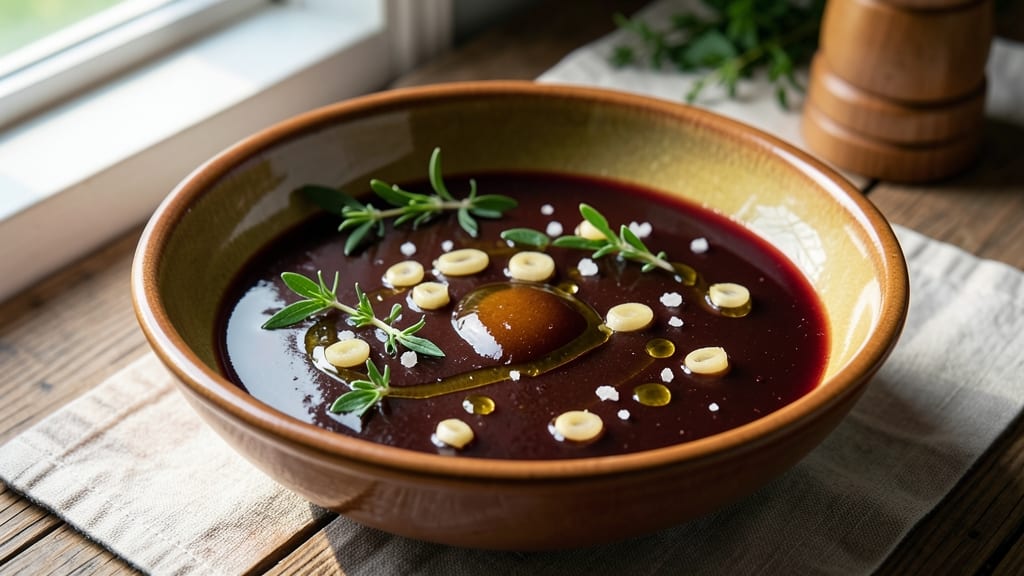
This balsamic reduction sauce recipe transforms simple balsamic vinegar into a glossy, intensely sweet drizzle that elevates everything from salads to roasted meats. The process is straightforward but requires patience—simmering the vinegar with sugar until it thickens into a syrupy consistency that’s rich, aromatic, and deeply flavorful.
I’ve perfected this technique over years of testing, ensuring it’s foolproof for both beginners and seasoned cooks alike.
The magic happens in the reduction: as the vinegar simmers, it loses its sharp acidity and develops a complex sweetness with hints of caramel and fruitiness. A touch of shallots or thyme adds depth, while a pinch of salt balances the flavors.
The result is a sauce that’s versatile enough for drizzling over caprese salads, brushing onto grilled vegetables, or even enhancing desserts like strawberry shortcake.
What makes this recipe special is its speed—ready in just 15 minutes—and its ability to transform ordinary dishes into something extraordinary. The sauce keeps well in the fridge for up to a month, making it a pantry staple for quick, restaurant-quality finishes.
Once you taste the difference between store-bought and homemade, you’ll never go back.
Whether you’re prepping for a dinner party or simply want to add a gourmet touch to weeknight meals, this sauce is your secret weapon. Let’s get started—your taste buds will thank you.
Ingredients for balsamic reduction sauce
Four ingredients transform sharp vinegar into a luxurious, restaurant-worthy drizzle.
| Ingredient | Amount | Notes |
|---|---|---|
| Balsamic Vinegar 🍷 | 1 cup | High-quality aged balsamic preferred |
| Granulated Sugar 🍚 | ½ cup | White or brown sugar works |
| Shallots 🧅 | 2 whole | Minced finely for depth of flavor |
| Fresh Thyme Leaves 🌿 | 1 tbsp | Or 1 tsp dried thyme if fresh unavailable |
| Extra-Virgin Olive Oil 🫒 | 1 tbsp | For finishing and richness |
| Sea Salt 🧂 | ½ tsp | Diamond Crystal preferred for balance |
| Freshly Ground Black Pepper 🌶️ | ¼ tsp | For subtle complexity |
| Water 💧 | ¼ cup | For thinning if needed |
| Unsalted Butter 🧈 | 1 tbsp | Optional for richness (omit for vegan) |
The balsamic vinegar is non-negotiable here—look for aged, thick balsamic from Italy like San Pellegrino or Valentino. These brands have the depth of flavor that cheap vinegars lack. Sugar is your sweetener, but brown sugar adds subtle caramel notes. Fresh thyme is ideal, but dried works in a pinch—just use one-third the amount. Shallots? They add complexity without overpowering, but garlic powder at half the amount is a decent substitute if you're in a hurry.
No aged balsamic? White balsamic vinegar works too—it’s milder but still delicious. Want more depth? Add a pinch of cinnamon or vanilla extract to the simmering mixture. The olive oil at the end isn't just for finishing—it adds a silky texture. If you're avoiding dairy, skip the butter entirely; the sauce will still be rich. For a darker reduction, simmer uncovered for an extra 2-3 minutes. The sauce should coat the back of a spoon but still flow smoothly.
This sauce keeps beautifully—up to 1 month in the fridge sealed in a jar. For a glossy finish, add a splash of water before storing. Reheat gently in a saucepan, stirring constantly to prevent burning. I like to portion it into small jars for easy drizzling. The butter, if used, should be added at the very end—it makes the sauce taste even more luxurious, but it’s optional for those avoiding dairy.
Why You'll Love This Recipe
- Pantry-Friendly Magic: I swear by this sauce because it uses stuff I already have—no special trips to the store. Just vinegar, sugar, and a handful of shallots (which I always buy for cooking anyway). That first glaze? Pure satisfaction with zero effort.
- Sweet-Savory Balance: Between us, the sugar and balsamic create this perfect contrast—rich, tangy, with a whisper of thyme. Drizzle it over grilled chicken or roasted veggies, and suddenly everything tastes like a fancy bistro (without the fancy price tag).
- Weeknight to Dinner Party: This sauce is my secret weapon for lazy nights and impressing guests. Simmer it while you cook dinner—it takes 15 minutes, tops—and suddenly your roasted carrots or steak feel like a showstopper. Honestly, I’ve used it for everything from pasta to cheese boards.
- Leftovers That Last: Make a big batch, then stash it in the fridge. It thickens beautifully over time, so I can toss it on salads, drizzle it over eggs, or even mix it into marinades. (Yes, even on a Tuesday night.) Plus, it’s cheap—one bottle of balsamic goes a long way.
Step-by-step instructions for balsamic reduction sauce
Here's how to transform simple pantry staples into a luxurious, glossy reduction that elevates any dish.
Sauté Shallots Until Translucent
Heat a medium saucepan over medium-low heat and add the 1 tablespoon extra-virgin olive oil. Once the oil shimmers gently, add the 2 whole shallots that you've minced finely. Cook them for 4-5 minutes, stirring occasionally, until they become soft and translucent.
This slow cooking prevents burning while developing their sweet, mellow flavor. You'll know they're ready when they're no longer crisp and their edges begin to soften. Here's the thing—don't rush this step. Patience here means richer flavor later. If they start to brown too quickly, reduce the heat slightly.
Add Sugar and Simmer Until Dissolved
Increase the heat to medium and add the ½ cup granulated sugar along with the ½ teaspoon sea salt. Stir constantly for 2-3 minutes until the sugar completely dissolves into the shallots. You'll see the mixture transform from separate ingredients to a smooth, golden syrup.
This caramelization step creates the sauce's initial depth of flavor. If the mixture starts to stick or darken too quickly, add 1 tablespoon water to help it release from the pan. The sugar should dissolve completely before moving forward—any undissolved crystals will make your final sauce grainy.
Deglaze with Balsamic Vinegar
Pour in the 1 cup balsamic vinegar all at once. Immediately increase the heat to medium-high and bring the mixture to a boil. Once boiling, reduce the heat to medium and let it simmer vigorously for 5-7 minutes, stirring occasionally.
Watch for the mixture to reduce by about half—it should thicken noticeably and develop a deep amber color. The alcohol will evaporate during this time, leaving behind concentrated balsamic flavor. You'll smell a rich, sweet aroma developing as the vinegar transforms into something complex and luxurious.
Finish with Aromatics and Reduction
Add the 1 tablespoon fresh thyme leaves and ¼ teaspoon freshly ground black pepper. Return the heat to medium-high and continue simmering for another 5-7 minutes, stirring frequently. The sauce should reduce to about ½ cup total volume—it should coat the back of a spoon and be syrupy in consistency.
If the sauce thickens too much before reaching the desired depth of flavor, add 1 tablespoon water at a time until you achieve the perfect consistency. The thyme will infuse its earthy notes while the pepper adds subtle complexity. This is where the magic happens—the sauce should smell intensely sweet and complex, like a perfect balance of caramel and vinegar.
Finish with Butter and Strain
Remove the pan from heat and stir in the 1 tablespoon unsalted butter (if using). Let it cool for 2 minutes, then strain the sauce through a fine-mesh sieve into a clean bowl to remove the thyme leaves and any shallot bits.
The butter adds richness and helps create that glossy finish. If you're making this ahead, let it cool completely before storing—it will thicken as it cools. For immediate use, drizzle over grilled meats, roasted vegetables, or use as a glaze for pasta. The final sauce should be thick, glossy, and intensely sweet with deep balsamic notes that make every dish taste restaurant-quality.
Pro Tips For Making Balsamic Reduction Sauce
- Swirl, Don’t Stir: When you’re reducing balsamic and sugar, use a spoon to swirl the liquid in the pan instead of stirring constantly. This keeps the sugar from crystallizing and lets the sauce thicken evenly—no grainy surprises in your final drizzle.
- Toast Shallots First: Cook your shallots in olive oil until they’re golden and slightly caramelized before adding vinegar. This adds depth—like a tiny, savory upgrade—and prevents them from turning mushy when the sauce reduces.
- Skip the Boil: Let the balsamic simmer gently, not boil. A rolling boil makes it bitter fast, and you’ll end up with a syrupy mess instead of a glossy, balanced sauce. Watch it like a hawk—medium heat is your friend.
- Strain for Smoothness: If you’re using fresh thyme, strain the finished sauce through a fine-mesh sieve before serving. It removes herb bits and gives you that silky texture—worth the extra 10 seconds, especially for drizzling over salads or meats.
Creative variations of this recipe
Sweet & Spicy Twist
Add ½ teaspoon cayenne pepper or 1 teaspoon chili flakes when you incorporate the thyme and black pepper. This creates a smoky-sweet heat that pairs perfectly with grilled chicken or roasted peppers.
For extra depth, stir in 1 teaspoon smoked paprika during the reduction phase—it adds a subtle BBQ-like complexity. Balance the heat with an additional ¼ teaspoon salt if needed. 🌶️
Citrus-Infused Brightness
Zest 1 orange or lemon and add it with the thyme leaves during the final reduction. The citrus brightens the deep balsamic flavors, making it ideal for seafood dishes or summer salads.
For extra zing, add 1 tablespoon fresh orange juice at the very end. This variation works especially well with grilled shrimp or as a glaze for roasted carrots.
Herb-Forward Variation
Swap thyme for 1 tablespoon fresh rosemary or 1 teaspoon dried oregano to create a Mediterranean-inspired sauce. Rosemary adds piney notes that complement roasted lamb or grilled vegetables beautifully.
For a more complex profile, combine ½ teaspoon each of dried basil and oregano—this herb blend works wonders with tomato-based dishes or as a drizzle for bruschetta.
Dessert-Friendly Adaptation
Reduce the sugar to ¼ cup and add 1 teaspoon vanilla extract along with the thyme. This creates a dessert-worthy sauce that pairs perfectly with strawberries, vanilla ice cream, or pound cake.
For extra richness, stir in 1 tablespoon heavy cream at the end. The result is a glossy, caramel-like drizzle that’s sweet enough to stand alone but still versatile for savory dishes.
Umami Booster
Add 1 teaspoon soy sauce or ½ teaspoon fish sauce during the final reduction phase to introduce umami depth. This works surprisingly well with Asian-inspired dishes like stir-fries or grilled tofu.
For a more complex flavor, incorporate 1 minced garlic clove with the shallots at the beginning. The umami elements elevate the sauce’s savory profile without overpowering its sweetness.
Winter Spice Blend
Infuse the reduction with ½ teaspoon cinnamon and ¼ teaspoon cloves during the sugar-dissolving phase. This creates a warm, aromatic sauce perfect for holiday dishes like roasted root vegetables or glazed ham.
The spices add a cozy, festive touch that pairs beautifully with cranberry-based dishes. For extra warmth, finish with a sprinkle of ground nutmeg before serving. ✨
Nutrition facts
Frequently asked questions
Can I use white balsamic vinegar instead of aged balsamic?
Yes, but expect a milder flavor profile. White balsamic has a lighter color and less intensity, so you might want to add an extra ½ teaspoon cinnamon or 1 teaspoon vanilla extract to enhance sweetness. The reduction process works the same way—just simmer until it reaches your desired consistency.
How do I know when the balsamic reduction is done?
The sauce is ready when it coats the back of a spoon smoothly and reduces to about ½ cup. It should be syrupy but still pourable, with a deep amber color. Test by letting a small amount cool—it should thicken slightly but remain glossy. If it's too thick, add 1 teaspoon water at a time.
Can I make this sauce without butter?
The butter adds richness, but it's optional. For a vegan version, simply omit it and stir in an extra 1 tablespoon olive oil at the end to maintain glossiness. The flavor will still be rich and complex—just slightly lighter. Store it in an airtight container for up to 1 month in the fridge.
Why did my balsamic reduction crystallize?
Crystallization happens when sugar doesn't fully dissolve or the reduction cools too quickly. To fix it, gently reheat the sauce over low heat, stirring constantly until smooth. For prevention, stir frequently during simmering and avoid high heat. If it happens again, try reducing the sugar slightly (¼ cup) next time.
What are the best dishes to drizzle this sauce over?
This sauce shines on grilled meats like steak or chicken, roasted vegetables (especially Brussels sprouts or carrots), and salads like caprese or arugula. Try it as a glaze for pasta or even a sweet-savory drizzle over strawberries. The key is to use it as a finishing touch—just a few generous drizzles elevate any dish!