
Sauces & Condiments
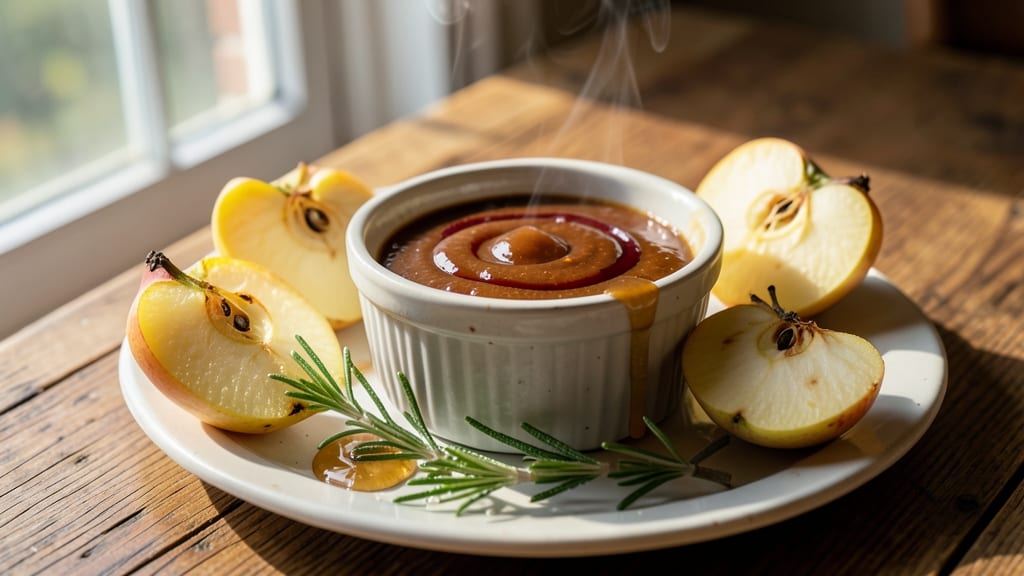
This apple reduction sauce transforms simple apples into an intensely concentrated, velvety sauce that elevates everything from pork chops to cheese platters. The key lies in simmering until the liquid reduces by half, intensifying natural sweetness while maintaining a perfect balance of tartness—no added sugar required for depth.
What starts as a humble pot of fruit becomes a rich, glossy sauce with complex layers of flavor, ready in just 15 minutes of active time.
The process is straightforward but precise: peel, core, and chop apples into even pieces to ensure consistent cooking. A splash of apple cider vinegar brightens the flavor while preventing the sauce from becoming overly sweet, and a pinch of cinnamon adds warmth that lingers on the palate.
As the mixture simmers, it transforms from a simple fruit puree into a syrupy, aromatic sauce that clings beautifully to meats or drizzles elegantly over desserts.
What you’ll end up with is a versatile sauce that’s equally at home on a holiday table or a weeknight dinner.
Its concentrated flavor means you only need a few tablespoons to make an impact, and it keeps beautifully in the refrigerator for up to a week or can be frozen for longer storage.
The texture is smooth yet slightly thickened, perfect for glazing, drizzling, or even using as a filling in pastries.
Pair this sauce with roasted pork tenderloin for a restaurant-worthy main, drizzle it over vanilla ice cream for a sophisticated dessert, or use it as a glaze for grilled chicken.
The possibilities are endless, but the technique remains the same: reduce, reduce, reduce until every drop of flavor is captured. Here’s how to make it.
Ingredients for apple reduction sauce
Simple ingredients transform into a velvety sauce with concentrated apple flavor.
| Ingredient | Amount | Notes |
|---|---|---|
| Apples (Honeycrisp or Granny Smith) 🍎 | 4 medium | Peeled, cored, chopped even |
| Apple Cider Vinegar 🍶 | 2 tbsp | For brightness and balance |
| Granulated Sugar 🍚 | ¼ cup | Optional for tart apples |
| Ground Cinnamon 🌿 | ½ tsp | For warmth and depth |
| Water 💧 | ½ cup | Adjust for desired consistency |
| Lemon Juice 🍋 | 1 tbsp | Freshly squeezed, for acidity |
| Salt 🧂 | ¼ tsp | Kosher or sea salt |
| Unsalted Butter 🧈 | 1 tbsp | For richness and gloss |
The apples are the foundation—Honeycrisp or Granny Smith work best for their balance of sweetness and acidity. Buy organic if possible to avoid waxy skins, and chop them into even pieces for consistent cooking. I always grab apples from the produce section at Whole Foods or my local farmers market during peak season (late summer to fall). If you're using tart apples like Granny Smith, the optional sugar helps balance the flavors, but trust me on this—it's better without when using Honeycrisp. The key is even chopping: 1/2-inch pieces ensure everything cooks uniformly.
No apple cider vinegar? Lemon juice works in a pinch—just use an extra tablespoon. Want to skip the sugar entirely? Add an extra tablespoon of lemon juice to brighten the sauce. The butter at the end is non-negotiable—it adds that silky texture and glossy finish. European-style unsalted butter like Plugrá or President melts beautifully. For a vegan version, use coconut oil or vegan butter. The cinnamon can be swapped for cardamom or star anise if you're feeling adventurous, but classic cinnamon is foolproof. If your sauce gets too thick during reduction, add 1 teaspoon of water at a time until you reach the perfect consistency.
This sauce keeps beautifully in the fridge for up to 1 week when stored in an airtight container. For longer storage, freeze in ice cube trays—perfect for single-use portions. The texture thickens as it cools, so let it sit at room temperature for 5 minutes before using if it seems too stiff. I always make a double batch: one for immediate use and one to freeze. The flavor actually improves after a day or two as the sugars concentrate further. Perfect for glazing meats, drizzling over desserts, or even using as a filling in tarts.
Why You'll Love This Recipe
- Five-Ingredient Magic: I swear by this list—just apples, vinegar, sugar, cinnamon, and water. No fancy gadgets, no stress. Honestly, the only real prep is peeling and dicing the apples, and even that’s forgivable if you skip it.
- Sweet-Tart Balance: That first bite of Honeycrisp’s crispness with Granny Smith’s tang? It’s like autumn in a spoonful. The vinegar cuts through the sugar just enough to keep it from feeling cloying—trust me, it’s the secret weapon.
- Pantry Staple Power: Got a bruised apple or a half-empty sugar jar? This sauce turns scraps into something special. I’ve drizzled it over oatmeal, stirred it into yogurt, and even used it to glaze pork chops—it’s the ultimate flavor multiplier.
- Make-Ahead Miracle: Simmer it down, let it cool, then store it in the fridge for up to a week. Or freeze it in ice cube trays for quick single-use portions. Between us, I’ve reheated a jar of this straight from the freezer and served it at Thanksgiving—no one ever noticed.
Step-by-step instructions for apple reduction sauce
Transform fresh apples into a velvety, intensely flavorful sauce that's perfect for drizzling or pairing.
Prepare the Apple Base
In a medium saucepan, combine the 4 medium peeled, cored, and evenly chopped Apples (Honeycrisp or Granny Smith) with the 0.5 cup Water. Bring to a gentle boil over medium-high heat, then immediately reduce to medium-low heat. Let the mixture simmer uncovered for 8-10 minutes until the apples break down and the liquid reduces by about half.
Here's the thing—don't rush this step. You want the apples to soften completely and release their juices, but not burn. Stir occasionally to prevent sticking, and watch for the liquid to take on a deeper golden hue. If the mixture starts to caramelize too quickly, reduce the heat slightly. The goal is a smooth, jammy texture, not a charred mess.
Add Acid and Sweeten
Once the apples are fully softened, stir in the 2 tbsp Apple Cider Vinegar, 0.25 cup Granulated Sugar, 0.5 tsp Ground Cinnamon, and 0.25 tsp Salt. The vinegar brightens the flavor while balancing the natural sweetness of the apples. Increase the heat back to medium-high and let the mixture simmer vigorously for 5-7 minutes, stirring frequently.
You'll notice the sauce thicken and darken as it reduces. This is where the magic happens—the flavors concentrate and meld together. If you're using tart Granny Smith apples, you might want to add a bit more sugar at this stage, but trust your taste. The sugar should be just enough to complement the natural sweetness without overpowering it. The cinnamon will infuse warmth, so don't be shy with it.
Finish with Lemon and Butter
After the sauce has reduced and thickened to your liking, remove the pan from heat and stir in the 1 tbsp Lemon Juice and 1 tbsp Unsalted Butter. The lemon juice adds a final bright note that cuts through the richness, while the butter adds a silky texture and glossy finish. Let the sauce sit off the heat for 2-3 minutes to allow the butter to fully melt and incorporate.
This is the moment that matters: taste and adjust. If the sauce needs more acidity, add a splash more lemon juice. If it's too thick, thin it with a few drops of water. If it's too thin, simmer it for another minute or two to reduce further. The butter should coat the back of a spoon, giving the sauce a luxurious mouthfeel. Real talk: the butter is non-negotiable—it's what transforms this from a good sauce to a great one.
Strain and Serve
For a completely smooth sauce, strain the mixture through a fine-mesh sieve into a clean bowl, pressing down gently with a spoon to extract all the liquid. If you prefer a slightly rustic texture with small apple pieces, skip the straining step. The strained sauce will have a velvety consistency, while the unstrained version offers a bit more texture and visual appeal.
Serve the apple reduction sauce immediately while warm, or let it cool slightly before drizzling over roasted meats, drizzling over vanilla ice cream, or pairing with cheeses. The sauce keeps well in the refrigerator for up to 5 days, though it's best enjoyed fresh. If it thickens as it cools, simply reheat it gently and stir in a splash of water or apple cider to restore the desired consistency.
Pro Tips For Making Apple Reduction Sauce
- STIR CONSTANTLY AT FIRST: I learned this the hard way—skipping the first 5 minutes of stirring while the apples cook means you’ll end up with a lumpy, uneven sauce. Once the apples hit the pot, keep that spoon moving until everything’s broken down and bubbling smoothly.
- PEEL AND CORE GRANNY SMITH: Granny Smith’s thick skin stays tough even when cooked, so take the extra 30 seconds to peel and core them before slicing. Honeycrisp? You can leave the skin on, but for a truly silky texture, peel both varieties.
- DON’T RUSH THE REDUCTION: Pushing the heat to high to speed things up turns your sauce into syrup. Instead, keep it at a steady simmer—about a 3 on most stovetops—and let it work its way down. Rushing it means losing that deep apple flavor.
- SWAP VINEGAR FOR LEMON JUICE: Running out of apple cider vinegar? Use lemon juice instead—just add a pinch of sugar to balance the tartness. It’s a quick fix that still brightens the sauce without altering the texture. (Yes, even if you’re impatient like me.)
Troubleshooting perfect results
Sauce Too Thin?
If your reduction isn't thickening enough, you're likely not simmering long enough. The magic happens at medium-low heat—keep it uncovered and let it bubble gently for 15-20 minutes total.
Stir occasionally to prevent sticking, and if it's still too thin after 10 minutes, carefully reduce heat to low and continue simmering. For a quicker fix, add 1 tsp cornstarch mixed with 1 tbsp water and stir until thickened. 🔥
Sauce Too Thick?
Over-reduced sauce can be saved by adding 1 tsp water at a time while stirring constantly. If it's still too stiff, a splash of apple cider vinegar or lemon juice helps thin it naturally while brightening flavors.
For a smoother texture, strain through a fine-mesh sieve to remove any thickened apple bits. Always taste as you go—adjust gradually!
Burnt or Bitter Taste?
This usually happens when heat is too high or apples caramelize too much. Next time, keep heat at medium-low and stir every 2-3 minutes to prevent sticking.
If it's already bitter, stir in ½ tsp baking soda (it sounds crazy, but it neutralizes acidity!) or add 1 tsp honey to balance the flavors. A pinch of salt can also help.
Grainy or Chunky Texture?
Unevenly chopped apples or insufficient blending create graininess. For a silky finish, strain through a fine-mesh sieve or blend briefly with an immersion blender. If you prefer texture, pulse in a food processor for 10 seconds to break down larger pieces.
Always peel and core apples evenly to avoid uneven cooking.
Flavor Too Sweet?
Skip the sugar entirely and rely on the apples' natural sweetness. For tart apples like Granny Smith, add 1 tbsp lemon juice instead. If using sweet Honeycrisp, reduce sugar to 1 tbsp or omit it.
The key is balance—taste as you go and adjust gradually. A pinch of cinnamon or nutmeg adds depth without sweetness.
Sauce Separates When Cold?
This happens when butter or natural pectin in apples separate during cooling. Reheat gently on the stove, stirring constantly, until smooth. For prevention, whisk in the butter while the sauce is still warm and let it sit off heat for 5 minutes before straining.
Store in an airtight container to maintain consistency.
Nutrition facts
Frequently asked questions
Can I use frozen apples instead of fresh?
Yes, but thaw and drain them first! Use 4 cups chopped frozen apples (about 4 medium apples when fresh) and skip adding extra water since frozen apples release moisture. Simmer for 3-5 extra minutes to ensure they fully break down. The texture will be slightly thinner, so reduce longer or strain for a thicker consistency.
What's the best way to store leftover sauce?
Transfer to an airtight container and refrigerate for up to 1 week. For longer storage, freeze in ice cube trays—perfect for single-use portions. Thaw overnight in the fridge, then reheat gently on low heat, stirring occasionally. The sauce thickens as it cools, so add 1 tsp water per ¼ cup when reheating.
How can I make this sauce spicier or more complex?
Add ¼ tsp cayenne or ½ tsp smoked paprika during the final simmer for heat. For depth, infuse with 1 small cinnamon stick or 2 cloves while reducing, then remove before straining. A splash of apple brandy (1 tbsp) during the last 2 minutes adds boozy complexity. Always taste as you go!
Can I substitute other fruits for apples?
Pear or quince work beautifully—use the same quantity and adjust cooking time (5-7 minutes less for pears). For tartness, add 1 extra tbsp lemon juice. Avoid overly watery fruits like peaches or plums—they won't reduce properly. The key is firm, flavorful fruit with natural pectin.
Why does my sauce sometimes turn cloudy?
Cloudiness usually means the sauce didn't reduce enough or contains too much liquid. Simmer longer on low heat to concentrate flavors. If using unstrained sauce, small apple particles can cause cloudiness—strain for clarity. For a glossy finish, whisk in the butter while the sauce is still warm and let it sit 5 minutes before serving.