
Sauces & Condiments
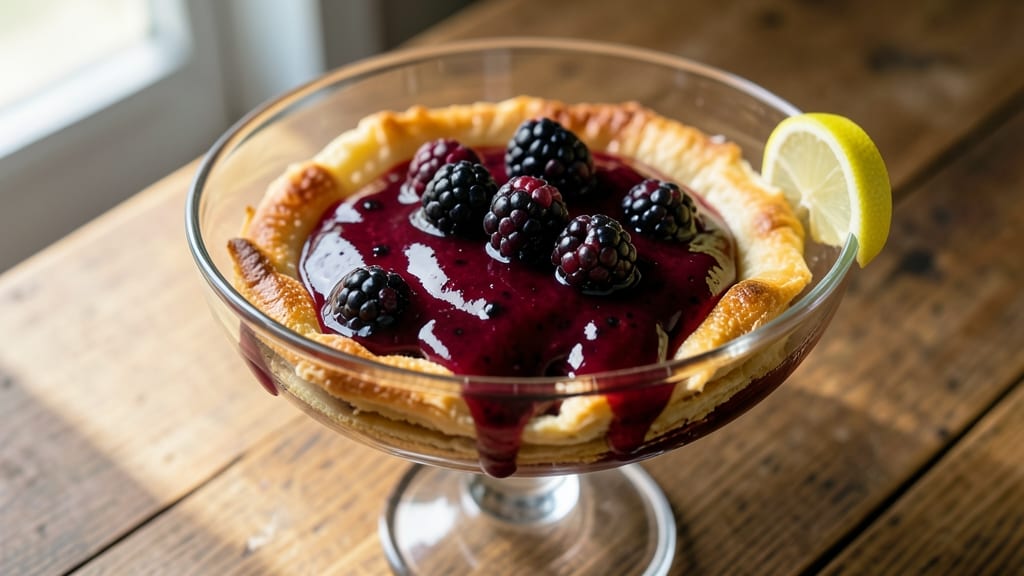
This blackberry reduction sauce transforms tart berries into a rich, jammy glaze with just the right balance of sweetness and bright vinegar tang.
The secret lies in simmering fresh blackberries until they break down into a velvety sauce, then finishing with a touch of vinegar to cut through the sugar—creating depth that elevates everything it touches.
I developed this recipe after struggling to find a sauce that worked as well on savory dishes as it did on desserts, and the result is a versatile glaze that’s equally at home drizzled over cheese boards, brushed onto grilled meats, or spooned over vanilla ice cream.
The process is straightforward but requires patience—simmering the berries for 20-25 minutes until they reduce to a syrupy consistency, then straining out the seeds for a silky texture. A splash of balsamic or apple cider vinegar at the end adds complexity, while a pinch of salt enhances all the flavors.
The sauce thickens as it cools, making it perfect for drizzling, glaze, or even reducing further for a thicker consistency.
What makes this sauce special is its dual-purpose versatility. Use it to glaze roasted pork tenderloin for a sweet-savory crust, drizzle it over brie and prosciutto for an elegant appetizer, or spoon it over pancakes for a sophisticated breakfast.
The vinegar brightens the berry sweetness, so you won’t need extra sugar—just fresh blackberries, a few pantry staples, and time to let the flavors meld.
Store the sauce in an airtight container in the fridge for up to 2 weeks, or freeze it for longer storage. When reheating, warm it gently over low heat to preserve its texture. This isn’t just a sauce—it’s a flavor multiplier that turns simple dishes into something extraordinary.
Ingredients for blackberry reduction sauce
Eight simple ingredients transform tart berries into a jammy glaze with surprising depth.
| Ingredient | Amount | Notes |
|---|---|---|
| Fresh Blackberries 🫐 | 2 cups | Pitted if possible, or strain after cooking |
| Granulated Sugar 🍚 | ½ cup | Adjust to taste for tartness preference |
| Balsamic Vinegar 🍷 | 2 tbsp | Aged variety for deeper flavor |
| Apple Cider Vinegar 🍎 | 1 tbsp | Or sub lemon juice for brightness |
| Fresh Lemon Juice 🍋 | 1 tbsp | Brightens the reduction |
| Unsalted Butter 🧈 | 2 tbsp | Cold, cut into small pieces |
| Fine Sea Salt 🧂 | ½ tsp | Kosher or Diamond Crystal preferred |
| Fresh Thyme Leaves 🌿 | 2 tsp | Or 1 tsp dried thyme |
The blackberries are the star—look for plump, deep purple ones with no mold or mushiness. Local farmers markets often have the freshest berries, but the grocery store works too if they're firm. A quick rinse before using removes dirt without soaking them. Sugar is key here: it's not just sweetness but what helps the berries break down into that velvety texture. Organic cane sugar adds subtle caramel notes, but regular granulated works fine. The vinegars are where the magic happens—aged balsamic brings complexity, while apple cider vinegar adds a bright, almost apple-like tang that cuts through the richness.
No fresh thyme? Dried works at half the amount, but fresh is ideal for that herbal brightness. Running short on butter? Coconut oil or vegan butter keeps it dairy-free without sacrificing texture. Want to skip sugar entirely? Balance the tartness with extra lemon juice—start with 1 tbsp and adjust. The sauce thickens as it cools, so if you prefer it thinner, add a splash of water or broth when reheating. For a deeper berry flavor, simmer the berries uncovered for 5 extra minutes—just watch closely to avoid burning.
This sauce keeps beautifully—2 weeks refrigerated in an airtight jar, or 6 months frozen in ice cube trays for portion control. Reheat gently over low heat, stirring occasionally, until just warmed through. The texture thickens as it cools, so reheat with a splash of water if needed. I always make extra—it disappears fast on pancakes, grilled chicken, or even as a glaze for roasted vegetables. Store in the freezer in 2-tbsp portions for easy single-use servings.
Why You'll Love This Recipe
- No Pot Required: Honestly, I just toss the blackberries, sugar, and vinegars into a small saucepan and let them simmer—no fancy gadgets, no blender mess. The magic happens in 15 minutes while you’re chopping veggies or waiting for the oven to preheat.
- Tart-Sweet Magic: That bright lemon juice and tangy balsamic cut through the sweetness in the best way—like a summer day with a crisp bite. It’s the kind of sauce that makes you go back for seconds, even if you’re not supposed to.
- Pantry Stash Savior: I keep this in the fridge all summer for pancakes, yogurt, or grilled chicken. It’s my go-to when I’m low on ideas but still want something that feels special—no last-minute grocery runs needed.
- Leftovers That Shine: The sauce thickens beautifully over time, so whatever’s left after dinner becomes the star of breakfast toast or a quick dessert. (Yes, even on a Tuesday night.) Plus, it’s cheap—just fruit and pantry staples.
Step-by-step instructions for blackberry reduction sauce
This isn't your average jam—we're making a glossy, intensely jammy glaze with layers of vinegar brightness and herbal depth.
Simmer the Blackberries Until Broken Down
In a medium saucepan, combine the 2 cups of fresh blackberries with the 0.5 cup of granulated sugar. Bring to a gentle boil over medium-high heat, then immediately reduce to medium-low heat. Let it simmer uncovered for 10-12 minutes, stirring occasionally, until the berries burst and the mixture transforms into a thick, syrupy purée.
Here's the thing—you want the berries to completely break down but not burn. Watch for the moment when the sauce turns deep purple and the texture thickens noticeably. If any seeds remain intact, mash them gently with a wooden spoon. This is where the magic happens—the natural pectin in the blackberries begins to release, setting up the reduction we're after.
Add Vinegars and Lemon for Tangy Depth
Once the blackberries are fully broken down, carefully pour in the 2 tablespoons of balsamic vinegar and 1 tablespoon of apple cider vinegar. Stir well to distribute the tangy flavors throughout the purée. Then add the 1 tablespoon of fresh lemon juice and the 2 teaspoons of fresh thyme leaves. Let the mixture simmer uncovered for another 8-10 minutes.
This is where the sauce develops its signature complexity. The vinegars cut through the sweetness while adding depth, and the lemon brightens everything up. The thyme infuses subtle herbal notes that pair beautifully with the berries. You'll know it's working when you smell that perfect balance of sweet, tart, and herbal aromas wafting from your pan.
Reduce to Glossy Perfection
Continue simmering the mixture for 15-20 minutes, stirring occasionally, until it reduces to about half its original volume. You're looking for a thick, glossy consistency that coats the back of a spoon. The sauce should be syrupy but still pourable—not so thick it becomes paste-like.
If the reduction thickens too quickly, add 1-2 tablespoons of water to slow the process. The key is patience here—rushing will result in a bitter, overcooked sauce. When it reaches the right consistency, it should look like a rich, jammy glaze rather than a chunky compote. This is the moment that matters: the sauce should be intensely flavorful with a beautiful sheen.
Finish with Butter and Salt
Remove the sauce from heat and let it cool slightly for 2-3 minutes. Then stir in the 2 tablespoons of cold, cubed unsalted butter and the 0.5 teaspoon of fine sea salt. The butter will create a silky, velvety texture that rounds out the acidity, while the salt enhances all the flavors.
Let the sauce sit for another 5 minutes to allow the butter to fully incorporate and the flavors to meld. The result should be a glossy, jammy glaze with a perfect balance of sweet, tart, and herbal notes. If you're using it immediately, give it a quick stir before serving. If storing, let it cool completely before transferring to an airtight container—it'll keep in the refrigerator for up to 2 weeks.
Pro Tips For Making Blackberry Reduction Sauce
- Use Medium Heat First: Start your blackberries on medium heat—high heat makes them spit and burn before they break down. Once they’re soft and juicy (about 5 minutes), then crank it up to boil off the liquid faster. I learned this the hard way after watching a pot of blackberries turn into a charred mess.
- Mash Those Berries: Smash the blackberries with a wooden spoon or potato masher halfway through cooking—this releases more juice and cuts down on stuck-on bits. No masher? A fork works, but you’ll have to work harder to get the same smooth texture.
- Taste Before Reducing: Check the flavor balance before you boil it down—too much sugar or vinegar now won’t fix itself later. A quick taste after 10 minutes lets you adjust while there’s still time to correct. (Yes, even if you’re impatient like me.)
- Strain or Don’t: If you want a silky sauce, strain out the seeds with a fine-mesh sieve—it’s worth the extra 30 seconds. If you like texture, skip it, but don’t blame me when your sauce tastes like you’re eating blackberry pulp. (I’ve done both; the straining wins for elegance.)
Regional styles of blackberry reduction sauce
Southern U.S. Sweet-Tart Style
In the Southern states, blackberry reduction sauce often gets a touch of peach preserves—about 2 tablespoons—to deepen the fruitiness while keeping that signature tang. I first tried this version at a Georgia farm-to-table brunch where it was drizzled over grilled peach halves with bourbon caramel.
The peaches add a buttery smoothness that balances the vinegar's brightness perfectly. 🍑
For an extra Southern twist, finish with a pinch of ground cinnamon and a splash of bourbon (about 1 teaspoon). This variation works beautifully as a glaze for pork chops or as a topping for buttermilk biscuits.
The bourbon adds warmth and complexity that pairs wonderfully with the berry's natural sweetness.
Pacific Northwest Herbal Twist
Up in the Pacific Northwest, where blackberries grow wild, the sauce often incorporates local herbs like rosemary or cedar-plank smoked salt. Swap the thyme for 1 teaspoon fresh rosemary leaves or add ½ teaspoon smoked salt (like Maldon Smoked Sea Salt) to the finished sauce.
This version shines when drizzled over grilled salmon or goat cheese crostini. 🌿
Another regional favorite is adding a splash of blackberry brandy (about 1 tablespoon) at the end of the reduction. This works especially well in Washington or Oregon, where blackberry wine is popular.
The brandy adds depth and a subtle boozy note that elevates the sauce for desserts or cheese boards. Look for local blackberry liqueurs at specialty stores for an authentic touch.
Midwest Rustic Approach
The Midwest leans into rustic simplicity, often using apple cider vinegar as the primary acid and adding a pinch of ground allspice for warmth. This version is perfect for apple-blackberry pairings, like drizzling over caramel apples or pork tenderloin.
The allspice adds a subtle spice that complements the berries beautifully. 🍎
For a heartier touch, some cooks in this region stir in 1 tablespoon of apple butter at the end, creating a thicker, spreadable glaze. This works wonderfully as a dipping sauce for donuts or a glaze for roasted pork.
The apple butter softens the tang and adds a creamy texture that’s irresistibly comforting.
French-Inspired Elegance
Inspired by French fruit reductions, this version uses red wine instead of vinegar—about ¼ cup dry red wine (like Pinot Noir)—to add richness and depth. Finish with a butter-thyme emulsion (whisk 1 tablespoon cold butter with 1 teaspoon thyme-infused oil) for a silky, restaurant-quality sauce.
This is ideal for duck confit or seared scallops. 🍷
For an extra touch of sophistication, strain the sauce through a fine-mesh sieve to achieve a completely smooth texture. Garnish with edible flowers or a sprinkle of flaky salt before serving. This version is perfect for elevated appetizers or dessert pairings like crème brûlée or vanilla bean ice cream.
The wine adds a subtle earthiness that pairs beautifully with the berries' natural sweetness.
Nutrition facts
Frequently asked questions
Can I use frozen blackberries instead of fresh?
Yes! Frozen blackberries work perfectly—they're often even sweeter and more concentrated. Just thaw them first (no need to rinse) and drain any excess liquid before using. The texture will be slightly softer, but the flavor remains rich. For a smoother sauce, strain after cooking.
How do I adjust the sweetness if my berries are very tart?
Start with the full 0.5 cup of sugar, then taste as you go. For extra tart berries, add 1-2 tablespoons more sugar gradually while simmering. Alternatively, reduce the vinegar by 1 teaspoon to balance the flavors. The sauce will thicken as it cools, so adjust before storing.
Can I make this sauce without butter?
For a dairy-free version, replace the butter with 2 tablespoons coconut oil or vegan butter. The sauce will still have a velvety texture, though the richness will be slightly different. Add a pinch of salt to enhance the flavors if needed.
Why did my sauce turn grainy or crystallize?
This usually happens if the sugar didn't fully dissolve or the sauce cooled too quickly. To fix it, gently reheat the sauce over low heat, stirring constantly until smooth. For prevention, stir frequently while simmering and avoid boiling vigorously. If it's too thick, add 1 tablespoon water and reheat.
How can I use this sauce beyond desserts?
This versatile glaze works beautifully on grilled meats (like pork or chicken), as a drizzle for cheese boards, or even as a marinade base. For savory dishes, reduce the sugar slightly and add a pinch of smoked paprika or garlic powder. It pairs especially well with goat cheese or prosciutto.