
Sauces & Condiments
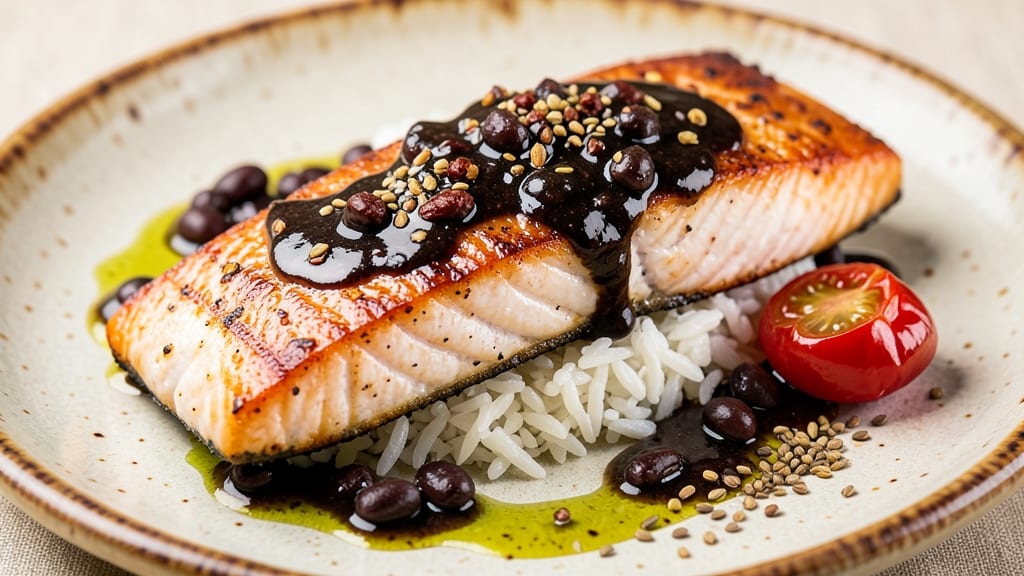
This baked salmon with black bean sauce delivers restaurant-quality flavor with minimal effort—smoky chipotle and garlic-infused black bean glaze transforms simple salmon into a showstopper dish. The secret lies in balancing tender, flaky fish with a rich, umami-packed sauce that adds depth without overpowering.
I developed this recipe after years of perfecting the art of balancing bold flavors with delicate textures, and it’s become a regular on my dinner rotation.
The process is straightforward: bake the salmon until perfectly moist (about 12-15 minutes at 400°F), then top it with a velvety black bean sauce simmered with chipotle, garlic, and cumin. The sauce reduces to a glossy glaze that clings to the salmon, infusing it with smoky, slightly sweet notes.
This dish is naturally pescatarian, packed with protein, and pairs beautifully with sides like jasmine rice or roasted asparagus.
What makes this recipe stand out is the harmony of textures—crisp edges on the salmon, creamy sauce, and a touch of brightness from lime zest. The black bean sauce isn’t just a topping; it’s a flavor booster that elevates the dish from ordinary to extraordinary.
Serve it with a sprinkle of fresh cilantro and a squeeze of lime for a finish that’s fresh, vibrant, and impossible to resist.
Whether you’re cooking for a weeknight dinner or a special occasion, this baked salmon with black bean sauce is a foolproof way to impress. The best part? It comes together in under 30 minutes, making it perfect for busy schedules without sacrificing flavor. Let’s get started!
Ingredients for baked salmon with black bean sauce
Nine simple ingredients transform flaky salmon into a smoky, umami-packed showstopper.
| Ingredient | Amount | Notes |
|---|---|---|
| Center-Cut Salmon Fillets 🐟 | 4 pieces | Skin-on, 6-8 oz each |
| Canned Black Beans 🫘 | 1 can | Drained, rinsed, no salt added |
| Garlic Cloves 🧄 | 6 cloves | Fresh, minced |
| Chipotle Peppers in Adobo 🌶️ | 2 tbsp | Minced, plus 1 tbsp sauce |
| Ground Cumin 🌿 | 1 tsp | Toasted for depth |
| Extra-Virgin Olive Oil 🫒 | 2 tbsp | For salmon and sauce |
| Lime Zest 🍋 | 1 tsp | Finely grated |
| Lime Juice 🍋 | 2 tbsp | Freshly squeezed |
| Fresh Cilantro 🌿 | ¼ cup | Chopped, for garnish |
| Salt 🧂 | 1 tsp | Kosher or sea salt |
| Black Pepper 🌶️ | ½ tsp | Freshly ground |
| Honey 🍯 | 1 tbsp | For sauce sweetness |
| Low-Sodium Chicken Broth 💧 | ¼ cup | For sauce depth |
The salmon is everything here. Center-cut fillets with skin-on stay moist and crisp up perfectly. I grab mine from Whole Foods or the fish counter at Trader Joe's—they always have the freshest. Look for vibrant color and firm texture; if it smells fishy, walk away. For the black beans, no-salt-added is a must—you control the seasoning here. The adobo sauce from the chipotle can is non-negotiable for that authentic smoky depth, but if you can't find it, substitute smoked paprika plus a pinch of cayenne.
No fresh garlic? Garlic powder at half the amount works in a pinch, but trust me, fresh makes all the difference. The lime zest adds that bright pop—if you're short, a splash of lime juice plus a pinch of sugar mimics it. For the sauce, the honey balances the smokiness while the chicken broth adds richness. Vegetable broth works too if you're avoiding poultry. Pro tip: Toast the cumin seeds whole in a dry pan for 30 seconds before grinding—game-changer for flavor. The olive oil should be extra-virgin; anything less tastes flat against the bold flavors here.
Salmon keeps best in the coldest part of your fridge, wrapped in parchment paper, for up to 2 days. The black beans last 1 week in the pantry, but once opened, transfer to a sealed container. The sauce can be made ahead—it actually tastes better the next day as flavors meld. Portion it into small containers for easy reheating. Garnish with fresh cilantro right before serving; it wilts fast, so add it last. This dish reheats beautifully—just warm the sauce separately and drizzle over gently heated salmon.
Why You'll Love This Recipe
- One-Pan Magic: I swear by this trick—just toss the salmon and beans on a sheet pan, drizzle the sauce, and bake. No pots, no pans, no stress. The black beans caramelize right alongside the fish, so you’re not stuck scrubbing two different dishes.
- Smoky Depth in Minutes: Honestly, the chipotle in adobo and cumin turn this into something restaurant-worthy without effort. That slow-simmered heat from the peppers? It clings to the salmon like a hug—warm, spicy, and impossible to resist.
- Weeknight to Dinner Party: Between us, this feeds four but feels fancy enough for guests. Serve it over rice with lime wedges, or let everyone scoop up the sauce with tortillas. My roommates went from "takeout night" to "let’s make this again" in one bite.
- Leftovers That Don’t Suck: The sauce thickens beautifully when reheated—better than takeout, honestly. I double the batch, bake half, and save the rest for lunches. The salmon stays moist, the beans hold their shape, and the flavor only gets richer. No sad, dry fish here.
Step-by-step instructions for baked salmon with black bean sauce
Here's how to bake perfectly flaky salmon with a rich, smoky black bean sauce that ties everything together.
Prepare the Black Bean Sauce
In a small saucepan, combine the drained black beans, minced chipotle peppers in adobo (including 1 tablespoon of the sauce), minced garlic cloves, ground cumin, honey, and low-sodium chicken broth. I like to toast the cumin first in a dry pan for 30 seconds to deepen its flavor—just until you smell that warm, earthy aroma.
Bring the mixture to a gentle simmer over medium heat, then reduce to low and let it cook for about 8-10 minutes, stirring occasionally. You want the sauce to thicken slightly and develop those smoky, spicy notes. Taste and adjust seasoning with salt and pepper if needed—this is your flavor base, so get it right now. The sauce should be thick enough to coat the back of a spoon but still pourable.
Season and Bake the Salmon
Preheat your oven to 400°F. Line a baking sheet with parchment paper and place the salmon fillets skin-side down on the sheet. Pat them dry with paper towels—this helps the skin crisp up beautifully. Rub each fillet with 1 tablespoon of the extra-virgin olive oil, then sprinkle evenly with the lime zest, remaining salt, and black pepper.
Bake the salmon for 12-15 minutes, depending on thickness. You'll know it's done when the edges start to turn opaque and the salmon flakes easily with a fork. Don't overbake—it should still look slightly translucent in the center. The skin should be crispy, but if it's not quite there, pop it under the broiler for 1-2 minutes at the end. Remove the salmon and let it rest for 5 minutes before serving.
Finish the Sauce and Assemble
While the salmon bakes, return the black bean sauce to low heat. Stir in the lime juice and remaining tablespoon of olive oil. Let it warm through for 2-3 minutes—just enough to brighten the flavors with that citrusy kick. The sauce should be smooth and glossy, with a perfect balance of smoky, sweet, and tangy notes.
To serve, spoon the warm black bean sauce over each salmon fillet. Garnish with the chopped fresh cilantro, letting those bright green leaves contrast beautifully against the rich salmon and sauce. The sauce should cling to the salmon, adding moisture and depth with every bite. Serve immediately with your favorite sides like roasted vegetables or a fresh salad.
Pro Tips For Making Baked Salmon With Black Bean Sauce
- Sear the Salmon First: The black bean sauce is rich, but nothing beats the contrast of crispy skin on salmon. Hit the fillets with a dry pan over medium-high heat for 2-3 minutes per side before baking—just until golden. I learned this the hard way: skipping this step leaves you with tender but dull salmon that blends into the sauce instead of standing out.
- Rinse and Drain Those Beans: Canned black beans taste better when they’re not swimming in sodium. Drain them, then give them a quick rinse under cold water—especially if using low-sodium beans. My grandmother swore by this, and she was right: the sauce stays balanced, not overwhelmed by briny aftertaste.
- Blitz the Chipotle Sauce: Don’t just chop the chipotle peppers in adobo—pulse them in a mini food processor with the sauce until smooth. This ensures even heat distribution in the sauce, not just random fiery pockets. (Yes, even if you’re impatient like me, the extra 30 seconds makes a real difference.)
- Bake at 375°F, Not Hotter: Salmon cooks fast, and high heat turns it rubbery. Stick to 375°F for 12-15 minutes—no peeking—until the internal temp hits 135°F. After burning three batches, I finally figured out that patience here means flaky, not fall-apart salmon.
Flavor customization for baked salmon with black bean sauce
Spicy Kick Boost
For an extra heat punch, add ½ tsp cayenne pepper or 1 tsp minced jalapeño directly to the black bean sauce while simmering.
If you love smoky heat, swap 1 tbsp of the chipotle adobo sauce for 1 tbsp of gochujang (Korean chili paste) for a deeper, fermented spice profile. 🌶️
Sweet-Tangy Twist
Balance the smokiness with a sweet-tangy glaze by adding 1 tbsp of orange marmalade or 1 tsp of honey to the sauce. For extra brightness, stir in 1 tbsp of orange zest along with the lime zest. This works especially well if you prefer a fruity contrast to the chipotle.
Creamy Texture Option
For a richer sauce, blend ¼ cup of Greek yogurt or sour cream into the finished black bean sauce. This adds a velvety texture that pairs beautifully with the crispy salmon skin. If you want to keep it vegan, use silken tofu blended into the sauce instead.
Herb Variations
Swap out cilantro for chopped basil (for a Mediterranean twist) or thyme leaves (for an earthy depth). For a Southwestern vibe, add ½ tsp of smoked paprika and garnish with chopped avocado instead. Fresh herbs should always be added right before serving to keep them vibrant.
Umami Depth Enhancers
Boost the sauce’s umami with 1 tbsp of soy sauce or 1 tsp of fish sauce (for a classic Southeast Asian touch). For a vegetarian option, add 1 tbsp of miso paste or 1 tsp of nutritional yeast to deepen the savory notes without overpowering the dish. 💡
Citrus Brightness
If you love citrus, try grapefruit juice (instead of lime) or lemon balm leaves (finely chopped) for a floral twist. For a tropical vibe, add ½ tsp of grated ginger to the sauce while simmering. The acidity cuts through the richness of the salmon beautifully.
Nutrition facts
Frequently asked questions
Can I use frozen salmon for this recipe?
Yes, but thaw it properly first! Place frozen salmon in a sealed bag and submerge in cold water for 30-45 minutes until fully thawed. Never thaw at room temperature—it can lead to uneven cooking. Pat the fillets completely dry before seasoning to ensure crispy skin. Frozen salmon works just as well as fresh, but the texture might be slightly less tender.
How do I adjust the spice level in the black bean sauce?
Start by reducing the chipotle peppers to 1 tbsp instead of 2 tbsp for mild heat. For extra spice, add ½ tsp cayenne pepper or 1 tsp minced jalapeño while simmering. Always taste as you go—you can add more heat later, but you can't remove it!
What sides pair best with this baked salmon dish?
Jasmine rice or cilantro-lime quinoa makes an excellent base to soak up the sauce. For freshness, try a simple arugula salad with lemon vinaigrette, or roasted seasonal vegetables like asparagus or Brussels sprouts. The smoky-sweet flavors also work beautifully with warm tortillas for a Mexican-inspired meal.
Can I make the black bean sauce ahead of time?
The sauce actually tastes better when made a day in advance. Store it in an airtight container in the fridge for up to 3 days. Reheat gently on the stove before using—just add a splash of water if it thickens too much. The flavors meld beautifully overnight, making it even more flavorful when paired with fresh salmon.
Why did my salmon skin not crisp up?
This usually happens if the salmon wasn't patted dry enough or if it was overcrowded on the baking sheet. For next time, ensure the fillets are completely dry and leave 1-inch space between them. If needed, broil for 1-2 minutes at the end for extra crispiness. Skin-on salmon should always be baked skin-side down on a dry surface.