
Sauces & Condiments
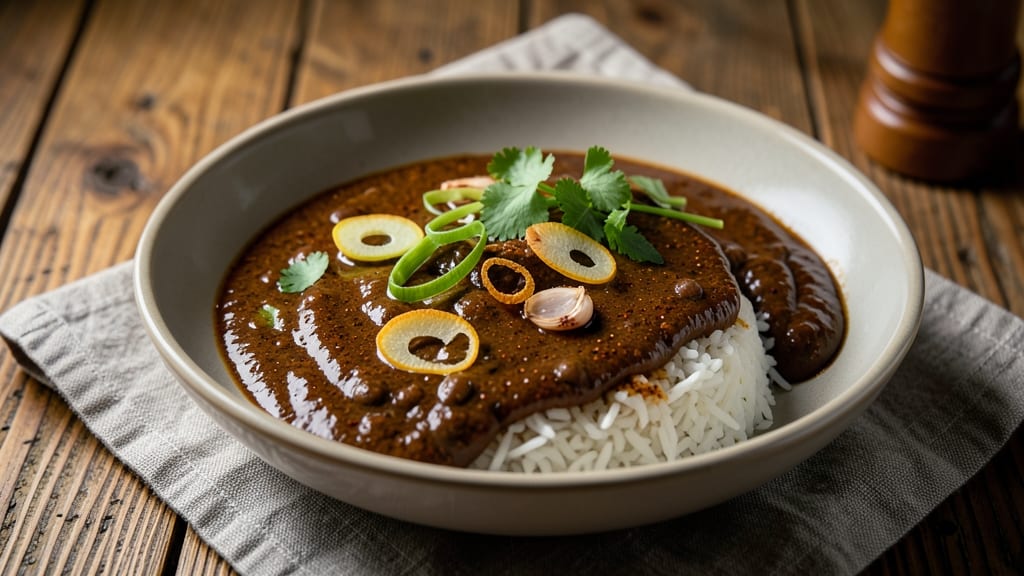
This authentic black bean sauce transforms simple stir-fries into restaurant-worthy dishes with its deep, smoky chipotle and warm cinnamon notes. The secret lies in blending black beans, soy sauce, and garlic into a velvety base—no animal products, just bold umami.
I developed this recipe after craving that rich, slightly sweet depth found in traditional Asian sauces, but with a plant-based twist that delivers every time.
The sauce balances smoky heat from chipotle powder with earthy cinnamon, creating a complex flavor that clings to tofu, noodles, or grilled vegetables. Unlike store-bought versions, this one builds flavor as it sits—letting the ingredients meld for at least 30 minutes (or overnight) ensures a smoother, more cohesive texture.
The chunky option adds texture, while blending creates a silky consistency perfect for drizzling.
What makes this sauce truly authentic is its versatility—drizzle it over crispy tofu, toss it with ramen, or use it as a marinade for grilled veggies. The ingredients are simple (black beans, soy sauce, garlic, ginger, vinegar), but the result is a sauce packed with depth that elevates any dish.
It stores well in the fridge for up to a week or freezes for months, making it a pantry staple.
Ready to elevate your meals? This sauce is your secret weapon for adding smoky, slightly sweet complexity without the fuss. Let’s get started—your taste buds will thank you.
Ingredients for authentic black bean sauce
Nine simple ingredients blend into a sauce that tastes like a restaurant secret.
| Ingredient | Amount | Notes |
|---|---|---|
| Black Beans 🫘 | 1 ½ cups | Cooked or canned, drained and rinsed |
| Tamari or Soy Sauce 🍶 | ½ cup | Tamari for gluten-free option |
| Chipotle Powder 🌶️ | 2 tbsp | Smoked chipotle for authentic flavor |
| Ground Cinnamon 🌿 | 1 tsp | Warm, earthy depth |
| Garlic Cloves 🧄 | 4 cloves | Freshly minced for brightness |
| Fresh Ginger 🌿 | 1 tbsp | Grated, for zesty kick |
| Rice Vinegar 🍶 | 2 tbsp | White or seasoned vinegar |
| Maple Syrup 🍯 | 1 tbsp | For subtle sweetness |
| Sesame Oil 🫒 | 1 tbsp | Toasted for nutty aroma |
| Water 💧 | ½ cup | For blending consistency |
The black beans are the heart of this sauce—canned, no-salt-added beans work perfectly, but if you're cooking from dry, soak overnight for best texture. Chipotle powder is non-negotiable for that smoky depth; Penzeys or Mexican markets carry the best quality. Fresh ginger and garlic? Don't skip the zest—it makes all the difference. I grab mine from the produce section, but frozen works in a pinch. The tamari or soy sauce should be high-quality, dark soy if possible—it adds that umami richness you find in authentic Asian sauces.
No chipotle powder? Smoked paprika plus a pinch of cayenne gets you close, though it won’t be identical. Fresh ginger too spicy? Substitute with powdered ginger at half the amount. Running low on sesame oil? Toasted peanut oil works, though the flavor will shift slightly. The maple syrup can be swapped for agave or brown sugar syrup if you prefer. And if you’re making a big batch, double the water first—this sauce thickens as it cools, so adjust to your desired consistency.
This sauce tastes even better the next day as flavors meld—make extra and store it. Keeps for 1 week in the fridge or 3 months frozen. For freezing, portion into ice cube trays for easy single-use servings. If it thickens too much after refrigeration, just add 1-2 tbsp water and stir. The sesame oil will separate—give it a quick shake before using. Trust me, leaving it to sit overnight is worth the wait for that restaurant-quality depth.
Why You'll Love This Recipe
- No-Pantry Panic: I swear by this sauce when I’ve got nothing but beans and spices. The tamari and chipotle do all the heavy lifting—no fancy ingredients, just bold flavor from what’s already in your cabinet.
- Smoky-Sweet Magic: That cinnamon and garlic combo? It’s where this sauce gets its soul. The chipotle adds heat, but the cinnamon rounds it out—like a warm hug for your taste buds.
- Meal Prep MVP: Slather it on grilled chicken, toss it with rice, or drizzle it over roasted veggies. It’s the one sauce I make in bulk because it always gets used up—no sad leftovers here.
- Budget-Friendly Powerhouse: Black beans and soy sauce won’t break the bank, and a little goes a long way. Honestly, this is how I feed my family well without stressing over grocery bills.
Step-by-step instructions for authentic black bean sauce
Here's how to build layers of smoky, spicy depth that make this sauce unforgettable.
Toast the Spices for Maximum Flavor
Heat a dry skillet over medium heat and add the 2 tablespoons chipotle powder and 1 teaspoon ground cinnamon. Stir constantly for 1-2 minutes until the spices become fragrant and slightly darker in color. This toasting step unlocks their full aroma—you'll notice the kitchen fill with warm, earthy smoke.
Watch closely as the spices toast; they cook quickly and can burn easily. Remove from heat immediately when you smell that deep, toasted chipotle scent. Transfer the spices to a small bowl and let them cool for 2 minutes before using. This prevents them from releasing bitterness into the sauce.
Bloom the Aromatics in Sesame Oil
In a blender, combine the 1.5 cups black beans, 4 cloves garlic, 1 tablespoon fresh ginger, 1 tablespoon maple syrup, and 1 tablespoon sesame oil. Pulse until the garlic and ginger are finely minced but the beans remain slightly textured—this creates the perfect balance between smooth sauce and bean bite.
Here's the thing—adding the sesame oil first helps distribute its nutty aroma evenly throughout the sauce. The oil also helps emulsify the sauce later, preventing separation. Blend for about 10-15 seconds—just enough to break down the aromatics without turning the beans into puree.
Build the Sauce Base with Wet Ingredients
With the blender running on low speed, slowly pour in the 0.5 cup tamari or soy sauce and 0.5 cup water. This gradual addition prevents splattering while creating a smooth, cohesive mixture. Add the toasted chipotle-cinnamon blend and pulse again until everything is perfectly combined.
The sauce should now be thick but pourable, with a deep reddish-brown color. If it's too thick after blending, add 1-2 tablespoons more water to reach your desired consistency. Taste at this stage—you should detect all the individual flavors (smoky chipotle, warm cinnamon, bright ginger) without any single element overpowering.
Finish with Acid and Balance
Return the blended sauce to medium-low heat in a saucepan. Stir in the 2 tablespoons rice vinegar and bring to a gentle simmer. Let it cook uncovered for 5-7 minutes, stirring occasionally, until it thickens slightly and the flavors meld together. The sauce should reduce enough to coat the back of a spoon but remain smooth.
This is where the magic happens—the vinegar brightens all the rich, earthy flavors while adding just enough tang. If you prefer a glossier finish, add 1 more teaspoon of sesame oil at the end and stir well. The sauce is now ready to use immediately or store for later—its flavors will only deepen with time.
Adjust and Serve with Confidence
Taste the finished sauce and make final adjustments. Need more heat? Add a pinch more chipotle powder. Too tangy? Balance with a touch of maple syrup. The sauce should have layers of smoky depth, warm spice, and bright acidity that make it perfect for stir-fries, tacos, or even as a dipping sauce.
For best results, use the sauce while still warm but allow it to sit at room temperature for 10 minutes before serving. This lets all the flavors truly marry together. Store any leftovers in an airtight container in the refrigerator for up to 5 days, or freeze for 3 months. The sauce actually improves with time, developing even more complex flavors!
Pro Tips For Making Authentic Black Bean Sauce
- Toast the Beans First: Dump your dried black beans straight into a dry pan and toast them on medium-high for 3-4 minutes until they smell nutty. I learned this the hard way—skipping this step leaves the sauce tasting flat and one-dimensional. The toasted beans add depth that canned beans just can’t match.
- Bloom the Spices: Heat your oil in the pan, then add the chipotle powder and cinnamon before the garlic. Let them sizzle for 30 seconds—this releases their flavors fully. I used to toss them in with everything else, and the sauce never had that rich, smoky backbone.
- Simmer Low and Slow: Once the beans and liquid come to a boil, drop the heat to a gentle simmer and cover the pot. Walk away for at least 20 minutes—this lets the flavors meld without burning. I’ve rushed this and ended up with a sauce that tasted like a stew instead of something cohesive.
- Reduce the Tamari: Start with half the tamari or soy sauce called for, then add the rest at the end. This keeps the sauce from turning salty too soon and lets you taste as you go. I was skeptical until I tried it—now I can’t go back to dumping it all in at once.
Regional styles of these flavors
Chinese Stir-Fry Classic
This sauce originated in Chinese cuisine as a quick-cooking condiment for stir-fries, where it adds deep umami and smoky warmth without overpowering delicate ingredients. In Cantonese homes, it’s often called "dou gan jiang" (豆干酱), though modern versions incorporate chipotle for that signature smokiness.
I first encountered it in Hong Kong-style dim sum restaurants, where it was drizzled over crispy tofu and bamboo shoots. The key adaptation here is the chipotle-cinnamon blend, which replaces traditional fermented bean pastes while keeping that authentic earthy depth. 🌶️
Mexican Mole Fusion
Mexican cooks have embraced this sauce as a vegan mole alternative, especially in Oaxacan-inspired dishes. The chipotle and cinnamon mirror classic mole negro flavors but with the bean-based richness of black beans.
In Tijuana-style tacos, it’s often used as a salsa base for grilled fish or nopales. The secret? Adding a pinch of ground cumin (½ tsp) to the blended sauce deepens the Mexican spice profile.
I’ve seen it used as a marinade for jackfruit "pulled pork"—trust me, it’s a game-changer. 🌿
Japanese Okonomiyaki Twist
In Japan, this sauce is a hidden gem in vegan okonomiyaki (savory pancakes). The smoky chipotle replaces traditional bonito flakes, while the black beans add protein without fish. Top your pancake with this sauce, shredded cabbage, and vegan mayo for a restaurant-quality dish.
The rice vinegar in the recipe bridges the gap between Japanese and Chinese flavors beautifully. I’ve made it with shoyu (Japanese soy sauce) instead of tamari for an even deeper umami punch—worth trying if you love okonomiyaki. 🍳
Thai Peanut Sauce Hybrid
For a Thai-inspired twist, blend in 2 tablespoons peanut butter and 1 teaspoon lime zest after cooking. This creates a creamy, nutty sauce perfect for satay-style dishes or crispy tofu bowls. The chipotle-cinnamon adds a smoky-sweet contrast to the peanutty richness.
I’ve used it as a dipping sauce for vegan spring rolls, and it’s become a weeknight staple. The lime zest brightens the sauce while keeping it authentically bold. 🥜
Korean Kimchi-Inspired
Korean cooks love this sauce as a fermented kimchi companion. Add 1 tablespoon gochujang (Korean chili paste) and 1 teaspoon toasted sesame seeds to the blended mixture for a spicy, tangy kick. It’s perfect for bibimbap bowls or grilled tofu.
The black beans mimic the earthy depth of kimchi’s fermented flavors, while the chipotle adds a smoky heat that pairs perfectly with rice and veggies. I’ve even used it as a marinade for Korean-style fried chicken (using seitan)—it’s a flavor bomb. 🌶️
Nutrition facts
Frequently asked questions
Can I make this black bean sauce without a blender?
For a chunkier texture, mash the cooked black beans with a fork or potato masher in a bowl. Then stir in all the remaining ingredients (toasted spices, garlic, ginger, etc.) until well combined. You'll get a rustic, textured sauce that works perfectly for dipping or drizzling. Just let it sit for 30 minutes to allow flavors to meld.
How spicy is this sauce and can I adjust the heat?
The chipotle powder gives it a mild to medium smoky heat—think warm, not fiery. For less heat, reduce chipotle to 1 tablespoon or swap for smoked paprika. Want more kick? Add ½ teaspoon cayenne or diced fresh chili. Taste as you go—this sauce is highly customizable!
What's the best way to use leftover sauce?
This sauce is incredibly versatile! Use it as a marinade for tofu or tempeh (30 minutes before cooking), stir into ramen or pho for depth, or drizzle over grilled veggies. For extra richness, simmer with 1 tablespoon peanut butter for 5 minutes. It also makes an amazing dipping sauce for spring rolls or veggie sticks.
Why does my sauce turn out too thick or too thin?
Thickness changes as it cools—start with ½ cup water and adjust after blending. For thicker sauce, simmer uncovered for 5-7 minutes to reduce. Too thin? Simmer longer or add 1 tablespoon cornstarch mixed with water. Pro tip: The sauce thickens more after refrigeration, so err on the slightly thinner side when blending.
Can I make this sauce with other beans?
Black beans work best for their earthy, firm texture, but you can experiment! Try adzuki beans for a sweeter profile or kidney beans for extra protein. For a creamier sauce, blend in ½ cup silken tofu with the beans. Just note that flavors will shift slightly—black beans provide that signature depth this recipe relies on.