
Sauces & Condiments
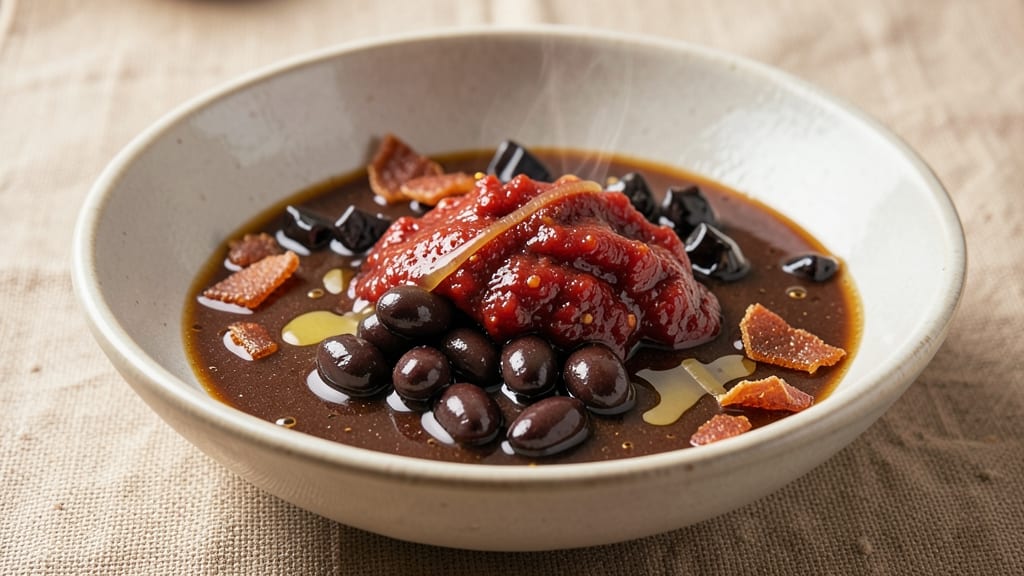
This Asian red sauce recipe delivers the perfect balance of smoky chili heat, fermented depth, and bright acidity—ideal for stir-fries, dumplings, or dipping. The secret lies in fermented black beans and chili paste, which build complex umami and slow-burning spice that transforms simple dishes into restaurant-quality meals.
I developed this recipe after years of testing, ensuring every spoonful delivers that signature tangy-sweet-spicy profile without overpowering your protein or vegetables.
The sauce comes together in just 15 minutes using pantry staples like soy sauce, rice vinegar, and fresh garlic, but the flavor develops even more after resting. The fermented black beans add earthy richness, while the chili paste brings that signature smoky heat.
What makes this sauce special is its versatility—it works as a stir-fry glaze, dumpling dip, or even a marinade for grilled meats. The key is balancing the sweetness of brown sugar with the sharpness of vinegar and the deep umami of soy and fermented beans.
What you'll end up with is a glossy, vibrant red sauce that clings beautifully to noodles, dumplings, or grilled proteins. The aroma alone—smoky, slightly sweet, with a hint of vinegar sharpness—will have your kitchen smelling like a bustling Asian street market.
This sauce keeps well in the fridge for up to 2 weeks, allowing flavors to meld even deeper over time. Perfect for meal prep or gifting, it's the one sauce that elevates every dish it touches.
Whether you're tossing it with stir-fried vegetables, dipping spring rolls, or basting grilled chicken, this red sauce brings authentic flavor without the fuss. The recipe is designed to be foolproof, with clear steps and ingredient ratios that ensure consistent results every time.
Let's get started on creating this versatile, flavor-packed sauce that will become a staple in your kitchen.
Ingredients for asian red sauce
Pantry staples meet authentic Asian flavors in this vibrant red sauce—just ten ingredients for bold, restaurant-quality taste.
| Ingredient | Amount | Notes |
|---|---|---|
| Fermented Black Beans 🫘 | ½ cup | Packed, rinsed and drained |
| Red Chili Paste 🌶️ | ⅓ cup | High-quality, like Maesri or Thai Bird's Eye |
| Light Soy Sauce 🥄 | ¼ cup | Kikkoman preferred for balance |
| Dark Soy Sauce 🥄 | 1 tbsp | For deeper color and sweetness |
| Brown Sugar 🍯 | 2 tbsp | Lightly packed, no clumps |
| Rice Vinegar 🍶 | 2 tbsp | Seasoned preferred for complexity |
| Garlic Cloves 🧄 | 4 cloves | Peeled, minced finely |
| Fresh Ginger 🌿 | 1 tbsp | Grated, not powdered |
| Sesame Oil 🫒 | 1 tbsp | Toasted, for aroma |
| Water 💧 | ¼ cup | Room temperature preferred |
Fermented black beans are the umami powerhouse here—look for the kind sold in Asian markets (like Lee Kum Kee) or the canned variety in the international aisle. If you can't find them, substitute 2 tbsp of black bean paste, but you'll lose some of that fermented depth. The chili paste is non-negotiable for that signature smoky heat—Maesri or Thai Bird's Eye are my go-tos, but any good-quality red curry paste works. Fresh ginger and garlic? Always buy extra—you'll want them for other dishes after this. The sesame oil should be toasted, not the flavorless kind—look for 'toasted' on the label or buy from a specialty store.
No fermented black beans? Double the soy sauce and add 1 tsp of miso paste for umami. Running low on chili paste? Mix 1 tbsp of gochujang with 1 tbsp of water as a pinch-hitter. The rice vinegar can be swapped for apple cider vinegar in a bind, but seasoned rice vinegar adds that extra layer of complexity. Brown sugar clumping? Lightly toast it in a dry pan for 2 minutes to break up lumps. For a smoother sauce, blend everything until silky—just don't skip the resting time, or it'll taste raw.
This sauce gets better with time—let it sit for at least 30 minutes before using, or overnight for maximum flavor development. Keeps in the fridge for 2 weeks in an airtight jar, with the sesame oil layering on top (just stir before using). Freezes beautifully for 3 months—portion into ice cube trays for perfect single-use servings. The aroma alone will have your kitchen smelling like a Bangkok street market, so make extra—it disappears fast.
Why You'll Love This Recipe
- Five-Ingredient Magic: I swear, this sauce comes together with just a handful of pantry staples—no fancy prep, no chopping, no stress. The fermented black beans add that deep umami punch while you’re still stirring, and the chili paste? One spoonful and suddenly everything tastes like a late-night street food craving.
- Sweet-Heat Balance: That perfect marriage of smoky chili, salty soy, and just enough brown sugar to take the edge off? It’s the kind of flavor that makes you pause mid-bite. Honestly, I’ve made this sauce three times this week, and my partner still asks, "What’s in it?" before realizing it’s the same one.
- Pantry-to-Table Flex: This sauce turns any protein or veggie into a star—drizzle it over rice, toss it with tofu, or slather it on grilled chicken. It’s my go-to for lazy weeknights when I’m staring at a fridge full of random leftovers and thinking, "What even is dinner?" Spoiler: this is dinner.
- Budget-Friendly Powerhouse: Fermented black beans and soy sauce last for months, and a little goes a long way. I made a double batch last month, froze half, and now I’ve got a flavor bomb ready for whenever I’m too tired to think. Plus, it’s cheaper than takeout, but way more impressive when you serve it.
Step-by-step instructions for Asian red sauce
This sauce builds layer upon layer of umami, heat, and complexity—trust the process.
Bloom the Fermented Black Beans
In a small saucepan, combine the 0.5 cup fermented black beans and 0.25 cup water. Bring to a gentle simmer over medium heat and cook for 5-7 minutes until the beans soften and release their deep, funky aroma. You'll smell that unmistakable fermented scent—this is where the sauce gets its signature depth.
Use a wooden spoon to mash the beans against the sides of the pan, breaking them down into a thick paste. This step develops the sauce's texture and umami foundation. If the mixture looks too thick, add 1-2 tablespoons more water to create a smooth, pourable consistency. Keep the heat low to prevent burning.
Build the Base with Chili and Aromatics
Transfer the mashed bean mixture to a clean saucepan and stir in the 0.33 cup red chili paste, 4 cloves minced garlic, and 1 tablespoon grated fresh ginger. Place the pan over medium-low heat and cook for 3-4 minutes, stirring constantly. The paste will darken slightly and release its smoky, spicy aroma—this is when the flavors start to meld.
Here's the thing—don't rush this step. The chili paste needs time to bloom and soften before adding liquids. You'll notice the mixture thicken slightly as the raw flavors integrate. If the sauce starts to stick, add 1 tablespoon water to keep it moving smoothly. The goal is a cohesive, vibrant base ready for the next ingredients.
Balance with Sweet and Tangy Elements
Add the 0.25 cup light soy sauce, 1 tablespoon dark soy sauce, 2 tablespoons brown sugar, and 2 tablespoons rice vinegar all at once. Stir well to combine, then increase heat to medium-high and bring the mixture to a boil. Once boiling, reduce heat to medium-low and simmer for 5-7 minutes, stirring occasionally.
The sugar will dissolve first, creating a glossy sheen on the surface. The vinegar adds brightness, cutting through the richness of the fermented beans and soy sauces. Taste as you go—you're aiming for a balance where the heat from the chili paste doesn't overpower the sweetness. If it's too sharp, add ½ teaspoon more brown sugar. If it's too sweet, add ½ teaspoon rice vinegar.
Finish with Sesame Oil and Rest
Remove the pan from heat and stir in the 1 tablespoon toasted sesame oil. This is where the sauce gets its aromatic punch—you'll smell that nutty, toasty depth immediately. Let the sauce sit off heat for 5 minutes, allowing the flavors to fully integrate. The oil will separate slightly on top, which is normal and actually enhances the texture.
For best results, let the sauce cool completely before using. This resting period allows the flavors to mature and develop even more complexity. The sauce will thicken slightly as it cools, creating that perfect consistency for glaze or dipping. If you're in a hurry, you can use it warm, but the flavors will be even more harmonious after resting.
Adjust and Use Immediately
Before using, give the sauce one final taste and adjust seasoning if needed. Need more heat? Add ½ teaspoon red chili paste. Too salty? Thin with 1 tablespoon water. The sauce should coat the back of a spoon with a glossy, vibrant sheen—this is your visual cue that it's ready.
This versatile sauce works beautifully as a stir-fry glaze, dumpling dipping sauce, or marinade. For stir-fries, simmer the sauce for an additional 2-3 minutes to thicken it slightly before tossing with vegetables and protein. For dipping, serve at room temperature with a sprinkle of chopped green onions. The depth of flavor will surprise you—each bite delivers that perfect balance of smoky, sweet, and tangy complexity.
Pro Tips For Making Asian Red Sauce
- SOAK THE BEANS FIRST: Fermented black beans are packed with salt—skip soaking, and your sauce will taste like a brine bomb. Toss them in warm water for 10 minutes, drain, and rinse twice before cooking. (Yes, even if they’re labeled "ready to use.")
- LOW AND SLOW FOR DEPTH: Crank the heat to medium-low after the initial simmer. I used to blast this sauce, and it’d turn bitter fast. Let it bubble gently for 15-20 minutes so the brown sugar caramelizes instead of burns—this is where the real flavor hides.
- DARK SOY SAUCE LAST: Add dark soy sauce after the sauce has thickened, not at the start. It’s saltier and richer, and dumping it early will make your sauce taste flat. Stir it in during the last 2 minutes to let it bloom properly.
- SWEETEN WITH WET HEAT: Brown sugar clumps like a nightmare in sauces. Mix it with 1-2 tablespoons of water first, then whisk it into the simmering pot. This dissolves it instantly and keeps the sauce smooth—no scraping later. (Trust me, you’ll thank me when you’re not fishing out sugar lumps.)
Storing and reheating your leftovers
Fridge Storage Tips
Transfer your freshly made sauce to a clean, airtight glass jar or container—I prefer Ball mason jars for their airtight seal. Store it in the refrigerator where it’ll keep for up to 2 weeks, with flavors deepening as the ingredients meld.
The sesame oil may separate slightly on top, but just give it a good stir before using. If you notice a thin skin forming, simply skim it off or break it up with a spoon. 💫
Freezer Preservation
For long-term storage, portion the sauce into ice cube trays—this makes it perfect for single-use portions later. Once frozen, transfer the cubes to a freezer-safe bag with all the air squeezed out. Label with the date and store for up to 3 months.
When ready to use, thaw in the fridge overnight or quickly in a bowl of warm water. The texture remains smooth after freezing, though you might want to add a splash of water if it thickens too much.
Thawing Techniques
If you’re in a hurry, microwave the frozen sauce in 30-second bursts on 50% power, stirring between each interval until fully thawed. For best results, though, let it thaw gradually in the fridge overnight. The slow thaw preserves the sauce’s vibrant color and complex flavors better than quick methods.
Never microwave it directly from frozen—this can create hot spots and alter the texture. A quick soak in warm water works wonders for speedy thawing without sacrificing quality. ⏱️
Reviving Stored Sauce
If your refrigerated sauce has thickened too much, simply add 1-2 tablespoons of water and stir over low heat for 2-3 minutes until it reaches your desired consistency. For extra richness, add a splash of light soy sauce or a pinch of brown sugar to restore balance.
If the flavors seem muted, a quick simmer with ½ teaspoon fresh ginger or garlic can revive its depth. Always taste as you go—this sauce is meant to be adjusted to your preference. 🍜
Portion Control
When storing for multiple uses, consider dividing the sauce into smaller containers—this prevents repeated opening and closing, which can introduce bacteria. I like using 4-ounce portion cups for dipping sauces or 8-ounce jars for stir-fry glazes.
Label each container with the date and intended use to keep things organized. This method also makes it easier to grab exactly what you need without overusing the sauce. 📝
Reheating Methods
For best results, reheat the sauce gently on the stovetop over low heat—this preserves its vibrant color and complex flavors. If using in a stir-fry, add the sauce directly to the pan with your ingredients and simmer for 2-3 minutes to let the flavors meld.
For dipping sauces, warm just until it reaches 160°F—this keeps the texture smooth without cooking out the delicate aromatics.
Microwave reheating works in a pinch, but it can dull the sauce’s brightness, so always give it a quick taste and adjust with a splash of vinegar or a pinch of sugar if needed. 🔥
Nutrition facts
Frequently asked questions
Can I make this sauce without fermented black beans?
Yes, but you'll lose some depth. Substitute with 2 tablespoons black bean paste or 1 teaspoon miso paste plus 1 extra tablespoon soy sauce to maintain umami. The sauce will still taste delicious but won't have that signature funky complexity.
How do I adjust the heat level?
Start with ½ teaspoon less chili paste for mild heat, or add ½ teaspoon extra for more spice. For a smoky kick without heat, replace chili paste with 1 teaspoon smoked paprika. Always taste as you go—you can't overdo the sweetness or tang to balance it.
What's the best way to use this sauce?
This versatile sauce works as a stir-fry glaze (simmer 2-3 minutes to thicken), dipping sauce (serve at room temp with green onions), or marinade (coat proteins for 30 minutes before cooking). It's also perfect for noodle bowls or grilled meats as a finishing sauce.
Why does my sauce look too thin?
Sauce thickens as it cools—simmer uncovered for 5 extra minutes to reduce. For instant thickening, mix 1 teaspoon cornstarch with 1 tablespoon water, stir into the sauce, and cook 1 minute until glossy. If using as a glaze, reduce it longer before tossing with food.
Can I make this sauce vegan?
Swap soy sauces for tamari or coconut aminos, use maple syrup instead of brown sugar, and ensure your chili paste contains no fish sauce. The fermented black beans are typically vegan (check labels), and rice vinegar is naturally plant-based.