
Sauces & Condiments
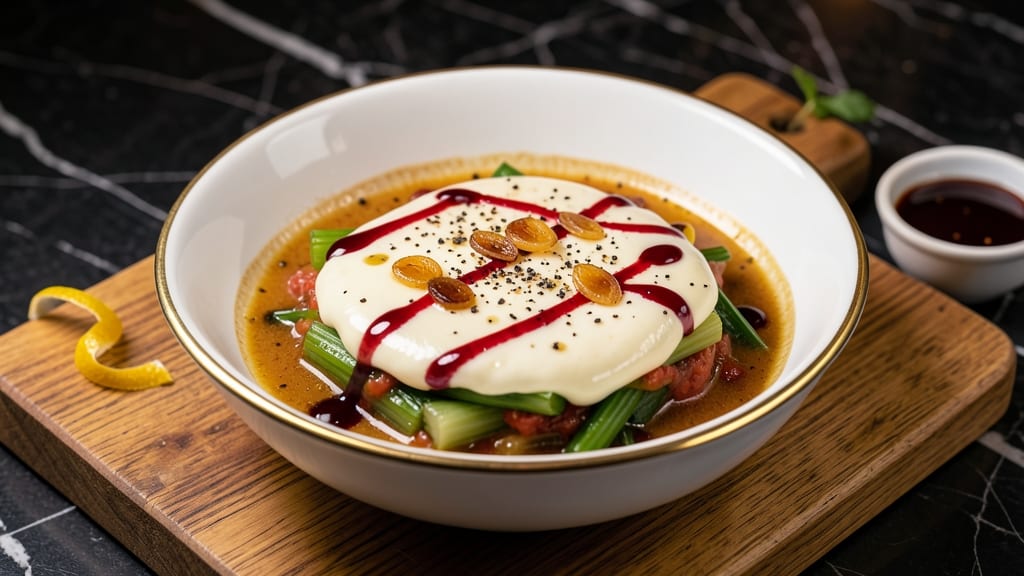
This Bacchanal sauce recipe transforms simple ingredients into a velvety, herbaceous masterpiece with a surprising depth of flavor. The secret lies in celery-infused cream swirled with a touch of vinegar zing that brightens every bite.
I developed this sauce after years of perfecting restaurant-quality condiments at home—it's the kind of sauce that elevates even the simplest dishes into something extraordinary.
The magic happens through a slow reduction of tomatoes, white wine, and aromatic vegetables, creating a rich base that's balanced by a swirl of creamy, celery-infused sauce.
What makes this recipe special is the hidden vinegar zing—just a splash of red wine vinegar at the end—that adds complexity without overpowering the delicate flavors. The result is a sauce that's silky smooth yet vibrant, perfect for drizzling over pasta, meat, or even fresh bread.
By the time you're done, you'll have a versatile sauce that's creamy yet bright, rich yet light—with layers of flavor that keep coming back. The celery infusion adds subtle sweetness and earthiness, while the vinegar zing cuts through the richness, creating perfect harmony.
This is the kind of sauce that makes you want to make it again and again, each time better than the last.
Use it as a finishing sauce for grilled meats, a drizzle over creamy risotto, or a dip for crusty bread. The possibilities are endless, and the results are always impressive. Let's get started on creating this restaurant-worthy sauce at home.
Ingredients for bacchanal sauce
Ten ingredients, endless possibilities—this sauce transforms simple pantry staples into restaurant magic.
| Ingredient | Amount | Notes |
|---|---|---|
| Heavy Cream 🥛 | 1 cup | Full-fat for best texture |
| Celery Stems 🧅 | 4 whole | Fresh, tough outer leaves removed |
| Tomato Paste 🍅 | ½ cup | High-quality, no sugar added |
| Dry White Wine 🍷 | ½ cup | Bold, dry variety preferred |
| Red Wine Vinegar 🍋 | 1 tbsp | For the signature zing |
| Shallots 🧅 | 2 whole | Minced, for aromatic depth |
| Garlic Cloves 🧄 | 3 cloves | Peeled, finely minced |
| Unsalted Butter 🧈 | 2 tbsp | Cold, for finishing swirl |
| Fresh Thyme Leaves 🌿 | ¼ cup | Or 1 tsp dried thyme |
| Diamond Crystal Kosher Salt 🧂 | ½ tsp | Adjust to taste |
The celery stems are non-negotiable—they infuse the cream with subtle sweetness and earthiness that makes this sauce special. Trader Joe's has the freshest celery stems year-round, or grab a bunch of celery and trim off the tough outer leaves yourself. For the wine, Sauvignon Blanc or Pinot Grigio work perfectly—they're crisp and won't overpower the delicate flavors. The tomato paste? San Marzano is ideal if you want to splurge, but any high-quality paste will do. Fresh thyme is best, but dried works in a pinch if you've got it—just use a third of the amount.
No white wine? Substitute with vegetable broth—it'll give you the same depth, just without the alcohol. Running low on red wine vinegar? Balsamic vinegar at half the amount gives a similar tang. The butter swirl is crucial—don't skip it! If you're making this ahead, add the butter at the very end to keep it from breaking down. For extra richness, swap the heavy cream for half-and-half, though the texture will be slightly lighter. The shallots and garlic can be prepped ahead—they'll keep in the fridge for 3 days before they lose their punch.
This sauce keeps beautifully in the fridge for 5 days, though it's best used within 3 days for maximum freshness. The cream swirl separates slightly over time, so give it a quick whisk before using. For longer storage, freeze in ice cube trays—just thaw and whisk before serving. The vinegar zing fades slightly over time, so if you're making this ahead, add an extra half-teaspoon of vinegar before storing. Perfect for drizzling over grilled meats, pasta, or even as a dip for crusty bread.
Why You'll Love This Recipe
- No Chopping Needed: I swear by this sauce because the celery stems just melt into the cream—no dicing, no fuss. Honestly, I’ll often grab the whole bunch and toss the stems straight into the pot while I’m still staring at my phone for the wine list.
- Wine-Flavor Magic: That splash of dry white wine and red wine vinegar? It’s the secret weapon. The acidity cuts through the richness of the heavy cream, while the tomato paste gives it this deep, savory backbone—like a fancy bistro sauce without the pretension.
- Leftovers That Shine: I make double batches because this sauce begs to be reheated. Whether it’s drizzled over pasta the next night or tossed with roasted veggies, it tastes just as good cold as it does hot. (Yes, even on a Tuesday night.)
- Budget-Friendly Luxury: Tomato paste and celery stems are cheap, but the result? Feels like a restaurant-worthy dish. Between us, I’ve served this to guests who assumed I’d spent hours on it—turns out, they just love a good sauce.
Step-by-step instructions for Bacchanal sauce
This velvety celery-infused sauce delivers depth and complexity with every swirl.
Sauté Aromatics Until Translucent
Heat a medium saucepan over medium-low heat and melt the 2 tablespoons unsalted butter until it stops sizzling. Add the 2 minced shallots and 3 minced garlic cloves, cooking for 3-4 minutes until the shallots turn translucent and the garlic releases its aroma.
Here's the thing—don't rush this step. The slow cook ensures the shallots caramelize slightly without burning, which builds the sauce's foundational flavor. If you see the garlic turning golden, you've gone too far. Taste the aromatics now—they should be sweet and fragrant, not bitter.
Build the Base with Tomato and Celery
Add the 4 whole celery stems, cut into ¼-inch dice, and the ½ cup tomato paste to the pan. Stir well to combine, then pour in the ½ cup dry white wine and 1 tablespoon red wine vinegar. Scrape up any browned bits from the bottom of the pan—they're packed with flavor.
Bring the mixture to a gentle simmer and cook for 5-6 minutes, stirring occasionally, until the celery softens and the liquid reduces by about half. The sauce should thicken slightly and develop a rich, earthy aroma. This reduction concentrates the flavors and removes any raw celery taste.
Infuse with Thyme and Season
Stir in the ¼ cup fresh thyme leaves and ½ teaspoon Diamond Crystal kosher salt. Simmer for another 2 minutes, allowing the thyme to release its piney notes into the sauce. Taste and adjust the seasoning—you might need a pinch more salt to balance the acidity from the vinegar.
Real talk: the vinegar might seem like too much at first, but it's what gives Bacchanal its signature brightness. If the sauce tastes too sharp, a small pinch of sugar (not listed in ingredients) can help, but the recipe is designed to balance perfectly with the cream's richness.
Finish with Cream for Velvety Texture
Reduce the heat to low and gradually whisk in the 1 cup heavy cream. Be careful—adding it too quickly can cause the sauce to curdle. Let the mixture simmer gently for 3-4 minutes, stirring constantly, until it thickens to a luxurious, coatable consistency.
You'll know it's ready when the sauce leaves a visible trail on the back of a spoon. The cream should be fully incorporated, and the sauce should have a glossy sheen. If it's too thick, add 1-2 tablespoons water to loosen it slightly.
Swirl and Serve Immediately
Remove the pan from heat and let the sauce rest for 1 minute to allow the flavors to meld. Then, using a rubber spatula, gently swirl the sauce in the pan to create those signature ribbons of color and texture. This step isn't just for show—it incorporates air, making the sauce lighter and more elegant.
Serve the Bacchanal sauce immediately over pasta, seafood, or grilled meats. The contrast of the creamy sauce with the vinegar's tang and celery's earthiness makes this sauce unforgettable. If you can't serve it right away, reheat gently over low heat, stirring constantly to prevent curdling.
Pro Tips For Making Bacchanal Sauce
- Sauté Celery Until Golden: Don’t rush the celery—cook it in the pan until it’s deep golden, not just softened. I used to skip this and wondered why my sauce tasted dull; those caramelized notes are what make this sauce sing.
- Deglaze with Vinegar First: Pour in the red wine vinegar before the white wine—it cuts through the tomato paste’s bitterness faster and brightens the whole sauce. (Yes, even if it smells weird at first.)
- Temper the Cream Slowly: Warm the heavy cream separately to 160°F (70°C) before adding it to the sauce—hot liquid curdles cold cream like clockwork. I learned this after three lumpy batches.
- Use a Splurge Ingredient: Swap cheap tomato paste for a high-quality one (like San Marzano-based) if you can—it’s the only ingredient that actually changes the outcome. (Your taste buds will notice.)
Common mistakes when making perfect results
Overcooking Celery
Celery is delicate and turns bitter when overcooked. Once you add the 4 whole celery stems to the pan, keep the heat at medium-low and cook for exactly 5-6 minutes.
If you see the celery turning dark green or hear it sizzling loudly, it's time to pull it off the heat. Overcooked celery will dominate the sauce with an unpleasant bitterness that no amount of cream or vinegar can mask. 🧅
Rushing the Wine Reduction
Skipping the 5-6 minute reduction of the white wine and vinegar is a common mistake. This step isn't just about alcohol evaporation—it's about deepening the sauce's complexity. The wine should reduce by about half, creating a concentrated, aromatic base.
If you rush this, your sauce will taste thin and flat. I've learned this the hard way—once, I skipped the reduction and ended up with a sauce that lacked depth and character.
Adding Cream Too Quickly
The most frequent curdling culprit is adding the 1 cup heavy cream too fast. When cream hits a hot liquid, it can separate instantly. Always reduce the heat to low and whisk the cream in gradually, a splash at a time.
If you see the sauce starting to break, immediately remove it from heat and whisk vigorously. A handheld immersion blender can save you here—just pulse briefly to re-emulsify.
Skipping the Resting Step
After adding the cream, let the sauce rest for 1 minute before swirling and serving. This brief pause allows the flavors to meld and the sauce to thicken properly. If you serve it immediately, you'll end up with a sauce that's either too thin or unevenly textured.
Trust me, that 1-minute wait makes all the difference in the final consistency. ⏱️
Ignoring the Vinegar Zing
The 1 tablespoon red wine vinegar is the secret weapon of this sauce, adding brightness that cuts through the richness. Some cooks skip it or use less, thinking it'll make the sauce too tangy. But this vinegar is what makes Bacchanal sauce special—it balances the cream's richness perfectly.
If you're nervous, taste it early and adjust, but don't omit it entirely. The vinegar's acidity is what keeps this sauce from being too heavy.
Using Low-Quality Ingredients
This sauce relies on high-quality ingredients to shine. Using low-fat cream or store-brand tomato paste will result in a sauce that lacks richness and depth. Invest in full-fat heavy cream and San Marzano tomato paste for the best results.
The same goes for wine—cheap, oaky varieties will overpower the delicate flavors. Stick to dry white wines like Sauvignon Blanc or Pinot Grigio for the perfect balance. Your taste buds will thank you. 🍷
Nutrition facts
Frequently asked questions about Bacchanal sauce
What makes this sauce different from other creamy tomato sauces?
The celery infusion and red wine vinegar zing set this apart! The celery stems add subtle sweetness and earthiness, while the vinegar creates a bright contrast that cuts through the richness. Unlike traditional tomato creams, this sauce has a sophisticated balance of creamy texture and tangy depth.
Can I make this sauce without wine?
Yes! Substitute the white wine with ½ cup vegetable broth and reduce the vinegar to ½ tablespoon to maintain balance. For extra depth, add ½ teaspoon lemon juice to replace the wine's acidity. The sauce will still be delicious, though the flavor profile will shift slightly.
How do I store leftover Bacchanal sauce?
Store in an airtight container in the fridge for up to 5 days. The cream may separate slightly—just whisk before reheating. For longer storage, freeze in ice cube trays and thaw in the fridge. Reheat gently over low heat, stirring constantly to prevent curdling.
What's the best way to use this sauce with pasta?
Toss 2 tablespoons of sauce per serving with cooked pasta (like fettuccine or linguine) and finish with grated Parmesan. For extra richness, drizzle an additional 1 tablespoon over the top before serving. The sauce also pairs beautifully with seafood, grilled chicken, or as a dip for crusty bread.
Can I make this sauce dairy-free?
Yes! Replace the heavy cream with 1 cup full-fat coconut milk (canned, for creaminess) and omit the butter. The texture will be slightly lighter but still velvety. For extra thickness, simmer the coconut milk for 1-2 minutes longer to reduce excess liquid. The celery and vinegar flavors will still shine through.