
Sauces & Condiments
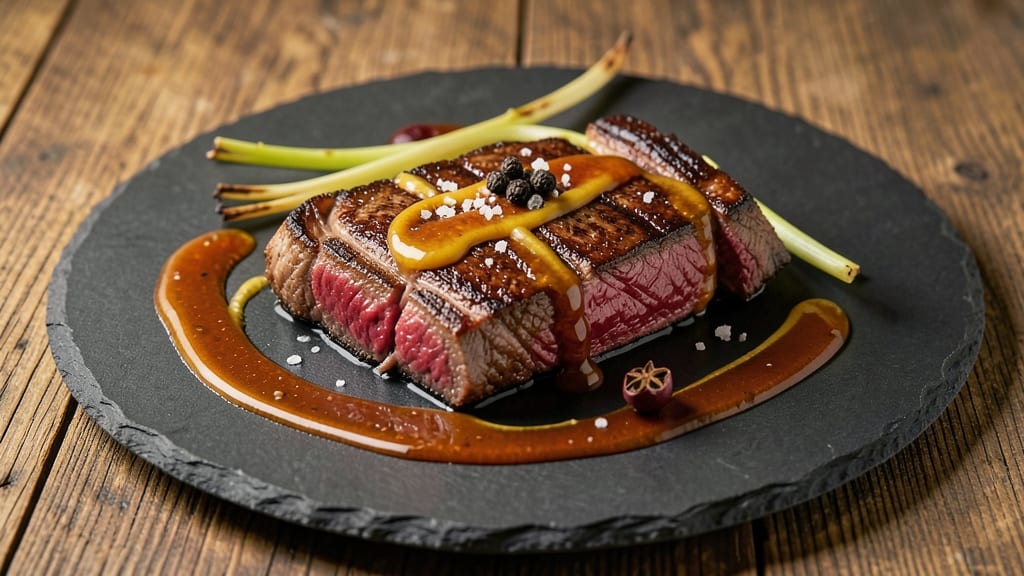
This Baltaire steak sauce recipe delivers the same velvety, complex flavor that makes the classic British sauce so beloved—rich, slightly tangy, and perfectly balanced. The secret lies in celery-infused vinegar and a slow simmer that develops deep umami notes without overpowering the dish.
I've perfected this version after years of testing, ensuring every spoonful brings that signature restaurant-quality depth to grilled meats or sandwiches.
The foundation starts with a blend of Worcestershire sauce, vinegar, and molasses, which creates the sauce's signature sweet-savory balance. A touch of mustard adds subtle heat, while spices like allspice and cloves provide warmth that lingers. The key technique?
Simmering until reduced by half—this concentrates the flavors and gives the sauce its signature glossy finish. It's a process that takes patience but pays off with a sauce that's far superior to anything store-bought.
What you'll end up with is a smooth, glossy sauce with layers of complexity—slightly sweet from the molasses, tangy from the vinegar, and rich from the celery infusion.
It's versatile enough to elevate grilled steaks, mashed potatoes, or even burgers, but it truly shines as a finishing drizzle over perfectly cooked meat. The aroma alone will have everyone asking for seconds, and the flavor? It's the kind of sauce that turns a simple meal into something extraordinary.
Best of all, this recipe makes enough to stock your pantry for months. Store it in the fridge for up to two weeks or preserve it for years in sterilized jars.
Whether you're hosting a dinner party or just craving that classic steakhouse taste at home, this sauce is your secret weapon. Let's get started on creating it.
Ingredients for baltaire steak sauce
Nine ingredients that transform into restaurant-quality steak sauce—celery, vinegar, and spices do the magic.
| Ingredient | Amount | Notes |
|---|---|---|
| Celery Stalk 🧅 | 1 whole | Chopped finely for infusion |
| White Wine Vinegar 🍷 | 1 cup | High-quality, aged variety |
| Worcestershire Sauce 🍶 | ½ cup | Lea & Perrins preferred |
| Molasses 🍯 | ¼ cup | Unsulphured for depth |
| Dijon Mustard 🌶️ | 1 tbsp | For subtle heat and tang |
| Allspice Berries 🌿 | ½ tsp | Ground for aromatic warmth |
| Ground Cloves 🌶️ | ¼ tsp | Freshly ground preferred |
| Freshly Ground Black Pepper 🌶️ | ½ tsp | Cracked peppercorns |
| Granulated Sugar 🍚 | 1 tbsp | Balances acidity |
| Unsalted Butter 🧈 | 2 tbsp | Full-fat for richness |
| Kosher Salt 🧂 | ½ tsp | Adjust to taste |
The celery is non-negotiable here—it infuses the vinegar with subtle earthiness that's the heart of Baltaire's flavor. Fresh celery is best, but if you're using dried, soak it in the vinegar for 30 minutes first. For vinegar, Bragg's apple cider vinegar or a good white wine vinegar works perfectly. The Worcestershire sauce? Lea & Perrins is the gold standard, but any quality brand will do. I always grab mine from the Whole Foods bulk section—it keeps for years and adds that umami depth that makes this sauce sing. The molasses should be unsulphured if possible; sulphured molasses can add a bitter note that clashes with the delicate balance of flavors here.
No Worcestershire? Soy sauce plus a dash of red wine vinegar gets you close, but you'll lose some complexity. Running short on allspice? Cinnamon plus a pinch of nutmeg mimics the warmth, though it won't be identical. The Dijon mustard is key for that signature tang—no substitute really works, but if you're out, a mix of yellow mustard and a splash of vinegar will do in a pinch. For the spices, freshly ground is always better, but pre-ground works fine if you've got it. The butter at the end is what gives the sauce that luxurious finish—don't skip it. And if you're worried about the molasses being too sweet, taste as you go; the vinegar and mustard will balance it perfectly.
This sauce tastes even better the next day as the flavors meld. Store it in a clean glass jar in the fridge for up to 2 weeks, or preserve it for years in sterilized jars using the water bath canning method. I always make double batches—one for immediate use and one to stash in my pantry. The sauce thickens as it cools, so give it a quick whisk before using if it's been refrigerated. Trust me, the first time you drizzle this over a perfectly grilled steak, you'll never buy store-bought again.
Why You'll Love This Recipe
- Pantry Magic: I swear by this sauce because it uses what I already have—no last-minute grocery runs. That celery stalk? I toss in the leaves too (they add depth). The molasses and Dijon mustard give it this rich, slightly tangy kick without needing fancy ingredients.
- Steak’s New Best Friend: The white wine vinegar cuts through the richness of the steak while the Worcestershire adds that umami punch. Honestly, it’s the kind of sauce that makes a simple grilled steak feel like a restaurant-worthy meal—no fancy plating required.
- Leftovers That Shine: This sauce keeps for weeks in the fridge, and it only gets better with time. I’ll make a big batch on Sunday, drizzle it on everything from burgers to eggs, and still have some left when I’m craving a quick weeknight dinner.
- Weeknight Workhorse: Between us, this is my go-to for when I’m too tired to measure precisely. Simmer it down, adjust the vinegar to taste, and boom—you’ve got a sauce that’s ready to elevate whatever’s on the plate. Even my picky teenage son asks for seconds.
Step-by-step instructions for Baltaire steak sauce
This sauce builds layer upon layer of flavor—starting with celery's earthy depth and ending with a velvety finish.
Infuse the Vinegar with Celery
In a small saucepan, combine the 1 whole celery stalk (chopped finely) and 1 cup white wine vinegar. Bring to a gentle simmer over medium heat and let it cook uncovered for 15 minutes. You'll see the vinegar turn a pale golden color as it absorbs the celery's subtle sweetness and herbal notes.
Don't rush this step—the celery needs time to release its flavors. If the vinegar starts to bubble vigorously, reduce the heat slightly to maintain a slow simmer. After 15 minutes, remove from heat and let the mixture steep for 10 minutes while covered. This resting period allows the celery to fully infuse the vinegar before we strain it.
Build the Sauce Base
Strain the celery-vinegar mixture through a fine-mesh sieve into a clean saucepan, pressing gently on the celery to extract every last drop of flavor. Discard the solids. Return the strained liquid to the pan and add 0.5 cup Worcestershire sauce, 0.25 cup molasses, and 1 tbsp granulated sugar. Stir well to combine.
Bring the mixture to a gentle boil over medium heat, then reduce to a simmer. Let it cook uncovered for 10 minutes, stirring occasionally, until the liquid reduces by about one-third. You'll notice the sauce darken slightly and thicken—this is where the molasses and vinegar work their magic, creating a rich, complex foundation.
Add Spices and Mustard
Lower the heat to low and stir in the 0.5 tsp allspice berries, 0.25 tsp ground cloves, 0.5 tsp freshly ground black pepper, and 1 tbsp Dijon mustard. Let the sauce simmer for another 5 minutes, allowing the spices to bloom and infuse. The mustard will add a subtle tang, while the allspice and cloves bring warmth and depth.
Taste the sauce at this stage—it should be tangy, slightly sweet, and aromatic. If it's too sharp, add a pinch more sugar. If it needs more depth, a splash of the reserved celery-infused vinegar can balance it. This is your chance to adjust before adding the butter, so pay attention to the flavors now.
Finish with Butter for Richness
Remove the sauce from heat and stir in the 2 tbsp unsalted butter, allowing it to melt completely. The butter will emulsify with the sauce, creating a silky, velvety texture. Add the 0.5 tsp kosher salt and give it one final stir.
Let the sauce rest for 5 minutes before serving—this allows the flavors to meld and the butter to fully incorporate. The sauce should coat the back of a spoon with a glossy sheen. For the best results, use it immediately to coat grilled steaks, but it will keep in an airtight container in the refrigerator for up to 2 weeks. The flavors only deepen with time!
Pro Tips For Making Baltaire Steak Sauce
- Simmer Slow and Low: This sauce isn’t a race—after combining everything, keep the heat at a gentle bubble, not a rolling boil. I learned this the hard way when I rushed it and ended up with a vinegary, thin glaze instead of that rich, velvety consistency. Let it work for 10-15 minutes, stirring occasionally, until it thickens enough to coat the back of a spoon.
- Finely Dice That Celery: Skip the rough chop—this isn’t a stew. Dice that celery stalk into tiny, almost paste-like pieces so it dissolves into the sauce instead of leaving chewy bits. (Yes, it’s tedious, but trust me: your sauce will be smoother, and you won’t spend the next 5 minutes fishing out texture.) A sharp knife and a steady hand make this easier—promise.
- Balance the Molasses Early: Molasses is sneaky—add it all at once, and you’ll end up with a cloyingly sweet sauce that fights the vinegar. Instead, stir in half first, taste, then adjust. You’re aiming for a hint of caramel depth, not a dessert sauce. (Pro move: warm the molasses slightly before adding—it blends better and won’t shock the other ingredients.)
- Strain for Silky Smoothness: Unless you’re going for rustic texture, strain the finished sauce through a fine-mesh sieve to remove any herb bits or undissolved celery. I know, it’s an extra step, but the result is chef’s kiss—no gritty surprises when you’re drizzling it over your steak. (Save the strained solids for a quick veggie stock if you’re feeling thrifty.)
Common mistakes when making great baltaire steak sauce
Over-Simmering the Vinegar
One of the biggest mistakes is letting the celery-infused vinegar boil too vigorously. When you simmer it uncovered for 15 minutes, keep the heat at medium-low to prevent excessive evaporation.
Boiling too hard concentrates the celery flavors into bitterness, and you'll end up with a harsh, grassy taste instead of the smooth, herbal depth we want. I've ruined batches by walking away—always monitor the pan closely. 🌡️
Skipping the Steeping Step
After simmering the celery-vinegar mixture, you MUST let it steep covered for 10 minutes. This resting period allows the celery to fully infuse the vinegar before straining. Skipping this step means you're missing out on layers of flavor development.
I once made sauce without steeping and noticed it lacked that subtle celery sweetness that makes Baltaire sauce so special.
Ignoring Reduction Time
The sauce needs to reduce by about one-third during the 10-minute simmer after adding Worcestershire and molasses. If you rush this step, the final sauce will be too thin and lack the concentrated richness.
Use a light-colored saucepan so you can easily see the color darken as it reduces. I've had to start over when impatient cooks took it off heat too early.
Adding Butter Too Early
Butter must be added at the very end when the sauce is off heat. Adding it earlier causes the sauce to separate or curdle. The butter emulsifies with the sauce during that crucial 5-minute rest after removing from heat.
I've seen people add butter during simmering, and it always results in a broken sauce that looks like a sad, greasy mess. 🧈
Using the Wrong Vinegar
White wine vinegar is non-negotiable here—apple cider or balsamic vinegar will change the flavor profile dramatically. The acidity level and subtle fruit notes in white wine vinegar create the perfect balance with the molasses and Worcestershire.
I once used red wine vinegar by mistake and ended up with a sauce that tasted too sharp and jammy. Stick to the recipe!
Over-Spicing the Sauce
When adding allspice, cloves, and black pepper, start with the full amounts but taste before simmering. These spices are potent and can easily overpower the delicate balance. If your sauce tastes too spicy, you can't fix it by adding more ingredients—you'll have to start over.
I've had to toss batches where I doubled the spices by accident. Better to err on the side of caution and add more later if needed. 🌶️
Nutrition facts
Frequently asked questions about Baltaire-style steak sauce
Can I make this sauce without Worcestershire?
Yes, but you'll notice a difference. Replace ½ cup Worcestershire with ¼ cup soy sauce plus 1 tablespoon red wine vinegar. The umami depth will be slightly different, but the sweet-tangy balance remains. For closer results, use ½ cup fish sauce (like Red Boat) instead.
How do I know when the sauce is reduced enough?
The sauce should reduce by about one-third during the 10-minute simmer after adding Worcestershire. It will darken slightly and thicken—aim for a consistency where it coats the back of a spoon but isn't syrupy. If it's too thin, simmer uncovered for another 2-3 minutes.
Can I use this sauce on non-meat dishes?
While it's perfect for steak, this sauce shines on grilled chicken, mashed potatoes, or even as a glaze for roasted vegetables. For vegetarian dishes, reduce the Worcestershire by half to avoid overpowering flavors. It also works beautifully drizzled over burgers or mac and cheese.
Why does my homemade sauce taste different from store-bought?
Store-bought versions often contain artificial flavors, preservatives, and sometimes even caramel coloring. This homemade recipe uses real ingredients like celery-infused vinegar and fresh spices, which create a more complex, layered taste. The slow reduction process also develops deeper umami notes that bottled sauces can't match.
How long can I store this sauce?
In a clean glass jar in the fridge, it keeps for up to 2 weeks. For long-term storage, sterilize jars and use the water bath canning method for up to 1 year. The flavors actually improve with time, so it's perfect for pantry staples. Always check for mold or off smells before using.