
Sauces & Condiments
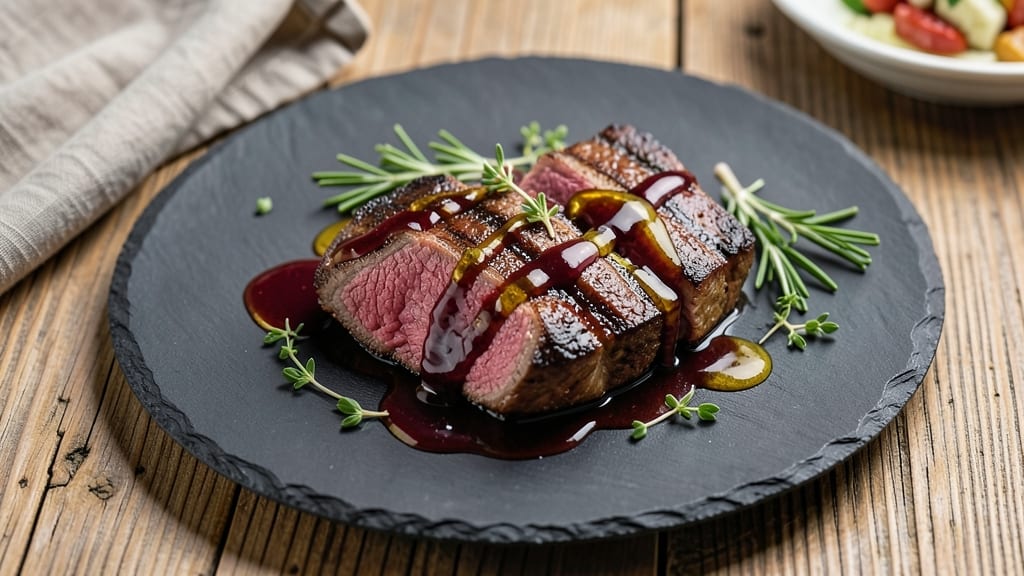
This balsamic vinegar steak sauce recipe transforms simple pantry staples into a deeply caramelized, umami-rich glaze that elevates any protein. The key lies in slow reduction—where sweetness and acidity meld into a glossy, tangy sauce with just the right balance of richness.
I developed this formula after years of testing, ensuring every spoonful delivers that perfect harmony of sweet, tangy, and savory notes that clings beautifully to steak (or chicken, fish, or roasted vegetables).
What sets this sauce apart is the two-stage reduction process, where sugar and vinegar first caramelize into a thick, syrupy base before being balanced with herbs and a splash of stock.
This method prevents the sauce from becoming overly acidic or cloyingly sweet—critical for a sauce that tastes as good drizzled as it does spooned. The result? A glossy, velvety glaze with concentrated balsamic depth that adds restaurant-quality shine to any dish.
No special equipment is needed—just a saucepan and patience. The ingredients are straightforward: balsamic vinegar, sugar, fresh herbs, and a touch of stock, all simmered until thickened to your preferred consistency.
This sauce keeps well in the fridge for up to two weeks, making it perfect for meal prep or gifting. Once you taste the difference between store-bought and homemade, you’ll never go back.
The beauty of this recipe lies in its versatility. Use it as a finishing glaze for grilled steak, a drizzle over roasted potatoes, or even a tangy dip for crusty bread.
The sauce’s balance of sweet and acid makes it adaptable to both rich and light dishes, ensuring it becomes a staple in your culinary toolkit. Let’s get started—your taste buds will thank you.
Ingredients for balsamic vinegar steak sauce
Eight simple ingredients transform into a restaurant-quality sauce that clings beautifully to steak.
| Ingredient | Amount | Notes |
|---|---|---|
| Balsamic Vinegar 🍷 | 1 cup | Aged, high-quality preferred |
| Granulated Sugar 🍚 | ½ cup | White or brown sugar works |
| Fresh Thyme Leaves 🌿 | ¼ cup | Or 1 tbsp dried thyme |
| Fresh Rosemary 🌿 | ¼ cup | Finely chopped, fresh preferred |
| Beef Stock 🥩 | ½ cup | Low-sodium preferred |
| Extra-Virgin Olive Oil 🫒 | 2 tbsp | For finishing, fruity variety |
| Garlic Cloves 🧄 | 2 cloves | Minced, fresh preferred |
| Diamond Crystal Kosher Salt 🧂 | ½ tsp | Adjust to taste |
| Black Peppercorns 🌶️ | ¼ tsp | Freshly cracked preferred |
| Red Wine Vinegar 🍷 | 1 tbsp | For depth, optional |
The balsamic vinegar is the heart of this sauce—aged varieties like Barolo or Chiaretto add depth, but any good-quality balsamic works. I grab mine from Trader Joe's or Whole Foods bulk section since those tend to be more concentrated. For the sugar, light or dark brown sugar adds subtle molasses notes that complement the caramelization. Fresh herbs are ideal, but dried thyme and rosemary work in a pinch (use half the amount). The beef stock should be low-sodium—Pacific Foods or Imagine brands are my go-tos for clean flavor. If you're short on time, a quick beef bouillon cube dissolved in hot water works too.
No balsamic vinegar? Substitute with 2 tbsp red wine vinegar plus 1 tbsp honey, though the flavor won't be identical. Skip the red wine vinegar? Extra 1 tbsp balsamic vinegar balances the sweetness. Fresh herbs wilting? Dried works at one-third the amount, but toast them first in a dry pan for 30 seconds to wake up the flavor. The olive oil is just for finishing—use whatever you've got, but extra-virgin adds the best fruity punch. Garlic can be roasted (wrap whole cloves in foil at 400°F for 20 minutes) for a sweeter, deeper flavor that pairs perfectly with the sauce's caramel notes. Salt to taste at the end—this is where the sauce's balance comes together.
This sauce keeps beautifully in the fridge for up to 2 weeks, though it tastes even better after a day or two as the flavors meld. For gifting, transfer to a clean jar and add a sprig of fresh rosemary tied with twine. Freezes well for up to 6 months—portion into ice cube trays for easy single-use servings. If it thickens too much, just whisk in a splash of warm water. Thin it out? Add a teaspoon of beef stock. The sauce's versatility means it's always worth making extra—drizzle over roasted veggies, toss with pasta, or use as a marinade base.
Why You'll Love This Recipe
- Five-Ingredient Magic: I swear by this combo—just vinegar, sugar, herbs, stock, and a simmer. No fancy gadgets, no measuring cups with questionable residue, just you, a pot, and 20 minutes. My lazy Sundays thank me.
- Rich Without Effort: That deep balsamic tang cuts through the sweetness while the thyme and rosemary add earthy warmth. Pour it over grilled steak, and suddenly your weeknight dinner tastes like you spent hours in a restaurant kitchen.
- Doubles as Glaze: Use it now, save it later—this sauce thickens beautifully and keeps for weeks in the fridge. Drizzle it on roasted potatoes, toss it with pasta, or even glaze chicken thighs when you’re craving something different. My freezer’s full of it.
- Budget Booster: A splash of beef stock and a spoonful of sugar stretch this sauce farther than store-bought versions. Honestly, I make a double batch every time because it’s cheaper than takeout and way more flavorful. Win-win.
Step-by-step instructions for balsamic vinegar steak sauce
Here's how to transform simple ingredients into a rich, caramelized glaze that elevates any steak.
Simmer Vinegar and Sugar Until Syrup-Like
Combine the 1 cup balsamic vinegar and 0.5 cup granulated sugar in a heavy-bottomed saucepan. Bring to a boil over medium-high heat, then immediately reduce to medium-low heat and let it simmer uncovered for 15-20 minutes. You're looking for a dramatic reduction—this is where the magic happens.
The mixture will darken from amber to deep mahogany as it thickens. Stir occasionally to prevent sticking, but don't worry if it splatters a bit—the caramelization is what creates that complex, umami depth. When it reaches a syrupy consistency (about 1 tablespoon should coat the back of a spoon), it's ready for the next step.
Build Flavor with Herbs and Aromatics
Add the 0.25 cup fresh thyme leaves, 0.25 cup fresh rosemary, 2 cloves minced garlic, 0.5 tsp kosher salt, and 0.25 tsp cracked black peppercorns to the reduced vinegar mixture. Stir well to combine, then pour in the 0.5 cup beef stock and 1 tablespoon red wine vinegar. Return to a gentle simmer over low heat for 10 minutes.
This is where the sauce develops its layered complexity. The herbs infuse their earthy notes, while the beef stock adds savory depth. Keep the heat low—you want the herbs to steep gently rather than burn. You'll know it's ready when the mixture smells rich and aromatic, with a perfect balance of sweet, tangy, and herby flavors.
Finish with Olive Oil for Silky Texture
Remove the sauce from heat and let it cool slightly for 2-3 minutes. Then, whisk in the 2 tablespoons extra-virgin olive oil until fully emulsified. The oil will lighten the sauce's color slightly and create a luxurious, velvety texture that clings beautifully to steak.
For the smoothest finish, strain the sauce through a fine-mesh sieve to remove any herb stems or garlic pieces. Taste and adjust seasoning—you might need a pinch more salt or a splash of water if it's too thick. The sauce should coat the back of a spoon but still flow freely. Let it cool to room temperature before serving.
Caramelize Further for Extra Depth (Optional)
For an even more intense flavor, transfer the cooled sauce to a shallow baking dish and bake at 300°F for 30-45 minutes, stirring every 10 minutes. This slow caramelization concentrates the flavors and creates a glossy, almost jam-like consistency that's perfect for drizzling over finished steaks.
If you choose this step, watch the sauce closely—the longer it bakes, the thicker and more intense it becomes. When it reaches your desired consistency, let it cool completely before using. This method transforms your sauce from good to extraordinary, with a depth of flavor that pairs perfectly with perfectly cooked steaks.
Pro Tips For Making Balsamic Vinegar Steak Sauce
- Simmer Slow and Steady: I learned this the hard way—rushing the reduction turns your balsamic into vinegar-flavored syrup. Keep the heat at a gentle simmer (around 180°F/82°C) and let it bubble quietly for at least 15-20 minutes. The longer it cooks, the deeper the flavor, but don’t walk away—this isn’t the time to multitask.
- Strip Those Needles First: Fresh rosemary’s tough little needles take forever to soften, and they’ll just sit there like tiny wood splinters. Before adding them to the sauce, give the sprigs a good strip with your fingers or the edge of a knife—just enough to release the aromatic oils without turning it into a garnish contest.
- Balance the Sweetness: Too much sugar and you’ve got dessert, not sauce. Start with half the sugar called for, taste as it reduces, and adjust. The balsamic’s acidity needs a counterbalance, but you want the beef stock to shine—not drown in syrup. If it’s too sharp, a pinch of sugar fixes it; if it’s cloying, splash in more stock.
- Deglaze Before Reducing: Don’t just dump everything in and hope for the best. After searing your steak (if using), scrape up those browned bits from the pan with a splash of beef stock first—this is where all the meaty flavor hides. Pour that into your sauce pot before adding the balsamic and sugar. It’s the non-negotiable flavor booster no one talks about enough.
Common mistakes when making your balsamic vinegar steak sauce
Skipping the Reduction
One of the biggest mistakes is rushing the reduction phase. The 15-20 minute simmer is non-negotiable—it's where the sugar and vinegar transform into a deep, caramelized base. I’ve seen people walk away after 5 minutes and end up with a thin, tangy glaze that lacks the rich umami depth.
Use a heavy-bottomed saucepan to prevent burning, and keep the heat at medium-low to avoid splattering. 🔥
Overcrowding the Pan
Adding all ingredients at once can lead to uneven cooking and burnt herbs. Start by reducing the vinegar and sugar first, then add the aromatics and stock gradually. If you throw everything in together, the herbs may burn before the sauce reaches the right consistency.
I recommend adding thyme and rosemary in two batches, stirring well between additions.
Ignoring the Stock
The beef stock isn’t just a filler—it adds savory depth that balances the sweet and tangy notes. Skipping it or using a high-sodium version will make your sauce taste flat or overly salty. Always use low-sodium stock (like Pacific Foods or Imagine) and adjust the salt at the end.
If you’re in a pinch, a bouillon cube dissolved in hot water works, but it won’t have the same complexity.
Not Tasting as You Go
Many people assume the sauce will taste perfect once the recipe is done, but that’s not always the case. Taste the sauce at key stages—after the initial reduction, after adding herbs, and before finishing with olive oil.
Adjust the salt, sugar, or acidity (with a splash of vinegar or a pinch of sugar) as needed. This is where the sauce’s balance comes together, and it’s the only way to ensure it’s just right.
Using Low-Quality Vinegar
Not all balsamic vinegars are created equal. Cheap, mass-produced versions lack the depth and caramelization needed for this sauce. Invest in an aged balsamic vinegar (like Barolo or Chiaretto) for the best results.
If you’re on a budget, Trader Joe’s or Whole Foods bulk balsamic vinegars are great mid-range options. The difference in flavor is night and day!
Overcooking the Herbs
Herbs like rosemary and thyme can turn bitter if cooked too long. Once they’re added, keep the heat at a gentle simmer for just 10 minutes. If you let them boil, they’ll release their bitter compounds and ruin the sauce’s delicate balance.
For extra flavor without bitterness, add the herbs in the last 5 minutes of simmering or infuse them separately in warm stock first.
Nutrition facts
Frequently asked questions
Can I make this sauce without beef stock? The beef stock adds essential savory depth, but you can substitute with ½ cup low-sodium chicken stock or even ½ cup water plus ½ teaspoon soy sauce for umami. For a vegetarian version, use mushroom or vegetable stock. Just
How do I know when the sauce is reduced enough?
When the mixture thickens to a syrupy consistency, it should coat the back of a spoon but still flow freely. Test by placing 1 tablespoon on a plate—it should form a glossy puddle rather than spread thin. The color will darken from amber to deep mahogany, and the aroma will become rich and caramelized. If it's too thick, add a splash of warm water; too thin? Simmer uncovered for another 5 minutes.
Can I use this sauce on non-meat dishes?
This versatile glaze works beautifully on grilled vegetables, roasted potatoes, seared tofu, or even as a tangy dip for crusty bread. The balance of sweet and acid makes it perfect for brightening rich dishes. For vegetables, reduce the sugar slightly (¼ cup) to prevent overpowering their natural flavors. A drizzle over mashed potatoes or as a finishing sauce for pasta is also divine.
Why did my sauce turn bitter?
Bitterness usually comes from overcooking the herbs or using low-quality vinegar. To fix it, whisk in 1 teaspoon honey or 1 tablespoon extra balsamic vinegar to balance the flavors. For prevention, add fresh herbs in the last 5 minutes of simmering and use aged balsamic vinegar (never the cheap supermarket variety). If the bitterness persists, strain out the herbs and start fresh with a small batch.
How long can I store this sauce?
Store the sauce in an airtight container in the fridge for up to 2 weeks. For longer storage, freeze it in ice cube trays (thaw as needed) or in a jar for up to 6 months. The flavors actually improve with time! If it thickens too much when refrigerated, whisk in a splash of warm water to restore consistency. The sauce also makes a fantastic homemade gift—just add a sprig of fresh rosemary tied with twine.