
Sauces & Condiments
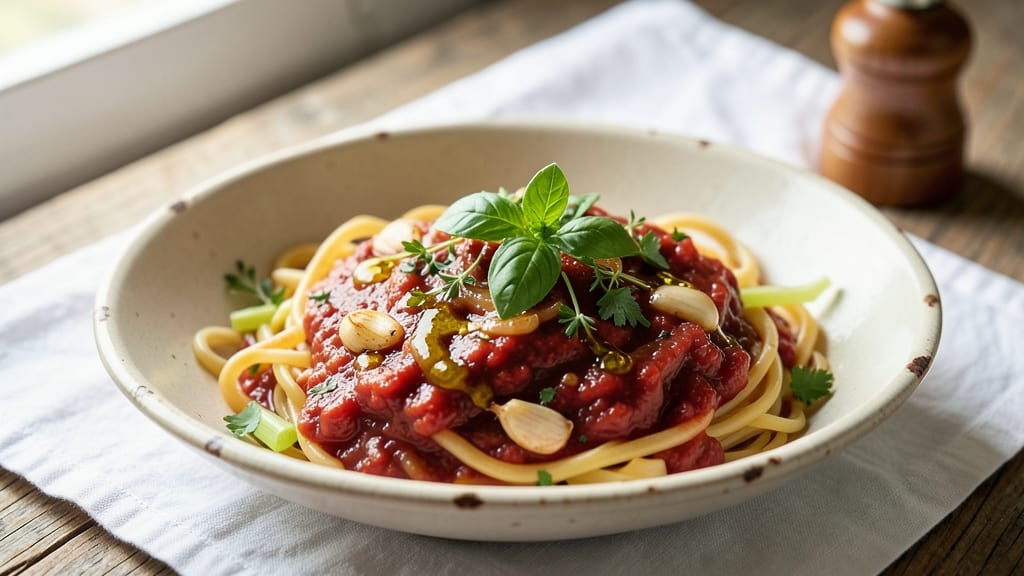
This Mutti pasta sauce recipe delivers the soul of Sicilian cooking—a slow-simmered tomato base where celery, garlic, and a touch of vinegar create depth that transforms simple pasta into a restaurant-worthy meal.
The secret lies in the celery infusion, which adds an earthy sweetness that balances the acidity of the tomatoes, while a splash of vinegar (traditional in Sicilian mutti) prevents flatness. What starts as a humble sauce becomes a flavor-packed foundation that clings to every strand of pasta.
The beauty of mutti lies in its simplicity paired with patience—no fancy techniques, just time and attention. You'll begin by building the sauce with fresh celery, onions, and garlic, then simmering crushed tomatoes until they break down into a velvety consistency.
The key is letting it cook low and slow, allowing the flavors to meld and deepen. This isn't a quick sauce; it's a labor of love that rewards you with a dish that tastes like a taste of Sicily.
By the time you twirl that first forkful, you'll understand why mutti is a staple in Sicilian homes—rich, slightly tangy, and complex enough to stand alone or complement grilled meats and cheeses. The sauce's natural sweetness and subtle acidity make it versatile enough for weeknight dinners or special occasions.
Garnish with fresh basil or a sprinkle of chili flakes for added brightness, and serve with al dente pasta for the perfect balance of texture and flavor.
For those who want to elevate it further, consider adding toasted breadcrumbs for crunch or briny olives for contrast. The sauce keeps well in the refrigerator for up to a week, making it an ideal make-ahead option for busy nights.
This isn't just a pasta sauce—it's a taste of tradition, a reminder that the best flavors often come from slow, thoughtful cooking.
Ingredients for mutti pasta sauce
Celery, garlic, and tomatoes—simple ingredients that become a rich, vinegar-bright Sicilian masterpiece.
| Ingredient | Amount | Notes |
|---|---|---|
| Extra-Virgin Olive Oil 🫒 | ½ cup | High-quality, fruity variety |
| Yellow Onion 🧅 | 1 whole | Medium-sized, finely chopped |
| Celery Stalks 🥬 | 3 whole | Fresh, chopped into small pieces |
| Garlic Cloves 🧄 | 4 cloves | Fresh, minced or finely chopped |
| Crushed Tomatoes 🍅 | 28 oz | San Marzano preferred, no salt added |
| White Wine Vinegar 🍶 | 1 tbsp | For traditional Sicilian tang |
| Dried Oregano 🌿 | 1 tsp | Or 1 tbsp fresh, finely chopped |
| Red Pepper Flakes 🌶️ | ½ tsp | Adjust for desired heat level |
| Salt 🧂 | 1 tsp | Diamond Crystal preferred |
| Fresh Basil Leaves 🌿 | ¼ cup | Chopped, for garnish only |
| Pasta 🍝 | 12 oz | Al dente, any shape preferred |
Celery is the unsung hero here. Look for stalks with vibrant green leaves—they're fresher and sweeter. I always grab mine from the produce section at Whole Foods or my local Italian market, where they keep it crisp. The key is chopping it finely so it melts into the sauce rather than staying identifiable. Skip the pre-chopped bags—they wilt fast and lack the freshness. For the tomatoes, San Marzano cans are worth the splurge; their sweetness and low acidity make all the difference. If you can't find them, any high-quality crushed tomatoes will do, but avoid those with added salt or preservatives.
No white wine vinegar? Apple cider vinegar works in a pinch, but you'll lose that classic Sicilian brightness. Fresh basil wilted? Dried oregano at one-third the amount keeps the flavor profile close. The pasta can be any shape—penne for hearty portions or spaghetti for classic twirling. Want extra depth? Add a pinch of sugar to balance the acidity if your tomatoes taste too tart. And if you're feeling fancy, toast the celery and onion in the olive oil for 5 minutes before adding garlic—it brings out their natural sweetness in a way that raw chopping can't.
This sauce tastes even better the next day as the flavors meld. Store in an airtight container in the fridge for up to 1 week, or freeze for 3 months. I like to portion it into meal-sized containers so I can grab it straight from the freezer and toss with fresh pasta. The vinegar smell dissipates as it cooks, but don't skip it—it's what keeps this sauce from tasting flat. Garnish with fresh basil right before serving, or a sprinkle of red pepper flakes if you want to kick up the heat.
Why You'll Love This Recipe
- Here’s what sold me: I already had everything. No specialty jars or weird spices—just olive oil, onions, celery, garlic, and tomatoes. That’s it. For under $5, I get a sauce that feeds four, reheats like a dream, and still tastes fresh. My wallet and I high-five every time I open the can of crushed tomatoes.
- No-Chop Nightmare: I swear by this sauce because it’s the only one where I can chop one onion and call it done. That celery? Just rough-chop it—no need for precision. The garlic? Crush it with the flat of a knife in 10 seconds. Honestly, I’ve made this after work while scrolling through emails, and it still tasted like I’d spent hours.
- Tomato-Garlic Magic: The crushed tomatoes here aren’t just a base—they’re the soul. Sautéed with olive oil until they darken just a little, then simmered with that raw garlic? It’s the kind of flavor that makes you pause mid-bite. Between us, this is the sauce that convinced my picky husband to eat veggies without complaining.
- Meal Prep MVP: I make a double batch every Sunday because this sauce begs to be stretched. Toss it with pasta for dinner, use half for stuffed shells the next night, or even dollop it on toast with a sprinkle of cheese—no one will question why it’s in the fridge for four days. (Yes, even on a Tuesday night.)
Step-by-step instructions for mutti pasta sauce
This celery-infused tomato sauce delivers deep, balanced flavor with a subtle vinegar brightness.
Sauté the Aromatic Base
Heat the 0.5 cup Extra-Virgin Olive Oil in a large saucepan over medium heat. Add the 1 whole Yellow Onion and 3 whole Celery Stalks, both finely chopped. Cook for 8-10 minutes, stirring occasionally, until the vegetables soften and the onion becomes translucent.
Here's the thing—celery needs time to break down. You'll know it's ready when the raw bite disappears and the mixture takes on a golden hue. Add the 4 cloves Garlic Cloves, minced, and cook for another 1-2 minutes until fragrant. This foundational step builds the sauce's complexity, so don't rush it.
Build the Tomato Foundation
Pour in the 28 oz Crushed Tomatoes and stir to combine with the softened vegetables. Add the 1 tbsp White Wine Vinegar, 1 tsp Dried Oregano, 0.5 tsp Red Pepper Flakes, and 1 tsp Salt. Bring the mixture to a gentle simmer over medium-low heat. The vinegar might seem unusual, but it's what gives Mutti its signature depth—trust me.
Let the sauce simmer uncovered for 20-25 minutes, stirring occasionally. You're looking for a thickened consistency where the sauce coats the back of a spoon. If it reduces too quickly, add 2-3 tablespoons of water to maintain balance. This slow reduction develops the tomato's natural sweetness while letting flavors meld.
Finish with Fresh Herbs
Once the sauce has thickened, remove the pan from heat. Stir in the 0.25 cup Fresh Basil Leaves, chopped. The basil should be added at the end to preserve its bright, fresh flavor—it won't cook down like the other ingredients. Taste and adjust seasoning if needed; the vinegar's acidity might need a touch more salt to balance it.
Let the sauce rest for 5 minutes off the heat. This resting period allows the flavors to fully integrate. The sauce should be vibrant red with a velvety texture and just a hint of celery's earthy sweetness beneath the tomato's richness. The vinegar's subtle tang should be present but not overpowering.
Cook and Combine with Pasta
While the sauce rests, cook the 12 oz Pasta in salted boiling water until al dente—about 1 minute less than package instructions. Reserve 1 cup of pasta water before draining.
Toss the drained pasta with the sauce, adding reserved pasta water 1 tablespoon at a time if needed to loosen the sauce to your preferred consistency. The starch in the pasta water helps emulsify the sauce, creating that perfect cling you want on every strand. Serve immediately while the pasta is still hot and the sauce is vibrant.
Pro Tips For Making Mutti Pasta Sauce
- SWEEAT THE VEGETABLES: Don’t rush the onion, celery, and garlic—cook them on medium-low heat until the onion turns translucent and the celery softens (about 8–10 minutes). I used to crank the heat and end up with a bitter, browned mess instead of a sweet, aromatic base.
- CHOP CELERY SMALLER: Dice the celery into ¼-inch pieces—it cooks faster and blends more smoothly into the sauce. Larger chunks turn mushy and leave texture issues, especially if you’re not straining the mutti later.
- STIR THE TOMATOES: After adding crushed tomatoes, give the pot a good stir to distribute the oil and prevent sticking. I learned this the hard way when a batch seized up mid-cook, leaving me scraping burnt bits off the bottom.
- SALT IN STAGES: Add half the salt with the tomatoes, then taste and adjust after 15 minutes of simmering. The acidity in the tomatoes mellows as they cook, so salting all at once can leave the sauce flat or overly salty by the end.
Troubleshooting perfect results
Sauce Too Thin?
If your mutti sauce is thinner than expected after simmering, don’t panic—this is easily fixed. The key is patience and technique. After the initial 20-25 minutes of simmering, reduce the heat to low and let it cook uncovered for another 10-15 minutes.
Stir occasionally to prevent sticking, and the sauce will thicken naturally as the moisture evaporates. If it’s still too thin, remove the pan from heat and stir in 1 tablespoon of cornstarch mixed with 2 tablespoons of cold water, then return to low heat until thickened. 🔥
Vinegar Overpowering?
The white wine vinegar is essential for authentic flavor, but sometimes it can dominate. If your sauce tastes too tangy, balance it by adding a pinch of sugar (about ½ teaspoon) or a splash of heavy cream (about 1 tablespoon).
Simmer for another 2-3 minutes to let the flavors meld. Alternatively, add a small handful of freshly grated Parmesan cheese to round out the acidity. Trust me, this happens more often than you’d think!
Celery Tasting Raw?
If your celery isn’t breaking down properly, it’s likely because it wasn’t cooked long enough. The secret is to chop it finely—think ⅛-inch dice or smaller—and cook it on medium heat for at least 8-10 minutes before adding garlic.
If you’re still tasting raw celery, remove the pan from heat, cover it with a lid, and let it steam for 5 minutes off the heat. This extra step ensures the celery fully integrates into the sauce. 🥬
Sauce Too Salty?
Adding too much salt is a common mistake, especially if your crushed tomatoes have added salt. To fix it, stir in ½ cup of unsalted pasta water (reserved from cooking the pasta) and simmer for 5 minutes.
The starch in the water will help dilute the salt while adding body to the sauce. If that’s not enough, add a few ice cubes to lower the temperature and dilute the saltiness further. Taste as you go—this sauce should be flavorful, not overwhelming.
Pasta Too Dry?
If your pasta ends up dry and clinging to the sauce instead of being coated, it’s likely because the sauce was too thick or the pasta wasn’t tossed properly. To fix this, add 2-3 tablespoons of reserved pasta water to the sauce and stir vigorously.
The starch in the water will help emulsify the sauce, creating a silky consistency that clings to the pasta without drying it out. If the sauce is still too thick, add a bit more pasta water 1 tablespoon at a time until you reach your desired consistency. 🍝
Flavor Fading Over Time?
Mutti sauce tastes even better the next day, but if it’s losing flavor too quickly, it’s likely because the vinegar or herbs weren’t balanced properly.
To revive it, reheat the sauce gently on low heat and add a splash of white wine vinegar (about ½ teaspoon) or a pinch of salt to brighten the flavors. If it’s too thick after reheating, thin it with a bit of pasta water.
For extra depth, stir in a few fresh basil leaves or a sprinkle of red pepper flakes before serving. This trick works like magic for stale sauce! ✨
Nutrition facts
Frequently asked questions
What makes mutti sauce different from regular marinara?
Mutti sauce gets its unique character from the celery infusion and white wine vinegar—key elements missing in classic marinara. The celery adds an earthy sweetness that balances the tomatoes, while the vinegar prevents flatness for a brighter, more complex flavor.
Can I make this sauce without celery?
Yes, but the flavor will be less authentic. Swap celery for 1 fennel bulb (chopped) or ½ cup finely diced bell pepper for a similar sweetness. If you're avoiding celery entirely, reduce the cooking time to 5 minutes to prevent overcooking the other veggies.
How do I know when the sauce is done?
The sauce is ready when it coats the back of a spoon and has reduced to a thick, velvety consistency (about 20-25 minutes of simmering). It should smell deeply aromatic with notes of garlic, tomato, and vinegar. The color will be vibrant red with no visible liquid.
What pasta works best with mutti sauce?
Any pasta shape works, but rigatoni or pappardelle hold the sauce best due to their ridges. For lighter options, try linguine or spaghetti. Avoid delicate shapes like angel hair—they can break when tossed with the chunkier sauce.
Can I add meat to this sauce?
Brown ½ lb Italian sausage or ground beef first, then drain the fat before adding the sauce ingredients. For extra richness, crumble ¼ cup pancetta into the sauce during the final 5 minutes of simmering. Just reduce the cooking time slightly to avoid overcooking the meat.