
Sauces & Condiments
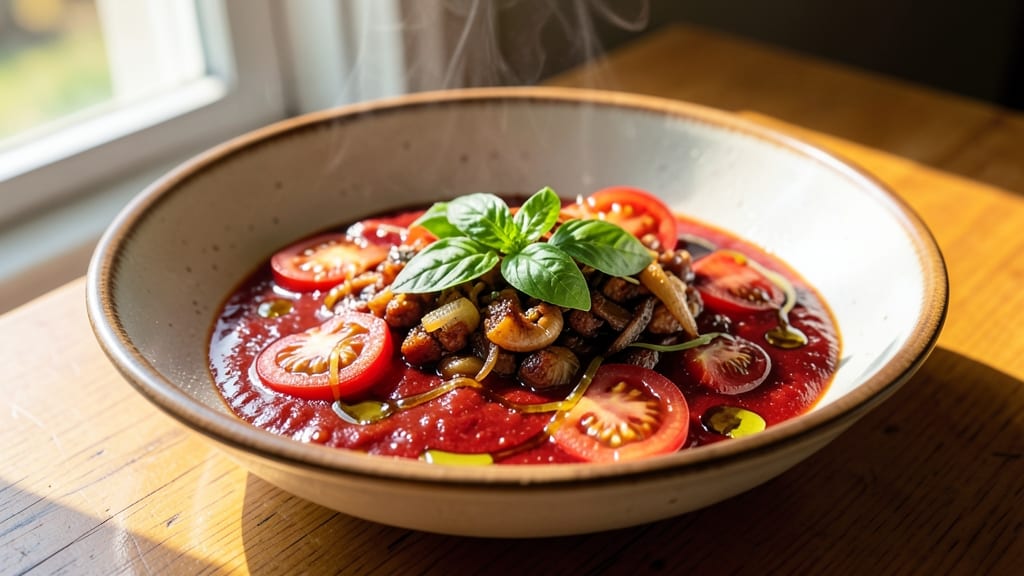
This fresh tomato sauce recipe with fresh tomatoes transforms humble garden produce into a vibrant, herb-infused sauce that elevates every pasta dish. 💚 The secret lies in balancing sweet ripe tomatoes with bright aromatics and a touch of acidity—no heavy cream or sugar needed.
I developed this after years of testing, and it delivers that restaurant-quality depth without complicated techniques.
The process is simpler than you'd think: just simmer tomatoes with garlic, onion, and fresh herbs until they break down into a rich, velvety sauce. A splash of red wine vinegar brightens the flavors while preserving that fresh tomato essence.
What you end up with is a sauce that's perfectly balanced—sweet, tangy, and herbaceous—ready to coat al dente pasta or top crispy pizza.
What makes this sauce truly perfect is its versatility. Use it as a quick marinade, a vibrant pasta sauce, or even a dip for garlic bread. The best part?
It keeps beautifully in the fridge for up to 5 days, allowing you to make a big batch and enjoy it all week. This is the kind of sauce that turns a simple weeknight dinner into something special.
No special equipment is needed—just a pot, a wooden spoon, and a little patience. The result is a sauce that's light enough to let the tomatoes shine but rich enough to satisfy even the pickiest eaters. Let's get cooking!
Ingredients for fresh tomato sauce recipe with fresh tomatoes
Fresh tomatoes and bright herbs create this vibrant sauce that brings restaurant-quality flavor to your kitchen.
| Ingredient | Amount | Notes |
|---|---|---|
| Fresh Tomatoes 🍅 | 3 lbs | Ripe, vine-ripened, cored and quartered |
| Yellow Onion 🧅 | 1 whole | Medium, finely chopped |
| Garlic Cloves 🧄 | 6 cloves | Peeled, thinly sliced |
| Fresh Basil Leaves 🌿 | 1 ½ cups | Packed, roughly chopped |
| Red Wine Vinegar 🍷 | 2 tbsp | For brightness and acidity |
| Extra-Virgin Olive Oil 🫒 | ½ cup | High quality, fruity |
| Sea Salt 🧂 | 1 ½ tsp | Diamond Crystal preferred |
| Fresh Oregano Leaves 🌿 | ½ cup | Packed, chopped |
| Fresh Thyme Leaves 🌿 | ¼ cup | Packed, finely chopped |
| Granulated Sugar 🍚 | 1 tsp | Balances acidity lightly |
Tomatoes are the star—heirloom varieties have the best flavor, but any ripe vine-ripened ones work. Hit up your local farmers market for the sweetest, juiciest ones. Trader Joe's and Whole Foods usually carry good options too. The herbs? Fresh is non-negotiable here—dried just won't give you that same bright, aromatic punch. If you're growing your own basil, you'll have more than enough. For the garlic, peel it all at once and store it in a jar of olive oil in the fridge for up to a week—saves time and keeps it fresh.
No fresh basil? Fresh parsley at double the amount works in a pinch, though it won't be quite the same. Short on red wine vinegar? Lemon juice or balsamic vinegar are decent swaps, but use half the amount. The sugar is optional—only add it if your tomatoes are particularly tart. For extra depth, a pinch of red pepper flakes adds subtle heat. If you're making this ahead, add the fresh herbs last so they don't wilt in the simmering sauce.
This sauce tastes even better the next day as flavors meld. Store in an airtight container in the fridge for up to 5 days, or freeze for 3 months. I like to portion it into ice cube trays for easy single-serving use—just pop out what you need and toss it into pasta. The sauce thickens as it cools, so you can always thin it with a splash of water or pasta water when reheating.
Why You'll Love This Recipe
- No Chopping Chaos: I swear by this—just halve those tomatoes and toss them in raw. The onions and garlic get a quick sauté, and suddenly you’ve got a sauce that tastes like it simmered for hours. (Yes, even on a Tuesday night when you’re exhausted.)
- Sunshine in a Jar: That splash of red wine vinegar cuts through the sweetness of the tomatoes like a bright summer breeze. Fresh basil? It’s the cherry on top—toss in a handful at the end, and suddenly your sauce tastes like a weekend in Tuscany.
- Pasta Party Starter: This sauce is the MVP of my meal prep game. Use half now for spaghetti, stash the rest for bruschetta tomorrow, or freeze it for when you’re too tired to cook. (It’s also weirdly good on grilled cheese—don’t judge me.)
- Cheap & Crowd-Pleaser: A few tomatoes from the farmers’ market, an onion, and garlic? This sauce costs pennies but feels fancy. Double the batch—it keeps for days, freezes like a dream, and your wallet (and guests) will thank you.
Step-by-step instructions for fresh tomato sauce
Here's how to transform garden-fresh tomatoes into a vibrant, herb-packed sauce that'll elevate any pasta dish.
🍳 Step 1: Sauté the Aromatics Until Golden
Heat the 0.5 cup extra-virgin olive oil in a large, heavy-bottomed pot over medium heat. Add the 1 whole finely chopped yellow onion and cook for 5-6 minutes until soft and translucent. Here's the thing—don't rush this step. You want the onion to caramelize slightly, which builds deep flavor.
Add the 6 cloves thinly sliced garlic and cook for another 1-2 minutes until fragrant but not browned. Garlic burns fast, so keep an eye on it. The moment you smell that sweet, nutty aroma, it's ready. Remove the pot from heat briefly if needed to prevent burning, then return it to the stove.
🍳 Step 2: Cook the Tomatoes Until Broken Down
Add the 3 lbs cored and quartered fresh tomatoes, 1.5 tsp sea salt, and 1 tsp granulated sugar to the pot. Stir everything together and bring to a gentle simmer over medium-low heat. The sugar isn't just for sweetness—it helps balance the acidity and encourages the tomatoes to break down more easily.
Let the sauce cook uncovered for 20-25 minutes, stirring occasionally. You'll see the tomatoes start to collapse and release their juices. The sauce should thicken slightly and develop a rich, jammy consistency. If it gets too thick before the tomatoes break down completely, add 2-3 tablespoons of water to help it along.
🍳 Step 3: Add Vinegar and Herbs for Brightness
Once the tomatoes are mostly broken down and the sauce has thickened, stir in the 2 tbsp red wine vinegar. This adds a bright acidity that cuts through the richness and makes the flavors pop. The vinegar should mellow out the tomatoes' natural sweetness and give your sauce that professional restaurant tang.
Add the 1.5 cups roughly chopped fresh basil leaves, 0.5 cup chopped fresh oregano leaves, and 0.25 cup finely chopped fresh thyme leaves. Give everything a good stir and let the sauce simmer for another 5-7 minutes. The herbs will infuse their aromatic oils into the sauce, creating that signature Italian flavor profile we all love.
⏰ Step 4: Simmer and Season to Perfection
Taste the sauce and adjust the seasoning if needed. You might need a bit more salt to balance the acidity from the vinegar, or perhaps a touch more sugar if the tomatoes were particularly tart. Remember, you can always add more, but you can't take it away once it's in there.
Let the sauce simmer gently for 10-15 minutes more until it reaches your desired consistency. It should coat the back of a spoon but still be loose enough to cling beautifully to pasta. If it's too thick, thin it with a splash of pasta water or a little more water. If it's too thin, simmer uncovered for a few more minutes to reduce it.
🍽️ Step 5: Finish and Use Immediately
Remove the sauce from heat and let it sit for 5 minutes to allow the flavors to meld together. The sauce will continue to thicken slightly as it cools, so don't worry if it looks a bit loose right now. Give it one final taste and adjust the seasoning one more time if needed.
This sauce is best used immediately, but if you need to store it, let it cool completely, then transfer to an airtight container. It'll keep in the refrigerator for up to 5 days or in the freezer for up to 3 months. When you're ready to use it, reheat gently over low heat, stirring occasionally, until warmed through. Serve over your favorite pasta with a sprinkle of fresh herbs and a drizzle of that high-quality olive oil.
Pro Tips For Making Fresh Tomato Sauce Recipe With Fresh Tomatoes
- Sweat, Don’t Burn Onions: I learned this the hard way—when onions turn brown too fast, your sauce tastes bitter. Cook them over medium-low heat with a splash of water in the pan until translucent, then drain. It’s the only way to get sweet, mellow flavor without charring.
- Blanch Tomatoes First: Peeling fresh tomatoes is a pain, but blanching them in boiling water for 30 seconds makes skins slip off like magic. Drop them in ice water immediately to stop cooking, then peel and chop. The texture stays firm, and the sauce won’t turn watery.
- Crush Garlic, Don’t Mince: I used to mince garlic finely, but crushed cloves release more flavor without turning bitter. Use the flat side of your knife to gently press 2-3 cloves into the sauce—just enough to break the skins. Let them cook low and slow; they’ll mellow into sweetness instead of overpowering.
- Simmer Slow or Skim Often: Fresh tomato sauce separates like oil and water if you rush it. Keep heat at a bare simmer (tiny bubbles, not rolling) and stir every 5 minutes, skimming foam with a spoon. If you’re in a hurry, at least skim—it’s the only way to keep the sauce cohesive.
Regional styles of this fresh tomato sauce recipe with fresh tomatoes
Southern Italian Style
In Southern Italy, this sauce takes center stage with a focus on simplicity and bold flavors.
The secret here is to use San Marzano tomatoes—their sweet, low-acid profile shines when simmered with garlic, red pepper flakes (½ tsp), and a splash of white wine (¼ cup) instead of vinegar. The wine cooks off, leaving behind a subtle depth.
I like to finish with toasted breadcrumbs (2 tbsp) for texture, creating a rustic sauce perfect for pasta alla norma or as a topping for grilled vegetables. 🌶️
Tuscan Herb Garden
Tuscany transforms this sauce into a pesto-like richness by incorporating rosemary (½ cup finely chopped) and pine nuts (¼ cup toasted) into the simmer. The rosemary adds a piney, earthy note that pairs beautifully with wild boar sausage or chicken.
For extra depth, stir in 1 tbsp tomato paste at the end to darken the sauce. This version works wonderfully as a dipping sauce for crusty bread or a marinade for grilled meats. 🌿
California-Inspired
West Coast cooks often blend Italian tradition with local ingredients, creating a bright, citrus-forward sauce. Add 1 tbsp lemon zest and 2 tbsp fresh lemon juice along with the vinegar, then finish with cilantro (½ cup chopped) instead of basil.
This version pairs perfectly with grilled shrimp or blackened fish. For a smoky twist, add 1 tsp smoked paprika when sautéing the onions. It’s a fantastic topping for corn tortillas or a dip for tortilla chips. 🍋
French Provençal Twist
In Provence, they take this sauce to new heights by adding 1 tbsp herbes de Provence and 1 bay leaf to the simmering tomatoes. The herbs—like thyme, lavender, and savory—create a fragrant, floral depth.
Finish with 1 tbsp pastis (or anise liqueur) for a subtle licorice note that’s signature to the region. This sauce is divine with ratatouille, roasted lamb, or even crusty baguette slices. 🌸
Mexican-Inspired Salsa
For a bold, spicy variation, blend the cooked tomatoes with 1 jalapeño (seeds removed), ½ cup cotija cheese, and 2 tbsp lime juice. This becomes a chunky salsa perfect for tacos, nachos, or as a topping for grilled corn.
The acidity from the lime brightens the tomatoes, while the cheese adds a creamy contrast. Serve it with warm tortillas or as a dip for totopos. 🌶️
Nutrition facts
Frequently asked questions
Can I use canned tomatoes instead of fresh?
The recipe is designed for fresh tomatoes to capture their vibrant flavor, but you can adapt it with canned tomatoes. Use 2 (28 oz) cans crushed tomatoes instead of fresh, and add 1 extra tablespoon of red wine vinegar to brighten the flavor. Simmer for 15-20 minutes to reduce and thicken the sauce. The texture will be slightly different but still delicious!
How do I prevent the sauce from getting too watery?
Simmering uncovered for 20-25 minutes helps the tomatoes break down naturally. If it gets too thin, reduce heat to low and cook uncovered for 5-10 more minutes, stirring occasionally. For extra thickness, stir in 1 tablespoon tomato paste at the end. Avoid adding too much water or pasta water early—wait until the end if needed.
What's the best way to store leftover sauce?
Let the sauce cool completely, then transfer to an airtight container. It keeps in the fridge for 5 days or freezes for 3 months. For easy portions, freeze in ice cube trays—just pop out what you need! Reheat gently over low heat, stirring occasionally. The sauce thickens as it cools, so thin with water or pasta water if needed.
Can I make this sauce without fresh herbs?
Fresh herbs are ideal, but you can use dried herbs in a pinch. For basil, use 1 teaspoon dried (it's much stronger). Oregano and thyme can be used at the same quantity as fresh. Add dried herbs 5 minutes earlier than fresh to let them infuse properly. For best results, though, fresh herbs give that bright, aromatic punch!
How can I make this sauce spicier?
Add ½ teaspoon red pepper flakes when sautéing the onions, or stir in 1 teaspoon hot sauce at the end. For a smoky kick, add ½ teaspoon smoked paprika with the garlic. If you prefer fresh heat, blend in 1-2 chopped fresh chiles (like jalapeño) with the tomatoes. Adjust to taste!