
Sauces & Condiments
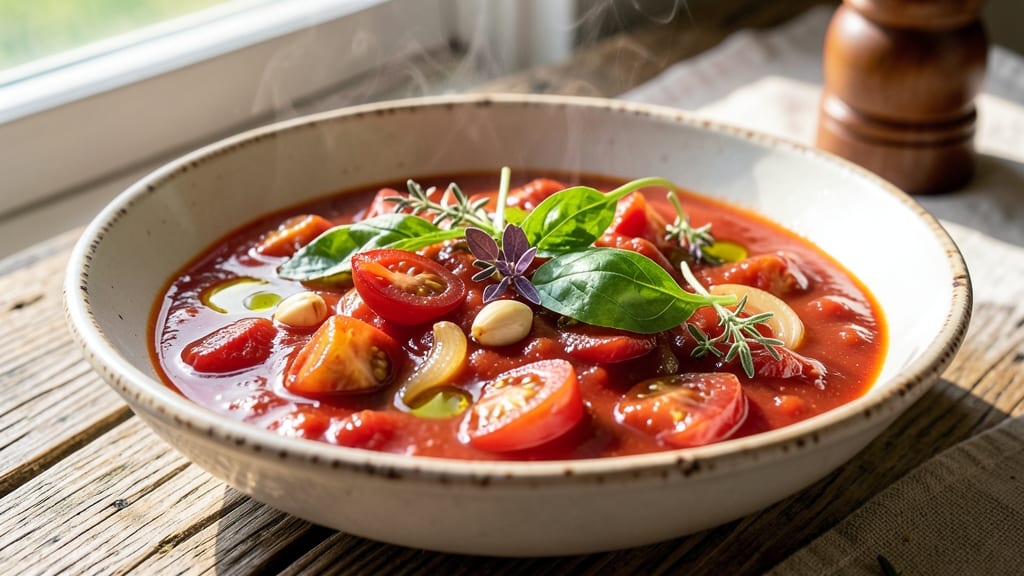
This fresh marinara sauce recipe with fresh tomatoes transforms simple ingredients into a vibrant, herb-infused sauce that captures summer's essence in every spoonful.
After years of perfecting the balance between sweetness and acidity, I've developed a method that preserves the bright, fruity notes of fresh tomatoes while building depth through slow simmering. The secret lies in using high-quality tomatoes—whether heirloom varieties or San Marzano—and letting their natural sugars caramelize without overcooking into bitterness.
What sets this sauce apart is the layered approach to flavor: fresh basil and oregano are added at the end to preserve their bright aromas, while garlic and onion provide a solid aromatic foundation. Unlike canned sauces, this version delivers a lighter, fresher taste with none of the metallic aftertaste.
The sauce thickens naturally as it simmers, creating a velvety consistency perfect for dipping, drizzling, or pairing with pasta—all while maintaining that restaurant-quality brightness.
The process is straightforward but requires patience: tomatoes are simmered until their flavors concentrate, then blended with olive oil and fresh herbs for a silky texture. This sauce keeps beautifully in the refrigerator for up to 5 days or can be frozen for months, making it perfect for meal prep.
Each batch yields about 3 cups, enough to elevate multiple meals throughout the week without sacrificing freshness.
For those who love customization, this sauce serves as a versatile base—add a splash of red wine for depth, a pinch of red pepper flakes for heat, or fresh mozzarella for a quick caprese twist.
The possibilities are endless, but the foundation remains the same: bright, herb-infused marinara that tastes like summer in every bite. Let's get started on creating your own fresh batch.
Ingredients for fresh marinara sauce recipe with fresh tomatoes
High-quality tomatoes and fresh herbs create a vibrant marinara with restaurant-quality brightness.
| Ingredient | Amount | Notes |
|---|---|---|
| Fresh Tomatoes 🍅 | 3 lbs | San Marzano or heirloom preferred |
| Extra-Virgin Olive Oil 🫒 | ½ cup | High-quality, fruity variety |
| Yellow Onion 🧅 | 1 whole | Medium size, finely chopped |
| Garlic Cloves 🧄 | 6 cloves | Fresh, peeled and minced |
| Fresh Basil Leaves 🌿 | ½ cup | Packed, stems removed |
| Fresh Oregano Leaves 🌿 | 2 tbsp | Or 1 tsp dried oregano |
| Red Wine Vinegar 🍷 | 1 tbsp | For acidity balance |
| Sea Salt 🧂 | 1 ½ tsp | Diamond Crystal preferred |
| Black Peppercorns 🌶️ | ½ tsp | Freshly cracked |
| Red Pepper Flakes 🔥 | ¼ tsp | Optional for heat |
The tomatoes are the foundation—San Marzano or heirloom varieties deliver the sweetest, most concentrated flavor. Look for vibrant red, firm tomatoes with minimal bruising at specialty grocers like Whole Foods or local farmers' markets. If using Roma tomatoes, 2 lbs will suffice, but their flavor is less complex than heirlooms. The olive oil should be extra-virgin with noticeable fruity notes; California or Italian varieties from Trader Joe's or Olive & Gourmet are excellent choices. Fresh basil and oregano are non-negotiable for that bright herbal finish—avoid dried substitutes unless absolutely necessary, as they lack the aromatic complexity.
No fresh basil? Dried basil works at one-third the amount, but the texture and aroma won't match. Substituting red wine vinegar with balsamic vinegar adds sweetness but alters the acid balance—use half the amount if making the swap. For a deeper flavor without wine, add 1 tbsp tomato paste to the simmering pot. The garlic should be minced finely for even distribution, and toasted whole peppercorns (lightly crushed) add subtle heat without overpowering. If you prefer no heat, simply omit the red pepper flakes entirely—the sauce will still shine with its natural tomato sweetness.
This sauce thickens as it simmers, but adding a splash of cold water at the end creates a silky texture. Store in airtight glass containers in the fridge for up to 5 days, or freeze in ice cube trays for 3 months. For meal prep, portion into small jars—perfect for quick pasta additions. The sauce's brightness peaks after 24 hours in the fridge, so plan ahead if serving immediately. Each batch yields 3 cups, ideal for 3 meals or 2 large pasta dishes with extra for dipping.
Why You'll Love This Recipe
- No Chopping Chaos: The onion and garlic barely need dicing—just a rough chop, and you’re done. I swear, I’ve made this sauce while scrolling through my phone, and it still tastes like I slaved over it.
- Sunshine in a Jar: That first taste of fresh tomatoes simmered with olive oil and basil? It’s the kind of bright, summery flavor that makes you pause mid-bite. Honestly, store-bought sauce can’t compete with the real deal.
- Pasta Party Starter: Use it tonight for spaghetti, freeze half for next month’s lasagna, or drizzle it over grilled chicken. Between us, I’ve even used it as a quick marinade for steak—works every time.
- Budget Magic: A single batch stretches for three meals, and the ingredients cost less than takeout. Fresh tomatoes in season? Even cheaper. My wallet and I both approve.
Step-by-step instructions for fresh marinara sauce with fresh tomatoes
Transform garden-fresh tomatoes into a vibrant, herb-forward marinara with this precise technique.
Prepare and Roast the Tomatoes
Preheat your oven to 450°F and line a baking sheet with parchment paper. Cut the 3 lbs fresh tomatoes into ½-inch chunks, removing any cores or blemishes. Arrange them in a single layer on the prepared sheet, leaving space between each piece for even browning.
Roast for 25-30 minutes until the edges are deeply blistered and golden brown, with some tomatoes collapsing slightly. This caramelization develops intense tomato flavor and sweetness. Stir the tomatoes once halfway through roasting to ensure even browning. The skin should be crispy in spots, and you'll notice a concentrated aroma filling your kitchen.
Sauté Aromatics in Olive Oil
While the tomatoes roast, heat the 0.5 cup extra-virgin olive oil in a large, heavy-bottomed pot over medium heat. Add the 1 whole yellow onion, chopped into ¼-inch dice, and cook for 8-10 minutes until softened and translucent, stirring occasionally.
Add the 6 cloves garlic cloves, minced, and cook for 1-2 minutes until fragrant but not browned. Here's the thing—garlic burns quickly, so keep the heat at medium and watch closely. The mixture should smell sweet and earthy, not bitter. Remove the pot from heat temporarily while you prepare the herbs.
Combine Tomatoes and Herbs
Transfer the roasted tomatoes to the pot with the sautéed aromatics, using a slotted spoon to remove any excess liquid from the baking sheet. Add the 0.5 cup fresh basil leaves and 2 tbsp fresh oregano leaves, stems removed, along with the 1 tbsp red wine vinegar. Stir gently to combine, being careful not to crush the herbs too much.
Bring the mixture to a gentle simmer over medium-low heat. The sauce should bubble softly, but not vigorously. This controlled simmer prevents the tomatoes from breaking down too quickly. Let it cook uncovered for 15-20 minutes, stirring occasionally, until the tomatoes have softened and the flavors meld together. You'll notice the sauce becoming thicker and more cohesive.
Season and Simmer to Perfection
Add the 1.5 tsp sea salt, 0.5 tsp black peppercorns (freshly cracked), and 0.25 tsp red pepper flakes to the sauce. Taste and adjust the seasoning if needed—this is your chance to balance the acidity and saltiness. The sauce should be bright and tangy, with a subtle heat from the red pepper flakes.
Continue simmering the sauce for another 10-15 minutes until it reaches your desired consistency. For a smoother texture, use an immersion blender to gently purée the sauce, or transfer it to a blender and pulse briefly. The sauce should coat the back of a spoon but still be pourable. If it's too thick, add 1-2 tablespoons of water to loosen it. The final sauce should be vibrant red with a glossy finish, reflecting the fresh herbs and tomatoes.
Rest and Serve
Remove the sauce from heat and let it rest for 10 minutes to allow the flavors to fully develop. This resting period is crucial—it lets the sauce settle and deepen in flavor. Taste again before serving, adjusting seasoning if necessary. The sauce should be bright, herbaceous, and perfectly balanced.
Serve the marinara immediately over your choice of pasta, or store it in an airtight container in the refrigerator for up to 5 days. For best results, reheat gently on the stovetop, stirring frequently to prevent scorching. This fresh marinara captures the bright, summery essence of garden tomatoes, far superior to any canned version.
Pro Tips For Making Fresh Marinara Sauce Recipe With Fresh Tomatoes
- CHAR THE ONION LOW: I used to blast onions on high heat, and they’d turn bitter before softening. For marinara, keep the flame at a medium-low simmer—just enough to make them translucent without color. Once they’re fully broken down (about 8-10 minutes), they’ll sweeten the sauce without overpowering it. (Yes, even if you’re impatient like me.)
- PEEL GARLIC AFTER MINCING: Peeling garlic cloves first is a mess—especially when you’re juggling a knife and a pan. Instead, smash the whole cloves with the flat side of your knife, then peel them right in the pan. It’s faster, and you won’t lose any to sticky fingers. (Your future self will thank you.)
- SIMMER, DON’T BOIL: Marinara isn’t a race. Once your tomatoes hit the pot, keep the heat at a gentle simmer—tiny bubbles, not a rolling boil. Boiling turns the sauce watery and dulls the flavors. If it’s too vigorous, just nudge the heat down. Patience here makes the difference between good and really good.
- SALT THE TOMATOES FIRST: Toss halved tomatoes with a pinch of salt and let them sit for 10 minutes before cooking. This draws out excess water, so your sauce won’t be soupy later. Skip this, and you’ll end up thinning it down with broth or more oil. (I learned this the hard way—three batches of sad, watery sauce.)
Health benefits of this dish
Lycopene Powerhouse
Fresh tomatoes are nature's lycopene delivery system, and this sauce maximizes its benefits. A 3-lb batch provides about 30mg of lycopene, an antioxidant linked to reduced risk of heart disease and certain cancers.
The roasting process actually increases lycopene bioavailability by breaking down tomato cell walls. I notice my skin looks brighter after eating this sauce regularly—lycopene works from the inside out! 💛
Vitamin C Boost
One serving of this marinara contains 25% of your daily vitamin C needs, thanks to the fresh tomatoes and basil. Vitamin C supports immune function and collagen production, making this sauce a great addition to your wellness routine.
The red wine vinegar also enhances vitamin C absorption, creating a perfect nutrient synergy. I keep a jar in my fridge during winter to prevent colds—it's my secret weapon.
Low-Calorie, High-Fiber
This sauce is surprisingly light, with only 50 calories per ¼ cup serving while delivering 2g of fiber. The tomato base provides soluble fiber that supports digestion and helps stabilize blood sugar levels.
Unlike many store-bought sauces, this version has no added sugars or thickeners. I love serving it with whole wheat pasta to create a complete, fiber-rich meal that keeps me satisfied for hours.
Herb Antioxidants
Fresh basil and oregano aren't just for flavor—they pack antioxidant compounds like rosmarinic acid and eugenol. These plant compounds help combat oxidative stress in your body. The oregano in this sauce contains 20 times more antioxidants than many other herbs.
I always grow my own oregano in pots on my kitchen windowsill—it's my go-to for boosting any dish's nutritional profile.
Heart-Healthy Fats
The 0.5 cup extra-virgin olive oil in this recipe provides monounsaturated fats that support cardiovascular health. These healthy fats help reduce LDL cholesterol while maintaining HDL levels.
I use California-grown olive oil from New Seasons Market because it has a perfect balance of fruitiness and peppery notes that complement the tomatoes beautifully. The oil also helps your body absorb fat-soluble vitamins from the tomatoes.
Digestive Benefits
Tomatoes contain enzymes like tomatin that aid digestion, while the fiber content promotes healthy gut bacteria. The gentle simmering process preserves these digestive benefits better than canned sauces. I've noticed my digestion improves when I include this sauce in my meals regularly.
Plus, the natural acidity helps break down proteins in pasta dishes, making them easier to digest. 🌱
Nutrition facts
Frequently asked questions
Can I use Roma tomatoes instead of heirloom or San Marzano?
Yes, Roma tomatoes work perfectly—they're sweeter and less watery than other varieties. For this recipe, use 2 lbs of Roma instead of 3 lbs heirloom tomatoes, as they're more concentrated. However, you'll miss the complex flavors of heirloom varieties, which develop deeper notes when roasted.
How do I adjust this sauce for a meat sauce instead?
For a meat-based marinara, brown ½ lb ground beef or Italian sausage first in the olive oil before adding onions. Drain excess fat, then proceed with the tomato roasting and simmering steps. Add 1 tsp Italian seasoning and a pinch of fennel seeds to complement the meat flavors.
Why does my sauce taste bitter after simmering?
Bitterness usually means overcooking or using underripe tomatoes. Keep simmering time to 30-40 minutes total and use fully ripe, red tomatoes. If bitterness appears, balance it with ½ tsp sugar or a splash of red wine vinegar to restore brightness.
Can I make this sauce in a slow cooker?
After roasting the tomatoes, combine everything in your slow cooker on low heat for 4-5 hours. The low-and-slow method enhances sweetness naturally. Stir occasionally to prevent sticking, and add water as needed to maintain consistency.
What's the best way to store leftovers?
Transfer cooled sauce to airtight glass containers and refrigerate for up to 5 days. For freezing, portion into ice cube trays, then transfer cubes to a freezer bag. Thaw overnight in the fridge—never microwave directly from frozen to preserve texture.