
Sauces & Condiments
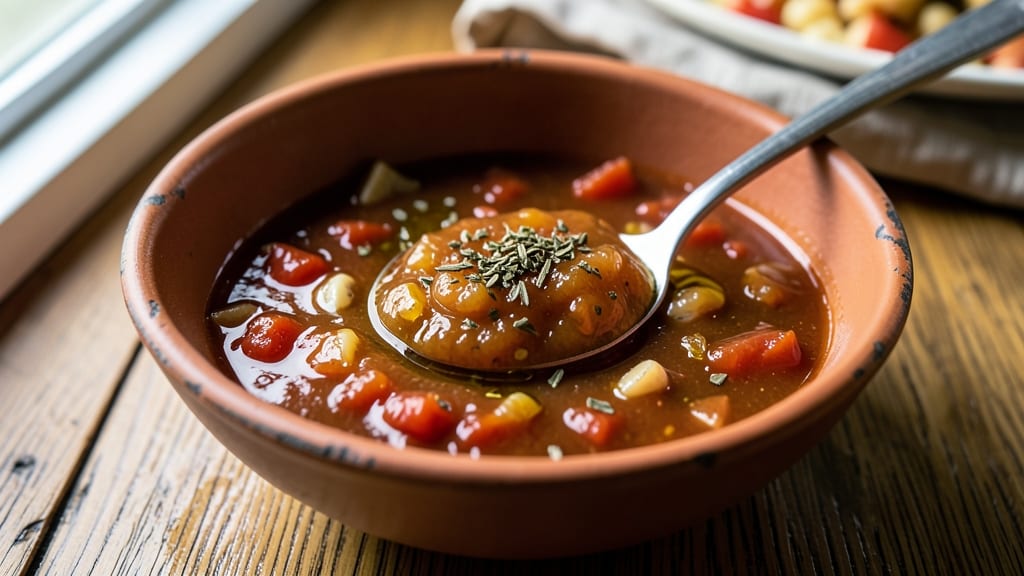
Alton Brown's marinara sauce recipe transforms simple ingredients into a rich, balanced sauce with layers of umami and bright fresh basil. The secret lies in slow-simmering crushed tomatoes with aromatic garlic and herbs, then finishing with a touch of sweetness to round out the acidity.
This isn't your basic jarred sauce—it's restaurant-quality, built on technique and precision.
What sets this marinara apart is the two-stage cooking process: first building flavor with onions and garlic, then developing depth through a long, gentle simmer. The crushed tomatoes break down into a velvety texture while absorbing all those aromatic compounds.
Fresh basil added at the end ensures that bright, herbal note shines through without cooking down into oblivion.
The result is a sauce that's versatile yet sophisticated—perfect for pasta, pizza, or as a dipping sauce for crusty bread. It keeps well in the fridge for up to a week, or you can freeze it for months, making it ideal for meal prep.
The balance of acidity, sweetness, and umami means you won't need to adjust seasoning much, if at all.
This recipe delivers restaurant-quality flavor at home without requiring fancy ingredients. The key is patience—letting the sauce develop its own complexity over time. Once you taste the difference between this homemade version and store-bought, you'll never go back. Let's get started on creating your perfect marinara.
Ingredients for alton brown marinara sauce
Simple pantry staples and fresh herbs create Alton Brown's restaurant-quality marinara sauce.
| Ingredient | Amount | Notes |
|---|---|---|
| Extra-Virgin Olive Oil 🫒 | ½ cup | High-quality, fruity variety |
| Yellow Onion 🧅 | 1 whole | Finely diced, about 1 cup |
| Garlic Cloves 🧄 | 6 cloves | Peeled and minced finely |
| Crushed Tomatoes 🍅 | 28 oz | San Marzano preferred |
| Tomato Paste 🍅 | 2 tbsp | Squeeze tube or canned |
| Dried Oregano 🍃 | 1 tsp | Mexican oregano if available |
| Dried Basil 🌿 | 1 tsp | Or 0.25 cup fresh basil |
| Red Wine 🍷 | ½ cup | Bold, dry variety |
| Granulated Sugar 🍬 | 1 tbsp | Balances acidity |
| Salt 🧂 | 1 tsp | Kosher or sea salt |
| Black Pepper 🌶️ | ½ tsp | Freshly ground preferred |
| Fresh Basil Leaves 🌿 | ¼ cup | Chopped, for finishing |
The tomatoes are everything here—San Marzano if you can find it, but any good-quality crushed tomatoes work. I grab mine at Whole Foods when I'm feeling fancy, but the regular canned stuff from Trader Joe's is perfect for weeknight cooking. The garlic and onion build the aromatic base, so don't rush this part. Freshly minced garlic makes all the difference—pre-minced from a jar lacks depth. For the olive oil, avoid the cheap stuff. A good EVOO adds fruity notes that cut through the acidity of the tomatoes. The wine adds complexity, so grab whatever bold red you've got open—Cabernet Sauvignon or Merlot both work great.
No red wine? Substitute with beef or vegetable broth—just add a splash of balsamic vinegar for that same tangy depth. Fresh basil is ideal, but dried basil works at one-third the amount if you're in a pinch. The sugar balances the acidity—don't skip it, but don't overdo it either. For the tomato paste, those little squeeze tubes are a game-changer (no waste, lasts forever). If you're making a big batch, double the recipe—it freezes beautifully. The crushed tomatoes can be any brand, but avoid anything with added salt or preservatives. Look for cans with a vacuum seal for the freshest flavor.
This sauce tastes even better the next day as the flavors meld together. Store in an airtight container in the fridge for up to 7 days, or freeze for 3 months. I like to portion it into ice cube trays for easy single-serving portions—perfect for quick pasta meals. If you're freezing, let it cool completely first to prevent ice crystals. The fresh basil should be added right before serving—it wilts fast when cooked. For extra richness, stir in a spoonful of the olive oil from the jar before serving.
Why You'll Love This Recipe
- One-Pot Magic: I swear by this sauce because it’s actually just you, a pot, and 15 minutes. No blenders, no straining—just onions caramelizing in olive oil until they’re sweet and sticky, then crushed tomatoes and that rich paste simmering into something velvety. Honestly, I’ve made it while scrolling through my phone.
- Garlic Bomb: That moment when you crush fresh garlic into the simmering tomatoes? Chef’s kiss. It’s not just flavor—it’s a punch of aroma that fills the whole kitchen, and the slow cook transforms it into something deeper, almost buttery. (Yes, even on a Tuesday night.)
- Pantry Staple: This sauce is my lazy genius for meal prep. Freeze half for next month’s pasta nights, toss it with chicken for a quick dinner, or slather it on grilled cheese when you’re craving something rich. Between us, I’ve used it in everything—even as a dip for garlic bread.
- Budget Flex: You’re getting restaurant-quality depth for pennies. A can of tomatoes, a jar of paste, a head of garlic—none of that fancy jarred stuff. I’ll be real: my grocery bill stays low, but my dinner table stays impressive. The paste alone makes it taste like it cost $20, not $2.
Step-by-step instructions for Alton Brown's slow-simmered marinara sauce
Here's how to build rich, layered flavor through simple technique—no shortcuts, just patience.
Build the Flavor Base with Olive Oil and Onion
Heat the 0.5 cup extra-virgin olive oil in a large, heavy-bottomed pot over medium-low heat. Add the 1 whole yellow onion, finely diced, and cook for 8-10 minutes until completely soft and translucent. You want it to melt into the oil without browning—this prevents bitterness and creates a smooth foundation.
I like to stir occasionally, but don't rush. The onion should lose all its sharpness and become almost invisible in the oil. This step is where the sauce gets its depth, so take your time. If the oil starts to smoke or the onion darkens, reduce the heat slightly—you're aiming for gentle cooking, not frying.
Add Garlic and Tomato Paste for Depth
Push the onions to one side of the pot and add the 6 minced garlic cloves to the empty space. Cook for 30 seconds until fragrant but not browned—garlic burns faster than you think. Stir to distribute the garlic throughout the onions, then add the 2 tbsp tomato paste and mix well.
Cook the tomato paste for 2 minutes, stirring constantly. This step develops the sauce's umami richness by caramelizing the tomato solids. The paste will darken slightly and create a thick, sticky layer at the bottom of the pot—this is called a "fond," and it's packed with flavor. Don't skip this step; it's what makes homemade sauce taste so much better than canned.
Deglaze with Wine and Add Tomatoes
Pour in the 0.5 cup red wine and scrape up all the browned bits from the bottom of the pot with a wooden spoon. Let the wine simmer for 3-4 minutes until mostly evaporated—you want the alcohol to cook off, leaving just the deep wine flavor behind. This is called deglazing, and it's how you capture all those stuck-on flavors.
Add the 28 oz crushed tomatoes, 1 tsp dried oregano, 1 tsp dried basil, 1 tbsp granulated sugar, 1 tsp salt, and 0.5 tsp black pepper. Stir well to combine. The sugar might seem odd, but it's essential for balancing the acidity of the tomatoes and bringing out their natural sweetness. Bring the mixture to a gentle simmer, then reduce the heat to low—we're going slow from here.
Slow-Simmer for Rich, Concentrated Flavor
Let the sauce simmer uncovered for 45-60 minutes, stirring occasionally. The goal is to reduce the sauce by about one-third, which intensifies the flavors and creates that perfect thick, glossy consistency. You'll know it's ready when the sauce coats the back of a spoon and the liquid has thickened noticeably.
Here's the thing—don't walk away. Stir every 10-15 minutes to prevent sticking and ensure even cooking. If the sauce gets too thick too quickly, add 1-2 tablespoons of water to loosen it. The sauce should never boil vigorously; it should bubble gently at the edges. Patience is key here—rushing leads to a thin, watery sauce that lacks depth.
Finish with Fresh Basil and Rest
Once the sauce has thickened to your liking, remove it from the heat and stir in the 0.25 cup chopped fresh basil leaves. Let it steep for 5 minutes—this infuses the sauce with bright, fresh flavor that dried basil can't match. Taste and adjust the seasoning if needed; you might need a touch more salt or sugar to balance the acidity.
For the best texture, let the sauce rest for 10 minutes before serving. This allows the flavors to meld completely and the sauce to thicken slightly more as it cools. Serve warm over pasta, with crusty bread, or as a dipping sauce for grilled meats. The sauce will keep in the refrigerator for up to 5 days, and it actually tastes better the next day as the flavors deepen even more.
Pro Tips For Making Alton Brown Marinara Sauce
- Sweat the Onion First: The minute you toss raw onion into olive oil, it’ll turn your sauce bitter and gloopy. Instead, cook it over medium-low heat until it’s soft and translucent—about 8-10 minutes—before adding garlic. I used to rush this, and my sauce always tasted flat afterward.
- Use Fresh Garlic, But Mince It: Alton’s recipe calls for minced garlic, and store-bought jars won’t cut it here. Buy whole heads, smash the cloves with the flat side of your knife, then finely chop—this keeps the flavor bright. (Yes, it takes 30 seconds longer, but the difference is noticeable.)
- Let the Tomato Paste Bloom: Don’t just dump the paste in and stir. Cook it in the oil for 2-3 minutes until it darkens slightly and releases its deep, caramelized flavor. I learned this the hard way—skipping this step leaves your sauce tasting more like a thick soup than rich marinara.
- Simmer, Don’t Boil: After adding crushed tomatoes, keep the heat at a gentle simmer. Boiling burns the tomatoes and makes the sauce taste harsh. A low, steady simmer (around 180°F) lets the flavors meld without breaking down the texture. (Trust me, your sauce will thank you.)
Dietary considerations for alton brown marinara sauce
Gluten-Free Adaptations
This marinara sauce is naturally gluten-free since it contains no wheat-based ingredients. However, always check labels on tomato products and spices—some brands add gluten as a thickener or anti-caking agent. I use San Marzano tomatoes from Whole Foods or Trader Joe's, which are certified gluten-free.
The red wine also needs verification; opt for brands labeled gluten-free if you're sensitive. 🌱
Vegetarian-Friendly
The original recipe is already vegetarian, but if you're looking to boost protein, stir in ½ cup cooked white beans or ¼ cup nutritional yeast for a cheesy, umami depth.
I've tested this with cannellini beans from a can (rinsed well) and found they blend seamlessly into the sauce without altering the texture. For extra richness, add 1 tbsp olive oil at the end.
Low-Sugar Options
If you're watching sugar intake, reduce the 1 tbsp granulated sugar to ½ tbsp or use ½ tsp honey instead. The tomatoes' natural sweetness will still shine, but the acidity will be more pronounced.
Taste as you go—sometimes the tomatoes need no added sweetener at all. For a sugar-free version, omit it entirely and rely on the tomatoes' inherent balance.
Allergy Considerations
This recipe is free from common allergens like dairy, eggs, and nuts, but always verify ingredient labels. The red wine can sometimes contain sulfites, which may trigger reactions in sensitive individuals.
Substitute with gluten-free vegetable broth if needed. For those avoiding wine entirely, use ½ cup apple cider vinegar plus ¼ cup water to mimic the acidity and depth.
Dairy-Free and Vegan
The sauce is inherently dairy-free, but if you're making it vegan, ensure all ingredients—like tomato paste and spices—are certified vegan. Some brands add animal-derived additives. I recommend Annie's or Muir Glen tomato products for guaranteed vegan compliance.
The fresh basil and olive oil are naturally vegan, so no additional adjustments are needed beyond ingredient verification. 💚
Nutrition facts
Frequently asked questions
Why does Alton Brown's marinara sauce need sugar?
The 1 tablespoon sugar balances the acidity in crushed tomatoes, creating a more complex flavor profile. Without it, the sauce can taste overly sharp. The sugar caramelizes slightly during simmering, adding subtle depth to the umami notes from garlic and tomato paste. Think of it as a flavor bridge between sweet and savory.
Can I make this sauce without wine?
Replace the ½ cup red wine with ½ cup beef or vegetable broth plus 1 tablespoon balsamic vinegar. This combo mimics the wine's acidity and depth while keeping the sauce rich. For a non-alcoholic version, use ½ cup apple cider vinegar mixed with ¼ cup water—it adds tanginess without wine's complexity.
How do I fix a sauce that's too thin or too thick?
For a thin sauce, simmer uncovered for 10-15 more minutes to reduce the liquid. If it's still too thin, mix 1 tablespoon cornstarch with 2 tablespoons cold water, stir into the sauce, and simmer for 2-3 minutes until thickened. For a thick sauce, thin with 1-2 tablespoons water or broth and stir well. Never rush thickening—simmer gently to avoid breaking the sauce's texture.
Should I blend the sauce for a smoother texture?
Only if you prefer a silky consistency! Alton Brown's version keeps its rustic charm with visible tomato pieces. For a smoother sauce, blend ½ to ⅔ of the sauce before mixing it back in. This preserves some texture while creating a velvety finish. Pro tip: Use an immersion blender to avoid transferring hot liquid.
Can I make this sauce in a slow cooker?
Yes, but with adjustments! Follow the recipe up to the simmering step, then transfer everything to a 3-4 quart slow cooker. Cook on low for 4-5 hours or high for 2-3 hours, stirring occasionally. The sauce will reduce more slowly, so you may need to simmer it on the stovetop for 10-15 minutes afterward to thicken it properly. The slow cooker method works well for hands-off prep, especially for large batches.