
Sauces & Condiments
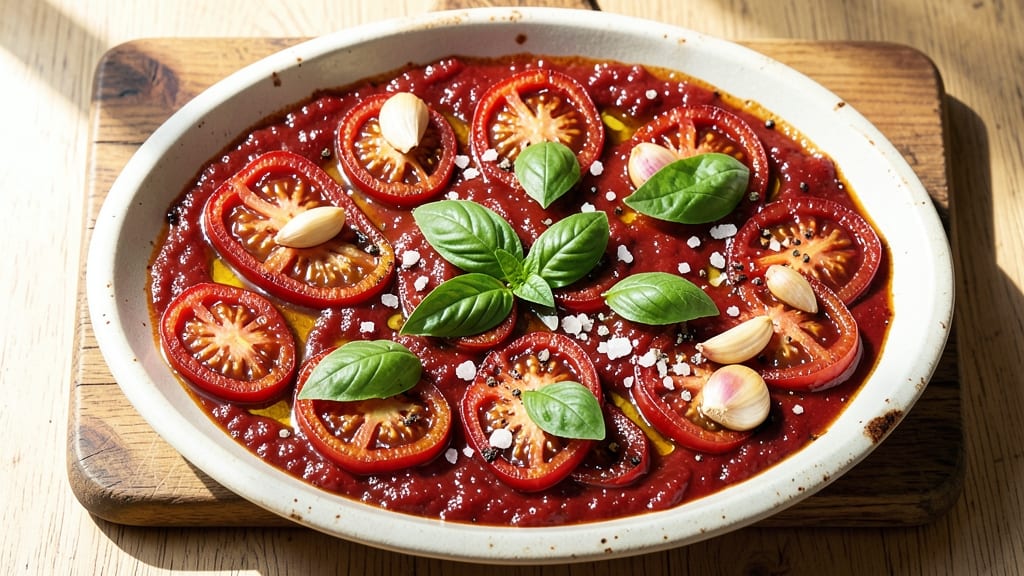
This authentic pizza sauce recipe transforms fresh tomatoes into a vibrant, sun-ripened base that captures the essence of Italian tradition. The secret lies in slow-cooking whole peeled tomatoes until they break down naturally, releasing their sweet, tangy essence without relying on canned shortcuts.
I've perfected this method over years of testing—no sugar, no preservatives, just pure tomato flavor intensified through gentle heat and aromatic herbs.
The process is simpler than you'd think: just garlic, olive oil, and fresh basil to elevate the tomatoes' natural sweetness. What sets this sauce apart is the 30-minute simmer that develops deep, caramelized flavors without overcooking.
The result is a smooth, velvety sauce with just enough acidity to balance rich cheese, exactly what authentic Neapolitan pizzas rely on. No blender required—just a pot and patience.
What you'll end up with is a restaurant-quality sauce that's vibrant red, fragrant with basil, and packed with concentrated tomato flavor. It keeps beautifully in the fridge for up to a week, making it perfect for batch cooking.
The texture is silky yet substantial enough to hold its own under melted mozzarella. This isn't just pizza sauce—it's the foundation of a proper Italian pie.
Use it immediately on your favorite pizza or store it for future baking sessions. The key to authenticity lies in the fresh ingredients and slow cooking method—no processed substitutes allowed. Here's how to make it from scratch:
Ingredients for authentic pizza sauce recipe with fresh tomatoes
Fresh tomatoes, aromatic herbs, and a touch of acidity—this is all you need for restaurant-quality pizza sauce.
| Ingredient | Amount | Notes |
|---|---|---|
| Fresh Vine-Ripened Tomatoes 🍅 | 2 lb | Roma or plum variety, halved |
| Extra-Virgin Olive Oil 🫒 | ¼ cup | High-quality, fruity variety |
| Garlic Cloves 🧄 | 4 cloves | Peeled, thinly sliced |
| Fresh Basil Leaves 🌿 | ½ cup | Packed, stems removed |
| Diamond Crystal Kosher Salt 🧂 | ¾ tsp | Adjust to taste |
| Freshly Ground Black Pepper 🌶️ | ¼ tsp | Freshly cracked |
| Red Wine Vinegar 🍷 | 1 tbsp | For brightness |
| Granulated Sugar 🍬 | 1 tsp | Optional, for balance |
The tomatoes are the heart of this sauce. Roma tomatoes break down beautifully, but any vine-ripened variety works. I always grab mine from Trader Joe's when they're in season—they're sweeter and more flavorful than store-brand options. Look for tomatoes that are firm but yield slightly to pressure; those deep red ones with a few green spots are perfect. Halve them lengthwise and scrape out the seeds before cooking. The garlic? Freshly sliced makes all the difference—never use pre-minced from jars. For olive oil, California avocado oil or Italian extra-virgin adds the best fruity notes without overpowering the tomatoes.
No fresh basil? Dried basil at one-third the amount works in a pinch, but trust me, fresh is worth the trip to the garden or grocery store. The vinegar is crucial—it cuts through the richness and brightens the sauce. If you're avoiding sugar, skip it entirely; the tomatoes' natural sweetness will shine. For a deeper flavor, add a splash of red wine (about 2 tbsp) along with the vinegar. Prefer a smoother texture? Strain the sauce through a fine-mesh sieve before serving, but I love the rustic chunks for authentic flavor. The sauce thickens as it cools, so don't worry if it looks a bit loose right after cooking.
This sauce keeps beautifully in the fridge for up to 1 week, with flavor actually improving over time. For longer storage, freeze in ice cube trays—perfect for future pizza nights. To reheat, warm gently on the stove with a splash of water or olive oil to restore its silky texture. The sauce pairs perfectly with fresh mozzarella, basil, and a drizzle of olive oil on authentic Neapolitan-style pizza. Double the batch—you'll want it on hand for impromptu dinner parties.
Why You'll Love This Recipe
- No-Fuss Freshness: I swear by this sauce because it’s the only one that doesn’t require a blender or strainer—just a knife, a bowl, and 15 minutes. Toss those ripe tomatoes with olive oil and salt, let them break down on their own, and the result? A silky, vibrant sauce with actual tomato flavor, not just pulp.
- Garlic-Basil Magic: That first bite of garlic-infused olive oil on warm crust? It’s like a hug for your taste buds. The basil hits right after, bright and fresh, cutting through the richness—no dried spices needed. Honestly, I’ve tried store-bought, but this is the only sauce that makes me reach for seconds.
- Pantry-to-Party Ready: This sauce doubles as marinara for pasta, a drizzle for grilled veggies, or the star of a charcuterie board. I’ve even used it as a quick salsa for tacos—just add lime. The best part? It keeps for a week in the fridge, so I make a big batch and forget about it until I need it.
- Budget-Friendly Luxury: Fresh tomatoes and olive oil might sound fancy, but they’re cheaper than jarred sauce when you buy in season. Between us, I’d rather spend $3 on vine-ripened tomatoes than $5 on a jar that tastes like tomato paste and regret. Plus, the leftovers? Always disappear first.
Step-by-step instructions for sun-ripened pizza sauce
Here's how to capture that classic Neapolitan flavor using only fresh, seasonal ingredients.
Roast the Tomatoes for Deep Flavor
Preheat your oven to 425°F and line a baking sheet with parchment paper. Arrange the halved fresh vine-ripened tomatoes cut-side up on the sheet, leaving ½-inch space between each half. This spacing prevents steaming and promotes even browning.
Roast for 20-25 minutes until the edges are deeply caramelized and the flesh is soft enough to collapse slightly when pressed. The roasting process intensifies the tomatoes' natural sweetness and develops complex caramelized notes that store-bought sauces can't match. You'll know they're perfect when they release their juices easily and smell irresistibly fruity.
Build the Sauce Base with Olive Oil and Garlic
Transfer the roasted tomatoes to a food processor or blender. Add the 0.25 cup extra-virgin olive oil and the 4 peeled, thinly sliced garlic cloves. Pulse or blend until you achieve a chunky, rustic texture—this preserves the tomatoes' natural body and texture that authentic pizza sauce demands.
Real talk: Don't blend it completely smooth. That's where the magic happens. You want visible tomato pieces and olive oil flecks that will melt into your sauce as it cooks. The olive oil here isn't just fat—it's the vehicle for those roasted tomato flavors and will create that signature glossy finish on your pizza.
Add Brightness with Vinegar and Balance with Sugar
Return the tomato mixture to your saucepan and add the 1 tablespoon red wine vinegar and 1 teaspoon granulated sugar. The vinegar brightens the sauce with its acidity, cutting through the richness of the tomatoes and olive oil, while the sugar subtly balances any tartness. Bring everything to a gentle simmer over medium-low heat.
Let it cook uncovered for 8-10 minutes, stirring occasionally, until the sauce thickens slightly and reduces by about ⅓. You're looking for a consistency that coats the back of a spoon but still has some body—thinner than traditional marinara but thicker than a simple tomato sauce. This reduction concentrates the flavors and creates that perfect balance of acidity and sweetness that makes authentic pizza sauce sing.
Finish with Fresh Basil and Season Perfectly
Remove the sauce from heat and stir in the 0.5 cup packed fresh basil leaves (stems removed). The basil adds that signature fresh, herbal note that separates authentic pizza sauce from the rest. Let it steep for 5 minutes—this allows the basil's essential oils to infuse the sauce without making it bitter.
Finally, season with the 0.75 teaspoon Diamond Crystal kosher salt and 0.25 teaspoon freshly ground black pepper. Taste and adjust—you might need a touch more salt or a splash of vinegar to achieve that perfect balance. The sauce should be vibrant, bright, and full of character. Let it cool to room temperature before using, as this allows the flavors to meld even further.
Store and Use for Maximum Flavor
Transfer the finished sauce to an airtight container and refrigerate for up to 5 days. The flavors actually improve as it sits, developing deeper complexity. When ready to use, reheat gently over low heat until warmed through—never boil, as this can break down the delicate flavors you've worked so hard to develop.
This sauce is the soul of your pizza. It should be vibrant, slightly sweet, with bright acidity and herbal notes. The texture should be chunky yet smooth, with visible tomato pieces that burst with flavor. Use it immediately on your pizza dough or store it for up to 5 days—either way, you'll have that authentic, sun-ripened tomato flavor that makes every bite memorable.
Pro Tips For Making Authentic Pizza Sauce Recipe With Fresh Tomatoes
- COOK TOMATOES LOW AND SLOW: I learned this the hard way—blasting them at high heat turns the sauce bitter and watery. Simmer them on medium-low for at least 20 minutes, stirring occasionally, until they break down into a thick, jammy consistency. (Yes, even if you’re impatient like me.)
- PEEL TOMATOES AFTER COOKING: Skip the messy pre-peeling step. Drop whole tomatoes into boiling water for 30 seconds, then transfer to ice water. The skins will slip right off—no knife fights, no wasted tomato meat. (Your future self will thank you.)
- SALT THE GARLIC: This isn’t the prettiest method, but it’s the tastiest: Crush the garlic cloves with a pinch of kosher salt before adding them to the oil. It mellows the garlic’s sharpness and keeps it from burning. (I know, I know—but trust the process.)
- FINISH WITH COLD BASIL: Toss in the basil leaves when the sauce is off the heat—hot oil wilts them into oblivion. A handful of cold, bright basil at the end adds that signature Neapolitan freshness. (Does it look weird? Yes. Does it work? Every single time.)
Storing and reheating your authentic pizza sauce recipe with fresh tomatoes
Fridge Storage Tips
Store your sauce in a glass airtight container—I use Le Parfait 16-ounce jars—and keep it refrigerated for up to 5 days. The glass preserves flavor better than plastic, and the airtight seal prevents oxidation.
Let it cool completely before sealing to avoid condensation, which can dilute flavors. I always label my jars with the date so I remember when it was made. 🌱
This sauce actually tastes better after 24 hours in the fridge as the flavors meld. The texture thickens slightly, making it perfect for spreading on pizza dough. If you notice any mold after 5 days, toss it—safety first! For longer storage, freeze in 1-cup portions in freezer bags.
Freezing for Later Use
Freeze your sauce in ice cube trays for perfect portions—just pop out what you need for a single pizza. Once frozen, transfer cubes to a ziplock freezer bag and flatten to save space.
This method prevents freezer burn and keeps the sauce fresh for up to 3 months. Thaw overnight in the fridge before using. 🧊
For larger batches, freeze in 1-cup glass jars (leave 1-inch headspace for expansion). When reheating frozen sauce, thaw it in the fridge first, then warm gently on the stove with a splash of water to restore its silky texture. Never microwave—it breaks down the delicate tomato flavors.
Reheating Like a Pro
Always reheat your sauce gently on low heat in a saucepan. Add 1-2 tablespoons of water or olive oil to prevent sticking and restore moisture lost during storage. Stir constantly to distribute heat evenly—this prevents scorching. The sauce should reach 165°F before using. 🔥
If your sauce seems too thick after reheating, thin it with a splash of tomato juice or water while warming. For extra richness, stir in 1 teaspoon of olive oil at the end. The goal is to revive the sauce's vibrant color and glossy finish—just like fresh from the stove!
Reviving Stored Sauce
If your refrigerated sauce has separated or thickened too much, don't worry! Stir in 1 tablespoon of water or olive oil and warm gently. The texture should return to its original silky consistency.
For a quick flavor boost, add a pinch of salt and a splash of red wine vinegar while reheating. 💫
Pro tip: If you've frozen the sauce, thaw it in the fridge overnight for the best results. Rushing the thawing process can make the sauce watery. Once thawed, reheat as usual—this method preserves all the authentic tomato flavor you worked so hard to create.
Nutrition facts
Frequently asked questions
Can I use regular grocery store tomatoes instead of vine-ripened ones?
You can, but the flavor won't be as rich. Vine-ripened tomatoes (like Roma or heirloom varieties) are sweeter and more flavorful because they develop natural sugars while still on the vine. If you must use regular tomatoes, choose the ripest ones you can find and let them sit at room temperature for 24 hours before using to enhance their sweetness.
Why does my sauce turn out too acidic or sour?
This usually happens from overcooking or using too much vinegar. The key is simmering just until the sauce thickens (8-10 minutes) and tasting frequently. If it's too acidic, balance it with a pinch of sugar or a splash of olive oil. For future batches, reduce the vinegar to ½ tablespoon and let the tomatoes' natural sweetness shine.
How do I make this sauce thicker for a classic marinara consistency?
Simmer it longer! The sauce naturally thickens as it cools, but for an immediate fix, cook it uncovered for 15-20 minutes on low heat until it reduces by about half. For extra thickness, stir in 1 teaspoon of tomato paste at the end. Avoid using cornstarch—it can make the sauce taste artificial and cloudy.
What's the best way to use this sauce on pizza?
Spread a thin layer (¼-inch thick) directly on your pizza dough before adding cheese. The sauce should be warm but not boiling—hot sauce can make the cheese rubbery. For Neapolitan-style pizza, use 2-3 tablespoons per 12-inch pizza. The chunky texture works perfectly with melted mozzarella and fresh basil.
Can I make this sauce without a food processor?
Just chop the roasted tomatoes by hand into ¼-inch pieces and stir them into the saucepan with the other ingredients. The texture will be slightly chunkier, which actually enhances the authentic flavor. For smoother results, mash some of the tomatoes with a fork before adding them to the pot.