
Sauces & Condiments
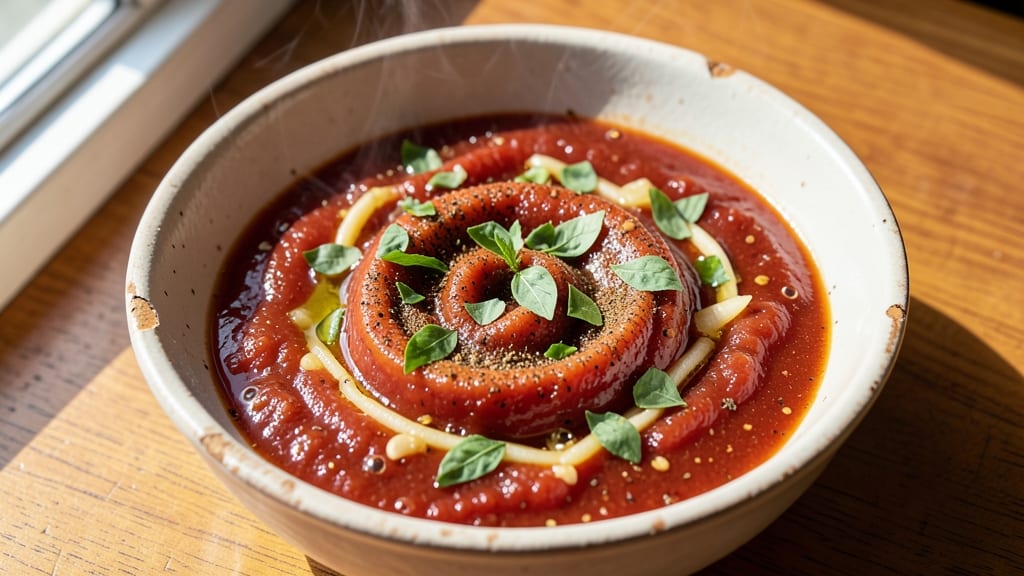
This authentic homemade pizza sauce transforms simple canned tomatoes into a rich, slow-simmered base with deep umami and bright freshness. The secret lies in caramelizing garlic and onions before adding tomatoes, then letting the sauce reduce for hours until thick and concentrated.
I developed this recipe after years of experimenting with Italian techniques—no shortcuts, just layered flavor that rivals restaurant-quality.
The sauce begins with a simple foundation of crushed tomatoes, garlic, and olive oil, but the magic happens during the slow simmer. As the mixture reduces, flavors meld together—sweet, tangy, and slightly smoky—while the basil added at the end brings a vibrant, aromatic finish.
This isn’t just sauce; it’s the soul of your pizza, balancing sweetness, acidity, and herbal brightness in every bite.
What makes this sauce truly special is its versatility. Use it immediately on fresh pizza dough for that classic Neapolitan taste, or store it in the fridge for up to a week or freeze it for months.
The slow-cooked method ensures a smooth, velvety texture without lumps, and the fresh basil at the end keeps the flavors bright and inviting.
For an extra layer of depth, try adding a pinch of red pepper flakes or a splash of balsamic vinegar while simmering. Whether you’re making classic Margherita or experimenting with bold toppings, this sauce will elevate every slice. Let’s get cooking!
Ingredients for authentic homemade pizza sauce
Simple ingredients that build restaurant-quality pizza sauce from scratch.
| Ingredient | Amount | Notes |
|---|---|---|
| Extra-Virgin Olive Oil 🫒 | ½ cup | High-quality, fruity variety preferred |
| Yellow Onion 🧅 | 1 whole | Medium size, finely diced |
| Garlic Cloves 🧄 | 6 cloves | Fresh, peeled, minced finely |
| Canned Crushed Tomatoes 🍅 | 28 oz | San Marzano preferred, no salt added |
| Fresh Basil Leaves 🌿 | ½ cup | Packed, stems removed, chopped |
| Dried Oregano 🍃 | 1 tsp | Italian or Mediterranean blend |
| Salt 🧂 | 1 tsp | Diamond Crystal kosher preferred |
| Black Pepper 🌶️ | ½ tsp | Freshly ground for best flavor |
| Red Wine Vinegar 🍷 | 1 tbsp | For brightness, optional but recommended |
| Granulated Sugar 🍚 | 1 tsp | Balances acidity, adjust to taste |
The tomatoes make or break this sauce. San Marzano is the gold standard—sweet, meaty, and low-acid—but any good-quality canned crushed tomatoes work. I grab mine at Whole Foods or Trader Joe's in the Italian section. For garlic, fresh is non-negotiable—jarred minced loses flavor fast. The olive oil should be fruity and peppery; California Early Harvest or Colavita are my go-tos. If you're feeling fancy, toast your garlic in the oil for 30 seconds before adding onions—it adds a nutty depth. The basil? Fresh only—dried won't give that bright finish.
No San Marzano? Any high-quality canned tomatoes work, but avoid the watery kinds. Short on basil? Dried oregano at half the amount gets you close, but you'll miss that fresh aroma. The red wine vinegar adds a nice tang—substitute lemon juice at the same amount if you don't have it. Want more umami? Add 1 tsp tomato paste> to the simmer. For heat, a pinch of red pepper flakes> works wonders. And if you're making a big batch, double the garlic and onions**>—they're the flavor anchors.
This sauce tastes even better the next day as flavors meld. Store in an airtight jar in the fridge for up to 1 week, or freeze for 6 months in ice cube trays for single servings. The texture thickens as it cools, so thin with a splash of water if needed. I always make extra—it disappears fast on pizzas, pasta, and even grilled cheese. The basil wilts quickly, so add it just before serving or store it separately in a sealed container with a damp paper towel.
Why You'll Love This Recipe
- Five-Ingredient Magic: I swear by this list—no fancy prep, just chop an onion and garlic while the sauce simmers. The crushed tomatoes handle all the heavy lifting, so you’re not stuck peeling cans or straining seeds.
- Garlic-Basil Bomb: That slow-simmered garlic in olive oil? It’s the secret weapon—deep, aromatic, and brightened by fresh basil at the end. Every bite tastes like a sun-drenched Italian kitchen, not just a jar of sauce.
- Pantry to Party: Make a big batch on Sunday, and you’ve got sauce for pizzas, pasta, or even bruschetta all week. Freezes like a dream, too—just thaw and toss.
- Budget-Friendly Luxury: Crushed tomatoes and olive oil cost pennies but taste like you spent hours. Here’s what sold me: the same flavor as takeout, but without the markup. My wallet and taste buds agree.
Step-by-step instructions for slow-simmered pizza sauce
Here's how to make a rich, balanced sauce that rivals any jarred version.
Sauté Onion and Garlic Until Transparent
Heat the 0.5 cup extra-virgin olive oil in a medium saucepan over medium-low heat. Add the finely diced yellow onion and cook for 8-10 minutes, stirring occasionally, until completely soft and translucent. This slow cooking prevents burning while developing sweetness.
Push the onions to the sides of the pan and add the minced garlic cloves. Cook for 30-60 seconds until fragrant—don't let it brown, or it'll turn bitter. Here's the thing: garlic burns fast, so keep an eye on it. Once fragrant, stir it into the onions and let the mixture sit undisturbed for 1 minute to meld flavors.
Add Tomatoes and Simmer for Depth
Pour in the 28 oz canned crushed tomatoes and bring the mixture to a gentle simmer over medium heat. Stir occasionally to prevent sticking. Let it cook uncovered for 20-25 minutes, stirring every 5 minutes to distribute the flavors evenly.
This slow simmer is where the magic happens—the acidity in the tomatoes softens, and the natural sugars caramelize slightly. You'll notice the sauce thicken naturally as it reduces. If it gets too thick before 20 minutes, add 1-2 tablespoons of water to maintain consistency. The goal is a smooth, velvety texture without lumps.
Season and Balance Flavors
Stir in the 1 tsp dried oregano, 1 tsp salt, 0.5 tsp black pepper, 1 tbsp red wine vinegar, and 1 tsp granulated sugar. Let the sauce simmer for another 5-7 minutes to allow the flavors to meld. Taste and adjust seasoning—you might need a bit more salt or sugar depending on your tomatoes.
This is where the sauce comes together. The vinegar brightens the acidity, the sugar balances it, and the oregano adds that classic Italian depth. If you're using high-quality San Marzano tomatoes, you might need less sugar, but it's worth tasting as you go. The sauce should be rich but not overpowering.
Finish with Fresh Basil
Remove the sauce from heat and stir in the 0.5 cup chopped fresh basil leaves. Let it sit off the heat for 5 minutes to infuse the basil's aroma. The heat will release the essential oils, giving your sauce that fresh, vibrant finish.
For the best results, don't skip this step. Fresh basil elevates the sauce from good to authentic. If you're worried about wilting, add the basil just before serving, but I promise the flavor is worth the wait. The sauce should be smooth, slightly thickened, and bursting with layered flavors—sweet, tangy, and herby all at once.
Pro Tips For Making Authentic Homemade Pizza Sauce
- Sweat the Onion Right: Don’t rush the onion—cut it into even ¼-inch slices and cook them over medium-low heat for 8–10 minutes until they’re translucent and just starting to caramelize. I used to burn them in 3 minutes, but this slow step builds flavor that makes the whole sauce taste deeper.
- Crush Garlic Like a Pro: Smash the garlic cloves with the flat side of your knife before mincing—this releases more flavor. Then, cook them on low heat just until fragrant (about 30 seconds), or they’ll turn bitter. (Yes, even if you’re impatient like me.)
- Stir the Tomatoes Gently: After adding crushed tomatoes, give the sauce a single stir to distribute the oil, then let it simmer uncovered on low. Stirring too much breaks down the texture into mush—you want chunks that soften but hold their shape.
- Finish with Fresh Basil: Tear the basil leaves by hand (not chopping) and add them in the last 5 minutes of cooking. This keeps their bright flavor intact instead of letting them turn bitter. (Pro move: Use about half the recipe’s basil now, save the rest for garnish.)
Perfect pairings for authentic homemade pizza sauce
Pizza Pairing Basics
Start with a classic Margherita pizza—this sauce shines with its bright acidity and herbal notes. Spread a thin layer of sauce (about ¼ cup) on your dough, leaving a ½-inch border for the crust.
Top with fresh mozzarella (shredded or torn into chunks) and a few basil leaves right after baking. The sauce's balance of sweetness and tang cuts through the creamy cheese perfectly. 🍕
Bold Topping Combinations
For a meat lover's pizza, pair this sauce with pepperoni, Italian sausage, and mushrooms. The sauce's depth complements the smoky, spicy flavors without overpowering them. I like adding red pepper flakes (about ½ tsp) to the sauce before baking for extra heat.
For a vegetarian option, try caramelized onions, roasted bell peppers, and goat cheese—the tangy sauce balances the sweetness beautifully.
Sauce for Pasta and More
Don’t limit this sauce to pizza! Toss it with al dente spaghetti and top with garlic breadcrumbs for a quick weeknight dinner. The sauce also works wonders on grilled cheese sandwiches—spread it between two slices of sourdough with sharp cheddar for a gourmet twist.
Even bruschetta gets an upgrade with this sauce as a dip. The versatility is one of my favorite things about it!
Wine and Beer Pairings
A crisp Italian Pinot Grigio (like Santa Margherita) enhances the sauce’s bright acidity, while a Chianti (such as Castello di Volpaia) brings out its umami depth.
For beer lovers, a light Italian lager (like Peroni) or a hoppy wheat beer (such as Blue Moon) balances the richness. Avoid heavy stouts—they’ll clash with the sauce’s freshness. 🍷
Storage-Friendly Uses
Use leftover sauce on breakfast hash with potatoes and eggs, or drizzle it over roasted vegetables like zucchini and eggplant. Freeze portions in ice cube trays for single-serving convenience—just thaw and use!
The sauce’s concentrated flavor makes it perfect for slow-cooked dishes like ravioli or lasagna. I always keep a jar in the fridge for last-minute pizza nights.
Sweet and Savory Twist
For a dessert pizza, spread the sauce on pre-baked pizza dough, top with ricotta cheese, honey, and cinnamon, then bake until golden. The tangy-sweet contrast is unexpected but delicious!
You can also mix 1 tbsp of the sauce into pasta dough for a subtle tomato flavor in homemade gnocchi. The possibilities are endless, and I love experimenting. 💡
Nutrition facts
Frequently asked questions
Can I use fresh tomatoes instead of canned for this sauce?
Fresh tomatoes work but require extra prep to avoid watery sauce. Use 4-5 large ripe tomatoes (about 1.5 lbs) and blend them first before simmering. Remove seeds and excess liquid, then proceed with the recipe. For best results, roast the tomatoes at 400°F for 20 minutes before blending to concentrate flavors.
Why does my homemade sauce taste too acidic?
Acidity comes from the tomatoes and vinegar. Balance it by adding ½ tsp more sugar or a pinch of salt while simmering. For a richer taste, reduce the vinegar to ½ tbsp next time. Let the sauce rest overnight—flavors mellow as it cools, reducing perceived acidity.
How do I make this sauce thicker or thinner?
For thicker sauce, simmer uncovered for 5-10 extra minutes> to reduce. If too thick, thin with 1 tbsp water or broth> at a time. For ultra-thick sauce (like Neapolitan style), simmer until it coats the back of a spoon. If using store-bought sauce, simmer for 15-20 minutes> to evaporate excess moisture.
What's the best way to store leftover sauce?
Store in an airtight glass jar in the fridge for up to 1 week>. For long-term storage, freeze in ice cube trays> (thaw quickly in microwave) or silicone molds> for single servings. Label with dates—frozen sauce keeps for 6 months> while maintaining flavor. The texture thickens when cold, so thin with water if needed before using.
Can I make this sauce in a slow cooker or Instant Pot?
For a slow cooker, combine all ingredients (except basil) and cook on low for 4-5 hours>, stirring occasionally. For Instant Pot, sauté onions and garlic first, then add remaining ingredients and cook on high pressure for 10 minutes**>. Both methods work well—just add basil at the end. The slow cooker version gets even more flavorful over time!