
Sauces & Condiments
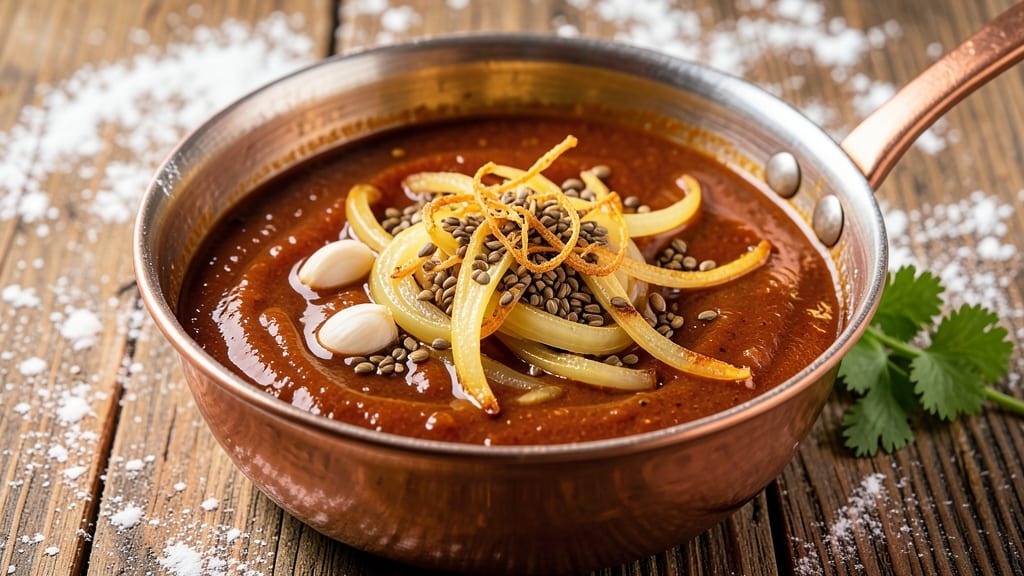
This authentic masala sauce recipe delivers the deep, aromatic complexity of traditional Indian cooking with a slow-simmered base and bright herb finish. The secret lies in blooming whole spices in hot oil—ginger, garlic, and cumin—to unlock their full potential before building layers of tomato, onion, and a touch of cream.
What sets this apart is the balance: rich enough for curries but versatile enough to elevate grilled meats or roasted vegetables.
The process begins with a dry roast of spices, which forms the foundation of flavor, followed by a slow simmer that reduces the sauce to a concentrated, velvety consistency.
Fresh herbs like cilantro and mint are added at the end to preserve their brightness, ensuring every spoonful carries that signature freshness. This isn’t just a sauce—it’s a flavor bomb that transforms simple dishes into restaurant-worthy meals.
What makes this sauce truly authentic is the technique: no shortcuts, no paste substitutes. The slow simmer allows spices to meld without burning, while the final touch of cream or yogurt adds a luxurious finish.
The result is a sauce that’s rich, aromatic, and adaptable—perfect for curries, marinades, or even as a dip. Once you taste it, you’ll never settle for store-bought again.
Use this sauce as the backbone of your curries, drizzle it over grilled chicken or fish, or serve it with naan for an instant flavor upgrade. The best part?
It keeps well in the fridge for up to a week, so you can make a big batch and enjoy it all week long. Let’s get cooking!
Ingredients for authentic masala sauce
Here’s what you’ll need to build this restaurant-worthy masala sauce from scratch.
| Ingredient | Amount | Notes |
|---|---|---|
| Ghee 🧈 | ½ cup | Clarified butter for rich flavor |
| Yellow Onions 🧅 | 2 whole | Finely chopped, yellow or red |
| Garlic Cloves 🧄 | 6 cloves | Peeled, minced for aroma |
| Fresh Ginger Root 🌿 | 2 tbsp | Grated, not powdered |
| Whole Cumin Seeds 🌶️ | 1 ½ tbsp | Toasted for depth |
| Whole Coriander Seeds 🌶️ | 1 tbsp | Toasted lightly |
| Black Cardamom Pods 🌿 | 4 whole | Lightly crushed |
| Bay Leaves 🌿 | 2 whole | Fresh if possible |
| Canned Crushed Tomatoes 🍅 | 1 can | 28 oz, San Marzano preferred |
| Heavy Cream 🥛 | ¼ cup | Full-fat for richness |
| Fresh Cilantro 🌿 | ¼ cup | Chopped, stems removed |
| Fresh Mint Leaves 🌿 | 0.2 cup | Chopped finely |
| Salt 🧂 | 1 tsp | Diamond Crystal preferred |
| Ground Black Pepper 🌶️ | ½ tsp | Freshly cracked |
| Sugar 🍬 | 1 tbsp | Balances acidity |
The spices are non-negotiable—whole spices toasted in ghee unlock flavors powdered versions can’t match. Hit up the bulk section at Whole Foods or Indian grocery stores for the best quality cumin, coriander, and cardamom. Fresh ginger and garlic? Local farmers markets have the juiciest. Toast your spices in the ghee until fragrant—this is where the magic happens. Skip the pre-ground spices; they’re like fast food compared to this sauce.
No whole spices? Toasted cumin powder and coriander powder work in a pinch, but you’ll lose that nutty depth. Fresh ginger and garlic can’t be replaced—powdered versions taste like cardboard. Heavy cream substitutes? Coconut milk or Greek yogurt add richness, but cream gives that signature velvety finish. And cilantro/mint? Dried herbs won’t cut it—they’ll turn your sauce bitter. If you’re short on cilantro, parsley can stretch it, but mint is non-negotiable for that bright finish.
This sauce keeps like a dream—1 week in the fridge sealed tightly, or 3 months frozen in ice cube trays for easy portions. The flavors actually improve after a day or two as everything melds. Double the batch and freeze half; you’ll thank yourself later. Store it in glass jars to avoid absorbing fridge odors. When reheating, do it slowly over low heat—rushing it makes the spices bitter.
Why You'll Love This Recipe
- No-Fuss Base: I swear by this sauce because it’s the kind of thing you can make while half-watching a show. Sauté onions in ghee until golden, toss in whole cumin seeds—they crackle like tiny fireworks—and boom, you’re already halfway there. No blenders, no stress, just pure, aromatic magic in a pot.
- Layered Depth: That first hit of ginger and garlic frying in ghee? It’s like a flavor bomb. The onions caramelize just enough to balance the sharp kick of fresh ginger, while the cumin seeds add this earthy warmth that sticks with you. Honestly, it’s the kind of taste that makes you pause mid-bite.
- Weeknight Swiss Army Knife: This sauce is my secret weapon for lazy nights. Dump it over rice and eggs? Done. Toss it with roasted veggies? Instant dinner. Even slather it on toast with a fried egg—trust me, it’s a vibe. It’s the one sauce that turns "what’s for dinner?" into "oh, that was easy."
- Budget-Friendly Staple: Ghee might sound fancy, but a little goes a long way, and onions, garlic, and ginger are pantry staples. I make big batches—this sauce keeps for days in the fridge—and it’s the kind of thing that makes frugal cooking feel special. Plus, the leftovers? Even better the second time around.
Step-by-step instructions for slow-simmered masala sauce
Here's how to build authentic, aromatic masala with layers of spice and freshness.
Bloom the Whole Spices in Ghee
Heat the 0.5 cup ghee in a heavy-bottomed pot over medium-low heat until it shimmers but doesn't smoke. Add the 1.5 tbsp whole cumin seeds and 1 tbsp whole coriander seeds—they'll sizzle and pop within 30 seconds. This toasting releases their essential oils, creating the foundation of your sauce's depth.
Next, add the 4 whole black cardamom pods (lightly crushed) and 2 whole bay leaves. Stir gently for 1 minute until the spices are fragrant but not browned. Watch closely—they burn quickly. The ghee should smell rich and toasty, like warm spices at a street-side stall. If you notice any darkening, immediately reduce the heat to low and continue stirring.
Sauté the Aromatics Until Golden
Add the 2 whole yellow onions, finely chopped, and cook for 8-10 minutes over medium heat until soft and golden. Stir occasionally to prevent sticking. The onions should caramelize slightly, deepening the sauce's sweetness and complexity.
When the onions are translucent, add the 6 cloves minced garlic and 2 tbsp grated fresh ginger root. Cook for 1-2 minutes until the raw garlic smell disappears and the mixture turns a vibrant golden color. This step is crucial—it removes the harshness of raw garlic while building the sauce's aromatic base. If the mixture starts to stick, add 1 tablespoon water to deglaze and scrape up any browned bits from the bottom of the pot.
Simmer with Tomatoes and Balance Flavors
Pour in the 1 can crushed tomatoes and stir well to combine with the spiced aromatics. Add the 1 tbsp sugar and 1 tsp salt, then bring the mixture to a gentle simmer. Reduce heat to low and let it cook uncovered for 20-25 minutes, stirring occasionally. The sauce should thicken slightly, and the acidity of the tomatoes will mellow.
Taste the sauce at this stage—it should be rich, spicy, and slightly sweet. If it's too acidic, add another ½ teaspoon sugar. If it needs more depth, let it simmer an extra 5 minutes. The goal is to create a balanced foundation where the spices shine without overpowering. The sauce should coat the back of a spoon but still be pourable.
Finish with Cream and Fresh Herbs
Stir in the 0.25 cup heavy cream and 0.5 tsp ground black pepper, then simmer for 3-4 minutes until the cream is fully incorporated and the sauce is smooth. Remove the pot from heat and let it cool slightly for 2 minutes. This prevents the fresh herbs from wilting in the hot liquid.
Add the 0.25 cup chopped fresh cilantro and 0.2 cup finely chopped fresh mint leaves, stirring gently to distribute the herbs evenly. The sauce should look vibrant green with flecks of freshness. Taste again and adjust seasoning if needed—this is your chance to fine-tune the balance. The final sauce should be aromatic, slightly sweet, and deeply spiced, with bright herbal notes cutting through the richness.
Rest and Serve
Let the masala sauce rest for 10 minutes before serving. This allows the flavors to meld and the sauce to thicken slightly. If you're using it immediately, stir well before serving to redistribute any settled spices or herbs.
The sauce is now ready to pair with grilled meats, rice, or flatbreads. For extra authenticity, drizzle a little over butter chicken or biryani just before serving. The fresh herbs will brighten the dish, while the slow-simmered spices ensure every bite is packed with depth. Store any leftovers in an airtight container in the refrigerator for up to 5 days, or freeze for 3 months. Reheat gently over low heat, stirring in a splash of water if it thickens too much.
Pro Tips For Making Authentic Masala Sauce
- Bloom the Onions Slow: I used to rush this step and end up with bitter, charred onions—no one wants that in masala. Instead, cook them on medium-low heat with the ghee until they’re soft, golden, and almost translucent (about 8-10 minutes). The longer you let them caramelize, the richer the flavor, and the less likely you’ll need extra sugar later.
- Toast Cumin Until It Sings: Whole cumin seeds should pop like tiny firecrackers before you add the onions. If you skip this, you’re just adding flavorless seeds. Use a dry pan, toast them for 30 seconds until fragrant, then immediately add the ghee—this prevents burning and unlocks their nutty depth.
- Grate Ginger Like You Mean It: Pre-packaged ginger is convenient, but fresh is non-negotiable for real masala. Use the fine side of a box grater (or pulse in a food processor) until it’s almost paste-like—no big chunks. This ensures it blends smoothly and infuses the sauce evenly, not just sits as texture.
- Simmer, Don’t Boil: After adding garlic and ginger, keep the heat low and let the mixture gently bubble, not roll. Boiling burns the ghee’s delicate aroma and turns the sauce bitter. A slow simmer (2-3 minutes) lets the spices meld without losing their bright, aromatic punch—trust the process, even if it feels slow.
Pro cooking tips for authentic masala sauce
Spice Bloom Mastery
The key to authentic masala flavor starts with properly blooming whole spices in hot ghee. Heat the ghee to medium-low until shimmering but not smoking—this prevents burning. Add cumin seeds first as they release oils immediately, then coriander seeds and cardamom pods after 30 seconds.
Stir constantly for 1 minute until fragrant but not browned. I use a 10-inch cast iron skillet for even heat distribution—it’s my secret weapon for consistent results. 🌶️
Onion Caramelization
Don’t rush the onion cooking! Finely chop 2 yellow onions and sauté over medium heat for 8-10 minutes until deep golden brown. This step transforms sweetness into complex caramelized depth. If onions stick, add 1 tbsp water and scrape with a wooden spoon to release fond from the pot.
I like to use red onions for a slightly sharper bite, but yellow onions work perfectly for classic masala. The longer they cook, the richer the sauce becomes.
Tomato Reduction
Simmering the tomatoes is where the sauce’s concentrated depth develops. After adding crushed tomatoes, reduce heat to low and let it bubble gently for 20-25 minutes. The sauce should reduce by about one-third, intensifying flavors.
Taste frequently—if it’s too acidic, add ½ tsp sugar; if it’s bland, let it simmer 5 more minutes. I’ve found San Marzano tomatoes make the biggest difference—they’re sweeter and less acidic than store brands. A fine-mesh strainer can remove skins for a smoother texture if preferred.
Fresh Herb Timing
Adding cilantro and mint at the very end preserves their bright, fresh flavors. Let the sauce cool slightly for 2 minutes before stirring them in—this prevents wilting. I chop herbs finely and add them in two stages: first a small handful to taste, then the rest.
For extra vibrancy, pulse fresh herbs in a food processor for 3 seconds before adding. If you’re short on mint, spearmint works in a pinch, but traditional peppermint is ideal for authenticity.
Cream Integration
Stirring in heavy cream at the end adds luxurious richness, but timing is critical. Simmer for only 3-4 minutes—any longer and the sauce may curdle. Remove from heat immediately after, then let it rest for 10 minutes before serving.
This resting period allows flavors to meld completely. For a dairy-free version, substitute full-fat coconut milk and add 1 tsp lemon juice to balance sweetness. The cream should blend seamlessly, creating a velvety finish.
Flavor Adjustments
Taste your sauce at every stage—this is where personal customization happens. Need more heat? Add ½ tsp cayenne or a pinch of red chili flakes. Too spicy? Balance with 1 tsp sugar or a splash of lemon juice.
For depth, a black cardamom pod or clove can elevate complexity. I keep a small bowl of crushed black pepper nearby to adjust seasoning at the table. The goal is harmony: spices should sing, not shout. 💫
Nutrition facts
Frequently asked questions
Can I substitute ghee with another fat?
Yes, but with flavor trade-offs! For a neutral taste, use butter (unsalted) or olive oil, but ghee's high smoke point and nutty flavor make it ideal. If using butter, add 1 tbsp extra to compensate for water content. For a dairy-free option, coconut oil works well—just reduce heat slightly to prevent burning.
How can I make this sauce less spicy?
Adjust spice levels at key stages: reduce cumin seeds to 1 tbsp, skip black cardamom pods, or add ½ tsp sugar to balance heat. For extra mildness, blend the finished sauce with 2 tbsp plain yogurt before serving. Always taste as you go—you can't remove spice once added!
What's the best way to store and reheat leftovers?
Store in airtight glass jars in the fridge for up to 5 days or freeze in ice cube trays for 3-month portions. To reheat, warm gently over low heat with 1 tbsp water, stirring constantly. Never microwave—it breaks the spice emulsion. For best texture, reheat only what you'll use immediately.
Can I make this sauce without tomatoes?
Replace tomatoes with 1 cup tomato paste + ½ cup water for depth, or use 1 cup coconut milk for a dairy-free version. For a fruit-based twist, try 1 cup blended mango or pineapple (add ½ tsp lemon juice to balance sweetness). The key is maintaining moisture—adjust liquid as you simmer.
Why did my sauce turn bitter?
Most likely from overcooking or burnt spices. Prevent this by:
- Never letting onions brown too darkly
- Keeping heat at medium-low during tomato simmer
- Removing from heat immediately after adding cream