
Sauces & Condiments
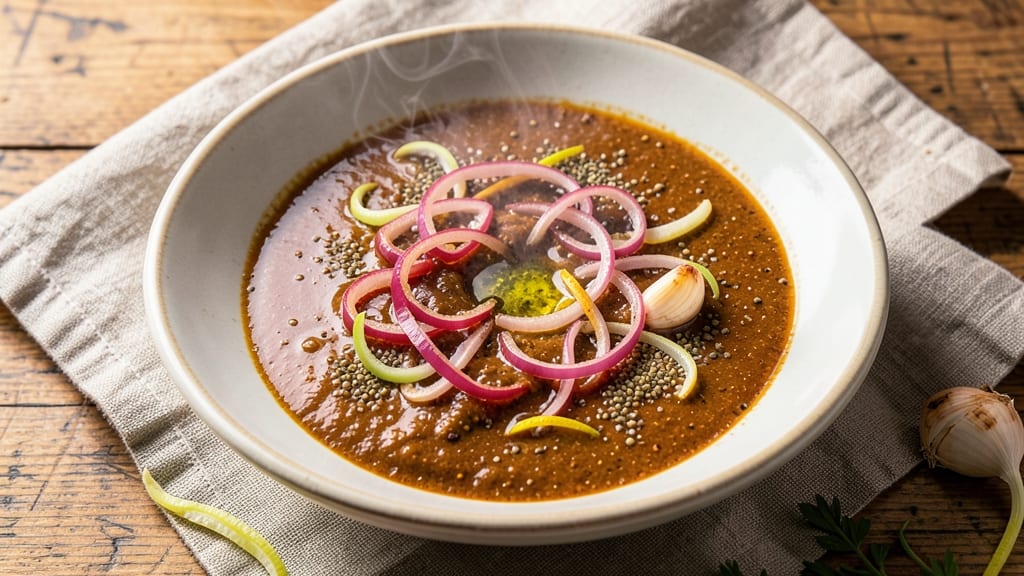
This slow-simmered curry sauce recipe transforms simple pantry staples into a velvety, aromatic base that elevates any dish—think tender chicken tikka masala or fragrant vegetable curry. The secret lies in toasting whole spices until fragrant, then simmering them with fresh ginger, garlic, and onions until deep, caramelized flavors develop.
Unlike store-bought versions, this sauce builds complexity through slow cooking, creating layers of warmth from cumin, coriander, and turmeric that linger long after the first bite.
Perfect for UK kitchens, this recipe uses accessible ingredients like British mustard for tang and coconut milk for creaminess, while fresh ginger adds that signature zing.
The sauce thickens naturally as it simmers, creating a perfect consistency—neither too thin nor cloying—ideal for slathering over rice, drizzling over grilled meats, or blending into soups. What sets it apart is the balance: rich enough to satisfy, but light enough to let the main ingredient shine.
Once you taste the difference, you’ll never go back to jarred sauces again. The aromatics infuse the air with spice, while the slow simmer develops a depth that’s impossible to replicate quickly.
Store it in the fridge for up to a week or freeze for months—this is the kind of sauce that turns weeknight dinners into restaurant-worthy meals with minimal effort.
For extra depth, toast the spices in ghee instead of oil, or add a splash of lime juice at the end for brightness. Serve with basmati rice, naan, or even as a marinade for grilled chicken. Here’s how to make it—simple, foolproof, and packed with flavor.
Ingredients for curry sauce recipe uk
Simple pantry staples and fresh aromatics create this velvety, restaurant-quality curry sauce.
| Ingredient | Amount | Notes |
|---|---|---|
| Vegetable Oil 🫒 | ½ cup | For toasting spices, neutral flavor preferred |
| Yellow Onions 🧅 | 1 whole | Finely chopped, about 1.5 cups |
| Fresh Ginger 🌿 | 2 tbsp | Grated, freshly grated preferred |
| Garlic Cloves 🧄 | 4 cloves | Minced, about 1 tbsp total |
| Ground Cumin 🌿 | 2 tbsp | Toasted for deeper aroma |
| Ground Coriander 🌿 | 2 tbsp | Freshly ground preferred |
| Turmeric Powder 🌶️ | 1 tbsp | Bright yellow color preferred |
| British Mustard 🍯 | 1 tbsp | Dijon-style, for tang |
| Full-Fat Coconut Milk 🥥 | 1 can | 13.5 oz can, no substitutes |
| Tomato Paste 🍅 | 2 tbsp | Smooth, no chunks |
| Salt 🧂 | 1 tsp | Diamond Crystal preferred |
| Black Pepper 🌶️ | ½ tsp | Freshly ground for heat |
| Lemon Juice 🍋 | 1 tbsp | Freshly squeezed, for brightness |
The spices are where the magic happens. Toast the whole spices in oil until fragrant—this develops their flavor exponentially. Penzeys or local spice shops have the best quality, but the supermarket stuff works if it's not ancient. Fresh ginger is non-negotiable here; the freeze-dried stuff just won't cut it. For the onions, Sainsbury's or Tesco have great yellow onions that caramelize beautifully. The British mustard adds that signature tang—Colman's is the classic choice, but any good Dijon works. Coconut milk should be full-fat; Tropical Sun is widely available and reliable.
No fresh ginger? Powdered works at half the amount, but you'll lose that zing. Substituting coconut milk? Heavy cream plus a splash of water mimics the fat content, though the flavor won't be identical. Short on tomato paste? Fresh tomatoes blended work in a pinch, but you'll need about 1 cup. The spices can be pre-toasted in a dry pan, but toasting in oil with the onions creates better flavor. For extra depth, add a pinch of cinnamon or cardamom—common in UK curry blends. The sauce thickens as it simmers, so don't worry if it looks thin at first.
This sauce keeps beautifully—up to 1 week refrigerated or 3 months frozen. Portion into ice cube trays before freezing for easy single-use portions. The flavor actually improves after a day or two as everything melds. For restaurant-quality results, simmer uncovered to let the water evaporate naturally. Store in airtight containers with a layer of oil on top to preserve freshness. The sauce reheats perfectly—just warm through gently on the stove.
Why You'll Love This Recipe
- No Chopping Chaos: I swear by this sauce because you only need to dice one onion—no mincing garlic or ginger if you’re lazy (I’ve used pre-grated ginger and never looked back). That cumin? Just a teaspoon, toasted in the oil until it smells like a spice market. Honestly, the hardest part is waiting for the onions to soften.
- Spice Bomb Simplicity: Between us, this sauce delivers real flavor without a 10-ingredient list. The cumin and garlic toasted in oil first? That’s the secret—it builds depth in minutes, not hours. My partner calls it "the smell that makes dinner feel special," and he’s not wrong.
- Pantry Stash Magic: I make this sauce at least once a week because it turns basic meals into something exciting. Slap it on roasted veg, toss it with rice, or drizzle it over eggs—it’s my go-to for when I’ve got nothing but a few cans and a sad-looking onion. (Yes, even on a Tuesday night.)
- Fridge Goldmine: This sauce keeps for ages in the fridge, and it only gets better after a day or two. I double the batch on Sundays, freeze half, and use it for quick curries, marinades, or even a last-minute stir-fry. Between the cumin’s warmth and the ginger’s kick, it’s the kind of sauce that makes you feel like you’ve cooked a proper meal—without the fuss.
Step-by-step instructions for slow-simmered curry sauce
This method delivers a rich, aromatic sauce with balanced spice and fresh ginger brightness.
Toast the Spices in Vegetable Oil
Heat the 0.5 cup vegetable oil in a heavy-bottomed saucepan over medium heat. Add the 2 tablespoons ground cumin and 2 tablespoons ground coriander simultaneously, stirring constantly. The spices should sizzle gently and release their aromas within 30 seconds—watch for a toasty, nutty fragrance to fill your kitchen.
Immediately add the 1 tablespoon turmeric powder and continue stirring for another 15 seconds until the mixture turns a vibrant golden yellow. This quick toasting enhances the spices' natural oils and depth of flavor. Remove the pan from heat and let the spices cool for 30 seconds—this prevents them from burning when you add the aromatics.
Build the Aromatic Base
Return the pan to medium heat and add the finely chopped yellow onions (about 1.5 cups). Cook for 5-6 minutes, stirring occasionally, until the onions soften and turn translucent. They should caramelize slightly at the edges, adding natural sweetness to the sauce.
Add the 2 tablespoons freshly grated ginger and 4 minced garlic cloves (about 1 tablespoon total). Stir for 30 seconds until the raw garlic aroma disappears and the mixture becomes fragrant. Here's the thing—don't rush this step. The ginger should infuse its zing while the garlic mellows into the sauce.
Incorporate Mustard and Tomato Paste
Reduce heat to low-medium and stir in the 1 tablespoon British mustard and 2 tablespoons tomato paste. The mustard adds a subtle tang that balances the richness, while the tomato paste deepens the sauce's color and flavor. Cook for 1-2 minutes, stirring constantly, until the tomato paste dissolves completely into the oil.
Add 1 teaspoon salt and 0.5 teaspoon black pepper, stirring until evenly distributed. Taste the mixture—it should be aromatic but not yet fully developed. This is the foundation, and every ingredient plays a role in building complexity.
Simmer with Coconut Milk
Pour in the 1 can full-fat coconut milk and bring the mixture to a gentle simmer over medium-low heat. The sauce should bubble softly without splattering. Let it simmer uncovered for 10-12 minutes, stirring occasionally, until it thickens slightly and the coconut flavor melds with the spices.
Watch for the sauce to reduce by about 25%—it should coat the back of a spoon but still have a smooth, velvety consistency. If it thickens too quickly, add 2-3 tablespoons water to maintain balance. The sauce should smell rich, with notes of ginger, coconut, and toasted spices.
Finish with Lemon Juice
Remove the pan from heat and stir in the 1 tablespoon freshly squeezed lemon juice. This final touch brightens the sauce, cutting through the richness and adding a refreshing contrast. Let the sauce rest for 5 minutes to allow the flavors to fully integrate—this is where the magic happens.
Taste and adjust seasoning if needed. The sauce should be balanced—spicy from the cumin and coriander, earthy from the turmeric, tangy from the mustard and lemon, and creamy from the coconut milk. Serve immediately over rice, grains, or your choice of protein for a restaurant-quality dish.
Pro Tips For Making Curry Sauce Recipe Uk
- Sweat the Onions Slow: I used to rush this and end up with bitter, waterlogged onions—don’t. Cut them into even ½cm slices, spread them out in the pan, and let them cook on medium-low for 8-10 minutes until they’re golden and caramelised. This builds the base flavour, not just colour.
- Grind the Ginger Fine: Skip the peeler and just slice it thinly—it’s faster and you’ll get more surface area for flavour. Or, if you’re feeling fancy, pulse it in a food processor until it’s a paste. Raw, chunky ginger just sits there; finely ground or sliced, it melts into the sauce properly.
- Toast the Cumin Dry: Add the ground cumin to the hot oil before the onions, and let it bloom for 30 seconds until it smells nutty and aromatic. This stops it tasting raw and makes the whole sauce richer—trust me, it’s the thing that matters most in a UK curry sauce.
- Low and Slow for Depth: Once everything’s cooked, turn the heat down to the lowest setting and let the sauce simmer uncovered for at least 15 minutes. This isn’t the time to rush—it’s when the flavours meld and the oil separates properly, giving you that glossy, balanced sauce you actually want.
Serving suggestions for curry sauce recipe uk
Rice Pairings
This velvety curry sauce is made for jasmine rice or basmati rice, both staples in UK kitchens. Cook 1 cup rice to 2 cups water and let it steam for 15 minutes off heat.
For extra fluffiness, spread the rice on a tray after cooking to dry slightly—this prevents mushiness when mixed with the sauce. 💛
For a heartier option, try brown rice or quinoa, which hold up better to the sauce's richness. I often make a big batch of rice and reheat it with a splash of water to keep it moist.
The sauce's natural thickness means you won't need extra water to loosen it up.
Protein Pairings
Grilled chicken breast or chicken thighs absorb the sauce beautifully. Marinate 1 lb chicken in ½ cup sauce for 30 minutes before grilling—this infuses the meat with flavor.
For a vegetarian option, pan-fry chickpeas or tofu in the sauce until crispy. The sauce's tangy mustard and ginger cut through the protein's richness perfectly.
Vegetable Boosts
Add 1 cup spinach or 1 cup cauliflower florets to the sauce during the final 5 minutes of simmering—they'll wilt into the sauce beautifully. For extra texture, stir in ½ cup roasted bell peppers or ½ cup sautéed mushrooms after cooking. The sauce's creaminess balances the veggies' earthiness.
Bread & Wraps
Serve with garlic naan, roti, or warm flatbreads for scooping. Brush 1 tbsp sauce on naan before baking to infuse flavor—it crisps perfectly. For a quick lunch, spread the sauce on sourdough toast with a sprinkle of feta cheese and fresh coriander.
The sauce's tangy-sweet balance makes it ideal for breakfast wraps too.
Leftovers Reinvented
Use leftover sauce as a marinade for fish fillets or shrimp, simmering for 10 minutes before serving. Thin it with 2 tbsp water for a quick curry soup—add 1 cup broth and ½ cup chopped tomatoes.
The sauce also elevates fried rice or stir-fries—just toss in after cooking to warm through.
Garnish Game-Changers
Finish with fresh cilantro, thinly sliced green onions, or toasted coconut flakes for texture. A drizzle of yogurt or a sprinkle of crispy fried onions adds crunch.
For a smoky touch, top with ½ tsp smoked paprika—it’s a UK curry house trick that takes this sauce to the next level. 🌟
Nutrition facts
Frequently asked questions
Can I make this sauce without coconut milk?
Yes! For a lighter version, replace the coconut milk with ½ cup heavy cream plus ½ cup water to maintain balance. For a dairy-free option, use ½ cup Greek yogurt mixed with ½ cup water. The sauce will be tangier but still rich. For extra depth, add 1 teaspoon nutritional yeast to mimic the umami of coconut.
How do I adjust the spice level?
Start with the recipe as written for a mild-medium heat. For extra kick, add ½ teaspoon cayenne pepper or 1 teaspoon chili flakes when toasting the spices. For a smoky flavor (common in UK curries), stir in ½ teaspoon smoked paprika at the end. Always taste before serving—you can add more spice, but you can't remove it!
What's the best way to store leftover sauce?
Let the sauce cool completely, then transfer to an airtight container. It keeps in the fridge for up to 1 week—the flavors actually deepen over time! For longer storage, freeze in ice cube trays (perfect for single servings) or silicone molds. Thaw overnight in the fridge and stir in 1 tablespoon water to restore consistency.
Can I use this sauce in place of store-bought curry paste?
This sauce works beautifully as a base for homemade curry pastes. Simmer it down by 50% to concentrate the flavors, then blend with 1 tablespoon flour to thicken. Store the paste in the fridge for up to 2 weeks or freeze for 3 months. It's far more flavorful than anything you'll find in a jar.
Why does my sauce look too thin?
Thin sauces usually mean the coconut milk wasn't reduced enough. Simmer uncovered for 5-10 more minutes to thicken naturally. If it's still too thin, mix 1 teaspoon cornstarch with 1 tablespoon water, stir into the sauce, and simmer for 2 minutes. For a smoother texture, blend briefly with an immersion blender to break up any lumps.