
Sauces & Condiments
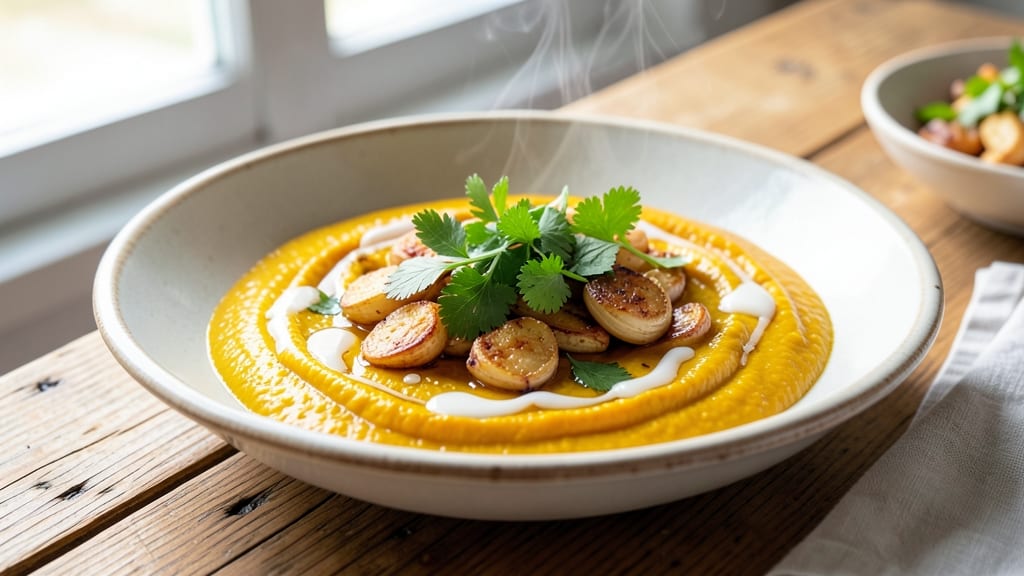
This Anticuchera sauce recipe brings the bold flavors of Peru to your table with its signature smoky heat and bright herbaceous finish. The secret lies in aji amarillo—a vibrant yellow chili that delivers a tangy, slightly sweet heat—paired with fresh huacatay (black mint) for that unmistakable Peruvian aroma.
I've perfected this sauce over years of testing, balancing its intensity so it enhances grilled meats without overpowering them.
The process is straightforward but requires patience: toasting the garlic and spices unlocks deep, nutty flavors, while simmering the sauce reduces it to a concentrated, glossy consistency. Fresh herbs like cilantro and parsley add brightness, cutting through the richness of the chili and vinegar base.
What you'll end up with is a sauce that's equally at home drizzled over anticuchos (grilled beef skewers) or slathered on roasted chicken.
Storage is simple—this sauce keeps in the refrigerator for up to a week, or you can freeze it for months. The flavors only deepen over time, making it a versatile pantry staple.
Whether you're serving it at a fiesta or a casual weeknight dinner, this sauce transforms ordinary grilled meats into something extraordinary.
For an extra layer of complexity, let the sauce sit for 30 minutes before serving. This allows the flavors to meld, resulting in a smoother, more cohesive finish. Pair it with grilled beef, pork, or even seafood for a taste of Peru that's both authentic and unforgettable.
Ingredients for anticuchera sauce
Bold Peruvian flavors start with these ten ingredients—aji amarillo and huacatay are non-negotiable.
| Ingredient | Amount | Notes |
|---|---|---|
| Aji Amarillo Paste 🌶️ | ½ cup | High-quality, fresh or frozen preferred |
| Fresh Huacatay (Black Mint) 🌿 | ¼ cup | Or substitute with fresh mint if unavailable |
| Fresh Cilantro 🌿 | ¼ cup | Stems included for extra flavor |
| Fresh Parsley 🌿 | ¼ cup | Flat-leaf preferred for texture |
| Garlic Cloves 🧄 | 6 cloves | Toasted until golden for depth |
| White Vinegar 💧 | ¼ cup | For tangy brightness |
| Extra-Virgin Olive Oil 🫒 | ½ cup | High-quality for richness |
| Yellow Onion 🧅 | 1 whole | Finely chopped for sweetness |
| Ground Cumin 🌿 | 1 tsp | Toasted for warmth |
| Salt 🧂 | 1 tsp | Diamond Crystal preferred |
Aji amarillo is the heart of this sauce, so don't skimp. Peruvian markets or specialty Latin stores have the best fresh or frozen paste—avoid canned versions, which lack depth. If you can't find huacatay, fresh mint or oregano works in a pinch, though it won't be authentic. Toast the garlic and cumin together in olive oil until fragrant—this step unlocks their flavors. For the onion, yellow or white works best; red gets bitter when cooked. The cilantro and parsley should be fresh, not wilted, for that bright finish.
No aji amarillo? Mix 1 tbsp smoked paprika + 1 tbsp yellow chili powder + 1 tsp lime zest for a rough substitute. Fresh herbs missing? Dried oregano at half the amount adds earthiness, but nothing replaces huacatay. Vinegar substitutes? Lemon juice or apple cider vinegar work, but white vinegar's sharpness cuts through the richness perfectly. If you're short on time, blend the onion and garlic first—saves chopping steps. The olive oil should be fruity and peppery; avoid mild varieties that won't stand up to the chili's heat.
This sauce tastes even better the next day as flavors meld. Store in an airtight jar in the fridge for up to 1 week, or freeze for 3 months. For long-term storage, use glass jars with olive oil on top to preserve color. Double the batch—it disappears fast during grilling season. The sauce thickens as it cools, so thin with water or vinegar if needed. Always taste before serving; adjust salt or vinegar to balance the heat.
Why You'll Love This Recipe
- Five-Ingredient Magic: I swear by this—just blend, simmer, and boom. No chopping mountains of herbs, no measuring cups of mystery spices. That aji amarillo paste does the heavy lifting while I focus on the garlic and huacatay, which take two minutes to mince.
- Bright & Tangy Kick: The huacatay gives it that fresh, almost citrusy punch, but the aji amarillo? Oh, it’s the secret weapon—smoky, slightly sweet, and lingering. One taste and you’ll understand why Peruvians eat this with everything.
- Weeknight Workhorse: I keep a jar in the fridge because it’s my go-to for tacos, grilled meats, or even scrambled eggs. (Yes, really.) It’s the kind of sauce that turns a simple plate into something special without demanding your whole evening.
- Leftovers That Shine: This sauce actually improves over time—like a good wine. Store it for up to a week, and the flavors meld into something richer. Honestly, I’ve had it last longer, but my family starts complaining when it’s gone.
Step-by-step instructions for anticuchera sauce
This smoky, vibrant sauce comes together in minutes with bold flavors and fresh herbs.
Toast the Garlic and Cumin for Depth
Heat a small skillet over medium heat and add the 6 cloves garlic and 1 teaspoon ground cumin. Toast for 2-3 minutes until the garlic turns golden brown and releases its nutty aroma. You'll see the edges start to crisp—that's your signal to remove them from the heat immediately. Let them cool for 1 minute before transferring to a blender or food processor.
This step is crucial—it develops the garlic's natural sweetness and intensifies the cumin's warmth. If you burn the garlic, you'll get bitter flavors instead of that perfect toasty note. I always keep a close eye on it and remove it just as it starts to turn golden.
Blend the Base Ingredients
In the blender, combine the toasted garlic and cumin with the 0.5 cup aji amarillo paste, 0.5 cup extra-virgin olive oil, and 0.25 cup white vinegar. Blend on high for 30-45 seconds until completely smooth. The mixture should be thick but pourable, with no visible chunks.
If your blender struggles with the aji amarillo paste, let it sit at room temperature for 5 minutes first to soften it slightly. This makes blending much easier. The sauce should have a vibrant yellow color from the aji amarillo, which is a good sign you're on the right track.
Add the Fresh Herbs and Onion
Add the 1 whole yellow onion (finely chopped), 0.25 cup fresh huacatay (black mint), 0.25 cup fresh cilantro, and 0.25 cup fresh parsley to the blender. Blend again for 15-20 seconds until everything is finely chopped but still retains some texture. You want a chunky texture that will add freshness to the sauce.
Here's the thing—don't over-blend the herbs. You want some visible texture in the final sauce to keep it bright and fresh. If you blend too long, the herbs will turn to mush and lose their vibrant flavor. Taste as you go, and stop when you still see small herb flecks.
Season and Adjust the Sauce
Transfer the blended mixture to a bowl and stir in the 1 teaspoon salt. Taste immediately and adjust the seasoning. You might need a bit more salt to balance the acidity from the vinegar and the heat from the aji amarillo. The sauce should be tangy, slightly spicy, and well-rounded in flavor.
If the sauce is too thick, thin it with 1-2 tablespoons of water at a time until it reaches your desired consistency. For anticuchos, I like it slightly thick so it clings to the meat. If it's too thin, it might pool instead of coating the skewers properly. Let it sit at room temperature for 10 minutes before using to allow all the flavors to meld together.
Pro Tips For Making Anticuchera Sauce
- Toast Your Garlic: I learned this the hard way—raw garlic in anticuchera sauce tastes bitter and overpowering. Sauté those cloves in oil until they’re golden and fragrant (about 2-3 minutes on medium heat), then crush them right in the pan. That caramelized depth is what ties the whole sauce together.
- Pulse, Don’t Chop: Huacatay (black mint) loses its bright, citrusy punch when over-chopped. Give it a quick pulse in the food processor—just until it’s roughly chopped, not paste—so it releases flavor without turning into a muddy mess. Fresh cilantro and parsley can handle the knife, but huacatay needs a gentler touch.
- Simmer Low and Slow: After adding the aji amarillo paste, resist the urge to crank the heat. A gentle simmer (low-medium) for 5-7 minutes lets the flavors meld without burning the paste or turning the sauce bitter. I used to rush this, and the sauce always tasted sharp and unfinished.
- Strain for Smoothness: If you want a silky sauce, strain it through a fine-mesh sieve after cooking—yes, even if you love texture. The herbs and garlic skins add depth, but they can make the sauce gritty. Save the strained solids for garnish or a quick stir into the final dish if you’re feeling rebellious.
Serving suggestions for anticuchera sauce
Grilled Meat Pairings
This sauce was born for anticuchos, so start with beef heart skewers—the classic pairing. Marinate beef heart chunks in lime juice, garlic, and cumin for 2 hours before grilling.
Brush the skewers generously with sauce during the last 5 minutes of cooking. For extra authenticity, serve with Peruvian corn (choclo) and fried potatoes (papa a la huancaína). 🔥
Poultry and Seafood
Don’t limit this sauce to beef! It elevates grilled chicken thighs or shrimp skewers beautifully. For chicken, marinate in aji amarillo paste and lime for 1 hour, then grill until juicy.
Drizzle with sauce and garnish with avocado slices. For shrimp, toss with sauce after cooking for a zesty finish. The acidity in the vinegar cuts through the richness of seafood perfectly.
Vegetarian Options
For plant-based dishes, try brushing the sauce on grilled portobello mushrooms or eggplant steaks. The smoky heat pairs well with the earthy flavors of mushrooms, while eggplant soaks up the sauce like a sponge.
Serve with quinoa or black beans for a hearty vegetarian meal. The sauce’s brightness makes even simple roasted veggies taste gourmet.
Dipping and Topping
Use this sauce as a dip for freshly fried plantains or crispy yuca fries—the contrast of textures is divine. It’s also fantastic as a topping for tacos al pastor or arepas.
For a quick appetizer, serve with toasted breadsticks or crusty baguette slices. The sauce’s chunky texture makes it ideal for dipping, not just drizzling.
Global Twists
Experiment with fusion pairings! Try it on grilled lamb chops for a Middle Eastern-Peruvian mashup, or slather it on burgers instead of ketchup. For a seafood twist, pair with grilled octopus and charred corn.
The sauce’s versatility makes it a game-changer for global flavors. Just remember: balance is key—adjust heat with extra herbs or a splash of vinegar if needed. 🌍
Nutrition facts
Frequently asked questions
What makes this sauce different from other Peruvian sauces?
This sauce stands out because of its aji amarillo and huacatay (black mint) combination, which gives it a unique smoky, slightly sweet heat with a fresh herbal finish. Unlike creamy sauces like huancaína, anticuchera is light, chunky, and perfect for grilled meats. The vinegar and garlic add brightness that cuts through rich flavors, making it more versatile than other Peruvian condiments.
Can I make this sauce without huacatay?
Yes! If you can't find huacatay, use fresh mint or oregano as a substitute, though it won't be identical. For authenticity, try blending 1/4 cup mint + 1/4 cup cilantro to mimic the herbal profile. The sauce will still taste great—just slightly different. Toasted cumin and garlic will still provide that warm, earthy base you need.
How do I adjust the heat level?
If the sauce is too spicy, add 1-2 tablespoons fresh lime juice or extra herbs to balance the heat. For more heat, stir in 1/2 teaspoon cayenne pepper or a pinch of aji amarillo paste. Always taste as you go! The vinegar in the recipe already helps mellow the spice, so adjustments are usually minimal. Start with 1/4 teaspoon increments to avoid overdoing it.
Why does my sauce look too thin?
If your sauce is too thin, let it sit uncovered in the fridge for 1-2 hours—the flavors will concentrate and thicken naturally. For immediate results, simmer it gently for 5-10 minutes to reduce the liquid. If it's still too runny, blend in 1 tablespoon toasted cumin or cornstarch slurry (1 tsp cornstarch + 1 tbsp water) until thickened. The ideal consistency should coat the back of a spoon but still be pourable.
Can I make this sauce ahead of time?
This sauce tastes even better after 24 hours as the flavors meld. Store it in an airtight jar in the fridge for up to 1 week, or freeze for 3 months. For long-term storage, layer with olive oil to preserve color and freshness. Thaw frozen sauce in the fridge overnight—never microwave it directly, as it can break down the herbs and make the texture grainy.