
Sauces & Condiments
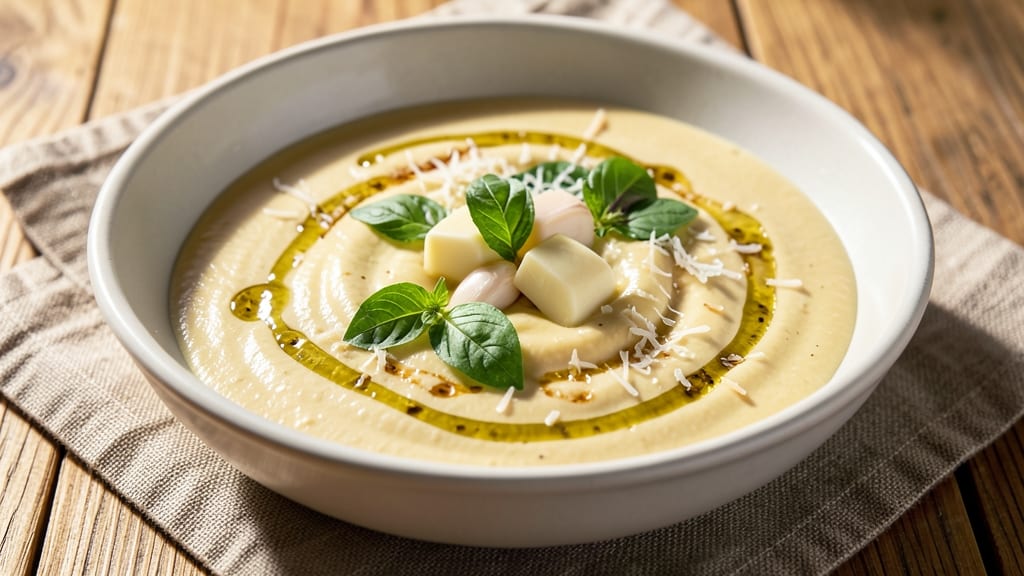
A perfect small-batch alfredo sauce transforms ordinary fettuccine into a restaurant-worthy dish without waste or fuss. The secret lies in balancing rich cream with sharp parmesan, creating a velvety sauce that coats every noodle beautifully.
I developed this recipe after realizing most versions either overpower delicate pasta or leave leftovers that spoil too quickly.
This method delivers a smooth, creamy sauce in just 15 minutes using simple pantry staples—no heavy cream substitutes or complicated techniques. The key is to whisk the sauce constantly over gentle heat, preventing curdling while building depth.
Fresh herbs at the end brighten the richness, making each bite feel like a special occasion.
What you'll achieve is a perfectly portioned sauce that's ideal for single servings or small gatherings, with no wasted ingredients. The sauce thickens just enough to cling to pasta while remaining silky, and it reheats beautifully.
Store any leftovers in the fridge for up to 5 days or freeze for longer storage.
Whether you're serving fettuccine, chicken, or vegetables, this alfredo sauce elevates every dish with its luxurious texture and balanced flavor. The recipe scales easily, so you can make exactly what you need without dealing with bulky leftovers.
Ingredients for alfredo sauce recipe small batch
Nine simple ingredients transform into velvety alfredo that coats every noodle perfectly.
| Ingredient | Amount | Notes |
|---|---|---|
| Heavy Whipping Cream 🥛 | ¾ cup | Full-fat for maximum creaminess |
| Extra-Virgin Olive Oil 🫒 | ½ cup | High-quality for richness |
| Parmesan Cheese 🧀 | 1 cup | Freshly grated from block |
| Garlic Cloves 🧄 | 3 cloves | Minced for aromatic depth |
| Fresh Basil Leaves 🌿 | ¼ cup | Chopped for vibrant finish |
| Unsalted Butter 🧈 | 2 tbsp | Cold, cubed for smooth texture |
| Diamond Crystal Kosher Salt 🧂 | ½ tsp | For seasoning balance |
| Freshly Ground Black Pepper 🌶️ | ¼ tsp | Freshly cracked for heat |
| Lemon Zest 🍋 | 1 tsp | Brightens the sauce |
The Parmesan is non-negotiable—freshly grated from a wedge makes all the difference. Whole Foods or specialty cheese shops have the best quality, but any deli counter will do in a pinch. Skip the pre-grated stuff; it's full of anti-caking agents that ruin the texture. For the cream, full-fat is essential—light cream or half-and-half will curdle. If you're worried about waste, buy a pint and use the rest in soups or mashed potatoes. The olive oil adds richness without heaviness, so don't skimp on quality—California or Italian varieties work best. Fresh basil? Grow your own or grab it from the grocery store's produce section—it's worth the extra flavor over dried.
No heavy cream? Full-fat coconut milk works in a bind, though the flavor will be slightly different. Short on Parmesan? Pecorino Romano is a great substitute—it's sharper and melts beautifully. Fresh basil wilting? Dried oregano at one-third the amount gets you close, but nothing beats the real thing. The lemon zest can be swapped for a pinch of citric acid if you're prepping ahead. For extra depth, add a splash of white wine when sautéing the garlic. And if you're worried about the sauce being too rich, add a splash of pasta water at the end to lighten it up. Every pantry has these basics—no special shopping needed.
This sauce reheats like a dream—just warm it gently on the stove with a splash of milk or water to prevent curdling. Portion into small containers for easy storage; it keeps for 5 days in the fridge or 3 months in the freezer. For longer storage, freeze in ice cube trays and pop out individual servings. The butter should be cold when you add it, so keep it in the fridge until the very end. Once made, it's best used within a few days for peak freshness, but the flavor develops beautifully over time. The lemon zest adds a subtle brightness that keeps the sauce from feeling too heavy, so don't skip it—it's the secret to restaurant-quality alfredo.
Why You'll Love This Recipe
- Same sauce, different vibes: toss it over fettuccine for a lazy Tuesday, or drizzle it on grilled chicken for a fancier guest night. Between us, I’ve used it to dress up store-bought rotini when I forgot to thaw homemade pasta—and no one noticed.
- No-Fuss Ingredients: I keep a jar of extra-virgin olive oil and a block of Parmesan on hand anyway—this sauce just needs those plus a few basics. Honestly, it’s the kind of recipe where I don’t even check my pantry; I just grab what’s there and go.
- Garlic-Basil Magic: That first hit of sizzling garlic in olive oil? Pure satisfaction. Then the basil—bright, fresh, and just enough to cut through the richness. It’s the kind of flavor that makes me pause mid-stir and think, “Why didn’t I do this sooner?”
- Weeknight to Dinner Party: Same sauce, different vibes: toss it over fettuccine for a lazy Tuesday, or drizzle it on grilled chicken for a fancier guest night. Between us, I’ve used it to dress up store-bought rotini when I forgot to thaw homemade pasta—and no one noticed.
Step-by-step instructions for alfredo sauce small batch
Here's how to make a perfectly balanced Alfredo sauce with rich depth and vibrant freshness.
Melt Butter and Bloom Garlic
In a medium saucepan, melt the 2 tablespoons unsalted butter over medium-low heat. Once the butter has melted and begins to foam, add the 3 cloves minced garlic and cook for 30-45 seconds until fragrant but not browned. This step develops the garlic's sweetness without turning bitter.
Watch the pan carefully—garlic burns quickly. If the butter starts to brown too quickly, reduce the heat slightly. The garlic should be aromatic but still pale in color when you're ready for the next step. This foundational flavor will carry through your entire sauce.
Add Olive Oil and Parmesan
Pour in the 0.5 cup extra-virgin olive oil and stir to combine with the garlic butter. Then, gradually whisk in the 1 cup freshly grated Parmesan cheese, adding it a little at a time to prevent clumping. The mixture will thicken noticeably as the cheese melts into the oil.
Keep the heat at medium-low and continue whisking constantly for 2-3 minutes until the cheese is completely melted and the sauce begins to thicken. If you notice any lumps forming, strain the sauce through a fine-mesh sieve for a silky texture. This step creates the sauce's velvety base.
Incorporate Cream and Season
Reduce the heat to low and slowly pour in the 0.75 cup heavy whipping cream, whisking continuously to prevent curdling. Add the 0.5 teaspoon Diamond Crystal kosher salt, 0.25 teaspoon freshly ground black pepper, and 1 teaspoon lemon zest, stirring well to combine.
Let the sauce simmer gently for 3-4 minutes, stirring occasionally, until it reaches your desired consistency. It should coat the back of a spoon but still be pourable. If it thickens too much, whisk in 1 tablespoon of pasta water to loosen it. The lemon zest adds a bright contrast to the richness of the cheese.
Finish with Fresh Basil
Remove the sauce from heat and stir in the 0.25 cup chopped fresh basil leaves. Taste and adjust the seasoning if needed—you might want to add a pinch more salt or pepper to balance the flavors. The basil adds a vibrant freshness that cuts through the richness of the cheese and cream.
Let the sauce rest for 2-3 minutes before serving. This brief resting period allows the flavors to meld together perfectly. Serve immediately over your favorite pasta or use it as a creamy sauce for chicken, fish, or vegetables. The sauce should be smooth, rich, and perfectly seasoned with a hint of lemon brightness.
Pro Tips For Making Alfredo Sauce Recipe Small Batch
- Bloom the Garlic: Slice those cloves thin—paper-thin, like you’re making confetti—and let them sit in the olive oil for 2-3 minutes before adding anything else. I learned this the hard way: raw garlic burns fast and turns bitter. Give it time to soften first, and you’ll get sweet, mellow flavor without the harsh bite.
- Warm the Cream Slowly: Heat the heavy cream over medium-low until it’s steaming but not rolling boils—think tiny bubbles at the edges, not a full-on party. I used to rush it, and the sauce would split like a bad joke. Steady wins the race here.
- Grate the Cheese Fresh: Skip the pre-grated Parmesan—it’s got anti-caking agents that make the sauce grainy. Use a microplane or fine grater right before adding it to the sauce, and press it through with the back of a spoon. The texture difference is night and day.
- Finish with Cold Cream: Take the pan off the heat before stirring in the Parmesan and basil. The cold cheese and fresh herbs temper the sauce and keep it from curdling. I was skeptical until I tried it—now it’s non-negotiable for me.
Make-ahead tips for leftovers
Prep Ahead Secrets
Make the sauce base one day ahead by combining the melted butter, olive oil, and Parmesan—just stop before adding the cream. Store this mixture in an airtight container in the fridge.
When ready to serve, simply warm it gently, then stir in the cream, lemon zest, and seasonings. This shortcut saves time while keeping the sauce's depth intact. 💡
Freezer-Friendly Portions
Freeze the completed sauce in ice cube trays for single-serving portions. Once frozen, transfer the cubes to a ziplock bag and store for up to 3 months. Thaw overnight in the fridge, then reheat with a splash of milk or water to restore creaminess.
This method eliminates waste and ensures you always have a ready-to-use sauce. ❄️
Herb Prep Shortcut
Chop the fresh basil and store it in a small container with a damp paper towel in the fridge. This keeps it vibrant for up to 3 days, ready to finish your sauce at the last minute.
For even longer storage, blanch the basil leaves for 30 seconds, then freeze in a single layer before transferring to a bag. Add frozen basil directly to warm sauce—it will thaw and blend seamlessly. 🌿
Pasta Water Backup
Always reserve ½ cup pasta water while cooking your noodles. If your sauce thickens too much when reheating, whisk in 1 tablespoon at a time until you reach the perfect consistency.
The starch in pasta water acts as a natural thickener and emulsifier, saving your sauce from becoming gluey. Keep this stash handy for quick fixes. 🍝
Equipment Essentials
Use a fine-mesh sieve to strain any lumps from the sauce for a silky texture. A small whisk (like the OXO Good Grips) is perfect for small batches, and a thermometer helps monitor the sauce's temperature—keep it below 180°F to prevent curdling.
These tools make prep-ahead tasks effortless and ensure professional results every time. 🔥
Reheating Like a Pro
Reheat the sauce in a light-colored saucepan (like stainless steel) over low heat to prevent scorching. Add 1 tablespoon of milk or water per cup of sauce to maintain creaminess.
Stir constantly and keep the temperature below 160°F—this gentle approach preserves the sauce's velvety texture. A splash of lemon juice at the end refreshes the flavor. ✨
Nutrition facts
Frequently asked questions
Can I make this sauce without heavy cream?
Yes! For a lighter version, substitute ¾ cup full-fat coconut milk (chilled overnight to thicken) or ½ cup Greek yogurt mixed with ¼ cup milk. The texture will be slightly tangier but still creamy. For a classic Alfredo, though, heavy cream is ideal—it creates that signature velvety consistency without curdling.
How do I prevent the sauce from curdling when reheating?
Always reheat over low heat and add 1 tablespoon milk or water per cup of sauce. Never let it boil—keep the temperature below 160°F. Stir constantly and cover the pan to trap moisture. If it still separates, whisk in 1 tablespoon cold butter until smooth. The key is gentle warmth and constant movement.
Can I use pre-grated Parmesan?
Pre-grated cheese contains anti-caking agents that make the sauce grainy. For the best texture, always grate 1 cup fresh Parmesan from a block using a microplane or fine grater. If you must use pre-grated, strain it through a fine-mesh sieve to remove additives. The flavor difference is noticeable—freshly grated melts smoothly and tastes more authentic.
What's the best way to scale this recipe up?
Double the ingredients but increase the saucepan size to 10-inch diameter. Use medium heat instead of low to maintain even cooking. For larger batches, add the cream more slowly and whisk vigorously to prevent curdling. Keep the sauce moving constantly—this is the secret to creamy results regardless of quantity.
Why does my sauce taste too heavy?
The lemon zest and fresh basil balance the richness—don't skip them! If it still tastes too rich, add 1 tablespoon pasta water or a splash of white wine while reheating. For extra brightness, stir in ½ teaspoon lemon juice at the end. The sauce should taste complex, not one-dimensional.