
Sauces & Condiments
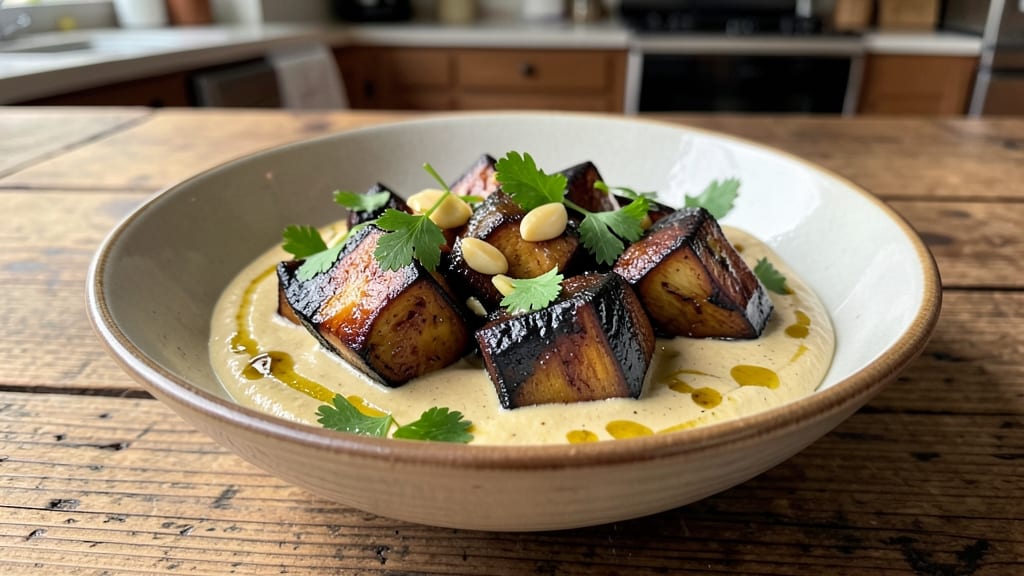
This aubergine sauce recipe delivers smoky depth and velvety texture that transforms ordinary dishes into something extraordinary. Roasting eggplant until charred unlocks its natural sweetness, while garlic, tahini, and lemon create a balance of richness and brightness that lingers on the palate.
The secret lies in patience—letting the sauce rest so flavors meld perfectly, resulting in a condiment that’s as versatile as it is delicious.
The process is straightforward yet rewarding: char the eggplant over an open flame for maximum flavor, then blend with garlic, tahini, and a touch of olive oil until silky smooth. Fresh herbs like parsley or mint add a final burst of brightness, ensuring every spoonful is vibrant and complex.
This sauce isn’t just a topping—it’s a flavor enhancer that elevates everything from grilled meats to crusty bread.
What makes this sauce truly special is its adaptability. Drizzle it over pasta for an instant Mediterranean upgrade, use it as a dip with warm pita, or spread it on sandwiches for a smoky twist.
The smoky, roasted notes pair beautifully with bold flavors, while the creamy texture makes it irresistibly smooth. With just a few ingredients and minimal effort, you’ll have a sauce that tastes like it came from a high-end restaurant.
Storage is effortless—keep it refrigerated for up to 5 days, or freeze for longer shelf life. The flavors only deepen over time, making this the perfect make-ahead condiment for busy weeks. Whether you’re hosting a dinner or craving a quick flavor boost, this aubergine sauce is your secret weapon.
Ingredients for aubergine sauce
Eight ingredients transform humble eggplant into a restaurant-worthy sauce with smoky depth and fresh herb brightness.
| Ingredient | Amount | Notes |
|---|---|---|
| Eggplant 🍆 | 2 lbs | Charred over flame, peeled |
| Extra-Virgin Olive Oil 🫒 | ½ cup | High quality, fruity |
| Tahini 🥜 | ⅓ cup | Smooth, sesame paste |
| Garlic Cloves 🧄 | 4 cloves | Roasted for sweetness |
| Lemon Juice 🍋 | ¼ cup | Freshly squeezed |
| Fresh Parsley 🌿 | ¼ cup | Chopped, stems removed |
| Fresh Mint 🍃 | 0.17 cup | Chopped, optional |
| Ground Cumin 🌶️ | 1 tsp | Toasted for warmth |
| Smoked Paprika 🌶️ | 1 tsp | For smoky depth |
| Sea Salt 🧂 | 1 tsp | Adjust to taste |
The eggplant is the star—char it directly over a gas flame (or broil) until blackened in spots. This caramelizes the sugars, giving that smoky depth. Trader Joe's or Whole Foods often carry organic eggplants with thicker skins, which hold up better to charring. If you're short on time, roast at 425°F for 25 minutes instead. The garlic? Roast those cloves too—350°F for 10 minutes until fragrant and slightly caramelized. That extra step makes all the difference. Tahini is non-negotiable here—Penzeys or Whole Foods sell the best quality, but any good sesame paste works.
No tahini? Substitute with equal parts cashew butter and olive oil—it won't be identical but still delicious. Short on fresh herbs? Dried parsley at one-third the amount works in a pinch. The smoked paprika can be swapped for regular paprika if you're out, but you'll lose that smoky punch. Want more tang? Add an extra tablespoon of lemon juice. For a creamier texture, blend in 2 tbsp plain yogurt at the end. The sauce thickens as it rests, so if it's too thick after blending, thin with 1-2 tbsp water.
This sauce tastes even better the next day—flavors meld beautifully when refrigerated. Store in an airtight jar for up to 5 days in the fridge. For longer storage, freeze in ice cube trays—perfect for single-use portions. Thaw overnight in the fridge or warm gently in a saucepan. The herbs separate slightly when frozen, so give it a quick stir before using. Double the batch—it disappears faster than you think, especially when drizzled over grilled meats or crusty bread.
Why You'll Love This Recipe
- No-Fuss Roast: I swear, this sauce only needs three steps—char the eggplant, blend it with tahini, and finish with lemon. Honestly, the hardest part is waiting for the oven to preheat.
- Umami Bomb: That tahini and roasted eggplant combo? It’s like a flavor party in your mouth. The garlic adds a punch, but the lemon keeps it bright—no heaviness, just pure satisfaction.
- Dip or Dress: Spread it on toast, drizzle it over grilled fish, or just eat it with pita. I’ve used it for everything from lazy weeknight suppers to fancy dinner guests. (Yes, even on a Tuesday night.)
- Fridge Hero: Between us, this sauce tastes better the next day. Store it in a jar, and you’ve got a ready-to-go sauce for breakfasts, lunches, or last-minute dinners. Budget-friendly? Absolutely—just eggplant and pantry staples.
Step-by-step instructions for aubergine sauce with smoky depth
Here's how to transform simple eggplant into a velvety sauce with rich, charred flavor and bright herb notes.
Char the Eggplant Over an Open Flame
Cut the 2 lbs eggplant into 1-inch cubes, leaving the skin intact. Heat a gas burner on high and place the eggplant directly over the flame. Rotate frequently until every side develops deep black char marks and the flesh softens slightly—about 8-10 minutes total. The char adds incredible smoky depth that transforms into complex flavor when blended.
Work in batches if needed, keeping charred eggplant in a bowl while you finish the rest. The skin will peel away easily after charring, so don't worry about perfect cubes. Once charred, transfer to a colander and rinse briefly under cool water to stop the cooking process. The skin should slide off effortlessly when you rub it with your fingers.
Roast the Garlic Cloves for Sweetness
While the eggplant chars, preheat your oven to 400°F. Peel the 4 cloves garlic and place them on a small baking sheet. Drizzle with 1 teaspoon of the 0.5 cup extra-virgin olive oil and sprinkle with a pinch of sea salt. Roast for 12-15 minutes until golden brown and fragrant—you'll know they're perfect when they smell irresistibly sweet and caramelized.
Let the garlic cool slightly before squeezing it out of the skins. The roasting process mellows the garlic's sharpness and adds natural sweetness that balances the sauce beautifully. If any cloves remain hard, return them to the oven for another 2-3 minutes until fully softened.
Blend the Charred Eggplant Base
Transfer the peeled, charred eggplant to a food processor along with the roasted garlic, 1 teaspoon ground cumin, and 1 teaspoon smoked paprika. Pulse until completely broken down, then add 0.33 cup tahini and 0.25 cup lemon juice. With the processor running, slowly drizzle in the remaining 0.5 cup extra-virgin olive oil until you achieve a smooth, velvety consistency.
Taste the mixture at this stage—it should be rich and slightly bitter from the charred eggplant. If it needs more depth, add another pinch of smoked paprika or a splash of lemon juice. The tahini adds natural creaminess while balancing the eggplant's earthiness. Scrape down the sides occasionally to ensure everything incorporates evenly.
Finish With Fresh Herbs
Transfer the sauce to a saucepan and place over low heat. Stir in the 0.25 cup chopped fresh parsley and 0.17 cup chopped fresh mint (if using). Let the sauce simmer gently for 5-7 minutes, stirring occasionally, until it reaches your desired thickness—it should coat the back of a spoon but still flow smoothly.
The herbs infuse the sauce with bright, fresh notes that cut through the richness. If the sauce thickens too much, thin it with 1-2 tablespoons water or more lemon juice. Taste and adjust seasoning with additional sea salt if needed. The final sauce should be vibrant, with layers of smoky char, nutty tahini, and citrus brightness.
Serve Warm or Store Properly
Serve the sauce immediately over grilled meats, roasted vegetables, or crusty bread. For best flavor, use within 2-3 days. To store, transfer to an airtight container and refrigerate. When reheating, warm gently over low heat, stirring frequently, until heated through—never microwave directly as this can break the sauce's silky texture.
This sauce keeps beautifully in the refrigerator for up to 5 days, though the flavor continues to develop and deepen over time. The eggplant's natural sweetness becomes more pronounced as it rests, making leftovers even more delicious. The herbs will stay vibrant if you press plastic wrap directly onto the sauce surface before sealing the container.
Pro Tips For Making Aubergine Sauce
- CHAR THE EGGPLANT FIRST: I learned this the hard way—roasting eggplant at 425°F (220°C) for 30-40 minutes until it’s blackened and collapsing makes the sauce silky. Skip the blender struggle later. (Yes, even if you’re impatient like me.)
- SALT THE GARLIC: Toss minced garlic in ½ tsp salt and let it sit 5 minutes before cooking. It softens without burning and adds depth—no more raw, sharp garlic flavor ruining your tahini sauce.
- EMULSIFY THE TAHINI: Warm the tahini with a splash of water first, then slowly drizzle in olive oil while whisking like you’re mixing a cocktail. This prevents clumps and gives you that creamy, restaurant-worthy texture.
- LEMON LAST, NOT EARLY: Add lemon juice only after everything else is blended and off the heat. The acid curdles when hot—wait until the sauce cools slightly, then taste and adjust. (Your future self will thank you.)
Dietary considerations for aubergine sauce
Gluten-Free Assurance
This aubergine sauce is naturally gluten-free since it relies on simple, whole ingredients like eggplant, tahini, olive oil, and fresh herbs.
The tahini (sesame paste) is typically gluten-free, but always check the label if using store-bought brands like Penzeys or Whole Foods Market—some manufacturers process tahini in facilities handling gluten-containing products. For extra safety, opt for certified gluten-free tahini if you're highly sensitive.
The sauce's flavor profile remains rich and complex without any gluten-containing thickeners or additives. 🌱
Vegan & Dairy-Free
Perfect for plant-based diets, this sauce contains zero dairy or animal products. The tahini provides creaminess instead of yogurt or cream, while the olive oil and lemon juice add brightness without dairy. The roasted eggplant and garlic create a hearty, satisfying texture that holds up beautifully in vegan dishes.
For extra protein, serve it with grilled tofu or chickpeas. The sauce's natural umami from the charred eggplant makes it deeply flavorful even without dairy. 💚
Low-Fat Adaptations
While tahini adds richness, you can reduce fat by using light olive oil (like Colavita Light) or cutting the amount to 0.25 cup instead of 0.5 cup. For a lower-fat version, blend in 2 tablespoons unsweetened almond milk or water to thin the sauce while keeping it creamy.
The eggplant's natural water content helps balance the texture, so don’t worry about losing flavor—just adjust seasoning with an extra pinch of smoked paprika or sea salt to compensate. 🥗
Allergen-Friendly Swaps
For sesame allergies, replace tahini with cashew butter (use 0.33 cup) or silken tofu blended smooth—both add creaminess without sesame. If you're avoiding garlic, use 1 teaspoon garlic powder (roasted for depth) or asafetida (hing) for a similar umami kick.
For nut-free versions, ensure your tahini is nut-free (some brands blend sesame with almonds). The sauce remains vibrant and adaptable while accommodating dietary restrictions. Always double-check labels for cross-contamination warnings. 🔍
Nutrient Boost Options
Enhance the sauce’s nutritional profile by adding 1 tablespoon nutritional yeast for a vitamin B12 boost and cheesy flavor. For extra fiber, blend in 2 tablespoons cooked quinoa or lentils—they’ll soften into the sauce without altering texture.
Swap smoked paprika for turmeric (½ teaspoon) to add anti-inflammatory benefits while keeping the golden hue. The lemon juice provides vitamin C, and the parsley adds iron—making this sauce a nutrient-packed condiment. 💡
Nutrition facts
Frequently asked questions about aubergine sauce
Can I use regular olive oil instead of extra-virgin?
You can, but extra-virgin olive oil adds richer, fruity depth to the sauce. If using regular olive oil, look for a high-quality brand like Kirkland Signature or Colavita to maintain flavor. The sauce will still taste great—just slightly less complex. For the best results, stick with extra-virgin for that authentic Mediterranean touch.
What if my sauce turns out too thick?
Thin it with 1-2 tablespoons water or extra lemon juice while blending. If it's still too thick after resting, stir in 1 tablespoon unsweetened almond milk or even a splash of white wine for acidity. The sauce naturally thickens as it cools, so adjust while warm for immediate results.
How can I make this sauce spicier?
Add ½ teaspoon cayenne pepper or 1 teaspoon harissa paste during blending for heat. For smoky spice, increase the smoked paprika to 1.5 teaspoons. If you love chili, blend in 1-2 roasted red chili peppers (seeds removed for less heat). Always taste first—you can adjust, but you can't take out the spice!
Can I make this sauce ahead of time?
This sauce tastes even better the next day as flavors meld. Store in an airtight container in the fridge for up to 5 days. For longer storage, freeze in ice cube trays—thaw overnight in the fridge before using. The herbs may separate slightly when frozen, so stir well before serving.
What are the best ways to serve this sauce?
Drizzle over grilled chicken, seared fish, or roasted vegetables for instant flavor. Use as a dip with warm pita or crudités, or spread on toasted bread with a sprinkle of feta. It also elevates pasta dishes or grain bowls. The smoky depth pairs perfectly with bold flavors like lamb or halloumi.