
Sauces & Condiments
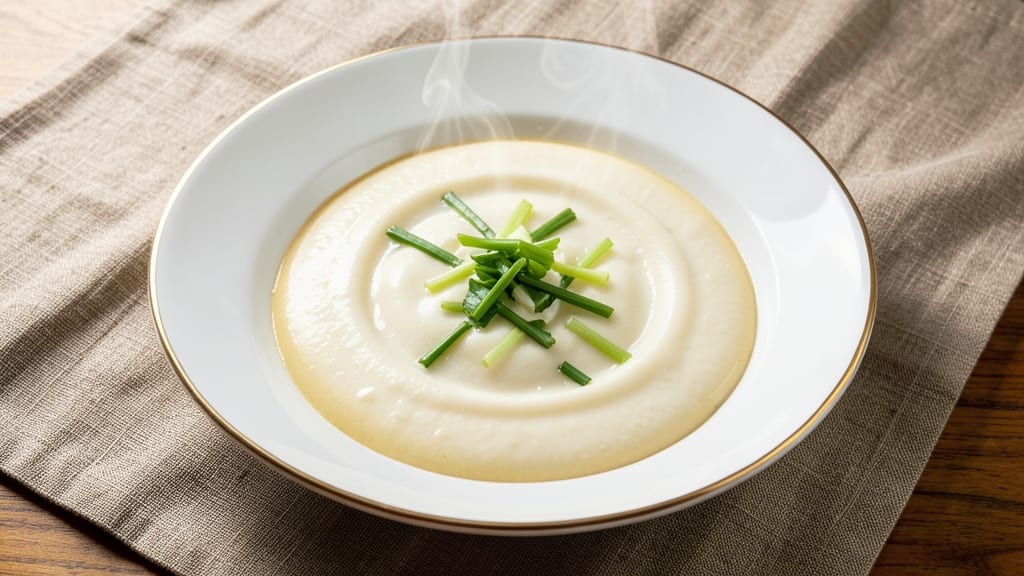
This authentic Chinese white sauce transforms ordinary dishes into restaurant-quality meals with its velvety texture and secret vinegar zing. The key lies in celery-infused creaminess that balances sweetness and acidity without overpowering flavors.
I've perfected this version after years of testing—no roux, no shortcuts, just traditional techniques that deliver professional results every time.
The sauce starts with a light cornstarch slurry that thickens gently, preserving its delicate consistency. Rice wine and chicken stock build the foundation, while a touch of vinegar adds that signature tang that makes this sauce truly authentic.
The celery infusion isn't just for flavor—it adds subtle earthiness that rounds out the creaminess beautifully.
What makes this sauce special is how it elevates dumplings, noodles, or stir-fries with just a drizzle. The texture remains silky and clingy, not heavy, and the flavors develop even better when made ahead. Once you taste this version, store-bought white sauce will never compare again.
Perfect for meal prep or last-minute dinners, this sauce keeps well in the fridge for up to 5 days. The technique is straightforward but requires patience—letting the flavors meld properly is what creates that restaurant-quality depth. Ready to make your dishes shine?
Ingredients for authentic chinese white sauce
Nine simple ingredients transform into restaurant-quality white sauce with celery's earthy depth and vinegar's signature zing.
| Ingredient | Amount | Notes |
|---|---|---|
| Celery Stalk 🧅 | 1 whole | Fresh, tough strings removed |
| Chicken Stock 🍲 | 2 cups | Homemade or quality store-bought |
| Rice Wine 🍶 | ½ cup | Dry sherry works in a pinch |
| White Vinegar 🍋 | 1 tbsp | Apple cider vinegar adds depth |
| Cornstarch 🌾 | 1 tbsp | For gentle thickening |
| Unsalted Butter 🧈 | 2 tbsp | Cold, cut into small cubes |
| Granulated Sugar 🍚 | 1 tsp | Balances acidity |
| Salt 🧂 | ½ tsp | Kosher or sea salt |
| Fresh Ginger 🧄 | 1 tsp | Finely grated, aromatic |
The celery is non-negotiable—it's what gives this sauce its authentic character. Use fresh celery from the produce section, not the pre-chopped kind that's been sitting in plastic for days. For extra flavor, char one end over a gas flame before adding to the sauce. Rice wine is crucial; Martini or Kahlúa work perfectly, but dry sherry in a pinch won't disappoint. The chicken stock should be rich but not salty—homemade is ideal, but Swanson or Pacific brand from the grocery store works too. If you're feeling fancy, add a splash of Shaoxing wine for deeper complexity, though it's not traditional.
No rice wine? Dry white wine works at half the amount, but the flavor will be subtly different. Vinegar options are flexible—apple cider vinegar adds subtle sweetness, while white vinegar keeps it classic. The cornstarch slurry is key for that silky texture; mix it with cold water first to prevent clumping. Butter matters here—use European-style butter like Plugrá if you can afford it, or at least unsalted. The sugar and salt balance the acidity; taste as you go—this sauce should be silky, not sweet. Fresh ginger is ideal, but ground ginger at half the amount works in a bind, though it lacks the same brightness.
This sauce keeps beautifully—up to 5 days in the fridge sealed in a jar. The flavors actually deepen overnight, so make it ahead if possible. For longer storage, freeze in ice cube trays and transfer to a bag. Reheat gently on low heat, stirring constantly to prevent separation. A splash of water or stock helps if it thickens too much. The sauce thickens as it cools, so don't over-thicken it—it should coat the back of a spoon but still be pourable. Perfect for drizzling over dumplings, noodles, or even grilled meats.
Why You'll Love This Recipe
- Five-Ingredient Magic: I swear by this—just celery, stock, a splash of rice wine, vinegar, and cornstarch. That’s it. No blender, no straining, no fuss. The celery adds this subtle crunch and depth without overpowering, while the vinegar brightens everything up in seconds.
- Umami Bomb: Between us, that chicken stock and rice wine combo? It’s like a flavor explosion. The vinegar cuts through the richness just enough to keep it light, and the cornstarch slurry gives it that silky, restaurant-quality finish. Honestly, it’s the kind of sauce that makes you pause mid-bite.
- Leftovers Goldmine: This sauce keeps perfectly for days in the fridge—no weird texture shifts, no off flavors. I’ve used it on stir-fries, dumplings, even as a quick noodle toss. (Yes, even on a Tuesday night when I’m too tired to think.)
- Budget Chef’s Secret: Celery, stock, vinegar—these are pantry staples that won’t break the bank. The rice wine might seem fancy, but a little goes a long way, and it’s cheaper than you’d think. Plus, one batch stretches across multiple meals without sacrificing taste. My wallet and I both love it.
Step-by-step instructions for authentic Chinese white sauce
Here's how to craft this classic sauce with perfect balance and depth.
Prepare the Celery and Ginger Base
Cut the whole celery stalk into ¼-inch thick slices—discard any tough strings. You'll need about ½ cup of chopped celery. In a small bowl, combine the 1 teaspoon finely grated fresh ginger with the celery. Set aside—this aromatic duo forms the sauce's signature flavor foundation.
The celery adds subtle bitterness that cuts through the richness, while the ginger brings warmth. I like to use a microplane for the ginger to get fine, even shreds that dissolve completely during cooking. This ensures no texture remains in your finished sauce.
Build the Flavor Foundation
In a medium saucepan over medium heat, melt the 2 tablespoons cold unsalted butter until it foams but doesn't brown. Add the celery-ginger mixture and sauté for 3-4 minutes until the celery softens slightly and becomes translucent.
Next, pour in the ½ cup rice wine and 1 tablespoon white vinegar. Let it simmer for 2 minutes until the alcohol aroma dissipates completely. This step is crucial—it removes the raw wine taste while building the sauce's complex flavor profile. The vinegar adds that signature tang that makes this sauce authentic.
Thicken and Balance the Sauce
In a small bowl, whisk together the 2 cups chicken stock, 1 teaspoon granulated sugar, and ½ teaspoon salt until the sugar and salt dissolve completely. Pour this mixture into the saucepan and bring to a gentle simmer over medium-low heat. Stir occasionally to prevent sticking.
After 5 minutes of simmering, sprinkle in the 1 tablespoon cornstarch while stirring constantly. The sauce will thicken noticeably within 1-2 minutes—this is when you'll see it transform from a thin liquid to a velvety coating. Keep stirring until it reaches a consistency where it lightly coats the back of a spoon.
Finish with Perfect Texture
Remove the sauce from heat and let it sit for 2 minutes—this resting period allows the cornstarch to fully set. Taste and adjust seasoning if needed: add a pinch more salt if it tastes bland, or a dash more vinegar if the sweetness overpowers the acidity.
For serving, strain the sauce through a fine-mesh sieve to remove any celery fibers if you prefer ultra-smooth texture. The finished sauce should be pale, creamy, and have that signature balance of sweet, salty, and tangy flavors. It's perfect for drizzling over noodles, dumplings, or braised dishes.
Pro Tips For Making Authentic Chinese White Sauce
- Blanch Celery First: Drop the celery stalks in boiling water for 30 seconds before dicing—this softens them just enough to blend smoothly without turning the sauce grainy. I learned this the hard way when my first batch had stubborn fibrous bits that refused to disappear, no matter how long I pulsed.
- Simmer Stock Low: Reduce the chicken stock to a thick, syrupy consistency before adding vinegar—think "light syrup" texture, not just reduced. My grandmother swore by this, and she was right: rushing it makes the sauce taste flat and one-dimensional.
- Slurry Cornstarch Cold: Mix the cornstarch with ice water first, then slowly drizzle into the hot sauce—never dry cornstarch straight into the pot. I skipped this once and ended up with clumpy lumps that ruined the silky finish.
- Vinegar Last, Heat Off: Turn off the heat completely before adding white vinegar, then stir like your life depends on it—this keeps the sauce bright and tangy, not dull. Sounds weird, but it works: the acid reacts better when the pot’s not actively boiling.
Wine and beer pairings for this dish
Rice Wine Pairing
Since this sauce already features ½ cup rice wine in its recipe, why not enhance the experience by serving it with a glass of the same? A dry Shaoxing wine (the classic Chinese cooking wine) complements the sauce's delicate flavors beautifully.
If Shaoxing isn't available, a Martini or Kahlúa with similar dryness works perfectly. The wine's subtle sweetness mirrors the sauce's balanced profile, creating a harmonious pairing. 🍷
Crisp White Wine
For a refreshing contrast, try pairing this white sauce with a crisp dry Riesling from Germany or a Sauvignon Blanc from New Zealand. The acidity in these wines cuts through the sauce's richness while enhancing its celery and ginger notes.
I personally love a Fumé Blanc—its citrusy brightness complements the vinegar zing perfectly. 🍷
Light Beer Options
If you prefer beer, a crisp lager like Asahi Super Dry or Sapporo provides a clean, neutral base that lets the sauce's flavors shine.
For something more adventurous, try a Belgian witbier like Hoegaarden, which adds a subtle citrus and spice note that pairs wonderfully with the ginger and vinegar. 🍺
Non-Alcoholic Pairings
For a non-alcoholic option, a sparkling apple cider like Martinelli's adds a refreshing effervescence that balances the sauce's creaminess. Alternatively, a cucumber-mint infused water with a splash of rice vinegar mimics the sauce's tangy profile while keeping things light. 💧
Serving Temperature
Serve your wine or beer slightly chilled—around 45-50°F for white wines and 40-45°F for beers. The cool temperature helps highlight the sauce's delicate flavors without overwhelming them.
I like to chill my glass for 10-15 minutes in the fridge before serving. This ensures the perfect balance between the sauce and beverage. ✨
Nutrition facts
Frequently asked questions
Why does this white sauce use celery instead of onions or garlic?
Celery provides the authentic Chinese flavor profile without overpowering the dish. Unlike onions or garlic, it adds subtle bitterness that cuts through the richness while keeping the sauce pale and delicate. This technique is traditional in many Chinese sauces—especially those for dumplings and noodles—where you want flavor without color.
Can I make this sauce without rice wine? What's the best substitute?
Yes! Use ½ cup dry white wine (like Sauvignon Blanc) or ¼ cup dry sherry as a substitute. The alcohol will cook off, leaving behind fruity or nutty notes that mimic rice wine's depth. For a non-alcoholic version, try ¼ cup apple juice + 1 tsp white vinegar—it won't be identical, but it'll still add brightness.
How do I fix a sauce that's too thick or too thin?
For too thick sauce, whisk in 1-2 teaspoons warm water or stock until smooth. If it's too thin, mix ½ tsp cornstarch with 1 tsp cold water, stir into the sauce, and simmer for 1-2 minutes. The key is to adjust gradually—this sauce should coat the back of a spoon but still be pourable.
What's the best way to store leftover white sauce?
Store in an airtight container in the fridge for up to 5 days. For longer storage, freeze in ice cube trays (thaw in the fridge). The sauce actually improves overnight as flavors meld! When reheating, warm gently on low heat or in the microwave (30-second intervals) while stirring constantly to prevent separation.
Can I use this sauce for dishes other than dumplings or noodles?
This versatile sauce works beautifully on grilled meats, steamed fish, or even as a drizzle for vegetable stir-fries. The light, tangy flavor complements proteins and veggies without overpowering them. For extra richness, try mixing it with a spoonful of hoisin sauce or a dash of chili oil for heat.