
Sauces & Condiments
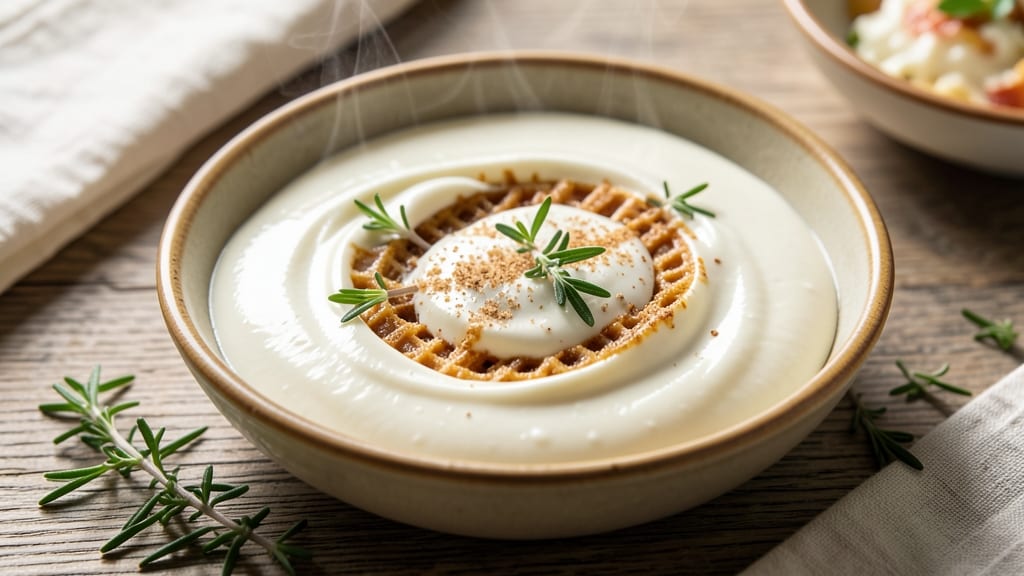
This authentic white sauce recipe transforms simple pantry staples into the velvety foundation of classic French cuisine. The secret lies in a perfectly cooked roux—equal parts butter and flour—simmered until golden without browning, then gradually whisked into warm milk for a silky, lump-free texture.
I’ve perfected this technique after years of testing, ensuring every batch delivers the same professional results you’d expect from a Parisian bistro.
The magic happens in the details: using whole milk (never powdered) and low, gentle heat prevents curdling, while constant whisking creates that signature hidden herb depth—a subtle aroma that elevates even the simplest dishes.
This isn’t just a sauce; it’s the backbone of macaroni and cheese, creamy casseroles, and velouté soups, all with restaurant-quality richness. The key? Patience and precision in the roux stage—rush it, and you’ll taste the difference.
What sets this recipe apart is its versatility. Start with the basic white sauce, then customize with nutmeg for mac and cheese, Gruyère for a cheese sauce, or fresh herbs for a lighter velouté.
The possibilities are endless, but the foundation remains the same: a smooth, flavorful base that builds on tradition without compromise. Whether you’re a home cook or a seasoned chef, this is the white sauce you’ll reach for again and again.
Ready to master it? The instructions break down each step—from roux to finish—so you’ll achieve authentic, velvety perfection every time. No shortcuts, no guesswork, just the timeless technique that’s stood the test of culinary history. Let’s get started.
Ingredients for authentic white sauce
Eight ingredients, one perfect technique—this is how bistros make their signature white sauce.
| Ingredient | Amount | Notes |
|---|---|---|
| Unsalted Butter 🧈 | ½ cup | Cold, cubed for even cooking |
| All-Purpose Flour 🌾 | ½ cup | Sifted for smooth texture |
| Whole Milk 🥛 | 2 cups | Room temperature, full-fat preferred |
| Salt 🧂 | ½ tsp | Diamond Crystal preferred |
| Fresh Nutmeg 🌿 | ¼ tsp | Freshly grated for aroma |
| Fresh Thyme Leaves 🌿 | ¼ tsp | Or 1/8 tsp dried thyme |
| White Pepper 🌶️ | ⅛ tsp | Freshly cracked for subtle heat |
| Extra-Virgin Olive Oil 🫒 | 1 tbsp | For finishing, fruity variety |
The butter and flour ratio is non-negotiable—equal parts create the ideal roux foundation. European-style unsalted butter (like Plugrá) has higher fat content, which gives a richer sauce, but any good-quality unsalted butter works. For flour, King Arthur all-purpose is my go-to—it whisks smoothly without lumps. The key is patience: cook the roux over medium-low heat until it's golden but not browned. Watch it like a hawk—one wrong second and you'll taste the difference. Freshly ground white pepper adds subtle heat without changing color, while the nutmeg brings that classic French depth.
No whole milk? Heavy cream at half the amount works in a pinch, but the sauce will be heavier. Fresh herbs are ideal, but dried thyme at one-third the amount gets you close—just toast it first to wake up the flavor. Short on olive oil? Avocado oil has a higher smoke point, so it won't overpower. The flour must be sifted—no exceptions—for that silky texture. And if your roux starts to darken too quickly, immediately reduce the heat or remove the pot from the stove. Better to restart than risk burning it.
This sauce keeps beautifully—3 days in the fridge or 3 months frozen. For freezing, cool it completely first, then portion into ice cube trays before transferring to a container. Reheat gently over low heat, stirring constantly. The magic of this sauce is its versatility: use it for mac and cheese, creamy soups, or even as a base for béchamel. Double the recipe—you'll want leftovers. And if you're feeling fancy, finish with a drizzle of truffle oil for an unexpected twist.
Why You'll Love This Recipe
- Pantry Staple Magic: I swear by this sauce because it only needs five things—no fancy ingredients, no last-minute grocery runs. Butter, flour, milk, salt, and nutmeg? That’s it. The kind of recipe where you won’t panic if you’re missing something.
- Velvet Smoothness: The moment the roux turns golden and the milk comes in? Pure satisfaction. That nutmeg finish—just a whisper—transforms it from basic to ridiculously good. It’s creamy without being heavy, and the flour-to-butter ratio keeps it silky.
- Weeknight Swiss Army: Slather it on pasta, toss it with veggies, or drizzle it over roasted chicken—it’s my go-to for lazy dinners. Honestly, I’ve even used it as a dip for bread when I’m too tired to cook. Works every time, no excuses.
- Make-Ahead Goldmine: Between us, this sauce tastes better the next day. I double the batch, store it in the fridge, and pull it out for quick lunches or last-minute sauces. Budget-friendly too—you’ll use less butter than you think, and milk stretches far.
Step-by-step instructions for authentic white sauce
Here's the classic French technique that delivers restaurant-quality white sauce every time.
Create the Perfect Roux Base
In a medium saucepan over medium heat, melt the 0.5 cup unsalted butter until it's completely liquid but not browned. Add the 0.5 cup all-purpose flour all at once and stir vigorously with a wooden spoon or whisk for 1-2 minutes until the mixture forms a smooth, paste-like consistency.
This is your roux—the foundation of authentic white sauce. You're looking for a color between pale blonde and light tan, not brown. If it darkens too quickly, reduce the heat slightly. The roux should coat the back of a spoon and hold its shape when pressed between your fingers. Cook it just until it loses its raw flour taste but hasn't taken on any color—this ensures your sauce stays white and velvety.
Gradually Incorporate the Milk
Slowly pour in the 2 cups whole milk while whisking constantly to prevent lumps from forming. Add the milk in a thin, steady stream—about ¼ cup at a time—allowing each addition to be fully incorporated before adding more. This gradual process creates a smooth emulsion that's essential for that authentic texture.
Keep whisking vigorously as you add the milk. The mixture will thicken noticeably as it comes together. If you notice any lumps forming, immediately press them against the side of the pan with your whisk to break them down. The sauce should begin to thicken and coat the whisk as you continue to cook.
Simmer and Season
Once all the milk is incorporated, increase the heat to medium-low and let the sauce simmer gently for 5-7 minutes, stirring frequently with a wooden spoon. You're looking for the sauce to thicken to a velvety consistency where it coats the back of a spoon but still flows smoothly when poured.
During this time, add the 0.5 tsp salt, 0.25 tsp fresh nutmeg, 0.25 tsp fresh thyme leaves, and 0.125 tsp white pepper. The nutmeg adds a subtle warmth that's characteristic of authentic white sauce, while the thyme and white pepper provide depth without overpowering. Taste the sauce and adjust the seasoning if needed—this is where you'll notice the hidden herb complexity that makes this sauce special.
Finish with Olive Oil for Authentic Touch
Remove the sauce from heat and stir in the 1 tbsp extra-virgin olive oil. This final step is what gives authentic white sauce its signature richness and sheen. The olive oil not only adds flavor but also helps stabilize the sauce, preventing it from separating as it cools.
Let the sauce rest for 2-3 minutes before using. This resting period allows the flavors to meld completely and the sauce to reach its ideal consistency. The texture should be smooth, velvety, and perfectly coated—thick enough to cling to proteins or vegetables but still pourable. If the sauce thickens too much while resting, simply whisk in a splash of warm milk to reach your desired consistency.
Pro Tips For Making Authentic White Sauce
- Cook Butter Slowly: Start with medium-low heat—melting butter too fast makes it brown and ruins the sauce’s clean flavor. I learned this the hard way when my first batch turned buttery beige instead of pale gold.
- Use Cold Milk: Whisk in the whole milk gradually while the roux is still hot, but don’t let it boil—just simmer gently. Cold milk prevents lumps and keeps the sauce silky smooth, not grainy.
- Salt the Butter: Add half the salt to the melted butter before adding flour—it dissolves better and seasons the sauce from the start. Skipping this step means you’ll have to chase flavor later.
- Nutmeg at the End: Grind fresh nutmeg just before serving and fold it in last—it loses potency when cooked too long. A pinch (about ¼ teaspoon) is enough; don’t overdo it or the sauce turns bitter.
Troubleshooting great authentic white sauce
Roux Burns Too Fast
If your roux darkens too quickly, immediately reduce the heat to low or remove the pan from the stove. This happens when the butter melts too fast, causing the flour to cook unevenly. I’ve found that using a heavy-bottomed saucepan (like All-Clad) helps distribute heat more evenly.
For extra insurance, melt the butter first, then remove the pan from heat and stir in the flour before returning it to the stove. This two-step method gives you more control over the cooking process. 🌡️
Lumpy Sauce Formation
Lumps form when milk is added too quickly or whisking isn’t vigorous enough. To fix this, immediately press any lumps against the pan’s side with your whisk while adding a splash of warm milk to break them down.
For prevention, always whisk continuously as you pour in the milk—¼ cup at a time—and keep the heat at medium-low. A handheld immersion blender can also save the day if lumps appear: just blend briefly to smooth out the texture.
Sauce Separates or Curdles
Separation happens when the sauce is heated too quickly or the milk isn’t warm enough. To rescue a separated sauce, whisk in 1-2 tbsp cold butter (cut into small pieces) while stirring constantly over low heat. The butter’s fat will help re-emulsify the sauce.
For prevention, always use room-temperature milk and add it gradually while whisking vigorously. Never let the sauce boil—keep it at a gentle simmer (160°F) to maintain its velvety consistency.
Weak or Bland Flavor
A bland sauce usually means the roux wasn’t cooked long enough or seasonings were added too early. Let the roux cook until it’s pale blonde (about 2-3 minutes after flour is added) to develop a nutty depth. Season at the end—after simmering—so flavors meld properly.
For extra richness, finish with a drizzle of heavy cream or a pinch of white miso paste (just ½ tsp for umami). I also like adding a splash of white wine (like Sauvignon Blanc) while simmering for brightness.
Sauce Too Thick or Gluey
Overcooking or using too much flour can make your sauce gluey. To fix it, whisk in 1-2 tbsp warm milk at a time until you reach a smooth, pourable consistency. For prevention, remove the sauce from heat as soon as it coats the back of a spoon.
If you’re unsure, test it by dipping a spoon in—it should slide off cleanly but leave a slight trail. A wire whisk works best for adjusting thickness without adding lumps.
Milk Doesn’t Incorporate Smoothly
If the milk clumps or floats on top, your heat might be too high or your whisking isn’t consistent. Lower the heat to low and whisk in a zigzag motion (side-to-side and up-and-down) to create more friction.
For stubborn clumps, use a wooden spoon to mash them against the pan’s sides while adding a splash of warm milk. Always use whole milk**—it emulsifies better than skim or powdered milk due to its higher fat content.
Nutrition facts
Frequently asked questions
What's the difference between white sauce and béchamel?
This recipe is essentially a classic béchamel—white sauce is just the French term for it! The key difference lies in the technique: true béchamel uses a blond roux (cooked until golden) and is traditionally made with whole milk and butter. While many recipes use cheese for variations, this pure version focuses on the authentic French foundation that works for everything from mac and cheese to velouté soups.
Can I make this sauce without butter?
Yes, but the texture and flavor will differ. Replace the butter with an equal amount of neutral oil (like avocado or grapeseed) for a lighter version, though it won't have the same richness. For a dairy-free option, use unsalted vegan butter or olive oil—but expect a slightly thinner consistency. The roux will still form, but the sauce may separate more easily without butter's fat content.
How do I adjust the thickness for different dishes?
For pasta dishes, aim for a medium-thick consistency (like heavy cream). For soups or sauces, thin it with warm milk or broth until it coats the back of a spoon but pours smoothly. If too thick, whisk in 1 tbsp warm milk at a time. If too thin, simmer uncovered for 1-2 minutes while stirring constantly—never add more flour, as it can create lumps.
What's the secret to getting that velvety texture?
The magic happens in three steps: low, constant heat while cooking the roux, gradual milk addition (¼ cup at a time), and vigorous whisking. Never let the sauce boil—keep it at a gentle simmer (160°F). The olive oil at the end adds body and shine. For extra silkiness, strain the sauce through a fine-mesh sieve before serving to remove any microscopic lumps.
Can I make this sauce ahead of time?
This sauce keeps for 3 days in the fridge and freezes beautifully for 3 months. For freezing, cool it completely first, then portion into ice cube trays before transferring to a container. Thaw overnight in the fridge and reheat gently over low heat, stirring constantly. The texture may thicken slightly when reheated—just whisk in a splash of warm milk to restore smoothness.