
Sauces & Condiments
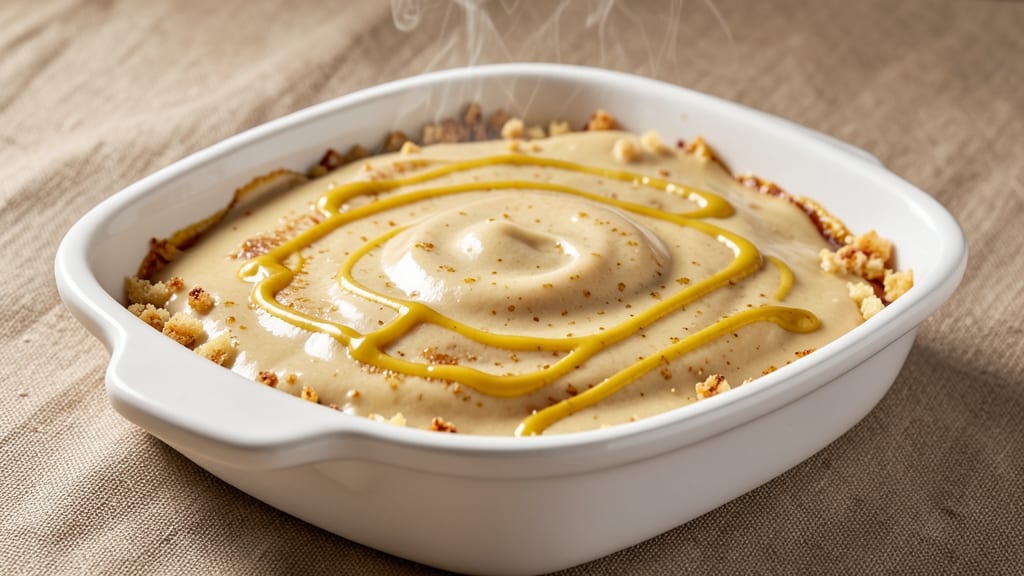
Applebee's cheese sauce recipe delivers that signature velvety, stretchy texture we all crave—perfect for mac and cheese, baked potatoes, or dips. The secret lies in a smooth roux base and the right cheese blend, creating those iconic strings that make every bite irresistible. I've recreated this restaurant favorite at home, and it's become a staple in my kitchen.
What sets this sauce apart is the balance between creaminess and elasticity, achieved through a simple but precise method. Shredded cheddar and Monterey Jack melt into a silky consistency, while a touch of mustard adds depth without overpowering.
The key step? Cooking the roux until golden before adding cheese ensures a thick, smooth sauce that won't break when reheated.
By the time you're done, you'll have a rich, creamy sauce that clings to noodles or potatoes like a dream. It's restaurant-quality without the fuss—no lumps, no separation, just velvety perfection. The best part? It reheats beautifully, so you can make a big batch for the week.
Use it as a mac and cheese sauce, a baked potato topping, or even a dip for breadsticks. The possibilities are endless, and the flavor is always spot-on. Let's get started!
Ingredients for applebee's cheese sauce
Eight simple ingredients transform into Applebee's iconic stretchy cheese sauce—creamy, velvety, and perfect for dipping or drizzling.
| Ingredient | Amount | Notes |
|---|---|---|
| Unsalted Butter 🧈 | ½ cup | Cold, cubed for roux |
| All-Purpose Flour 🌾 | ½ cup | Sifted for smooth sauce |
| Sharp Cheddar Cheese 🧀 | 1 ½ cups | Shredded, block preferred |
| Monterey Jack Cheese 🧀 | 1 cup | Shredded, mild flavor |
| Whole Milk 🥛 | 1 cup | Warmed slightly for blending |
| Dijon Mustard 🍯 | 1 tbsp | For depth of flavor |
| Salt 🧂 | ½ tsp | Adjust to taste |
| Ground Black Pepper 🌶️ | ¼ tsp | Freshly ground preferred |
The butter and flour create the magic—cook the roux until golden (not brown) for that smooth, elastic texture. Grab European-style butter from Whole Foods or Trader Joe's for richer flavor, but any good brand works. For the cheeses, block cheddar (like Kraft Natural) melts better than pre-shredded—it's worth the extra minute. Monterey Jack adds that signature mild tang, so don't skip it. If you're in a rush, pre-shredded from the store is fine, but pat it dry first to avoid a watery sauce.
No Dijon mustard? Yellow mustard at half the amount works in a pinch, but the tang makes all the difference. Short on milk? Heavy cream gives extra richness, but whole milk keeps it classic. The sauce thickens as it cools, so add a splash of milk if it gets too thick while reheating. For extra stretch, whisk in 1 tbsp cornstarch mixed with 1 tbsp cold water—it’s a restaurant trick! And if you're making a big batch, double the recipe—it reheats beautifully for leftovers.
This sauce keeps for 4-5 days in the fridge, sealed tightly in a jar. For longer storage, freeze in ice cube trays—perfect for single servings. Reheat gently on low heat, stirring often, until smooth. The key? Low and slow prevents lumps. I always make extra—it’s perfect for mac and cheese, baked potatoes, or even as a dip for breadsticks. Portion into small containers for easy grab-and-go meals all week.
Why You'll Love This Recipe
- Five-Ingredient Magic: I swear by this recipe because it’s that simple—just butter, flour, two cheeses, and milk. No fancy techniques, no last-minute grocery runs. The roux forms in minutes, and the cheeses melt into something silky without a single clump.
- Creamy Sharp Bite: That sharp cheddar and Monterey Jack combo? Chef’s kiss. The cheddar brings the tangy punch while the Jack keeps it smooth—like a hug in sauce form. Honestly, I’ve tried store-bought versions, and this one actually tastes like it belongs on a menu.
- Dip Everything: Between us, this sauce is my secret weapon for game day, lazy Sundays, or when I’m too tired to cook. Toss it with mac and cheese, slather it on baked potatoes, or just eat it straight with bread. It’s the ultimate lazy-but-luxurious upgrade.
- Leftovers That Last: Make a double batch—it reheats like a dream and stays rich for days. I’ve used it to jazz up frozen veggies, turn plain rice into a meal, or even drizzle it over grilled chicken. (Yes, even on a Tuesday night.) No waste, all flavor.
Step-by-step instructions for Applebee's cheese sauce
Here's how to make that iconic, stretchy cheese sauce that's perfect for mac and cheese or dipping.
Create a Smooth Roux for Flavor Foundation
In a medium saucepan over medium heat, melt the 0.5 cup unsalted butter (cubed) until it's completely liquid but not browned. This should take about 2-3 minutes. I like to keep the heat steady—too high and the butter will burn, too low and you'll waste time waiting.
Once the butter is melted, immediately whisk in the 0.5 cup all-purpose flour all at once. Stir continuously for 1-2 minutes until the mixture forms a thick, smooth paste that pulls away from the sides of the pan. This is your roux, and it's the secret to that velvety texture. You're looking for a color between peanut butter and light caramel—this ensures rich flavor without bitterness.
Cook the Roux Until Golden
Continue cooking the roux over medium heat, stirring constantly with a wooden spoon, for another 3-5 minutes. You want it to turn a rich, golden brown color—this is where all the deep, nutty flavors develop. If you see any browned bits sticking to the bottom, just scrape them up with your spoon and keep stirring.
Here's the thing—don't walk away. The roux can go from perfect to burnt in seconds. You'll know it's ready when it smells toasty and nutty, and when it coats the back of a spoon smoothly. This step makes all the difference in that restaurant-quality taste you're after.
Gradually Add Milk for Creamy Perfection
Slowly pour in the 1 cup whole milk while whisking vigorously to prevent lumps from forming. I like to add it in a steady stream, about ¼ cup at a time, whisking after each addition. Once all the milk is incorporated, reduce the heat to low and let the sauce simmer gently for 5-7 minutes, stirring occasionally.
The sauce should start to thicken noticeably as it cooks. If it gets too thick before it's fully combined, just add a splash more milk. You're aiming for a consistency that's smooth but still pourable—like heavy cream. This gradual addition prevents clumping and ensures an ultra-smooth final texture.
Incorporate Cheeses for Maximum Stretch
Lower the heat to lowest setting and begin adding the cheeses. First, stir in the 1.5 cups sharp cheddar cheese until it's completely melted and smooth. Then add the 1 cup monterey jack cheese, stirring constantly until fully incorporated. This gradual addition prevents clumping and ensures even melting.
Once the cheeses are fully melted, stir in the 1 tbsp dijon mustard, 0.5 tsp salt, and 0.25 tsp ground black pepper. The mustard adds that signature tangy depth that makes this sauce so special. Taste and adjust the seasoning if needed—you might want a bit more salt or pepper depending on your preference. Keep the heat at the lowest setting to prevent the sauce from breaking.
Simmer for Ultimate Creaminess
Let the sauce simmer gently for 3-5 minutes longer, stirring occasionally. This final simmer ensures all the flavors meld together perfectly and the sauce reaches its ideal consistency—smooth, velvety, and with those signature stretchy strings that make it so addictive.
For the best results, don't rush this step. The sauce should coat the back of a spoon smoothly but still be pourable. If it starts to thicken too much, just add a splash of warm milk to loosen it up. Once you've achieved that perfect consistency, remove the pan from heat and let the sauce rest for 2-3 minutes before using. This resting period allows the flavors to settle and the sauce to reach its full potential.
Pro Tips For Making Applebee'S Cheese Sauce
- STIR CONSTANTLY AT FIRST: The first 2 minutes after adding flour to butter are where lumps form fastest—if you’re not stirring like you’re trying to win a race. Use a wooden spoon and keep it moving; I learned this the hard way when I walked away for "just a second" and ended up with a gloppy mess.
- GRATE CHEESE FINE: Skip the big chunks unless you like grittiness in your sauce. A box grater or food processor works best—Monterey Jack especially melts smoothly when it’s almost powdery. I used pre-shredded once and swore off it after the sauce separated like oil and water.
- LOW AND SLOW AFTER MILK: Once you add the milk, drop the heat to medium-low. Too hot and the cheese seizes up, turning your sauce into a sad, clumpy puddle. Keep it at a simmer, not a boil—this is where patience pays off, and your sauce stays velvety.
- USE WARM MILK: Cold milk makes the cheese fight you. Warm the milk in the microwave for 30 seconds or heat it on the stove first—just until it’s steaming. The cheese melts in smoothly, and you won’t end up with grainy bits fighting for dominance. Trust me, it’s worth the extra step.
Dietary considerations for this applebee's cheese sauce
Dairy-Free Adaptation
For a dairy-free version, swap the butter and milk for 1 cup coconut milk (full-fat for richness) and use 1 tbsp nutritional yeast instead of Dijon mustard.
Replace cheddar and Monterey Jack with 1.5 cups dairy-free cheddar shreds (like Violife) and 1 cup cashew cheese (blend soaked cashews with lemon juice and salt). The sauce will still be creamy but with a nutty undertone. 🌱
Gluten-Free Version
Keep all the original ingredients but replace the all-purpose flour with 0.5 cup gluten-free all-purpose flour blend (like Bob's Red Mill 1:1). For extra thickness, add 1 tbsp cornstarch to the roux.
The texture remains smooth, and the sauce won't clump. Always check your cheese labels—some brands process cheese in gluten-containing facilities.
Lactose-Free Option
Use lactose-free butter (like Land O'Lakes Lactose-Free) and lactose-free milk in the recipe. The cheeses should be labeled lactose-free (such as Kraft Lactose-Free Sharp Cheddar). The sauce will still achieve that signature stretchiness, and the flavor remains rich and creamy.
Taste as you go—lactose-free versions sometimes need a pinch more salt to balance flavors.
Lower-Calorie Adjustments
Reduce the butter to 0.25 cup and use 1 cup skim milk instead of whole. Replace half the cheddar with 1 cup low-fat cottage cheese (blended smooth) for protein without excess fat.
Add 1 tsp apple cider vinegar for tang. The sauce will be lighter but still velvety, perfect for mac and cheese or veggie dips. 💪
Vegan-Friendly Twist
Create a vegan version with 1 cup vegan butter (like Miyoko's) and 1 cup unsweetened almond milk. Use 1.5 cups vegan cheddar shreds (like Daiya) and 1 cup silken tofu (blended smooth) for creaminess.
Add 1 tbsp white miso paste for umami depth. The sauce will be rich, stretchy, and completely plant-based—ideal for vegan mac or baked potatoes.
Nutrition facts
Frequently asked questions
Why does Applebee's cheese sauce have those stretchy strings?
The iconic stretch comes from the perfect balance of sharp cheddar and Monterey Jack cheese, combined with a well-cooked roux and gradual milk addition. The low-and-slow simmering creates a protein-rich emulsion that forms those signature elastic strings when cool. Think of it like science magic—cheese proteins and fat align just right when melted properly!
Can I make this sauce ahead of time?
This sauce actually tastes better after resting. Store it in an airtight container in the fridge for up to 5 days, or freeze in ice cube trays for single servings. Reheat gently on low heat, stirring often, and add a splash of milk if it thickens too much. The flavors deepen overnight, making it perfect for meal prep.
What can I use if I don't have Dijon mustard?
No problem! Use 1 tbsp yellow mustard (half the amount) or ½ tsp white vinegar for tang. The mustard adds depth that balances the richness, but these substitutes work in a pinch. For extra flavor, a pinch of smoked paprika or garlic powder can help too. Taste as you go—this sauce forgives small adjustments!
Why did my sauce get grainy or lumpy?
Lumps usually happen from one of three things: adding cheese too quickly, not stirring enough, or using pre-shredded cheese (which has anti-caking agents). For smooth results, melt cheeses gradually on low heat, whisk constantly, and use block cheese (pre-shredded has starch additives). If lumps appear, blend briefly with an immersion blender for a silky texture. Patience is key!
How can I make this sauce extra creamy?
For ultra-creamy results, whisk in 2 tbsp heavy cream at the end or replace ¼ cup milk with ¼ cup half-and-half. For even more richness, add 1 oz cream cheese while melting the other cheeses. The secret is low heat—the longer you simmer gently, the smoother the final texture becomes. Think velvety clouds!