
Sauces & Condiments
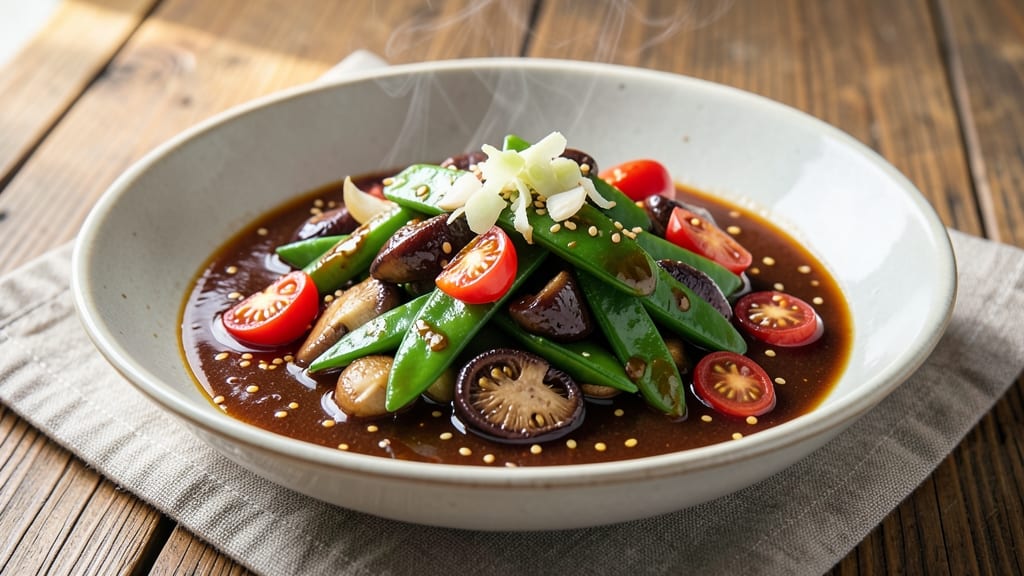
This Asian vegetable stir-fry sauce recipe delivers restaurant-quality depth in just 10 minutes—no complicated techniques required. The secret lies in balancing umami, sweetness, and acidity through simple ingredients like soy sauce, sesame oil, and a touch of honey.
I developed this after years of testing stir-fry sauces, and it never fails to elevate even the simplest vegetables into something extraordinary.
The foundation of this sauce is a trio of flavors: salty from soy sauce, sweet from honey or brown sugar, and tangy from rice vinegar.
Aromatics like minced garlic, fresh ginger, and a splash of sesame oil add layers of complexity, while optional ingredients such as miso paste or oyster-free fish sauce substitute deepen the umami without overpowering.
The sauce works equally well with tofu, bell peppers, broccoli, or any combination of vegetables you have on hand.
What you’ll end up with is a glossy, aromatic sauce that clings perfectly to vegetables, delivering a perfect balance of sweet, salty, and savory notes in every bite. The best part?
It’s incredibly versatile—use it fresh for immediate flavor or store it in the fridge for up to a week, ready to transform any stir-fry into a flavor-packed masterpiece.
This sauce is the game-changer for weeknight dinners, meal prep, or when you want to impress with minimal effort. Whether you're cooking for one or feeding a crowd, it’s the perfect companion to any Asian-inspired vegetable dish. Let’s make it!
Ingredients for asian vegetable stir fry sauce
Ten simple ingredients transform your stir-fry into a restaurant-worthy masterpiece in minutes.
| Ingredient | Amount | Notes |
|---|---|---|
| Low-Sodium Soy Sauce 🥢 | ½ cup | For authentic umami depth |
| Rice Vinegar 🍶 | ¼ cup | White or seasoned variety |
| Honey 🍯 | ¼ cup | Or light brown sugar |
| Sesame Oil 🫒 | 1 tbsp | Toasted for nutty aroma |
| Fresh Ginger 🧄 | 1 tbsp | Finely grated, aromatic |
| Garlic Cloves 🧄 | 4 cloves | Minced for pungent flavor |
| Vegetable Oil 🫒 | 1 tbsp | For smooth texture |
| White Miso Paste 🥄 | 1 tbsp | For extra umami boost |
| Cornstarch 🌾 | ½ tsp | For glossy finish |
| Sesame Seeds 🌱 | ½ tsp | Toasted for garnish |
The soy sauce is your umami anchor—Kikkoman or La Choy work perfectly, but any low-sodium brand avoids overpowering saltiness. Rice vinegar should smell fresh and bright; skip the aged varieties here. Honey adds sweetness, but light brown sugar works equally well if you prefer a deeper caramel note. For sesame oil, Kadoya or Lee Kum Kee deliver that toasted aroma without bitterness—never the cheap stuff from the clear bottle. Fresh ginger and garlic? Buy organic if possible, but even conventional works fine if you zest the skin off for extra flavor. The miso paste is optional but absolutely essential for that restaurant-quality depth—White Miso from Miso Master or Hodo is ideal.
No sesame oil? Avocado oil or peanut oil at half the amount keeps the nutty vibe. Short on honey? Maple syrup or agave works 1:1. The miso can be swapped for 1 tbsp oyster-free fish sauce (like Red Boat) if you want even more umami, but it’s not required. Cornstarch is crucial for that glossy finish—Bob’s Red Mill is my go-to, but any food-grade starch works. For the garlic, peeling cloves whole first makes mincing easier. The sesame seeds? Toast them in a dry pan for 30 seconds before adding to the sauce—they’ll turn golden and smell incredible.
This sauce keeps for up to 1 week in the fridge, sealed in a jar with a layer of olive oil on top to preserve freshness. For longer storage, freeze in ice cube trays—perfect for single-use portions. The miso and sesame oil can be stored separately if you’re worried about flavor transfer. Double the batch—it disappears faster than you’d think, especially when paired with crisp stir-fried veggies or silky tofu. Garnish with toasted sesame seeds right before serving for that restaurant-quality crunch.
Why You'll Love This Recipe
- Five-Ingredient Magic: I swear by this combo—just soy sauce, vinegar, honey, sesame oil, and ginger. That’s it. No fancy pantry trips, no last-minute grocery runs. The balance of salty, tangy, and sweet happens automatically when you mix them right.
- Umami Bomb: Honestly, the ginger and soy sauce together? It’s like a flavor explosion. That crisp, bright ginger zing cuts through the richness, and the honey rounds it out—every bite tastes like you actually cooked for hours, even if you didn’t.
- Meal Prep MVP: Between us, this sauce keeps perfectly for a week in the fridge. Drizzle it over cold noodles for lunch, toss it with reheated stir-fry veggies, or even use it as a marinade. I make a big batch Sunday night and forget about takeout all week.
- Budget Hack: Low-sodium soy sauce and rice vinegar are my pantry staples—they cost pennies and stretch forever. A little sesame oil and honey elevate it without breaking the bank. This is the kind of sauce that makes frugal cooking feel indulgent.
Step-by-step instructions for Asian vegetable stir fry sauce
Here's how to craft a perfectly balanced sauce that delivers restaurant-quality depth in record time.
Toast the Sesame Seeds for Nutty Complexity
Heat a dry skillet over medium heat and add the 0.5 teaspoon sesame seeds. Toast them for 1-2 minutes until they turn a rich golden brown and release their nutty aroma. Watch carefully—they'll darken quickly, so remove them immediately when they're fragrant and not quite burnt.
Transfer the toasted seeds to a small bowl and set aside. This step adds texture and aroma that elevates the sauce from good to extraordinary. Don't skip it—the seeds should be your first ingredient to prepare while you work on the rest.
Build the Flavor Base with Aromatics and Miso
In a small saucepan, combine the 1 tablespoon vegetable oil, 1 tablespoon fresh ginger (finely grated), and 4 cloves garlic cloves (minced). Heat over medium heat for 2-3 minutes until the garlic becomes fragrant and the ginger softens slightly but doesn't brown.
Add the 1 tablespoon white miso paste and stir constantly for 1 minute until fully incorporated. The miso will dissolve into the oil, creating a velvety base that carries all the other flavors. This is where the sauce gets its deep umami foundation—don't let it burn or it'll turn bitter instead of delicious.
Blend the Liquid Ingredients for Perfect Balance
Pour in the 0.5 cup low-sodium soy sauce, 0.25 cup rice vinegar, and 0.25 cup honey. Stir well to combine, then bring the mixture to a gentle simmer over medium-high heat. Let it cook for 3-4 minutes until the liquid reduces slightly and becomes glossy.
This reduction step concentrates the flavors and creates that signature silky texture. You'll notice the sauce thicken just slightly—this is normal and exactly what we want. The vinegar adds brightness, the soy sauce provides umami, and the honey rounds out the flavors with subtle sweetness.
Incorporate the Finishing Touches
Remove the sauce from heat and stir in the 1 tablespoon sesame oil. This adds a delicate nutty aroma that complements the toasted sesame seeds. The sauce should now have a beautiful mahogany color with a glossy sheen.
In a separate small bowl, whisk together the 0.5 teaspoon cornstarch with 1 tablespoon cold water until smooth. Slowly drizzle this slurry into the sauce while stirring constantly. Return the sauce to low heat and cook for 1-2 minutes until it thickens to your desired consistency—it should coat the back of a spoon but still be pourable.
Garnish and Serve with Confidence
Divide the sauce among serving bowls or a saucepan for immediate use. Sprinkle each portion with the toasted sesame seeds just before serving. These seeds add both visual appeal and a satisfying crunch that contrasts beautifully with the silky sauce.
This sauce delivers perfect balance—salty from the soy and miso, sweet from the honey, tangy from the vinegar, and nutty from the sesame. It's ready to elevate any vegetable stir fry, noodle dish, or protein with professional-quality results. Store any leftovers in an airtight container in the refrigerator for up to 5 days, or freeze for 3 months.
Pro Tips For Making Asian Vegetable Stir Fry Sauce
- STIR ON LOW HEAT: That wok or skillet isn’t a volcano—turn the burner to medium-low once you add the sauce. I learned this the hard way when I burned the ginger and turned the honey into caramelized sludge. You want the flavors to marry, not scorch.
- GRATE GINGER FINE: Skip the mincer and use a box grater for fresh ginger—it dissolves faster and releases more punch. I used to chop it, and half the time it just sat at the bottom like a stubborn pebble. Fine grating means every bite gets that zesty kick.
- TASTE BEFORE HONEY: Add the honey last and taste the sauce first—it’s sweeter than you think. I used to dump it all in and end up with something cloying. Start with 1 teaspoon, stir, then adjust. You can always add more, but you can’t take it out.
- SWAP SESAME OIL LAST: Stir in the sesame oil right before serving—it’s delicate. Add it too early, and it’ll cook off, leaving you with just a faint aroma. A quick drizzle at the end keeps that nutty, toasty flavor intact. (Yes, even if you’re impatient like me.)
Dietary considerations for these flavors
Gluten-Free Adaptation
Swap the soy sauce for tamari or a gluten-free soy sauce like San-J Tamari—it delivers the same umami punch without gluten. Use ½ cup for the same depth of flavor.
For extra richness, add 1 tbsp coconut aminos to mimic the savory profile. Always check labels, as some rice vinegars contain wheat—Miyoko’s is a safe bet. 🌱
Soy-Free Version
Skip the soy sauce entirely and boost umami with 1 tbsp white miso paste (already in the recipe) plus 1 tbsp coconut aminos or 1 tbsp nutritional yeast. For tang, increase the rice vinegar to ⅓ cup and add 1 tsp apple cider vinegar to brighten the flavor.
The miso and vinegar combo creates a complex, savory base without soy. 💡
Low-Sugar Options
Replace the honey with 1 tbsp maple syrup or 1 tbsp sugar-free monk fruit sweetener (like Lakanto). For a caramel note without sugar, use 1 tbsp date paste—it blends seamlessly and adds natural sweetness.
Reduce the honey to 2 tbsp if you prefer a slightly less sweet profile. 🍯
Nut-Free Adjustments
Omit the sesame oil and sesame seeds—replace with 1 tbsp avocado oil and garnish with toasted pumpkin seeds or crushed sunflower seeds for crunch. The avocado oil adds a neutral, rich base that won’t compete with the other flavors.
For extra depth, add ½ tsp smoked paprika to the sauce. 🌱
Dairy-Free & Vegan
This sauce is already 100% plant-based, but double-check your miso paste for additives—Miso Master and Hodo are both vegan-friendly. For extra creaminess without dairy, stir in 1 tsp aquafaba (chickpea brine) at the end for a silky texture.
The sauce pairs perfectly with tofu, tempeh, or coconut milk-based curries. ✨
Allergen-Friendly Tips
For egg-free needs, no changes are required—this recipe is naturally egg-free. If avoiding seafood, skip the miso and use 1 tbsp oyster-free fish sauce substitute (like Red Boat) or 1 tbsp extra coconut aminos. Always store miso in the fridge after opening to prevent mold. 💪
Nutrition facts
Frequently asked questions
Can I make this sauce without sesame oil?
Replace the 1 tablespoon sesame oil with 1 tablespoon avocado oil or peanut oil for a neutral base that won't overpower the flavors. For extra depth, add ½ teaspoon smoked paprika to mimic the nutty aroma. The sauce will still taste delicious—just with a slightly different profile.
How do I adjust the sweetness level?
Start with the full ¼ cup honey for balanced sweetness, but reduce to 2 tablespoons if you prefer less sugar. For a sugar-free version, swap honey for 1 tablespoon maple syrup or 1 tablespoon monk fruit sweetener. Taste as you go—you can always add more sweetener at the end.
What vegetables pair best with this sauce?
This sauce shines with bell peppers, broccoli, snap peas, carrots, and bok choy. For extra texture, add mushrooms or water chestnuts. It also works beautifully with tofu, tempeh, or edamame for a protein boost. The glossy sauce clings perfectly to crisp-tender vegetables.
Can I make this sauce ahead of time?
Yes! Store the sauce in an airtight container in the fridge for up to 5 days. For longer storage, freeze in ice cube trays—thaw overnight in the fridge before using. The flavors actually deepen over time, making it perfect for meal prep. Just reheat gently before using.
Why does my sauce look too thin?
If the sauce is too thin, it likely needs more thickening. Mix ½ teaspoon cornstarch with 1 tablespoon water, stir into the sauce, and simmer for 1-2 minutes until it reaches your desired consistency. For a glossier finish, reduce the sauce by simmering uncovered for 2-3 extra minutes.