
Sauces & Condiments
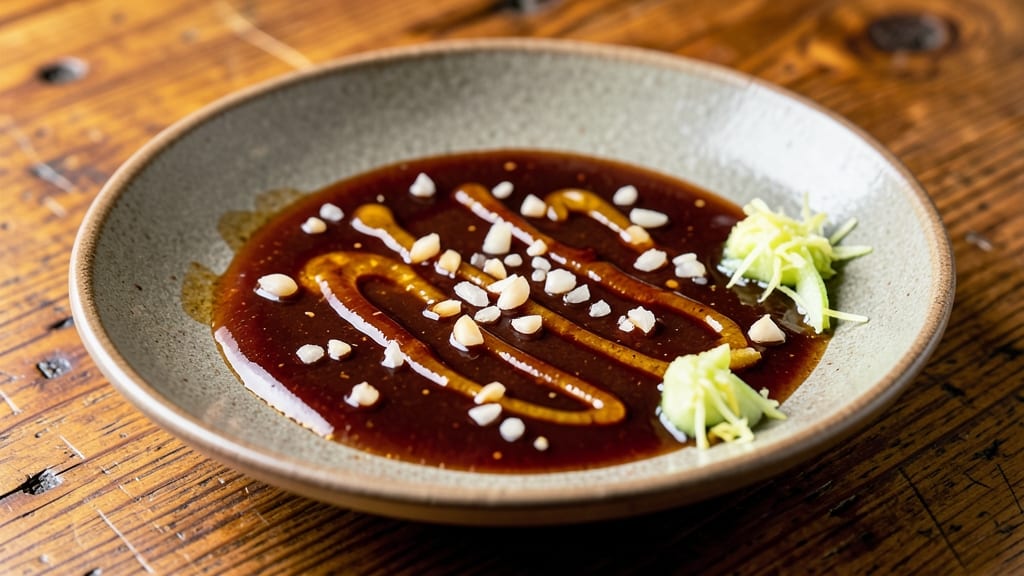
This all-purpose stir-fry sauce recipe transforms any stir-fry from ordinary to extraordinary—packed with deep umami, bright acidity, and just the right amount of heat.
The secret lies in balancing soy sauce, oyster sauce, and a touch of sweetness, all simmered with garlic, ginger, and chili for layers of flavor that cling to every bite.
I developed this sauce after years of testing, and it’s now my go-to for everything from crispy tofu to tender chicken and vibrant vegetables.
The beauty of this sauce is its versatility—it works equally well for quick weeknight dinners or restaurant-quality takeout flavors. With just 10 minutes of active time, you’ll have a sauce that’s rich, slightly tangy, and perfectly balanced, ready to elevate any protein or vegetable.
The ingredients are simple: soy sauce for saltiness, oyster sauce for depth, a splash of rice vinegar for brightness, and a touch of honey or brown sugar to round out the flavors.
What makes this recipe stand out is how it adapts to any dish—whether you’re tossing it with seared shrimp, wok-fried veggies, or silky tofu.
The sauce thickens slightly as it cools, making it ideal for tossing or drizzling, and it keeps well in the fridge for up to two weeks, so you can make a big batch and have it ready for spontaneous stir-fry nights.
No complicated techniques, just bold, restaurant-worthy flavor in minutes.
The key to success is simmering the sauce just until the aromatics release their fragrance—this unlocks the full depth of flavor without overpowering the dish. Serve it over steamed rice, drizzle it over noodles, or use it as a marinade for extra tenderness.
This isn’t just a sauce; it’s a flavor multiplier that turns simple ingredients into something extraordinary.
Ingredients for all purpose stir fry sauce
Ten simple ingredients. One sauce that turns any stir-fry into a restaurant-worthy dish.
| Ingredient | Amount | Notes |
|---|---|---|
| Soy Sauce 🥢 | ½ cup | Light or dark variety preferred |
| Oyster Sauce 🦪 | ¼ cup | Kikkoman preferred for balance |
| Rice Vinegar 🍶 | ¼ cup | Seasoned or plain works |
| Honey 🍯 | 2 tbsp | Or brown sugar for depth |
| Garlic Cloves 🧄 | 4 cloves | Minced for aromatic punch |
| Fresh Ginger 🌿 | 1 tbsp | Grated, not powdered |
| Red Chili Flakes 🌶️ | 1 tsp | Adjust for heat preference |
| Sesame Oil 🫒 | 1 tbsp | Toasted for nutty aroma |
| Cornstarch 🌾 | 1 tsp | For thickening consistency |
| Water 💧 | ¼ cup | Room temperature preferred |
Soy sauce is the backbone—Kikkoman is my go-to, but any good-quality light or dark works. Oyster sauce adds that umami depth, and Trader Joe's has a solid affordable option if you're not near an Asian market. Fresh ginger and garlic? Don't skip these. The grated ginger should smell bright and citrusy, and the garlic should be fresh enough to make your kitchen smell amazing. If you're using powdered ginger, cut the amount by half—it's way less potent. For the chili flakes, Lao Gan Ma is my favorite, but any good-quality flakes will do. If you're sensitive to heat, start with half a teaspoon and adjust to taste.
No oyster sauce? Hoisin sauce works in a pinch, but you'll lose some of that oceanic depth. Swap honey for brown sugar if you prefer a deeper caramel note. Sesame oil is non-negotiable for that nutty aroma, but if you're avoiding it, toasted sesame seeds sprinkled on top at the end give a similar vibe. The cornstarch is key for that perfect silky-thick consistency—don't skip it. If you're making a big batch, double everything and store it in glass jars for up to two weeks. The sauce actually gets better as it sits, as the flavors meld together. For extra richness, add a splash of fish sauce if you're not avoiding it, or vegetable broth for a vegetarian version.
This sauce keeps beautifully—two weeks in the fridge, three months frozen. I always make a double batch because it disappears fast. Store it in a glass jar with a tight lid to prevent absorption of fridge odors. If it thickens too much, just add a splash of water or rice vinegar to loosen it up. The sauce works on everything from tofu to shrimp to chicken, so make a big batch and keep it on hand. Pro tip: Drizzle it over steamed veggies for an instant flavor boost—it's that good.
Why You'll Love This Recipe
- Pantry Magic: I swear by this sauce because it lives in my fridge—no fancy shopping required. Soy, oyster, and rice vinegar? That’s the holy trinity right there, and honey keeps it from being too heavy when I toss it with whatever’s in the fridge.
- Garlic Bomb: Between us, the garlic cloves roasted in the sauce? That’s the secret weapon. It caramelizes just enough to give everything a deep, toasty kick—no chopping skills needed, just crush and let it work its magic.
- Weeknight Wonder: This sauce turns sad veggies or leftover chicken into a meal in 15 minutes. Honestly, I’ve used it for takeout nights, quick lunches, and even as a marinade—it’s the ultimate flavor shortcut when I’m exhausted but craving something better than cereal.
- Budget Boost: Oyster sauce is the MVP here—it’s cheap, packs umami, and stretches across stir-fries, noodles, or even eggs. I make double batches because it lasts forever, and my wallet thanks me every time I reach for it instead of store-bought sauces.
Step-by-step instructions for all-purpose stir-fry sauce
This sauce comes together faster than you can say "takeout." Let's make it shine.
Mince the Aromatics and Toast the Chili
Start by peeling and mincing the 4 cloves garlic into tiny pieces—think "almost paste" texture. Then, using a microplane or fine grater, grate the 1 tablespoon fresh ginger until you have about 1 tablespoon of finely textured ginger. Set these aside for now.
In a small dry skillet over medium heat, toast the 1 teaspoon red chili flakes for 30 seconds until they release their aroma and deepen in color. Watch them carefully—they'll darken quickly. Immediately transfer them to a bowl to cool, then add them to the minced garlic and ginger. This step builds the sauce's depth of flavor right from the start.
Combine Wet Ingredients and Simmer
In a medium saucepan, combine the 0.5 cup soy sauce, 0.25 cup oyster sauce, 0.25 cup rice vinegar, and 2 tablespoons honey. Stir well to dissolve the honey completely—it should look smooth and glossy. Place the saucepan over medium heat and bring to a gentle simmer.
Once simmering, add the minced garlic, ginger, and toasted chili flakes to the sauce. Let it bubble gently for 3-4 minutes until the aromatics soften slightly and the flavors meld together. You'll notice the sauce darken a bit and develop a rich, complex aroma—this is where the magic happens. Keep stirring occasionally to prevent sticking.
Thicken the Sauce with Cornstarch Slurry
In a small bowl, whisk together the 1 teaspoon cornstarch and 0.25 cup water until completely dissolved. This creates a smooth slurry that will thicken your sauce beautifully. Once the sauce has simmered for 3-4 minutes, pour the cornstarch mixture into the saucepan while stirring continuously.
Let the sauce simmer for another 2-3 minutes, stirring constantly, until it thickens to a glossy, coatable consistency. It should coat the back of a spoon but still be pourable—not gluey. If it thickens too quickly, add 1 tablespoon water at a time until you reach the perfect consistency. The sauce should be smooth, vibrant, and ready to elevate any stir-fry.
Finish with Sesame Oil for Depth
Remove the sauce from heat and let it cool slightly for 1 minute. Then, stir in the 1 tablespoon sesame oil. This final step adds a nutty aroma and rich flavor that ties everything together. The oil should be fully incorporated, giving the sauce a beautiful sheen and an extra layer of complexity.
Taste and adjust the seasoning if needed. You might want to add a pinch more soy sauce for saltiness, a splash of rice vinegar for tang, or a touch of honey for sweetness. Once balanced, your sauce is ready to use immediately or store for later. It's that simple—no fuss, all flavor.
Pro Tips For Making All Purpose Stir Fry Sauce
- Simmer the Garlic Low: I learned this the hard way—crispy garlic cloves in stir-fry sauce taste like burnt rubber. Sauté them in a dry pan for 30 seconds until fragrant, then add a splash of soy sauce to deglaze before mixing into the sauce. This keeps the flavor bright without bitterness.
- Balance Vinegar Last: Rice vinegar’s acidity cuts through the richness, but add it too early and it’ll cook off completely. Stir it in just before tasting—you can always add more, but you can’t take it out. (Yes, even if you’re impatient like me.)
- Use Cold Honey: Drizzle honey in slowly while the sauce is still warm, but not boiling—it burns faster than you’d think. Let the sauce cool slightly first, then swirl it in like you’re painting a picture. You want threads, not a sticky lump.
- Skip the Oyster Sauce Sub: I was skeptical until I tried it: store-bought oyster sauce lacks depth. If you’re avoiding it, swap in a mix of fish sauce (1 tsp) and a pinch of sugar instead—it mimics the umami and sweetness without the same flat aftertaste. (Your future self will notice.)
Regional styles of all purpose stir fry sauce
Chinese Takeout Classic
This sauce is inspired by the bold, umami-packed flavors of classic Chinese takeout stir-fries. In Cantonese cuisine, the balance of soy sauce, oyster sauce, and rice vinegar creates that signature tangy-sweet profile. I often double the garlic and ginger for extra depth—just like my favorite takeout spots.
The sesame oil finish is key, as it mimics the aroma of wok-hei (breath of the wok) that makes restaurant stir-fries so irresistible. 🌶️
Thai-Inspired Heat Boost
For a Thai-inspired twist, swap the red chili flakes for 1 tablespoon of fresh Thai chili paste (like Maesri) and add 1 teaspoon of fish sauce for extra umami.
The rice vinegar can be replaced with lime juice for brightness, and a splash of coconut aminos adds a subtle sweetness. This version works perfectly with tofu, shrimp, or grilled chicken skewers. The heat level is adjustable—start with ½ teaspoon of chili paste if you prefer mild.
Japanese Teriyaki Fusion
Transform this sauce into a teriyaki-inspired version by reducing the soy sauce to 0.3 cup and adding 2 tablespoons of mirin and 1 tablespoon of sake (or dry white wine). The honey can be replaced with white miso paste for a deeper, fermented flavor.
This version glazes beautifully over grilled salmon or beef, creating a sticky, caramelized crust. The sesame oil adds a nutty finish that complements the sweet-savory balance perfectly. 🍶
Korean Gochujang Twist
For a Korean-inspired kick, replace the red chili flakes with 2 tablespoons of gochujang (Korean chili paste) and add 1 tablespoon of gochugaru (Korean chili flakes) for extra heat. Swap the rice vinegar for 1 tablespoon of apple cider vinegar and add 1 teaspoon of sesame seeds for texture.
This version is perfect for bulgogi beef or crispy fried tofu. The gochujang adds a fermented depth that pairs beautifully with the umami from the oyster sauce.
Vietnamese Nuoc Cham Style
For a lighter, brighter take, reduce the soy sauce to 0.25 cup and add 2 tablespoons of fish sauce (or vegetable broth for vegetarian). Replace the honey with 1 tablespoon of sugar and add 1 tablespoon of lime juice for tang.
This version is inspired by nuoc cham, Vietnam’s classic dipping sauce, and works wonderfully with grilled pork, shrimp, or fresh spring rolls. The sesame oil adds a nutty aroma that ties everything together. ✨
Global Adaptations
This sauce is incredibly adaptable—experiment with regional twists! In Indian cuisine, add ½ teaspoon of garam masala and a pinch of turmeric for warmth. For Mexican flavors, swap the rice vinegar for lime juice and add ½ teaspoon of cumin.
The key is balancing the umami (soy/oyster sauce) with acidity (vinegar/lime) and a touch of heat. Each variation keeps the sauce’s core versatility while adding a unique cultural flair. 🌍
Nutrition facts
Frequently asked questions
Can I make this sauce without oyster sauce?
Yes! For a vegetarian version, replace the 0.25 cup oyster sauce with 0.25 cup hoisin sauce plus 1 tablespoon soy sauce for depth. Or use 0.25 cup mushroom sauce (like vegan oyster sauce) for a similar umami boost. The sauce will still be delicious—just slightly less rich.
How do I adjust the heat level?
Start with the 1 teaspoon red chili flakes as written. For mild heat, reduce to ½ teaspoon or omit entirely. For extra spice, add ½ teaspoon more or a pinch of cayenne pepper. If using fresh chili, start with ½ chili and adjust to taste—it’s easier to add more than remove!
Can I use this sauce for marinating instead of stir-frying?
This sauce works perfectly as a marinade for 10-30 minutes (longer for tougher proteins like chicken thighs). For extra tenderness, add 1 tablespoon of cornstarch to the marinade to help create a flavorful crust. Just reduce the water in the original recipe by 2 tablespoons since the marinade won’t need thinning.
Why did my sauce turn out too thick/thin?
If too thick, whisk in 1 teaspoon water at a time until smooth. If too thin, mix ½ teaspoon cornstarch with 1 teaspoon water and stir in while simmering. The ideal consistency coats the back of a spoon but remains pourable—like heavy cream. For extra insurance, simmer the sauce longer if it’s still too thin.
What’s the best way to use leftover sauce?
Leftover sauce keeps for 2 weeks in the fridge or 3 months frozen. Use it to glaze proteins, toss with noodles, or drizzle over rice bowls. For extra flavor, reheat gently with 1 teaspoon sesame oil or a splash of water to loosen. It also makes an amazing dipping sauce for spring rolls or dumplings!