
Sauces & Condiments
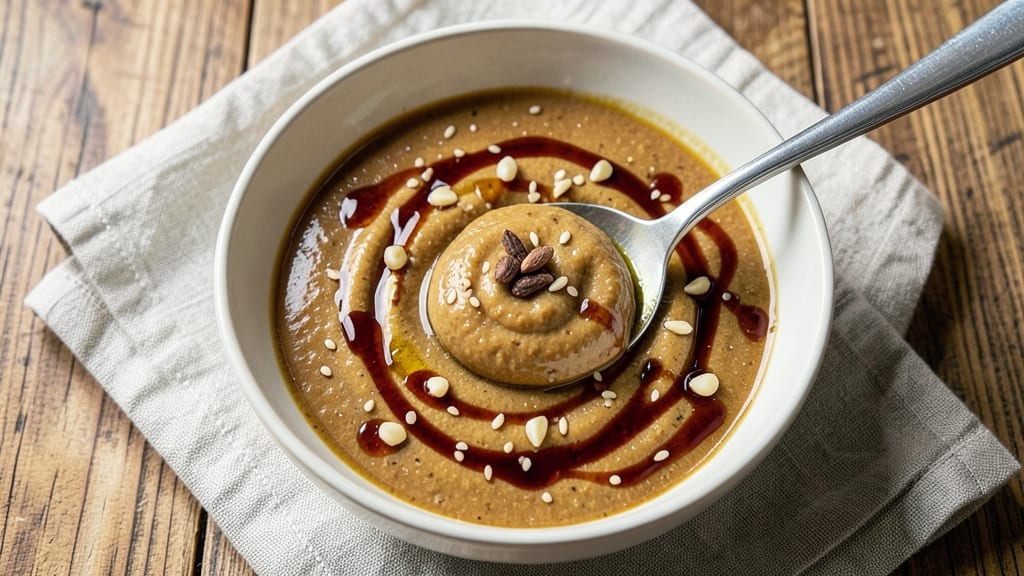
This Asian mustard dipping sauce recipe transforms simple ingredients into a bold, umami-rich condiment that elevates everything from spring rolls to grilled meats.
The secret lies in balancing tangy mustard with sweet and savory elements—garlic, soy sauce, and a touch of honey—to create a sauce that's both complex and effortlessly versatile. Unlike store-bought versions, this recipe delivers a fresh, vibrant flavor that stays bright in the fridge for up to two weeks.
The foundation of this sauce is a smooth blend of Dijon mustard and rice vinegar, which provides the signature tang. Adding minced garlic and a splash of soy sauce deepens the umami, while a hint of honey or sugar balances the sharpness.
What makes this recipe stand out is its adaptability—adjust the sweetness to your taste or add a dash of sesame oil for extra depth. The texture is silky and clingy, perfect for dipping, drizzling, or even as a marinade.
What you'll end up with is a sauce that's restaurant-quality but takes just 10 minutes to prepare. The garlic infuses the mustard with aromatic warmth, while the vinegar keeps the flavor bright and cutting.
This isn't just a dipping sauce—it's a flavor booster that turns simple meals into something extraordinary. Whether you're serving up dumplings, stir-fry, or fresh veggies, this sauce will be the star of the show.
Best of all, this recipe scales effortlessly. Double the batch for entertaining or store leftovers in an airtight container. The flavors only improve with time, making it a pantry staple worth keeping on hand. Let's get started on this game-changing condiment that will transform your table.
Ingredients for asian mustard dipping sauce
Nine simple ingredients blend into a vibrant sauce that transforms ordinary meals into extraordinary dishes.
| Ingredient | Amount | Notes |
|---|---|---|
| Dijon Mustard 🌶️ | ½ cup | High-quality for best flavor |
| Rice Vinegar 💧 | ⅓ cup | Seasoned preferred for depth |
| Garlic Cloves 🧄 | 4 cloves | Minced finely for smooth texture |
| Light Soy Sauce 🍶 | ¼ cup | Kikkoman or similar brand |
| Honey 🍯 | 2 tbsp | Or agave nectar for vegan option |
| Sesame Oil 🫒 | 1 tbsp | Toasted for nutty aroma |
| Toasted Sesame Seeds 🌾 | 1 tbsp | For garnish and crunch |
| Water 💧 | ¼ cup | For thinning if needed |
| Salt 🧂 | ½ tsp | Adjust to taste |
| Black Pepper 🌶️ | ¼ tsp | Freshly ground preferred |
The Dijon mustard is the heart of this sauce—Maille or Whole Foods brand delivers the smoothest texture. Rice vinegar should be seasoned for that authentic umami kick; skip the plain kind. Garlic is non-negotiable here—freshly minced makes all the difference. For soy sauce, Kikkoman or La Choy are reliable choices, but any light soy will work. The honey balances the tang, but agave or maple syrup work beautifully if you're avoiding refined sugar. Sesame oil adds depth, so use toasted, not flavored—the nutty aroma is essential.
No Dijon? Whole-grain mustard thinned with a splash of water works in a pinch. Running out of rice vinegar? Apple cider vinegar adds a fruity twist. The sesame seeds can be omitted if you're sensitive to nuts, but toasted white sesame seeds add that perfect crunch. For extra richness, stir in 1 tsp of miso paste or a dash of fish sauce if you're not vegetarian. The sauce should be silky—if it's too thick, add water 1 tbsp at a time until it reaches a dipping consistency. For heat, add a pinch of red pepper flakes or a dash of sriracha.
This sauce keeps beautifully in an airtight container in the fridge for up to 2 weeks. The flavors actually improve with time, so it's perfect for meal prep. For a quick fix, whisk together 2 tbsp of the sauce plus 1 tbsp water—it's great for last-minute dipping. If you make a big batch, freeze half in ice cube trays for easy single-serving portions. Always taste before serving—adjust the honey or salt to your preference, as everyone's sweet and tangy thresholds differ.
Why You'll Love This Recipe
- Five-Ingredient Magic: I swear by this combo—Dijon mustard and honey cut through the sharpness of garlic and soy like a dream. No fancy techniques, just stir and taste.
- Garlic Kiss: That minced garlic sizzle? It transforms the whole sauce—bright, punchy, and just sweet enough to make you want to dunk everything in it.
- Party in a Jar: Slather it on spring rolls, drizzle over grilled meats, or toss with noodles—it’s my go-to for any gathering, no matter the occasion.
- No-Waste Winner: A little goes a long way, so I make a big batch and keep it in the fridge. Cheaper than store-bought, and it lasts for weeks without losing its zing.
Step-by-step instructions for Asian mustard dipping sauce
This sauce delivers bold umami and tangy brightness in minutes—perfect for enhancing stir-fries, dumplings, or spring rolls.
Mince the Garlic and Whisk the Base Ingredients
Start by mincing the 4 cloves garlic cloves finely—you want a smooth paste, not visible pieces. In a medium bowl, whisk together the 0.5 cup Dijon Mustard, 0.33 cup Rice Vinegar, and 0.25 cup Light Soy Sauce until fully combined. This base creates the sauce's signature tang and depth. I like to use a fork for this step to ensure everything blends evenly without creating lumps.
The Dijon Mustard provides that signature sharpness, while the rice vinegar adds brightness. If you're using seasoned rice vinegar, you'll notice an extra layer of complexity right away. Let the mixture sit for 2 minutes while you prepare the remaining ingredients—this gives the flavors a chance to meld slightly before adding the rest.
Sweeten and Season the Mixture
Add the 2 tbsp Honey and 0.5 tsp Salt to the bowl, whisking vigorously until the honey dissolves completely. The honey balances the acidity from the vinegar and mustard, creating a smoother, more approachable flavor profile. Next, stir in the 0.25 tsp Black Pepper—this adds a subtle heat that complements the umami notes perfectly.
Taste the mixture now. It should be tangy, slightly sweet, and sharp, but not overly bitter. If it's too strong, add 1 tsp of water at a time until the flavor mellows to your preference. The goal is a sauce that's complex but harmonious, with each component working together rather than competing.
Incorporate the Sesame Oil and Thin as Needed
Drizzle in the 1 tbsp Sesame Oil while whisking continuously. The sesame oil adds a nutty aroma and richness that ties everything together. You'll notice the mixture immediately take on a deeper, more rounded flavor. If the sauce is too thick at this point, gradually add the 0.25 cup Water, 1 tablespoon at a time, until it reaches a smooth, pourable consistency.
This sauce should coat the back of a spoon but still flow easily. If you're using it for dipping, it should cling lightly to foods without being too runny. For a smoother texture, you can strain the mixture through a fine-mesh sieve to remove any garlic bits, though I prefer leaving them in for added texture and flavor.
Garnish and Adjust for Perfection
Transfer the sauce to a serving bowl or small pitcher. Sprinkle the 1 tbsp Toasted Sesame Seeds on top for a final touch of crunch and visual appeal. The toasted sesame seeds not only add texture but also enhance the nutty aroma when the sauce is served. Give it one final taste and adjust the seasoning if needed—perhaps a pinch more salt or a drizzle of honey to balance the flavors.
This sauce keeps well in the refrigerator for up to 1 week, though it's best enjoyed fresh. If it thickens over time, simply stir in a splash of water or rice vinegar to restore its ideal consistency. Serve it alongside your favorite Asian dishes, and you'll have a dipping sauce that elevates every bite with its perfect blend of tang, sweetness, and umami.
Pro Tips For Making Asian Mustard Dipping Sauce
- Mince Garlic Like You Mean It: Skip the lazy chop—smash those cloves with the flat side of your knife first, then mince finely. I used to rush this and end up with chunks that fight for space in every bite. A good rule: if you can see the pieces, you’ve gone too easy.
- Whisk the Mustard First: Mix the Dijon with a splash of rice vinegar before adding anything else. This thins it out and prevents clumps when you stir in the honey later. I learned this the hard way—my first batch had a weird, grainy texture that ruined the whole sauce.
- Balance the Honey Gradually: Add the honey one teaspoon at a time while tasting. Too much? The sauce turns cloying. Too little? It’s sharp and unbalanced. Start with 1 tablespoon, then adjust—your taste buds will thank you later.
- Use Cold Soy Sauce: Chill the light soy sauce in the fridge for 10 minutes before mixing. Cold soy adds depth without overpowering the garlic or vinegar. I skipped this once and ended up with a muddy, warm flavor that lacked brightness. Trust me, it’s worth the wait.
Essential equipment for this dish
Whisk Essentials
For this sauce, a balloon whisk or fork works perfectly to blend ingredients smoothly without creating lumps. I prefer a stainless steel whisk—like the OXO Good Grips—because it’s durable and cleans easily.
If you’re making a large batch, a hand mixer on low speed saves time and effort, especially when incorporating the sesame oil. Avoid wooden spoons, as they can absorb flavors over time and leave residue in the sauce. 🔥
Measuring Tools
Precision matters here, especially with the Dijon mustard and rice vinegar. Use a liquid measuring cup with clear markings for the vinegar and soy sauce to ensure accurate ratios. For the honey and sesame oil, a small measuring spoon set (like KitchenAid’s 12-piece set) keeps things tidy.
A garlic press or microplane speeds up mincing, but a sharp knife works too—just aim for a fine, even texture. Never eyeball measurements; this sauce’s balance depends on them. ✨
Storage Containers
Store leftovers in an airtight glass container—I love Le Parfait jars for their snug lids—to preserve freshness for up to 2 weeks. For freezing, use silicone ice cube trays to portion out single servings. Avoid plastic containers, as they can absorb odors and flavors over time.
Label your container with the date to track freshness, especially if you’re prepping for meal prep. A splash of water or vinegar revives thickened sauce later. 💫
Optional Extras
For garnishing, keep toasted sesame seeds in a small spice jar with a tight lid to prevent clumping. A fine-mesh sieve comes in handy if you prefer a smoother sauce—strain out any garlic bits before serving.
If you’re experimenting with variations, a small saucepan lets you gently warm the sauce for dipping without cooking it. For heat lovers, a red pepper flakes container keeps chili powder on hand for quick adjustments. 🌶️
Nutrition facts
Frequently asked questions
Can I make this sauce without Dijon mustard?
Yes! Use whole-grain mustard thinned with 1 tablespoon water to mimic Dijon's smooth texture. For extra tang, add 1 extra teaspoon of rice vinegar. The flavor will be slightly grainier but still delicious—perfect for quick prep when Dijon isn't available.
How spicy should this sauce be?
The recipe includes just ¼ teaspoon black pepper for subtle warmth. For heat lovers, add ½ teaspoon red pepper flakes or 1 teaspoon sriracha after mixing. Start with less—you can always add more, but you can't remove the heat! Adjust to taste before garnishing.
What's the best way to use this sauce beyond dipping?
This sauce doubles as a marinade for grilled meats (like chicken or shrimp) or a glaze for stir-fried vegetables. Thin with 1 tablespoon water and brush onto foods before cooking. It also works as a dip for spring rolls, egg rolls, or even fresh mozzarella for an Asian-inspired twist.
Can I make this sauce ahead of time?
This sauce tastes even better after 24 hours as flavors meld. Store in an airtight container in the fridge for up to 2 weeks. If it thickens, stir in 1 teaspoon water or rice vinegar to restore consistency. Freeze in ice cube trays for single-serving portions.
Why does my sauce look grainy?
Graininess usually means the mustard or garlic wasn't blended thoroughly. For a smoother texture, whisk vigorously or use a hand mixer on low speed for 30 seconds. If using whole-grain mustard, strain through a fine-mesh sieve to remove any visible bits. The sauce should be silky, not chunky.