
Sauces & Condiments
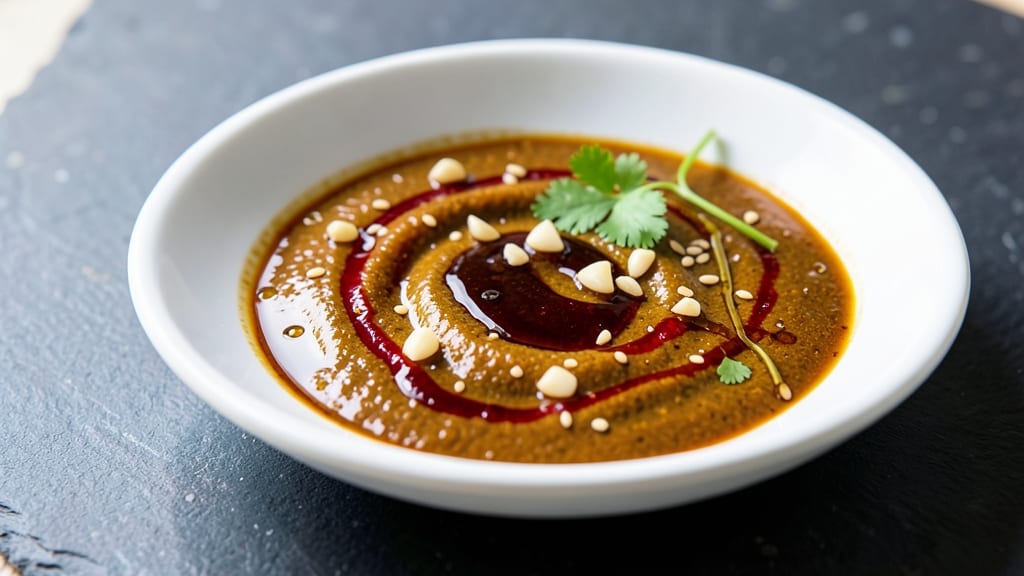
This Asian mustard sauce recipe transforms simple pantry staples into a bold, versatile condiment that elevates stir-fries, glazes, and dipping sauces with its perfect balance of tangy, sweet, and umami flavors.
The secret lies in combining Dijon mustard with rice vinegar and soy sauce, creating a sauce that's both complex and effortless to make. What sets this apart is the optional touch of honey or brown sugar, which adds depth without overpowering the mustard's sharp kick.
What makes this sauce truly special is its adaptability—use it as a dipping sauce for spring rolls or dumplings, a glaze for grilled meats, or a marinade for tofu or chicken.
The sauce thickens slightly as it sits, making it ideal for meal prep, and it keeps well in the refrigerator for up to two weeks, so you can always have a flavor-packed condiment on hand.
The process is straightforward, requiring just a few minutes of whisking and resting, but the results are restaurant-quality.
Once you taste this sauce, you'll never reach for store-bought again. The tangy mustard cuts through rich dishes, while the sweet and savory notes from the soy and vinegar create a harmonious balance.
It's the kind of sauce that turns a simple meal into something extraordinary, with just a few spoonfuls adding layers of flavor. Whether you're cooking for a crowd or meal prepping for the week, this sauce is a game-changer.
Ready to make it? The ingredients are minimal, and the method is foolproof—just whisk everything together, let it sit for a few minutes, and adjust the sweetness or tang to your taste.
Store it in an airtight container, and you'll have a versatile, flavor-packed sauce ready to enhance any dish. Let's get started!
Ingredients for asian mustard sauce
Pantry staples meet Asian flavors—this sauce brings bold umami to every dish.
| Ingredient | Amount | Notes |
|---|---|---|
| Dijon Mustard 🌶️ | ½ cup | High-quality, smooth variety |
| Rice Vinegar 🍶 | ½ cup | Seasoned preferred for depth |
| Light Soy Sauce 🥢 | ⅓ cup | Kikkoman or similar brand |
| Honey 🍯 | ¼ cup | Or brown sugar for depth |
| Sesame Oil 🌿 | 1 tbsp | Toasted for nutty aroma |
| Fresh Garlic 🧄 | 3 cloves | Minced for potent flavor |
| Fresh Ginger 🌿 | 1 tbsp | Finely grated, fresh preferred |
| Water 💧 | ¼ cup | For thinning consistency |
| Sesame Seeds 🥜 | 1 tbsp | Toasted for garnish |
| Salt 🧂 | ½ tsp | Diamond Crystal kosher |
The Dijon mustard is non-negotiable—Maille or Amoy brands deliver that signature tang. Rice vinegar should be seasoned for that subtle sweetness, and if you can't find it, swap in white vinegar plus 1 tsp sugar. For the soy sauce, Kikkoman is reliable, but any light soy will work. Honey or brown sugar adds depth; if you prefer brown sugar, dissolve it in the water first. The sesame oil? Toast it first—heat 1 tbsp in a dry pan for 30 seconds, then cool before adding. Fresh ginger and garlic are worth the effort, but if you're in a pinch, use 1 tsp each of powdered ginger and garlic.
No Dijon mustard? Whole-grain mustard thinned with 1 tbsp water works in a pinch. Skip the honey? Maple syrup or agave keeps it vegan. Sesame oil too strong? Avocado oil at half the amount mellows it out. The sauce thickens as it sits—add more water if needed. For extra umami, stir in 1 tsp fish sauce (omit for vegetarian) or 1/2 tsp msg powder. Garnish with toasted sesame seeds right before serving—they add crunch and visual appeal.
This sauce keeps beautifully in an airtight container for up to 2 weeks in the fridge. For longer storage, freeze in ice cube trays—thaw and whisk before use. The flavor actually improves after 24 hours as the ingredients meld. Double the batch—it disappears fast! Store any leftovers in the freezer for up to 3 months in a sealed container. If it thickens too much, whisk in a splash of water or rice vinegar to loosen.
Why You'll Love This Recipe
- Five-Ingredient Magic: I swear by this combo—just stir, taste, adjust. No fancy techniques, no waiting for anything to bloom. Honestly, I’ve made it while microwaving leftovers because it’s that unfussy.
- Umami Bomb: That first tangy hit of Dijon meets the deep savory punch of soy sauce—it’s like a flavor explosion in your mouth. The honey cuts through the sharpness just enough to make it dangerously addictive.
- Dresses Everything: Slather it on grilled chicken, drizzle over noodles, or toss with cold sesame greens. I keep a jar in my fridge for when I need to jazz up takeout or turn a simple salad into something special.
- No-Waste Winner: A little goes a long way, so I make big batches and save it for weeks. The sesame oil keeps it rich, but the vinegar means it won’t curdle—perfect for when I’m too tired to cook but still want flavor.
Step-by-step instructions for Asian mustard sauce
Here's how to craft a vibrant, balanced sauce with layers of sweet, tangy, and umami flavors.
Bloom the Mustard and Aromatics
In a medium saucepan, whisk together the 0.5 cup Dijon Mustard, 0.5 cup Rice Vinegar, and 0.33 cup Light Soy Sauce over low heat. The goal here is to gently warm the mixture—just until it begins to simmer lightly, about 3-4 minutes. This step activates the mustard's flavor and helps the aromatics meld together.
While the mixture warms, add the 3 cloves Fresh Garlic (minced) and 1 tbsp Fresh Ginger (finely grated). Stir constantly to prevent the garlic from burning—it should smell fragrant but not bitter. The heat will draw out their essential oils, infusing the sauce with depth. Keep the heat at low to avoid cooking the garlic to a crisp.
Sweeten and Simmer
Reduce the heat to lowest setting and carefully stir in the 0.25 cup Honey and 0.25 cup Water. The honey will begin to dissolve almost immediately, creating a glossy sheen. Let the sauce simmer gently for 5-6 minutes, stirring occasionally, until it thickens slightly but remains pourable. You're aiming for a consistency that coats the back of a spoon—think of it like a thin glaze rather than a thick paste.
This is where the sauce comes together. Taste as you go—if it needs more tang, add a splash of rice vinegar; if it needs more saltiness, a pinch of 0.5 tsp Salt will balance it. The sauce should have a bright, tangy edge with a touch of sweetness, but not cloying. Simmering too long will turn the honey bitter, so watch closely.
Finish with Oil and Seeds
Remove the saucepan from heat and let it cool slightly for 2-3 minutes. This cooling step is crucial—it prevents the sesame oil from turning rancid on contact with the hot sauce. Once cooled, drizzle in the 1 tbsp Sesame Oil while whisking continuously. The oil will emulsify into the sauce, adding a nutty richness and a silky texture.
Finally, sprinkle in the 1 tbsp Sesame Seeds and give it one last stir. The seeds add a subtle crunch and visual appeal, but they don’t need to be fully incorporated—just scattered throughout. If the sauce is too thick after cooling, thin it with an additional 1-2 tablespoons Water until it reaches your desired consistency for dipping or drizzling.
Rest and Adjust
Transfer the sauce to a clean jar or bowl and let it rest at room temperature for 10-15 minutes. This resting period allows the flavors to fully meld and the sauce to reach its ideal balance. Taste again after resting—flavors often deepen and mellow during this time.
If the sauce needs more umami, add a splash of soy sauce; if it needs brightness, a touch of rice vinegar. For extra depth, a pinch of salt can enhance the overall flavor. Once perfected, the sauce will have a vibrant golden color, a glossy sheen, and a harmonious blend of sweet, tangy, and savory notes—ready to elevate stir-fries, marinades, or dipping sauces.
Pro Tips For Making Asian Mustard Sauce
- WHISK IN STAGES: Start with the mustard and honey first—whisking them together until smooth prevents clumps when you add the vinegar later. I learned this the hard way after scraping mustard globs off my whisk for the third time.
- USE COLD SESAME OIL: Add sesame oil last and stir it in gently—heat destroys its nutty aroma, so skip the warmth. A few drops at the end (about ½ teaspoon) makes all the difference, even if it sounds counterintuitive.
- BALANCE THE VINEGAR: Taste after adding rice vinegar, then adjust the soy sauce gradually. Too much vinegar makes the sauce sharp; too little soy leaves it flat. I now keep a small bowl of plain water nearby to dilute if needed—better than starting over.
- SWEETEN WITH MODERATION: Honey’s job isn’t to overpower—start with 1 tablespoon and adjust to taste. Too much turns the sauce cloying; too little makes it taste unfinished. A quick check: if the sauce tastes like dessert first, dial it back.
Regional styles of these flavors
Japanese Shichimi Sauce
In Japan, this sauce transforms into shichimi togarashi-inspired mustard glaze by swapping honey for mirin and adding 1 tsp chili flakes and 1 tsp toasted nori flakes.
The tangy mustard pairs beautifully with the umami of mirin and the heat of chili, making it perfect for ramen or yakitori. Use Kikkoman mirin for authentic sweetness and balance the heat with a touch more honey if needed. 🌶️
Korean Gochujang Fusion
For a Korean twist, blend 2 tbsp gochujang into the base sauce and replace honey with 1 tbsp brown sugar. The gochujang adds a deep, spicy-sweet profile that works wonderfully as a dipping sauce for Korean fried chicken (kkotgi) or a marinade for bulgogi beef.
Garnish with toasted sesame seeds and thinly sliced green onions for extra texture. 🔥
Thai Sweet Chili Glaze
Transform this sauce into a Thai-style glaze by adding 2 tbsp sweet chili sauce (like Maesri) and 1 tsp lime juice. The result is a perfect stir-fry sauce for pad thai noodles or a glaze for grilled shrimp skewers.
For extra brightness, stir in 1 tsp fish sauce (or soy sauce for vegetarian) and finish with cilantro leaves. The sweetness of the chili sauce balances the mustard’s tang beautifully. 🍤
Chinese Hoisin Mustard
Give it a Chinese flair by replacing honey with 1 tbsp hoisin sauce and adding 1 tsp grated ginger and 1 tsp five-spice powder. This richer, spicier version is ideal for dipping spring rolls or glazing char siu (Chinese BBQ pork).
The hoisin adds depth while the mustard keeps it bright and tangy. For extra richness, finish with a drizzle of light soy sauce. ✨
Vietnamese Nuoc Cham Twist
For a Vietnamese-inspired take, replace rice vinegar with 2 tbsp lime juice and add 1 tbsp fish sauce (or soy sauce). The mustard’s tang complements the citrusy, salty notes perfectly, making it a fantastic dipping sauce for summer rolls or a marinade for grilled lemongrass chicken.
Garnish with mint leaves and crushed peanuts for authenticity. 🍋
Filipino Bagoong Sauce
In the Philippines, this sauce becomes a bagoong-inspired dip by blending in 1 tbsp fermented shrimp paste (bagoong) and 1 tsp calamansi juice. The umami-rich bagoong pairs surprisingly well with the mustard’s sharpness, creating a bold sauce for seafood dishes or grilled pork skewers.
For extra heat, add 1 tsp sili (Filipino chili flakes). 🦐
Nutrition facts
Frequently asked questions about Asian mustard sauce
Can I make this sauce without honey?
Replace the honey with 1/4 cup maple syrup or 2 tablespoons brown sugar for a similar depth of flavor. If you prefer a lower-sugar option, try 1 tablespoon agave nectar—it adds sweetness without overpowering the tangy mustard. The key is balancing the sweetness with the vinegar and soy sauce for harmony.
How spicy is this sauce, and can I adjust the heat?
The base recipe is mild, with the mustard providing a sharp tang rather than heat. For extra spice, add 1/2 teaspoon red pepper flakes or 1 teaspoon gochujang (Korean chili paste). If you love heat, start with 1/4 teaspoon and taste as you go—you can always add more. For a smoky kick, stir in 1/2 teaspoon smoked paprika instead.
What’s the best way to store leftover sauce?
Transfer the sauce to an airtight container and refrigerate for up to 2 weeks. The flavors actually improve as it sits! For longer storage, freeze in ice cube trays—thaw and whisk before using. If the sauce thickens in the fridge, thin it with 1-2 tablespoons water or rice vinegar before reheating. Always let it cool completely before storing to prevent condensation.
Can I use this sauce as a marinade?
Yes, but thin it first with 1/4 cup water or broth to prevent overpowering your protein. This sauce works beautifully for chicken, tofu, or shrimp—marinate for 30-60 minutes for maximum flavor. For extra tenderness, add 1 teaspoon cornstarch to the marinade to help seal the meat. Always reserve some marinade to use as a glaze after cooking.
Why did my sauce separate?
Separation usually happens if the sauce cools too quickly or if the sesame oil wasn’t whisked in properly. To fix it, gently reheat the sauce over low heat while whisking constantly until smooth. For prevention, always let the sauce cool slightly before adding the oil, and whisk vigorously for 30 seconds afterward. If it’s still grainy, strain it through a fine-mesh sieve before serving.