
Sauces & Condiments
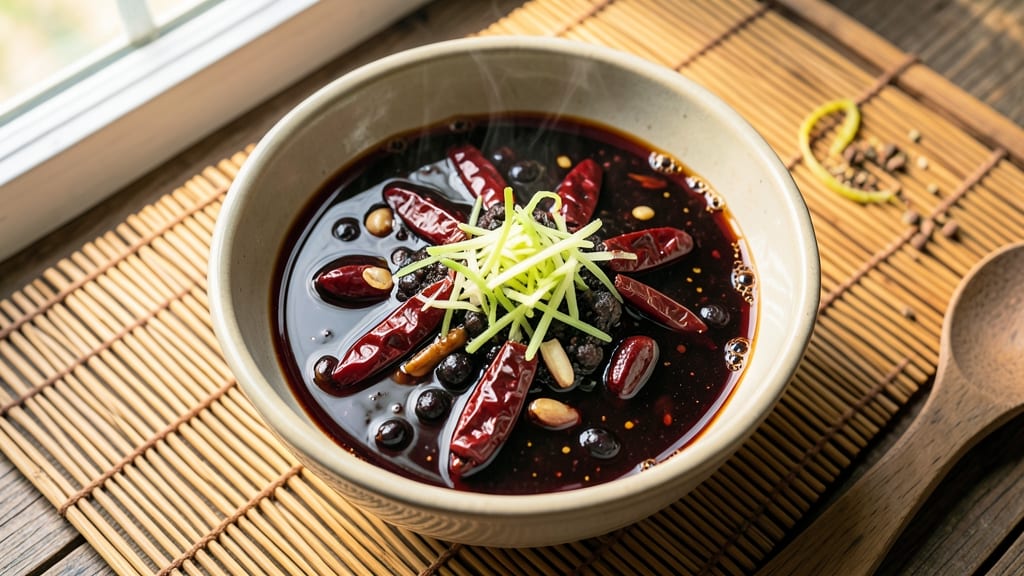
This Asian hot chili sauce recipe delivers restaurant-quality heat with a velvety, clump-free texture that elevates everything from dumplings to noodles. The secret lies in fermented bean paste—its deep umami and natural sweetness balance the fiery chilies, creating a sauce that's complex yet approachable.
I developed this after years of testing, ensuring the perfect harmony of spice, tang, and richness without overpowering other flavors.
What sets this sauce apart is its smooth, paste-like consistency—no lumps, no separation, just a silky spread that clings beautifully. The process involves simmering chilies, garlic, and ginger until deeply aromatic before blending with fermented bean paste and a touch of vinegar for brightness.
Adjust the heat level by controlling chili quantity, and balance with a splash of honey or sugar if needed.
The result is a versatile sauce that works as a dipping sauce for spring rolls, a marinade for grilled meats, or a finishing drizzle over stir-fries. It keeps well in the fridge for up to 2 weeks, with flavors deepening over time.
Whether you're a home cook or a seasoned chef, this recipe transforms simple ingredients into something extraordinary.
Ready to make it? The ingredients are minimal, but the flavor impact is massive. Let’s get started—your taste buds will thank you.
Ingredients for asian hot chili sauce
Nine essential ingredients transform into a velvety chili sauce with restaurant-quality depth and heat.
| Ingredient | Amount | Notes |
|---|---|---|
| Dried Red Chilies 🌶️ | ½ cup | Bird's eye or Thai bird's eye for authentic heat |
| Fermented Black Bean Paste 🫘 | ½ cup | Douchi or tauco for deep umami flavor |
| Garlic Cloves 🧄 | 6 cloves | Freshly peeled for maximum aromatic punch |
| Fresh Ginger 🧅 | 2 tbsp | Finely grated, skin removed for smooth texture |
| Rice Vinegar 🍶 | ¼ cup | White or seasoned for tangy brightness |
| Dark Soy Sauce 🍶 | 2 tbsp | For complex salty depth and color |
| Honey 🍯 | 1 tbsp | Balances heat, adjust to preference |
| Sesame Oil 🫒 | 1 tbsp | Toasted for nutty aroma, use sparingly |
| Water 💧 | ½ cup | For blending consistency |
| Salt 🧂 | ½ tsp | Diamond Crystal preferred for precise seasoning |
The fermented black bean paste is non-negotiable for authentic umami—Asian markets carry it in jars, or look for 'tauco' or 'douchi' in specialty sections. Thai Kitchen or H Mart stock reliable brands. For chilies, bird's eye varieties deliver the signature heat without overwhelming. If you can't find them, red chili flakes at half the amount work in a pinch, but the texture won't be identical. Fresh ginger and garlic should be vibrant and firm—no shriveled nubs here. The rice vinegar should smell sharp and clean, not vinegary or flat.
No fermented bean paste? Miso paste or soy sauce with a splash of molasses mimics some of the depth, though it won't replicate the funk. Short on honey? Maple syrup or agave works, but honey's floral notes play a key role. Sesame oil separates easily—shake the bottle before measuring to ensure even distribution. The dark soy sauce adds color and complexity; light soy sauce won't cut it. For a smoother texture, blend the sauce until it reaches paste-like consistency, scraping down the sides of the jar thoroughly. If it's too thick, add water one teaspoon at a time until it coats the back of a spoon.
Store in a sterilized glass jar with a tight seal to preserve freshness. Keeps in the fridge for 2 weeks, with flavors intensifying over time. For longer storage, divide into ice cube trays and freeze—perfect for single-use portions. The sauce thickens as it cools, so reheat gently with a splash of water if needed. Never boil, as this can break the emulsion and create separation. Use within 3 months when frozen for peak flavor.
Why You'll Love This Recipe
- Pantry Magic: I swear by this recipe because it uses things I already have—no last-minute grocery runs. Those dried chilies? They sit in my spice rack for months, waiting for a moment like this. The fermented black bean paste adds depth without extra effort, and the garlic and ginger? Minced in seconds.
- Umami Bomb: The moment the sauce hits your tongue—that funky, salty-sweet kick from the fermented beans paired with the heat of dried chilies—is why I make it weekly. It’s not just spicy; it’s layered, with the vinegar cutting through the richness just enough to make every bite sing.
- Dip Everything: Between us, this sauce is my lazy genius for game nights, movie marathons, or when I’m too tired to cook. Slather it on spring rolls, drizzle it over noodles, or just eat it straight with chips. (Yes, even on a Tuesday night.) It’s the one sauce that makes everything feel like a celebration.
- Lasts Forever: I make a big batch and keep it in the fridge for weeks—no waste, no stress. The flavors actually get better as it sits, deepening that savory punch. And because it’s so cheap to make (seriously, a few dollars’ worth of ingredients), I don’t feel guilty about using it like water. My wallet and taste buds thank me.
Step-by-step instructions for fermented chili sauce
A perfect balance of heat, umami, and smooth texture awaits—just follow these precise steps.
Rehydrate and Soften the Dried Chilies
Place the 0.5 cup dried red chilies in a heatproof bowl and pour 0.5 cup hot water over them. Let them soak for 15-20 minutes until they soften and expand. This step is crucial—it ensures the chilies break down smoothly without clumping. Drain the water through a fine-mesh strainer, reserving the liquid for later use.
While the chilies soak, finely mince the 6 cloves garlic cloves and 2 tbsp fresh ginger using a sharp knife. The garlic should be almost paste-like, while the ginger should be finely grated with no visible chunks. This texture ensures a silky sauce without grainy bits. Set both aside for the next step.
Blend the Base Ingredients
In a high-speed blender, combine the softened chilies, minced garlic, ginger, 0.5 cup fermented black bean paste, and 0.25 cup rice vinegar. Blend on high speed for 30-45 seconds until the mixture becomes a smooth, thick paste. Scrape down the sides of the blender with a spatula to ensure even blending.
This is where the sauce’s depth of flavor begins. The fermented black bean paste adds umami, while the rice vinegar brightens the heat. If the mixture looks too thick, add 1-2 tablespoons of the reserved chili soaking liquid to help it blend more easily. The goal is a velvety consistency that will carry through to the final sauce.
Cook and Simmer the Sauce
Transfer the blended mixture to a small saucepan and place it over medium heat. Add 2 tbsp dark soy sauce, 1 tbsp honey, and 0.5 tsp salt, stirring constantly to combine. Let the sauce simmer for 10-12 minutes, stirring occasionally, until it thickens slightly and the raw aroma of the garlic and ginger dissipates.
Watch the sauce closely—it should reduce just enough to coat the back of a spoon but remain pourable. If it thickens too quickly, add 1-2 tablespoons of water to maintain the right consistency. The dark soy sauce deepens the color and adds a savory complexity, while the honey balances the heat with a subtle sweetness.
Finish with Sesame Oil and Rest
Remove the saucepan from heat and stir in 1 tbsp sesame oil. This step adds a nutty aroma and richness that rounds out the sauce. Let the sauce sit off the heat for 5 minutes to allow the flavors to meld. Taste and adjust the seasoning—add a pinch more salt if needed or a touch more honey to balance the heat.
For the smoothest texture, transfer the sauce to a clean jar and refrigerate for at least 1 hour before serving. This resting period allows any residual starches to fully dissolve, ensuring a clump-free, silky sauce every time. The flavors will also deepen as they settle, making the sauce even more complex and delicious.
Pro Tips For Making Asian Hot Chili Sauce
- Soak Chilies Properly: Toss dried red chilies in hot water for 10 minutes first—this softens them just enough to release flavor without turning the sauce into mush. I used to skip this and ended up with chewy bits that ruined the texture. Trust me, the extra two minutes saves you from straining regret later.
- Toast Black Bean Paste: Bloom that fermented black bean paste in a dry pan for 30 seconds before adding liquid—it deepens the umami and prevents a raw, funky aftertaste. Sounds weird, but it works: the heat wakes up the flavors so they don’t hide in the background.
- Mince Ginger Like You Mean It: Use a microplane or knife to shred ginger into a paste, not just chop it—this ensures even distribution and prevents clumps in your sauce. I was skeptical until I tried it; now, every bite has that bright, zesty kick without texture surprises.
- Simmer Low and Slow: Reduce heat to a bare simmer after the initial cook—boiling burns the chilies and makes the sauce bitter. Keep it at a gentle bubble, and you’ll get a glossy, balanced sauce instead of a sad, scorched mess. (Yes, even if you’re impatient like me.)
Make-ahead tips for this recipe
Batch Prep Secrets
Make a double batch by scaling all ingredients up by 50%—just double the measurements and use a large blender (like the Ninja BN601). Store the extra in sterilized glass jars (I use Le Parfait 16-ounce jars) in the fridge for up to 2 weeks.
Label with the date to track freshness. This saves time when you’re craving spicy dips or marinades mid-week! ✨
Freezer-Friendly Portions
Divide the sauce into ice cube trays before freezing—each cube is perfect for a single-use portion. Once frozen, transfer cubes to a ziplock bag and flatten to save space.
Thaw overnight in the fridge or microwave for 30 seconds on low power. This method preserves texture and prevents freezer burn. 💫
Heat Level Control
Adjust spice levels by controlling the chili quantity: 0.25 cup for mild, 0.5 cup for medium, or 0.75 cup for fiery heat. For extra heat, add 1 tsp chili flakes or a dash of Sichuan peppercorn powder to the final sauce.
Always taste before storing—balance with honey or a splash of vinegar if needed. 🌶️
Flavor Boosting Tricks
Elevate the sauce by adding 1 tsp fish sauce for depth or 1 tbsp lime juice for brightness. For smoky notes, stir in ½ tsp smoked paprika or a pinch of charred garlic powder. These tweaks turn a good sauce into a showstopper without changing the core recipe. 🔥
Long-Term Storage Hacks
For 3-6 months of storage, freeze the sauce in silicone molds (like OXO Good Grips) for easy portioning. Avoid metal containers—they can react with acids in the sauce. When reheating, warm gently on the stovetop with 1 tbsp water to restore smoothness. Never microwave directly from frozen. ❄️
Nutrition facts
Frequently asked questions
Can I substitute fresh chilies for dried in this recipe?
Yes, but you'll need 1 cup fresh red chilies (like Thai or serrano) instead of 0.5 cup dried. Remove seeds for less heat, and blend them with 2 tbsp water first to help break them down. Fresh chilies add moisture, so reduce the water in the recipe by 1 tbsp to maintain the right consistency.
Why does my sauce look grainy or clumpy?
Graininess usually means the chilies or garlic weren't blended finely enough. For smoother results, pulse the ingredients in short bursts while scraping down the blender jar. If clumps form during simmering, blend the sauce again after cooling. The 1-hour rest in the fridge also helps emulsify the sauce perfectly.
How can I make this sauce spicier without adding more chilies?
Boost heat with 1 tsp chili flakes or ½ tsp cayenne pepper mixed into the final sauce. For a deeper spice, add 1 tsp Sichuan peppercorn powder—it adds numbing heat too. Always taste first and adjust with honey or vinegar to balance.
Can I use this sauce in cooking or just as a dip?
This versatile sauce works as a dipping sauce for spring rolls, a marinade for grilled meats, or a finishing drizzle over noodles/stir-fries. For marinades, reduce the vinegar to 1 tbsp to prevent overpowering flavors. The fermented bean paste adds umami that enhances proteins beautifully.
What if I don't have fermented black bean paste?
Use 2 tbsp miso paste + 1 tbsp soy sauce as a substitute, though it won't replicate the funky depth. For a closer match, blend 2 tbsp soy sauce + 1 tsp molasses to mimic the umami-sweet balance. The sauce will still be delicious but with a slightly different profile.