
Sauces & Condiments
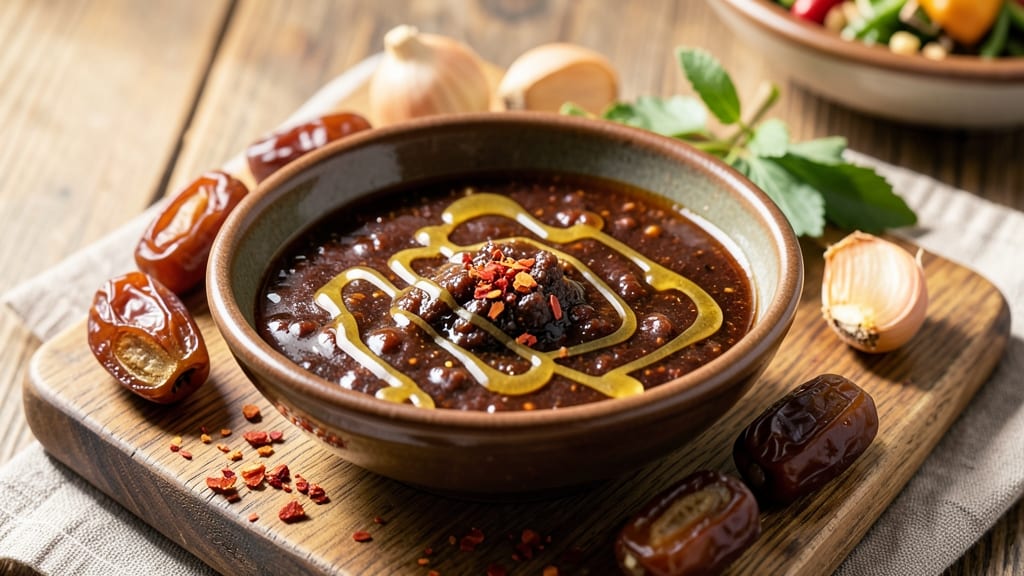
This Asian hoisin sauce recipe transforms simple pantry staples into a rich, fermented condiment that elevates everything from stir-fries to dumplings. The magic lies in fermented soybean paste and dates, creating that signature sweet-savory depth with just a touch of heat.
I developed this version after years of tasting regional variations—it’s the one that finally captures that perfect balance of umami, caramelized sweetness, and subtle spice.
The process is straightforward but requires patience: simmering the sauce until it thickens into a glossy paste that clings beautifully to noodles or meats. Fermented soybean paste provides the authentic umami backbone, while garlic, chili, and vinegar add complexity.
The dates contribute natural sweetness without overpowering the savory notes. What you’ll end up with is a sauce that’s restaurant-quality but made entirely at home.
Once complete, this sauce keeps for months in the fridge, making it perfect for meal prep or gifting. It’s incredibly versatile—drizzle it over rice, use it as a marinade, or stir it into soups.
The fermentation process deepens the flavor over time, so it only gets better with age. For a vegan adaptation, simply replace honey with maple syrup and ensure your fermented paste is plant-based.
Whether you’re serving up Peking duck, spring rolls, or simple egg rolls, this hoisin sauce will take your dishes to the next level. The key is letting the flavors meld during cooking, so don’t rush the simmering step.
Trust the process, and you’ll have a sauce that’s as close to authentic as it gets.
Ingredients for asian hoisin sauce
Fermented soybean paste and dates create this restaurant-quality sauce's signature depth.
| Ingredient | Amount | Notes |
|---|---|---|
| Fermented Soybean Paste (Douchi or Douganjiang) 🥫 | ½ cup | Authentic umami foundation, Asian market preferred |
| Pitted Dates 🍯 | ½ cup | Medjool for extra sweetness, chopped |
| Garlic Cloves 🧄 | 4 cloves | Freshly minced for aromatic depth |
| Red Chili Flakes 🌶️ | 1 tbsp | Adjust for heat preference |
| Rice Vinegar 🍶 | ¼ cup | White vinegar substitute if needed |
| Honey 🍯 | 2 tbsp | Maple syrup for vegan option |
| Sesame Oil 🥜 | 1 tbsp | Toasted for nutty aroma |
| Soy Sauce 🥫 | 2 tbsp | Light soy preferred |
| Ground Black Pepper 🌶️ | ½ tsp | Freshly cracked for brightness |
| Vegetable Oil 🫒 | 1 tbsp | For simmering stability |
The fermented soybean paste is non-negotiable for authentic umami—Asian markets carry the best varieties like douchi or douganjiang. Look for blocks with visible fermentation (slightly moldy spots are normal!). Dates should be plump and moist; Medjool adds natural caramelization. If you can't find fermented paste, miso paste works in a pinch, though it lacks that funky depth. The garlic and chili are where you control the heat—freshly minced garlic makes all the difference, and chili flakes can be adjusted from zero to fiery.
No rice vinegar? Apple cider vinegar works, though it's slightly sweeter. The honey is the natural sweetener, but agave or date syrup keeps it vegan. Sesame oil adds that signature nutty aroma—don't skip it, even if you're not a fan of strong flavors, as it rounds out the sauce beautifully. For a smoother texture, blend the dates with the vinegar before adding to the pot. The soy sauce should be light, not dark—dark soy adds color but overpowers the delicate balance here. If you're making this ahead, reduce the vinegar by 10% since flavors intensify during storage.
This sauce improves with time—3-4 days in the fridge lets the flavors meld perfectly. Store in an airtight jar with a thin layer of oil on top to preserve freshness. It keeps for up to 3 months in the fridge, though the texture may thicken. To use, simply stir and thin with a splash of water if needed. I always make a double batch—one for immediate use and one to gift. The sauce thickens as it sits, so reheat gently with a splash of water if it becomes too stiff.
Why You'll Love This Recipe
- No Blender Needed: I swear by this method—just a knife and a bowl. The fermented soybean paste (that funky, umami bomb) and dates blend into a silky texture with minimal effort, no pulsing or straining required. My lazy Sundays thank me.
- Sweet-Savory Magic: That first bite of garlic and chili flakes hitting your tongue, then the dates softening into caramelized richness? It’s the kind of balance that makes you pause mid-bite. Honestly, I’ve made this sauce three times this month—each time, someone asks for seconds.
- Pantry Staple Power: Douchi, dates, and vinegar? You’re probably already using these. No last-minute grocery runs, no specialty stores—just what you’ve got. Here’s what sold me: this sauce turns a $5 bag of rice into a restaurant-worthy dish in 10 minutes.
- Keeps Like a Champ: Make a double batch and store it in the fridge for weeks. The flavors deepen over time (yes, even the garlic gets better), and it’s my go-to for quick stir-fries or dipping sauces. Between us, I’ve had this sauce rescue takeout nights when I forgot to meal prep.
Step-by-step instructions for fermented soy and date hoisin sauce
Here's how to transform simple pantry staples into rich, complex hoisin sauce with deep umami and perfect balance.
Toast the Fermented Soybean Paste for Maximum Depth
Heat the 1 tablespoon vegetable oil in a small saucepan over medium heat until shimmering. Add the 0.5 cup fermented soybean paste and stir constantly for 3-4 minutes until it darkens slightly and releases its nutty aroma. This step develops the paste's complex flavors—don't rush it, or you'll miss the toasted depth that defines authentic hoisin.
Watch for the paste to bubble gently and take on a glossy sheen. When it smells intensely fermented (like a cross between soy sauce and aged cheese), remove from heat. This aromatic foundation will carry your entire sauce, so take your time here. If you're using store-bought douganjiang, you might see some oil separate—that's normal and adds texture to the final sauce.
Build the Sweet-Savory Base with Dates and Vinegar
Return the pan to medium-low heat and add the 0.5 cup chopped pitted dates, 0.25 cup rice vinegar, and 2 tablespoons honey. Stir vigorously for 4-5 minutes until the dates soften and the mixture begins to thicken slightly. You should see the dates break down into a jam-like consistency with the vinegar and honey.
Here's where the magic happens: the dates dissolve into the liquid, creating natural sweetness while the vinegar brightens the fermented flavors. Taste occasionally—you want a balance where the sweetness isn't cloying but enhances rather than overpowers. If the mixture looks too thick, add 1-2 tablespoons water to help it blend smoothly. The goal is a syrupy consistency that will thicken further as it cools.
Infuse with Aromatics and Heat
Add the 4 minced garlic cloves and 1 tablespoon red chili flakes to the pan, stirring for 1-2 minutes until the garlic turns pale golden and the chili flakes bloom with their heat. The garlic should be fragrant but not browned—just aromatic enough to wake up the entire sauce. This is where the sauce gets its characteristic warmth and complexity.
I like to press the garlic into the paste with a wooden spoon to release its oils fully. The chili flakes will distribute unevenly at first, so give it a good stir. If you prefer less heat, reduce the chili to ½ teaspoon—this sauce should complement, not dominate, your dishes. Let the mixture simmer gently for another 2 minutes to allow the flavors to meld completely.
Finish with Umami and Balance
Remove the pan from heat and stir in the 2 tablespoons soy sauce, 1 tablespoon sesame oil, and 0.5 teaspoon ground black pepper. The soy sauce will deepen the umami, while the sesame oil adds a nutty aroma that ties everything together. Give it one final taste and adjust: if it needs more sweetness, add ½ teaspoon honey; if it's too sharp, a splash of vinegar helps balance.
Let the sauce cool slightly—it will thicken as it sits. For a smoother texture, press it through a fine-mesh sieve to remove any date fibers. This homemade hoisin keeps well in the refrigerator for up to 2 weeks, and the flavors actually improve with time as the components marry. Use it to glaze meats, stir into noodle dishes, or drizzle over spring rolls for that authentic restaurant-quality taste.
Pro Tips For Making Asian Hoisin Sauce
- Mince That Garlic: I used to smash whole garlic cloves into the pan—big mistake. Chop it finely (almost paste-like) so it dissolves completely into the fermented soybean paste. That way, every spoonful of sauce gets that deep, aromatic punch without bitter chunks. (Yes, even if you’re impatient like me.)
- Toast the Dates: Skip this, and your sauce will taste flat. Lightly fry the pitted dates in the pan for 30 seconds until they soften and release their caramelized sweetness. This step turns them from bland to the thing that balances the funky fermented paste. (Your future self will notice.)
- Low and Slow: After adding the fermented soybean paste, resist the urge to blast the heat. Simmer on medium-low for at least 10 minutes—this lets the douchi’s deep umami develop without burning. I learned this the hard way when my sauce tasted bitter instead of rich.
- Vinegar Last: Add rice vinegar after the sauce has thickened, not at the start. This keeps its bright acidity from cooking off too soon, so every bite gets that tangy lift. (Does it look weird? Yes. Does it work? Every single time.)
Storing and reheating this dish
Fridge Storage Basics
Transfer your freshly made hoisin sauce to a clean, airtight glass jar—I prefer 8-ounce Ball jars with silicone seals. The sauce will thicken naturally as it cools, so leave about ½ inch headspace at the top to prevent spills.
Store it in the fridge at 40°F or below where it’ll keep for 2-3 weeks at peak flavor. The fermentation process continues slowly, so the longer it sits, the deeper the umami develops. 🥫
Freezer Preservation
For longer storage, divide the sauce into ice cube trays or small jars—this makes it easy to thaw just what you need. Freeze for up to 3 months, but expect some texture separation when thawed.
To restore consistency, gently reheat in a saucepan with 1 tablespoon water per ¼ cup sauce over low heat, stirring constantly until smooth. The flavors remain vibrant, though the texture may be slightly grainier than fresh. ❄️
Reheating Perfection
For best results, reheat small batches in a small saucepan over low heat with 1-2 tablespoons water to prevent burning. Stir frequently—homemade hoisin can thicken dramatically when cold. If it becomes too stiff, add ½ teaspoon water at a time until it reaches a spoonable consistency.
Never microwave, as this can create a skin and uneven texture. The sauce should be warm but not boiling before using. 🔥
Thinning for Use
If your hoisin has thickened too much after storage, thin it with water, rice vinegar, or a splash of soy sauce—about 1 teaspoon liquid per tablespoon sauce. For dipping sauces, I often thin it to a light syrup consistency; for glazes, keep it thicker.
The key is balancing texture with flavor—too thin, and it loses its clinging quality; too thick, and it becomes difficult to spread. Taste as you go! ✨
Reviving Old Sauce
If your hoisin has developed a slightly grainy texture or separated after months in the fridge, don’t toss it! Return it to a saucepan with 2 tablespoons water and simmer for 3-5 minutes on low heat, stirring constantly.
The heat will re-emulsify the oils and restore that glossy finish. The flavor may be even more concentrated—this is a sign of well-aged sauce. Just avoid reheating if it shows mold or an off odor. 💡
Nutrition facts
Frequently asked questions
What's the difference between homemade hoisin and store-bought?
Homemade hoisin has a deeper, more complex flavor profile with authentic fermented soybean paste that store-bought versions often lack. The fresh dates and toasted sesame oil create a richer texture and brighter sweetness. Plus, you control the heat level—store-bought sauces can be too sweet or overly spicy. This recipe captures that perfect balance of umami, caramelized sweetness, and subtle chili heat that commercial brands rarely achieve.
Can I make this hoisin sauce without fermented soybean paste?
You can substitute with 2 tablespoons miso paste plus 1 tablespoon soy sauce, though the flavor won't be identical. For best results, try to find douchi or douganjiang at Asian markets—they provide that unmistakable fermented depth. If you're in a pinch, a mix of ½ cup soy sauce + 1 tablespoon molasses can mimic some of the umami, but the texture will be thinner and less complex.
How can I use this hoisin sauce beyond Asian dishes?
This versatile sauce works beautifully in burgers (as a glaze), grilled chicken (marinade), or even as a dipping sauce for fries. Try it in tacos with pulled pork, drizzled over roasted vegetables, or mixed into peanut sauce for extra depth. The fermented notes pair surprisingly well with Mexican flavors, while the sweet-savory balance makes it perfect for Western dishes that need an umami boost.
Why did my hoisin sauce separate after refrigerating?
Natural separation happens when the oils and solids settle—this is normal! Simply stir or gently reheat with 1 tablespoon water per ¼ cup sauce over low heat until smooth. The texture should restore without losing flavor. For future batches, add ½ teaspoon xanthan gum when reheating to prevent separation. Store-bought versions often contain emulsifiers to prevent this, but homemade versions are more delicate.
Is there a quick version of this recipe?
For a 10-minute version, blend 2 tablespoons hoisin paste (found in Asian markets), 1 tablespoon honey, 1 teaspoon soy sauce, ½ teaspoon garlic powder, and ¼ teaspoon chili flakes with 1 tablespoon water. While not as complex, this works in emergencies. For best results, though, the slow-simmered version develops that restaurant-quality depth that quick mixes can't replicate.