
Sauces & Condiments
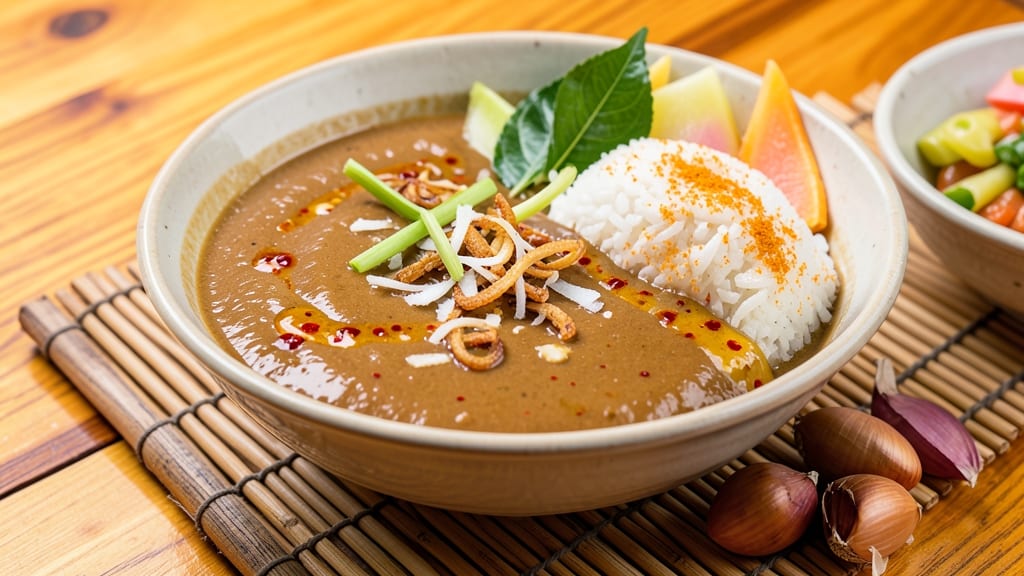
This Bali peanut sauce recipe transforms simple ingredients into a rich, aromatic drizzle that elevates everything from satay to stir-fries. The secret lies in balancing creamy peanut butter with Balinese spices like turmeric and galangal, creating a sauce that's both nutty and complex.
I developed this version after years of perfecting the texture—silky enough to coat but thick enough to cling, with just the right balance of sweetness and heat.
The process is straightforward but requires patience: simmering coconut milk and spices until fragrant, then blending in peanut butter for that signature velvety consistency.
What sets this sauce apart is the layering of flavors—earthy from the galangal, citrusy from the lime, and just a hint of sweetness to round out the richness. The result is a sauce that's versatile enough for dipping, drizzling, or even as a marinade.
By the time you're done, you'll have a restaurant-quality sauce that's far more nuanced than store-bought versions. It pairs perfectly with grilled meats, noodles, or fresh spring rolls, adding depth with every spoonful.
The best part? It keeps well in the fridge for up to a week, so you can make a big batch and enjoy it all week long.
Ready to master this sauce? Let's get started with the ingredients and step-by-step instructions that will give you that authentic Balinese flavor at home.
Ingredients for bali peanut sauce
Simple pantry staples meet exotic spices for a sauce that's restaurant-quality at home.
| Ingredient | Amount | Notes |
|---|---|---|
| Creamy Peanut Butter 🥜 | ½ cup | Natural, unsweetened preferred |
| Full-Fat Coconut Milk 🥥 | 13 ½ oz | Canned, full-fat for richness |
| Fresh Galangal 🌿 | 3 inches | Peeled and sliced thin |
| Fresh Turmeric 🌿 | 1 inch | Peeled and sliced thin |
| Fresh Ginger 🌿 | 1 inch | Peeled and sliced thin |
| Garlic Cloves 🧄 | 4 cloves | Peeled and roughly chopped |
| Lime Juice 🍋 | ¼ cup | Freshly squeezed |
| Brown Sugar 🍚 | ¼ cup | Packed for sweetness |
| Red Chili Flakes 🌶️ | 1 tbsp | Adjust for heat preference |
| Salt 🧂 | ½ tsp | Diamond Crystal preferred |
The galangal and turmeric are the flavor anchors here—look for fresh roots at Asian markets (the frozen kind works too, but fresh has more punch). Trader Joe's carries both, and if you can't find galangal, substitute ginger at double the amount, though it won't be identical. The peanut butter should be natural, no added oils or sugars—Smucker's or Crazy Richard's are reliable choices. For coconut milk, full-fat canned is non-negotiable—light versions won't give you that creamy texture. If you're new to galangal, it's like ginger's more aromatic cousin—peel it first, then slice thinly for maximum flavor.
No galangal? Ginger plus a pinch of cardamom gets you close, though it won't be exact. Out of brown sugar? Maple syrup or coconut sugar works in a pinch. The lime juice is key for brightness—Mexican limes from the grocery store are perfect, but regular limes work too. For heat, adjust the chili flakes to taste—start with half the amount if you're sensitive. The garlic can be roasted for a sweeter note (wrap cloves in foil, bake at 400°F for 10 minutes), but raw works fine too. Pro tip: toast the spices (galangal, turmeric, ginger) in a dry pan for 30 seconds before blending—they'll release their oils and deepen the flavor.
This sauce thickens as it sits, so thin with warm water or coconut milk if needed. Keeps in an airtight jar in the fridge for 7-10 days, or freeze for up to 3 months. I like to make a double batch—one for immediate use, one to freeze for lazy weeknights. The flavor actually improves after a day or two in the fridge as everything melds together. For serving, drizzle over hot satay or noodles, or use as a dip for spring rolls. The sauce reheats beautifully—just warm gently on the stove or microwave until smooth.
Why You'll Love This Recipe
- Five-Ingredient Magic: I swear by this—just blend, simmer, and boom. No fancy techniques, no hidden steps. The creamy peanut butter and coconut milk do most of the work while galangal (that citrusy root) adds depth without extra effort.
- Warm & Earthy: The turmeric gives it that golden glow, but the real star? That slow-simmered ginger and galangal combo—bright, spicy, and just sweet enough. It’s the kind of sauce that makes you close your eyes mid-bite.
- Dip, Drizzle, Repeat: Slather it on grilled chicken, toss it with noodles, or serve it cold with veggies. Honestly, I’ve used it for everything from lazy weeknight dinners to impressing guests. The coconut milk keeps it rich, so it works hot or cold.
- Leftovers That Lie: Make a double batch—it’s cheap to stretch, and the flavor only gets better overnight. I keep jars in the fridge for quick stir-fries or last-minute takeout vibes. No waste, all satisfaction.
Step-by-step instructions for Bali peanut sauce
Here's how to craft this aromatic, nutty-sweet sauce that's perfect for drizzling over satay or stir-fries.
Toast the Aromatics for Deep Flavor
Heat a heavy-bottomed saucepan over medium heat and add the 3 inches of peeled and sliced fresh galangal, 1 inch of peeled and sliced fresh turmeric, 1 inch of peeled and sliced fresh ginger, and 4 cloves of peeled and roughly chopped garlic cloves. Toast for 3-4 minutes, stirring constantly, until the galangal and ginger become fragrant and the garlic turns golden around the edges.
This step is crucial—it develops the complex, earthy flavors that define Balinese cuisine. Watch the galangal carefully; it burns quickly. Once the aromatics release their oils and fill your kitchen with that warm, spicy aroma, you're ready to move forward. Keep the pan on heat but reduce to medium-low for the next step.
Build the Sauce Base with Coconut Milk
Pour in the 13.5 oz of full-fat coconut milk and stir to combine with the toasted aromatics. Bring the mixture to a gentle simmer, then reduce heat to low and let it cook uncovered for 8-10 minutes. You'll see the coconut milk separate slightly with a creamy layer on top—this is normal and actually desirable.
While simmering, use a wooden spoon to scrape the bottom of the pan occasionally, releasing any browned bits that have formed. These bits carry concentrated flavor that will deepen your sauce. The mixture should reduce slightly but still maintain a thick, creamy consistency. If it gets too thick, you can add 1-2 tablespoons of water to keep it smooth.
Incorporate the Peanut Butter and Sweeten
Remove the pan from heat and let it cool slightly for 2-3 minutes. Then, using a hand mixer or whisk, gradually add the 0.5 cup of creamy peanut butter while mixing continuously. The peanut butter should blend smoothly into the coconut milk, creating a rich, nutty emulsion. If the mixture looks too thick, add 1-2 tablespoons of hot water from the saucepan to help it blend properly.
Return the pan to low heat and stir in the 0.25 cup of packed brown sugar and 1 tbsp of red chili flakes. Let it warm through for 1-2 minutes, then add the 0.25 cup of freshly squeezed lime juice and 0.5 tsp of salt. Taste and adjust the balance—you want a harmonious blend of sweet, nutty, spicy, and tangy flavors. The sauce should coat the back of a spoon with a velvety texture.
Strain and Finish for Silky Perfection
Line a fine-mesh strainer with cheesecloth or a coffee filter and carefully strain the sauce into a clean bowl or saucepan. This step removes any fibrous bits from the galangal and ginger, giving you a silky-smooth sauce. Press gently on the solids to extract every last drop of flavorful liquid.
Return the strained sauce to low heat and let it warm through for another 2-3 minutes. The sauce should now be glossy, aromatic, and perfectly balanced. If you prefer an even smoother texture, you can blend it briefly with an immersion blender, but the straining should have already done most of the work. The sauce is now ready to drizzle over satay skewers, toss with stir-fried vegetables, or serve as a dip for spring rolls.
Pro Tips For Making Bali Peanut Sauce
- Bloom the Spices First: Toss your fresh galangal, turmeric, and ginger into the pan before adding coconut milk—let them sizzle for 30 seconds until fragrant. I learned this the hard way after making sauce that tasted flat; the initial bloom extracts their oils and builds depth. (Yes, it smells weird at first, but trust it.)
- Use Cold Coconut Milk: Chill your full-fat coconut milk overnight before blending—it thickens the sauce without adding extra peanut butter. After burning through three batches of runny sauce, I realized cold milk behaves better under heat. No, it’s not a hack, it’s physics.
- Grate, Don’t Chop Galangal: Skip the knife for galangal—grate it like ginger. The finer surface area releases flavor faster and avoids bitter chunks lurking in your sauce. I was skeptical until I tried it; now I double-check my galangal’s age first (younger = milder, older = more punch).
- Temper the Peanut Butter: Warm the peanut butter with a splash of coconut milk before adding it to the pan—this prevents clumping and ensures a silky texture. I used to dump it in cold and end up with a lumpy mess; now it blends in like butter. (Literally.)
Troubleshooting perfect results
Peanut Butter Clumps
If your peanut butter separates or clumps when added, whisk in 1 tablespoon of hot water from the saucepan while blending. The heat helps emulsify the peanut butter smoothly.
For extra insurance, mix the peanut butter with 2 tablespoons of coconut milk first before adding to the pan. This creates a smoother base that blends effortlessly. 🥜
Too Thin or Watery
Simmer the sauce uncovered for an extra 5-10 minutes to reduce excess liquid. If it's still too thin, remove from heat and let it cool slightly, then stir in 1-2 tablespoons of additional peanut butter or 1 teaspoon of cornstarch mixed with water.
Heat again until thickened. For best results, use full-fat coconut milk—the light versions won't give you enough body.
Overpowering Chili Heat
Balance excessive heat by adding 1-2 teaspoons of brown sugar or 1 tablespoon of lime juice to brighten and sweeten the sauce. If the chili flavor still dominates, reduce the heat by simmering with the lid slightly ajar for 3-5 minutes to let some of the volatile oils evaporate.
For a milder version next time, reduce the chili flakes to ½ teaspoon or use ½ teaspoon of mild paprika instead.
Galangal Bitterness
Fresh galangal can taste bitter if overcooked or old. Toast it for only 2-3 minutes (not until browned) and use the youngest, most tender root available. If bitterness persists, balance it with 1 extra tablespoon of brown sugar or ½ teaspoon of salt.
For a smoother flavor, peel the galangal extra thin—it should be translucent, not fibrous. If you can't find fresh galangal, ginger plus ¼ teaspoon of cardamom is the best substitute.
Sauce Too Thick
Thin with 1-2 tablespoons of warm water or coconut milk, stirring gently to avoid breaking the emulsion. For a smoother texture, blend briefly with an immersion blender. If the sauce separates after thinning, return it to low heat and whisk continuously for 2-3 minutes to re-emulsify.
To prevent this in future batches, reduce the sauce slightly longer during the initial simmering phase.
Lacking Depth of Flavor
Boost flavor by toasting the spices for an extra 1-2 minutes until fragrant. Add ½ teaspoon of soy sauce or tamari for umami depth, or a pinch of white pepper for warmth.
For a more authentic Balinese touch, include 1 teaspoon of shrimp paste (terasi)—it adds a savory, funky dimension. If your sauce tastes flat, it may need more time to develop; let it sit at room temperature for 30 minutes before tasting again. 🌿
Nutrition facts
Frequently asked questions
Can I make this sauce without galangal?
Yes! If you can't find fresh galangal, substitute 1 extra inch of ginger plus ¼ teaspoon of cardamom for the closest flavor. For a milder version, just use double the ginger. The sauce will still taste delicious, though it won't have that exact Balinese depth. Look for galangal at Asian markets or order it online if you want the authentic taste.
How long does this sauce keep?
Store in an airtight container in the fridge for 7-10 days, or freeze for up to 3 months. The flavor actually improves after 24 hours as the ingredients meld together. For best texture, reheat gently on the stove or microwave until smooth. Freeze in ice cube trays for easy portioning later!
What's the best way to use this sauce?
This versatile sauce works perfectly as a drizzle for satay, dipping sauce for spring rolls, or tossing sauce for noodles. Try it with grilled chicken, tofu stir-fries, or even as a marinade for 15-20 minutes before cooking. The rich peanut-coconut combo pairs beautifully with both sweet and savory dishes!
Can I make this sauce vegan?
Simply use vegan peanut butter and coconut milk (already vegan). For extra richness, add 1 tablespoon of coconut oil when blending. The flavor profile remains identical, and the sauce will still have that signature velvety texture. Just check your peanut butter label for any hidden additives.
Why did my sauce separate?
This usually happens when peanut butter is added too quickly or the sauce isn't stirred properly. To fix it, whisk in 1 tablespoon of hot water while blending, then return to low heat for 2-3 minutes to re-emulsify. For prevention, mix peanut butter with 2 tablespoons of coconut milk first before adding to the pan. The heat helps create a smoother blend.