
Sauces & Condiments
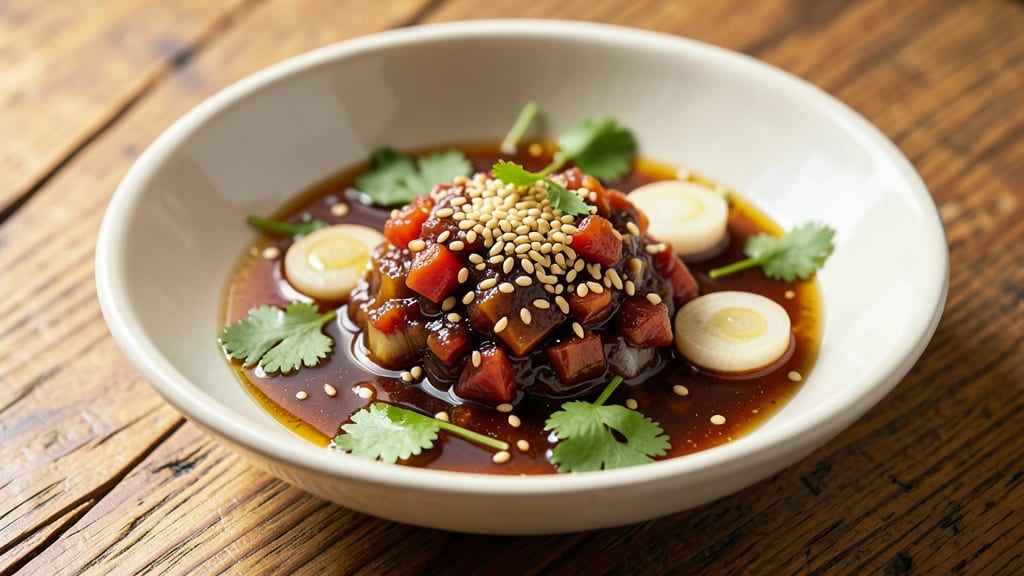
This Asian slaw sauce recipe transforms ordinary coleslaw into a vibrant, flavor-packed experience with just five simple ingredients. 💛 The perfect balance of tangy rice vinegar, savory soy sauce, and aromatic sesame oil creates a sauce that clings beautifully to crisp vegetables, noodles, or even grilled meats.
I developed this recipe after realizing how often I reached for store-bought dressings that lacked depth—this version delivers restaurant-quality flavor with minimal effort.
The secret lies in the combination of fresh ginger and garlic, which add a bright, zesty kick that cuts through the richness of sesame oil.
Unlike many Asian dressings that rely on heavy cream or sugar, this recipe keeps things light yet satisfying, with just a touch of honey to balance the acidity.
What sets it apart is its versatility—it works equally well as a dipping sauce for spring rolls, a dressing for fresh slaw, or even a marinade for tofu or chicken.
By the time you whisk together these ingredients, you'll have a sauce that's tangy, slightly sweet, and packed with umami—ready to elevate any dish. The best part?
It keeps beautifully in the fridge for up to a week, so you can make a batch and use it throughout the week without worry. Whether you're prepping for a meal or craving a quick flavor boost, this sauce is your new go-to.
For extra depth, consider adding a dash of chili paste for heat or a splash of lime juice for brightness. The possibilities are endless, but the foundation remains the same: bold, balanced, and impossible to resist. Let's get started!
Ingredients for asian slaw sauce
Five ingredients create this restaurant-worthy sauce that turns any dish into a flavor explosion.
| Ingredient | Amount | Notes |
|---|---|---|
| Rice Vinegar 🍶 | ½ cup | White or seasoned, mild acidity preferred |
| Sesame Oil 🫒 | ¼ cup | Toasted sesame oil for aroma |
| Soy Sauce 🍜 | ¼ cup | Light or dark, to taste |
| Fresh Ginger 🧄 | 2 tbsp | Finely grated, peel removed |
| Garlic Cloves 🧄 | 3 cloves | Minced or pressed, not pre-minced |
| Honey 🍯 | 1 tbsp | Wildflower or clover preferred |
| Sesame Seeds 🌰 | 1 tbsp | Toasted for garnish, optional |
| Water 💧 | ¼ cup | Room temperature, adjusts consistency |
| Salt 🧂 | ½ tsp | Kosher or sea salt |
| Red Chili Flakes 🌶️ | ½ tsp | Adjust for heat preference |
The rice vinegar is the backbone here—Kikkoman or Mushroom Boy are my go-tos, but any good white vinegar works. Sesame oil can be tricky: toasted sesame oil gives that nutty aroma, while regular sesame oil is more neutral. I grab mine from the Asian market in small bottles—it keeps forever once opened. Fresh ginger and garlic are non-negotiable for that bright zing. Peel the ginger first, then grate it—no need to measure precisely, just eyeball about 2 tablespoons. Garlic cloves should be fresh, not that sad jarred stuff. Toast the sesame seeds in a dry pan for 30 seconds if you're using them for garnish—trust me, it makes a difference.
No sesame oil? Avocado oil at half the amount works in a pinch, but the flavor won't be the same. Running out of rice vinegar? Apple cider vinegar or lime juice can substitute, though the taste shifts slightly. Pre-minced garlic? Fresh is better, but if that's all you've got, drain it well. The honey can be swapped for maple syrup or agave if you're avoiding sugar. For extra depth, add a dash of fish sauce (if not vegan) or a pinch of white miso paste—both add umami magic. The water is just to thin it out if needed; start with less and add more if it's too thick.
This sauce tastes even better the next day as the flavors meld. Store it in a small glass jar in the fridge for up to 1 week. I like to portion mine into two small containers—one for dipping, one for dressings—so I can grab it without making a mess. If it separates, just give it a quick whisk before using. Freezes beautifully for 3 months if you want to make a big batch. The sesame seeds? Toast them fresh each time you use the sauce—they add crunch and keep it looking fresh.
Why You'll Love This Recipe
- Five-Ingredient Magic: I swear by this—just vinegar, sesame oil, soy sauce, ginger, and garlic. That’s it. No fancy gadgets, no stress, no waiting for the oven. Honestly, I keep this bottle in my fridge because it’s that reliable.
- Umami Bomb: The moment that garlic hits the pan with ginger? Instant flavor explosion. The soy sauce and rice vinegar balance it so well—bright, tangy, with this deep, savory punch that makes every bite feel like a little reward.
- Lunchbox Hero: Between us, this sauce is my secret weapon for packed lunches. Drizzle it over cold noodles, toss it with pre-cut veggies, or even slather it on a sandwich. My kids (yes, even the picky ones) finish their meals when this is involved.
- Budget Stretch: A little goes a long way—this recipe costs pennies and lasts weeks. I make a big batch on Sundays, and by Thursday, I’m still using it. No waste, no guilt, just flavor that keeps giving. Plus, you’re using pantry staples, not specialty ingredients.
Step-by-step instructions for Asian slaw sauce
This sauce comes together in minutes with bold flavors that'll make your slaw shine.
👨🍳 Step 1: Grate and Mince the Aromatics
Use a microplane or fine grater to zest the 2 tablespoons of fresh ginger—this ensures you get all the fragrant oils without the fibrous texture. I like to press the ginger against the grater firmly and scrape off just the yellow peel, discarding the pale skin underneath. For the 3 cloves of garlic, I prefer using a garlic press over mincing by hand—it gives you finer, more even pieces that dissolve beautifully into the sauce.
Place both the ginger and garlic in a small bowl. If you're using a garlic press, make sure to squeeze out all the juice from the cloves. These aromatics form the flavor foundation, so don't skip this step. The freshness here makes all the difference between a good sauce and an amazing one.
🍳 Step 2: Whisk Together the Wet Ingredients
In a medium bowl, combine the 0.5 cup of rice vinegar, 0.25 cup of soy sauce, 1 tablespoon of honey, and 0.25 cup of water. Give it a quick stir to mix everything evenly. I always use a whisk for this step—it helps emulsify the ingredients right from the start and prevents any separation later.
Next, add the grated ginger and minced garlic to the bowl. Whisk everything together until fully combined. You'll notice the mixture starts to smell incredible—bright, tangy, and slightly sweet. This is where the magic begins. If you're using a mild rice vinegar, you might want to taste the mixture now to decide if you need to add a pinch more salt later.
🥘 Step 3: Slowly Incorporate the Sesame Oil
This is the critical step where we build the sauce's signature richness. With the whisk moving continuously, very slowly drizzle in the 0.25 cup of sesame oil. Start with just a few drops at first—this helps the oil emulsify properly rather than creating a greasy separation. Keep whisking steadily as you add more oil, gradually increasing the speed to a gentle stir.
The sauce will transform from a thin liquid to a glossy, velvety consistency. You're looking for a smooth, well-blended texture that coats the back of a spoon. If you see any oil pooling on top, just whisk a bit more vigorously. The key here is patience—rushing this step often leads to a broken sauce. Once fully incorporated, add the 0.5 teaspoon of salt and 0.5 teaspoon of red chili flakes, whisking until evenly distributed.
🔪 Step 4: Toast and Finish with Sesame Seeds
While the sauce rests, toast the 1 tablespoon of sesame seeds in a dry skillet over medium heat for 1-2 minutes until they turn a rich golden brown and release their nutty aroma. This step adds an extra layer of depth to your sauce. Be careful not to burn them—they should smell amazing but not bitter.
Let the toasted sesame seeds cool for a minute, then sprinkle them into the sauce. Give it one final whisk to incorporate. Taste and adjust the seasoning if needed—maybe a touch more honey for sweetness or a pinch of salt to balance the flavors. The sauce should be tangy, slightly sweet, with a gentle heat from the chili flakes and a nutty finish from the sesame.
⏰ Step 5: Rest and Serve
Let the sauce sit at room temperature for 5-10 minutes before using. This resting time allows all the flavors to meld together perfectly. The sauce will thicken slightly as it cools, which is exactly what you want for that perfect dipping consistency.
Give it one last stir before serving. This sauce is incredibly versatile—drizzle it over fresh slaw, use it as a marinade, or even as a dipping sauce for spring rolls. The balance of tangy, sweet, spicy, and nutty flavors makes it a crowd-pleaser every time. Store any leftovers in an airtight container in the refrigerator for up to 1 week, though I doubt you'll have any left!
Pro Tips For Making Asian Slaw Sauce
- MINCE THAT GINGER: Fresh ginger is stubborn—peel it all the way down to the pale flesh, then chop it into a paste with a knife before grating. I used to just grate it raw, and the sauce always tasted uneven. A quick 30-second smash with the flat side of your knife makes the flavor distribute like magic.
- TOAST THE GARLIC: Sauté those garlic cloves in sesame oil for 30 seconds until they’re just turning golden—not brown, but hinted. Cold garlic cloves in the sauce will make it taste flat. Do this step first, then pull the pan off heat before adding vinegar and soy—you don’t want to cook them further.
- DILUTE THE VINEGAR FIRST: Mix the rice vinegar with a splash of water (1:1 ratio) before adding it to the other ingredients. This prevents the sauce from curdling when you toss it with slaw later. I learned this after watching my first batch separate like oil and water—now it stays silky smooth.
- SALT THE SOY SAUCE: Use light soy sauce (or half regular soy, half light) and add a pinch of salt separately. Regular soy is already salty, and you’ll end up with a sauce that tastes like a salt lick. Taste as you go—this is the step most people mess up, and it’s the easiest fix.
Essential equipment for this dish
Whisk Essentials
Start with a balloon whisk—it’s my go-to for emulsifying sauces like this. The wire loops create tiny air bubbles that help blend oil and vinegar smoothly. I recommend the OXO Good Grips Balloon Whisk for its sturdy build and comfortable handle.
For smaller batches, a small fork works in a pinch, but you’ll need to whisk more vigorously. 💛
Measuring Tools
Precision matters when balancing flavors. Use a liquid measuring cup for vinegar, soy sauce, and water—these ingredients need exact ratios. For sesame oil, a small measuring spoon set (like KitchenAid 360° Measuring Spoons) ensures accuracy.
A microplane for ginger and a garlic press are non-negotiable for texture and flavor extraction. Never use pre-minced garlic—it releases moisture that dilutes your sauce.
Small Mixing Bowl
A stainless steel bowl (like Le Creuset’s 8-inch round bowl) is ideal for whisking—it’s non-reactive and won’t absorb flavors. Glass bowls work too, but they’re heavier. Avoid plastic; it can scratch easily and may retain odors.
The bowl should fit comfortably in your sink for easy cleanup. I keep mine near my prep station for quick sauce-making.
Skillet for Toasting
Toast sesame seeds in a non-stick skillet (I use Cuisinart MultiClad Pro) to prevent burning. A small cast-iron skillet works too, but it retains heat longer—watch closely to avoid over-toasting.
Medium heat is key: seeds should turn golden in 1-2 minutes, not black. A spatula helps stir them gently for even browning. 🌰
Storage Containers
Transfer leftovers to small glass jars (like Ball Mason jars) for easy portioning. They stack neatly in the fridge and let you see the sauce’s vibrant color. For freezer storage, use silicone molds (such as EZPZ Ice Cube Trays) to portion single servings—just pop one out when needed.
Label jars with the date to track freshness.
Optional Upgrades
For pro results, add a fine-mesh strainer to remove ginger fibers if you prefer ultra-smooth sauce. A digital scale helps measure sesame oil precisely (aim for 35g per ¼ cup).
And if you love experimenting, a mortar and pestle lets you grind whole spices (like Sichuan peppercorns) directly into the sauce for depth. 💡
Nutrition facts
Frequently asked questions
Can I make this sauce without sesame oil?
Yes, but the flavor will be different. Swap the sesame oil for avocado oil or neutral oil at half the amount (about 2 tablespoons), but you'll lose that nutty aroma. For a vegan alternative, try toasted peanut oil—it adds a similar richness. If you're avoiding oil entirely, reduce the water by 2 tablespoons to maintain balance.
How can I adjust the heat level?
Start with the 0.5 teaspoon of red chili flakes as written for mild heat. For medium spice, add 1 teaspoon of chili flakes or ½ teaspoon of chili garlic sauce. For spicy kick, mix in 1 teaspoon of sriracha or ½ teaspoon of gochujang. Always taste before serving—you can tone down heat with a splash of honey or more vinegar.
What's the best way to store this sauce?
Store in an airtight glass jar in the fridge for up to 1 week. The flavors actually improve after 24 hours as they meld! For longer storage, freeze in ice cube trays—just thaw overnight in the fridge. If the sauce separates, whisk vigorously before using. Pro tip: Keep a small jar in your fridge for quick dipping sauce access.
Can I use this sauce on non-slaw dishes?
This versatile sauce works as a dipping sauce for spring rolls or dumplings, a marinade for tofu or chicken, or even a glaze for grilled meats. Try it on cold noodle salads, rice bowls, or as a wok sauce for stir-fries. The tangy-sweet balance makes it perfect for balancing rich flavors.
Why did my sauce turn greasy?
This usually happens when sesame oil isn't emulsified properly. Slowly whisk in the oil drop by drop while continuously moving the whisk—this creates tiny bubbles that bind the oil to the liquid. If it happens, add 1 teaspoon of cornstarch mixed with 1 tablespoon of water, whisk in, and heat gently to thicken. For future batches, use a hand mixer on low speed for 10 seconds after adding oil.