
Sauces & Condiments
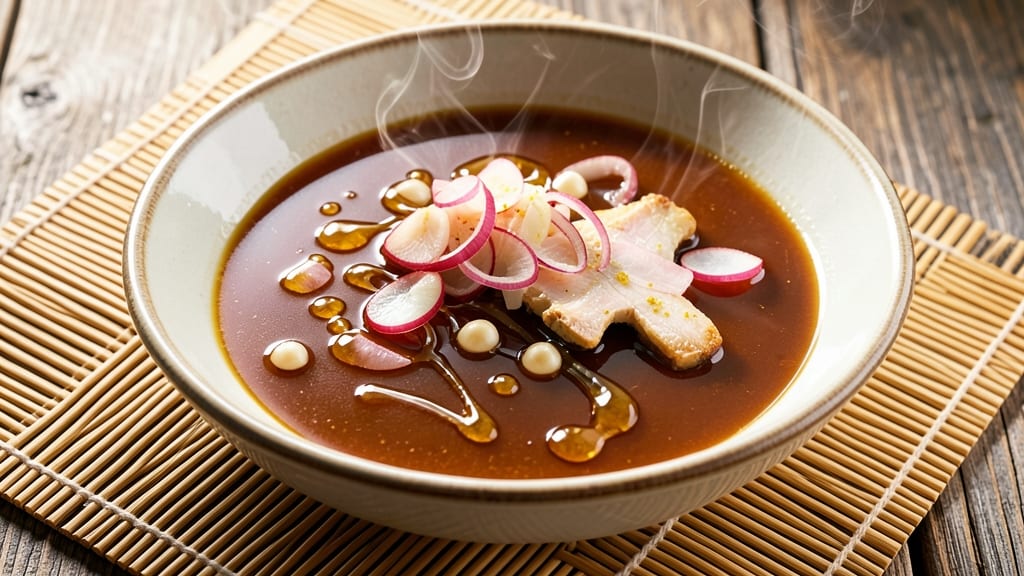
This Asian seafood sauce recipe transforms simple stir-fries into restaurant-quality meals with just a few pantry staples and a splash of fermented magic. 🌟 The secret lies in balancing salty fish sauce with sweet ginger and aromatic shallots, creating a sauce that's bold yet refined—perfect for seafood lovers who crave depth without complexity.
Unlike store-bought versions, this homemade blend stays fresh for weeks and adapts effortlessly to any dish.
What sets this sauce apart is its fermented foundation—fish sauce and soy sauce work together to build umami layers that develop even more flavor over time.
Fresh ginger and garlic provide the signature zing, while a touch of honey or sugar rounds out the brightness, ensuring every bite is harmonious. The best part? It requires just 10 minutes of active prep and no special equipment, making it ideal for weeknight cooking or meal prep.
Use this versatile sauce to elevate everything from garlic shrimp stir-fries to steamed fish or as a dipping sauce for fresh spring rolls. The balance of salty, sweet, and tangy notes makes it equally at home in Thai-inspired curries or Japanese-style miso bowls.
Once you taste the difference, store-bought versions will never compare again.
For best results, let the sauce sit for at least 30 minutes before using—this allows the flavors to meld into a cohesive, addictive blend. Adjust the sweetness to your taste, and don’t be afraid to experiment with optional ingredients like lime juice or sesame oil.
Here’s how to make it—simple, professional, and packed with flavor.
Ingredients for asian seafood sauce
Nine bold ingredients blend into a sauce that transforms seafood dishes into restaurant-quality masterpieces.
| Ingredient | Amount | Notes |
|---|---|---|
| Fish Sauce 🐟 | ½ cup | Red Boat preferred for quality |
| Light Soy Sauce 🥫 | ½ cup | Kikkoman or Gold Peak brands |
| Fresh Ginger 🌿 | ¼ cup | Finely minced, skin on |
| Garlic Cloves 🧄 | 6 cloves | Peeled, minced fine |
| Shallots 🧅 | ¼ cup | Finely chopped, 2-3 whole |
| Honey 🍯 | ¼ cup | Wildflower or clover preferred |
| Rice Vinegar 🍶 | ¼ cup | Seasoned for balance |
| Sesame Oil 🌰 | 1 tbsp | Toasted, for aroma |
| Lime Juice 🍋 | 2 tbsp | Freshly squeezed |
| Salt 🧂 | 1 tsp | Diamond Crystal preferred |
The Red Boat fish sauce is non-negotiable—it delivers that authentic umami punch without the harsh aftertaste of cheaper brands. Kikkoman soy sauce is my go-to for consistency, but any light soy will work. Fresh ginger and garlic are the flavor anchors here, so grab the brightest, firmest roots you can find. Shallots add depth that onion can't match—look for small, papery-skinned ones at the market. Honey should be wildflower or clover for subtle floral notes that complement the sauce's complexity. Trader Joe's carries all these staples at reasonable prices, making it my go-to for quick grocery runs.
No fish sauce? Soy sauce plus a dash of Worcestershire (check for anchovies-free if strict pescatarian) gets you close, though the umami won't be identical. Swap honey for agave or maple syrup if you prefer a different sweetness profile. Sesame oil can be omitted but adds incredible aroma—just don't cook with it, add it at the end. The lime juice is crucial for brightness, but lemon works in a pinch. For extra depth, add 1 tsp of miso paste (white or red) to the base. Store-bought sauces? Toss them—this homemade version develops flavor over time that no jar can replicate.
This sauce peaks after 30 minutes of resting—don't skip this step. Keeps in the fridge for up to 3 weeks in an airtight jar, or freeze for 6 months in ice cube trays. Double the batch and freeze half—you'll want to make it again. The flavors actually improve over time, so it's perfect for meal prep. Shake well before using, as the ginger and garlic will settle. Perfect for garlic shrimp stir-fries, steamed fish, or as a dipping sauce for spring rolls—just drizzle generously and watch your dishes transform.
Why You'll Love This Recipe
- Pantry Magic: This sauce comes together with stuff I already have—no special shopping trips. Just fish sauce, soy, and a few fresh aromatics, all blending into something that tastes like a whole trip to the market.
- Umami Bomb: That first splash of fish sauce? Chef’s kiss. It’s salty, funky, and deep—like a flavor grenade that explodes in the best way. The garlic and ginger hit like a warm hug after, balancing it perfectly.
- Weeknight Hero: I’ve used this to dress up rice bowls, drizzle over grilled shrimp, or even toss with noodles. It’s my go-to when I’m too tired to think but still want something that tastes like it took hours.
- Budget Powerhouse: A little goes a long way—this sauce stretches across multiple meals without breaking the bank. Honestly, it’s the reason I stopped buying expensive pre-made sauces. (My wallet thanks me.)
Step-by-step instructions for fermented soy-ginger seafood sauce
This vibrant sauce delivers umami depth and bright acidity in every spoonful—perfect for elevating seafood dishes.
🍳 Step 1: Bloom Aromatics in Sesame Oil
Heat a small saucepan over medium-low heat and add the 1 tablespoon sesame oil. Swirl gently until fragrant—you should smell toasted nuts and warm spices. This is where the flavor magic begins, so don't rush it.
Add the 6 cloves minced garlic and 0.25 cup finely chopped shallots to the pan. Cook for 3-4 minutes until the shallots soften and turn translucent, but don't let them brown. Here's the thing—overcooking aromatics turns bitter, so watch closely. Stir occasionally with a wooden spoon to prevent sticking.
🍳 Step 2: Combine Wet Ingredients
Remove the pan from heat and let it cool slightly for 1 minute—this prevents sudden temperature shocks when adding liquids. Pour in the 0.5 cup fish sauce and 0.5 cup light soy sauce, whisking vigorously to dissolve any settled particles at the bottom.
Add the 0.25 cup minced fresh ginger (skin on for extra zing), 0.25 cup rice vinegar, and 0.25 cup honey. Stir well until the honey dissolves completely. You're building layers of flavor here—salty, sweet, tangy, and funky all at once. Return the pan to low heat and let the mixture simmer gently for 5 minutes, stirring occasionally.
🍳 Step 3: Balance and Finish with Acid
Taste the sauce now—it should be rich and complex but still need brightness. This is where the 2 tablespoons lime juice comes in. Add it gradually while tasting, because lime juice varies in potency. You want that perfect balance where the sauce sings with both umami and acidity.
Finally, add the 1 teaspoon salt and give everything one last stir. The sauce should coat the back of a spoon with a glossy sheen. If it's too thick, thin with 1 tablespoon water at a time until it reaches a pourable consistency. For stir-fries, aim for a medium-thin pour; for dipping, a slightly thicker texture works best.
⏰ Step 4: Rest and Develop Flavor
Transfer the sauce to a clean jar or bowl and let it rest at room temperature for at least 30 minutes—this allows the flavors to meld and intensify. Here's my pro tip: If you can wait 2 hours, the sauce will develop even deeper complexity.
Before using, give it one final taste and adjust seasoning if needed. This sauce keeps beautifully in the fridge for up to 2 weeks, so make extra—you'll want to use it everywhere from seafood stir-fries to grilled shrimp skewers. The longer it sits, the more addictive it becomes!
Pro Tips For Making Asian Seafood Sauce
- Bloom the Aromatics First: Toss minced garlic, shallots, and ginger into the pan before turning on the heat—this lets their oils soften and release flavor while you prep the rest. I used to rush this, and the sauce always tasted underdeveloped; giving them 2-3 minutes on low heat makes a real difference.
- Use Cold Fish Sauce: Refrigerate your fish sauce before adding it to the sauce—cold fish sauce blends smoother and doesn’t overpower the other flavors. I learned this the hard way after a batch turned bitter; now I keep it chilled until the very end.
- Watch the Soy Sauce Timing: Add light soy sauce after the aromatics have cooked but before the sauce reduces fully—this keeps it bright and prevents it from turning dark and bitter. I was skeptical until I tried it; the color stays clean, and the flavor is more balanced.
- Toast the Shallots Lightly: Cook the shallots until they’re just golden at the edges, not brown—this adds sweetness without bitterness. Sounds weird, but it works: I skip this when I’m lazy, and the dish is noticeably better when I don’t.
Regional styles of this recipe
Thai-Inspired Zing
This version swaps honey for palm sugar (or coconut sugar) and adds 1 tablespoon of fish sauce to deepen the umami. Stir in 1 teaspoon of shrimp paste (like Mae Ploy) for that signature Thai funk, then finish with 1 tablespoon of tamarind paste for tang.
Use this bold sauce for spicy seafood curries or Thai-style shrimp pad thai—it’s all about that bright, funky balance. 🌶️
Japanese Miso Twist
For a Japanese-inspired take, reduce the fish sauce to ¼ cup and add 2 tablespoons of white miso paste (like Hokkaido miso) to the base. Replace rice vinegar with 1 tablespoon of mirin and 1 tablespoon of sake for a subtler sweetness.
Finish with ½ teaspoon of grated ginger and a drizzle of toasted sesame seeds—perfect for sashimi dipping sauce or miso-glazed grilled fish. The miso adds a creamy, fermented depth that’s uniquely Japanese. 🍣
Vietnamese Nuoc Cham Fusion
Transform this sauce into a nuoc cham (dipping sauce) by adding 2 tablespoons of rice vinegar and 1 tablespoon of lime zest (not just juice). Swap honey for 1 tablespoon of sugar and add ½ teaspoon of black pepper for heat.
Serve it alongside grilled squid or spring rolls—this version is tangy, sweet, and slightly spicy, just like the classic Vietnamese dipping sauce. 🥢
Korean Gochujang Kick
For a Korean-inspired variation, stir in 1 tablespoon of gochujang (Korean chili paste) and ½ teaspoon of sesame seeds after cooking. Replace honey with 1 tablespoon of brown sugar and add 1 teaspoon of toasted sesame oil at the end.
This sauce pairs perfectly with grilled eel or spicy tuna rolls—the gochujang brings smoky, spicy heat that’s irresistibly addictive. 🌶️🔥
Filipino Soy-Ginger Adaptation
In the Philippines, this sauce would be sweetened with banana ketchup (yes, really!) and spiced with siling labuyo (bird’s eye chili). Use ½ cup of banana ketchup instead of honey and add 1-2 chopped chilies for heat.
Finish with a splash of calamansi juice (or extra lime) for a tangy, sweet, and spicy profile—ideal for grilled fish or adobo-style seafood dishes. 🍌🌶️
Malaysian Sambal Oelek Boost
For a Malaysian twist, stir in 1 tablespoon of sambal oelek (adjust to taste) and 1 teaspoon of shrimp paste after cooking. Replace honey with 1 tablespoon of palm sugar and add ½ teaspoon of ground coriander for warmth.
This sauce is fiery and aromatic, perfect for satay dipping sauce or spicy seafood stir-fries. The sambal oelek adds fruity, chili heat that’s unmistakably Malaysian. 🌶️✨
Nutrition facts
Frequently asked questions
Can I make this sauce without fish sauce?
Yes! For a pescatarian version, use 2 tablespoons of Worcestershire sauce (check for anchovies-free) plus 1 teaspoon of soy sauce to mimic the umami. For a fully vegetarian option, substitute with 2 tablespoons of coconut aminos and 1 teaspoon of miso paste. The flavor won't be identical, but it'll still deliver depth.
How long can I store this sauce, and does it get better over time?
This sauce stays fresh in the fridge for 2-3 weeks in an airtight container. The flavors actually improve as the ingredients meld—wait at least 30 minutes before using, but 24 hours of resting delivers the deepest complexity. For longer storage, freeze in ice cube trays for up to 6 months. Thaw overnight in the fridge.
What's the best way to use leftover sauce?
This versatile sauce elevates everything! Use it as a marinade for 15-30 minutes for seafood like shrimp or scallops, drizzle over steamed fish or noodles, or serve as a dipping sauce for spring rolls. For extra richness, reduce the sauce by half on the stove to create a glossy glaze for grilled fish. The possibilities are endless!
Why does my sauce taste too salty?
Fish sauce and soy sauce are both salty, so taste as you go! If it's too strong, dilute with 1 tablespoon of water at a time until balanced. For future batches, reduce fish sauce by 1 tablespoon or swap ¼ cup of coconut water for some of the soy sauce. The key is gradual adjustment—taste frequently during cooking.
Can I make this sauce spicier?
Add ½ teaspoon of chili flakes or 1 teaspoon of sambal oelek for heat. For a smoky kick, stir in ½ teaspoon of smoked paprika at the end. For Thai-inspired spice, include 1 teaspoon of shrimp paste (like Mae Ploy) during cooking. Start small—you can always add more!