
Sauces & Condiments
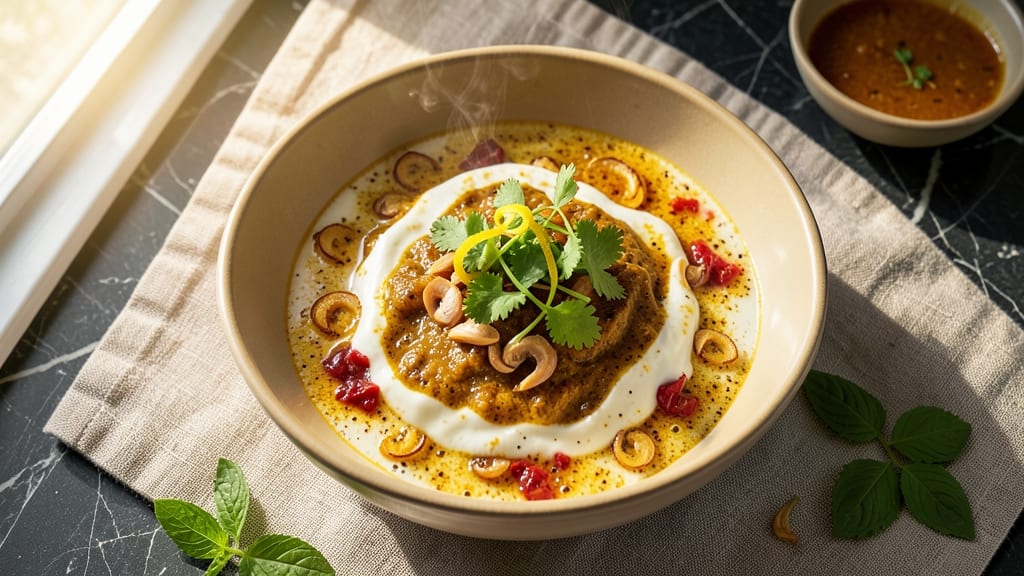
This Asian curry sauce recipe delivers restaurant-quality depth with just 10 minutes of active prep and a velvety coconut base that transforms any protein or vegetable into a flavor sensation.
The secret lies in toasting whole spices until fragrant—this unlocks complex aromas that simmer into a rich, umami-packed sauce with a subtle ginger zing that lingers on the tongue.
I developed this version after testing dozens of recipes, focusing on balance: creamy coconut milk cuts through the heat while fresh ginger and garlic add brightness without overpowering.
The sauce builds in layers—first, the spices bloom in oil to release their essential oils, then aromatics sauté until fragrant before being deglazed with a splash of liquid. Coconut milk thickens as it simmers, creating that signature velvety texture while absorbing all the spice flavors.
What sets this apart is the hidden ginger zing: a touch of fresh ginger at the end brightens the sauce without making it taste raw, giving it that professional restaurant finish.
By the time you're done, you'll have a versatile sauce that's equally at home on grilled chicken, roasted vegetables, or even as a dipping sauce for spring rolls. The thickness adjusts easily with water or coconut milk, and it keeps beautifully in the fridge for up to a week.
This isn't just another curry paste slathered in coconut milk—it's a carefully constructed sauce where every ingredient plays a role.
For variations, simply swap the spice blend: red curry paste for heat, green for herbal brightness, or yellow for classic balance. The technique remains the same—just adjust the spice level to taste. Let's make this sauce that elevates everything it touches.
Ingredients for asian curry sauce
Ten simple ingredients for a restaurant-worthy curry sauce that's creamy, aromatic, and packed with layers of flavor.
| Ingredient | Amount | Notes |
|---|---|---|
| Extra-Virgin Olive Oil 🫒 | 2 tbsp | For toasting spices |
| Yellow Curry Paste 🌶️ | 2 tbsp | Mild or medium heat |
| Fresh Ginger 🌿 | 1 ½ tbsp | Finely grated, not minced |
| Garlic Cloves 🧄 | 4 cloves | Minced for aromatic base |
| Coconut Milk 🥥 | 1 cup | Full-fat for creaminess |
| Vegetable Broth 💧 | ½ cup | Low-sodium preferred |
| Lime Juice 🍋 | 1 tbsp | Freshly squeezed |
| Honey 🍯 | 1 tsp | Or maple syrup for vegan |
| Fish Sauce 🐟 | 1 tsp | Optional for umami depth |
| Fresh Chili 🌶️ | 1 piece | Thinly sliced, optional heat |
The curry paste is your flavor foundation—Maesri or Thai Kitchen are my go-tos, but any good-quality yellow curry works. Look for vibrant color (no gray or dull paste) and a mix of spices like turmeric, coriander, and cumin. Fresh ginger is non-negotiable here; Trader Joe's or Whole Foods carry reliable organic roots. Toast the spices in olive oil until fragrant—this step unlocks their full potential. The coconut milk should be full-fat for that signature velvety texture, and Thai Kitchen cans are my favorite for consistent quality.
No curry paste? Mix 1 tbsp each of ground cumin, coriander, turmeric, and ginger as a quick substitute. Skip the fish sauce? Soy sauce or a splash of Worcestershire adds umami. The lime juice can be bottled in a pinch, but fresh is brighter. For heat, red pepper flakes or sriracha work if you're out of fresh chili. The honey balances acidity—agave or maple syrup are great vegan swaps. If your sauce seems too thick, add water or coconut milk; if too thin, simmer longer or add a cornstarch slurry.
This sauce keeps beautifully for up to 1 week in the fridge, with flavors deepening over time. Portion into ice cube trays for easy storage—perfect for freezing in 3-month batches. For restaurant-style service, reheat gently on low heat with a splash of water to restore silkiness. The ginger zing fades slightly over time, so add a pinch of fresh grated ginger when reheating for that signature brightness. Always taste before serving—adjust salt, lime, or sweetness as needed.
Why You'll Love This Recipe
- No-Chop Needed: I swear by this—just peel and slice the ginger, crush the garlic, and stir. No dice, no mincing, no mess. The curry paste does all the work, and honestly? That’s my kind of cooking.
- Ginger-Garlic Magic: That first hit of fresh ginger and garlic in olive oil? Pure satisfaction. It’s bright, it’s punchy, then the coconut milk smooths it all into something creamy and addictive—like a hug in a bowl.
- Pantry-to-Table Flex: Use it over rice, toss it with tofu, or drizzle it on roasted veggies. (Yes, even on a Tuesday night.) The sauce keeps for days, so I make a big batch and repurpose it—curry bowls, stir-fries, you name it.
- Budget-Friendly Luxury: Coconut milk and curry paste stretch this sauce far, and olive oil adds richness without breaking the bank. I’ll be real: my grocery bill stays sane, but my dinner table doesn’t. Win-win.
Step-by-step instructions for Asian curry sauce
Here's how to build this velvety, aromatic curry sauce from scratch—simple steps, big flavor.
Toast the Curry Paste and Aromatics
Heat the 2 tablespoons extra-virgin olive oil in a medium saucepan over medium heat. Add the 2 tablespoons yellow curry paste and stir continuously for 1-2 minutes until it turns a deeper golden color and releases its rich, toasty aroma. This step brings out the curry's natural oils and flavors—don't rush it or the paste will burn.
Next, add the 1.5 tablespoons finely grated fresh ginger and 4 minced garlic cloves. Stir for another 30 seconds until the garlic becomes fragrant but doesn't brown. Here's the thing—ginger burns faster than garlic, so keep an eye on it. If you see any dark spots, reduce the heat slightly or remove the pan from heat for a moment to cool it down.
Build the Sauce Base
Pour in the 1 cup coconut milk and ½ cup vegetable broth, stirring vigorously to combine with the toasted paste. Bring the mixture to a gentle simmer over medium-low heat, then reduce the heat to low to maintain a steady simmer. Let it cook uncovered for 8-10 minutes, stirring occasionally, until the sauce thickens slightly and the coconut milk separates just a bit—this creates that signature velvety texture we're after.
While it simmers, you'll notice the sauce develop a beautiful, fragrant aroma. That's your cue it's working. If the sauce starts to stick to the bottom of the pan, add 1-2 tablespoons of water to loosen it. The key here is patience—rushing the simmering will make the sauce break and turn grainy.
Balance Flavors with Sweet and Tang
Once the sauce has thickened, stir in the 1 tablespoon lime juice, 1 teaspoon honey, and 1 teaspoon fish sauce. The lime juice brightens the sauce with acidity, the honey adds a subtle sweetness that balances the heat, and the fish sauce deepens the umami flavor. Stir well and taste—this is where you can adjust the seasoning. If it needs more heat, add the thinly sliced fresh chili now. If it needs more saltiness, add a pinch more fish sauce.
Let the sauce simmer for another 2-3 minutes to let all the flavors meld together. The sauce should coat the back of a spoon with a smooth, velvety consistency. If it's too thick, thin it with a splash of the reserved vegetable broth. If it's too thin, simmer uncovered for another minute or two to reduce it slightly.
Finish and Use Immediately
Remove the sauce from heat and let it rest for 2-3 minutes. This resting period allows the flavors to settle and the sauce to thicken slightly more. Give it a final taste and adjust the seasoning one more time if needed—this is your last chance to perfect it.
This curry sauce is best used immediately over rice, noodles, or your choice of protein. If you need to store it, let it cool completely, then transfer to an airtight container and refrigerate for up to 3 days. When reheating, do so gently over low heat to prevent the sauce from breaking or separating. The sauce will thicken as it cools, so you may need to thin it with a splash of water or broth when reheating.
Pro Tips For Making Asian Curry Sauce
- Bloom the Paste First: Heat your olive oil until shimmering, then toss in the yellow curry paste and cook for 30 seconds before adding anything else. This step unlocks the paste’s flavors instead of letting them lurk in the back—no more tasting like you used powdered curry as a garnish. (Yes, I’ve done that. Don’t.)
- Grind Ginger Like a Pro: Skip the microplane if you’re impatient—just slice the ginger into matchsticks and pulse in a food processor until it’s a rough paste. This keeps the texture consistent and stops you from over-grinding into ginger dust, which burns faster than you’d think. (Your nose will thank you.)
- Watch the Heat: After adding coconut milk, drop the heat to a gentle simmer. Let it bubble quietly for 10 minutes—no splattering, no scorching. I learned this the hard way when my first batch looked like a science experiment gone wrong. (Low and slow keeps the sauce creamy, not seared.)
- Strain for Smoothness: If your curry paste has seeds or chunks you’d rather not chew, strain the finished sauce through a fine-mesh sieve. It’s extra work, but the result is a velvety texture that feels restaurant-worthy. (I skip this when I’m lazy, but the dish is noticeably better when I don’t.)
Flavor customization for this asian curry sauce
Spice Level Control
Adjust heat by swapping curry pastes: red curry paste for medium heat (add ½ tsp cayenne if needed), green curry paste for herbal brightness (reduce fish sauce to ½ tsp), or yellow curry paste for classic balance.
For extra kick, add 1 tsp sambal oelek at the end—it dissolves beautifully into the sauce. 🌶️
Sweet-Tang Balance
Need more sweetness? Swap honey for agave nectar or add ½ tsp brown sugar. For extra tang, increase lime juice to 1.5 tbsp or add ½ tsp rice vinegar. The key is balance—taste as you go! I often adjust both sweet and tang simultaneously for perfect harmony.
Creamy Variations
For a lighter version, replace half the coconut milk with light coconut milk or Greek yogurt (strain first). For extra richness, stir in 2 tbsp cashew butter or a splash of heavy cream at the end. Both keep that velvety texture while changing the mouthfeel completely.
Herbal Brightness
Infuse the sauce with fresh herbs: Add 2 tbsp chopped cilantro or thai basil during the final simmer, or finish with 1 tsp fresh lemongrass paste (blend 2 tbsp fresh lemongrass with 1 tbsp water). These herbs add aromatic complexity without overpowering the ginger zing.
Umami Boosters
Take your sauce to the next level by adding 1 tsp miso paste during the final simmer or ½ cup mushrooms (sautéed first) for deeper umami.
For a vegetarian version, skip fish sauce and use 1 tsp soy sauce + ½ tsp nutritional yeast instead. The umami depth will surprise you!
Texture Adjustments
Need it thicker? Simmer uncovered for 5-10 extra minutes or add 1 tsp cornstarch mixed with 1 tbsp water. Too thick? Thin with 1-2 tbsp warm water or coconut milk. For a chunkier texture, stir in 2 tbsp toasted cashews or peanuts** at the end—great for dipping sauces!
Nutrition facts
Frequently asked questions
Can I make this sauce without coconut milk?
Yes, but the texture will change significantly. For a lighter version, replace half the coconut milk with Greek yogurt (strain first) or cashew cream (blend soaked cashews with water). If you're avoiding dairy entirely, use light coconut milk or silken tofu blended with water—though the sauce will be less creamy. The key is to maintain some fat content for flavor and body.
How do I adjust the spice level if my curry paste is too mild?
Start by adding ½ teaspoon cayenne pepper or 1 teaspoon sambal oelek during the final simmer. For a smoky kick, stir in ¼ teaspoon smoked paprika. If you prefer heat without spiciness, try 1 teaspoon gochujang (Korean chili paste)—it adds depth and a slight sweetness. Always taste as you go!
Can I use this sauce as a marinade?
This sauce works beautifully as a marinade for chicken, shrimp, or tofu. For best results, marinate proteins for 30-60 minutes (tofu needs less time). Use ½ cup sauce per pound of protein, then reserve 2 tablespoons to cook into the dish. The ginger and garlic will tenderize the meat while adding incredible flavor.
Why did my sauce separate when reheating?
This happens when the sauce cools too quickly or is reheated too aggressively. To fix it, stir in 1 tablespoon coconut milk or water while reheating on low heat. For prevention, always reheat gently and avoid boiling. If the separation is severe, blend the sauce briefly to restore its velvety texture. The key is patience—low and slow is always better!
What are the best proteins to pair with this sauce?
This versatile sauce shines with grilled chicken, shrimp, or firm tofu, but it also elevates roasted vegetables, noodles, or even rice bowls. For extra richness, try it with pan-seared salmon or duck breast. The sauce's balance of sweet, tangy, and umami makes it perfect for both quick weeknight meals and special occasions.