
Sauces & Condiments
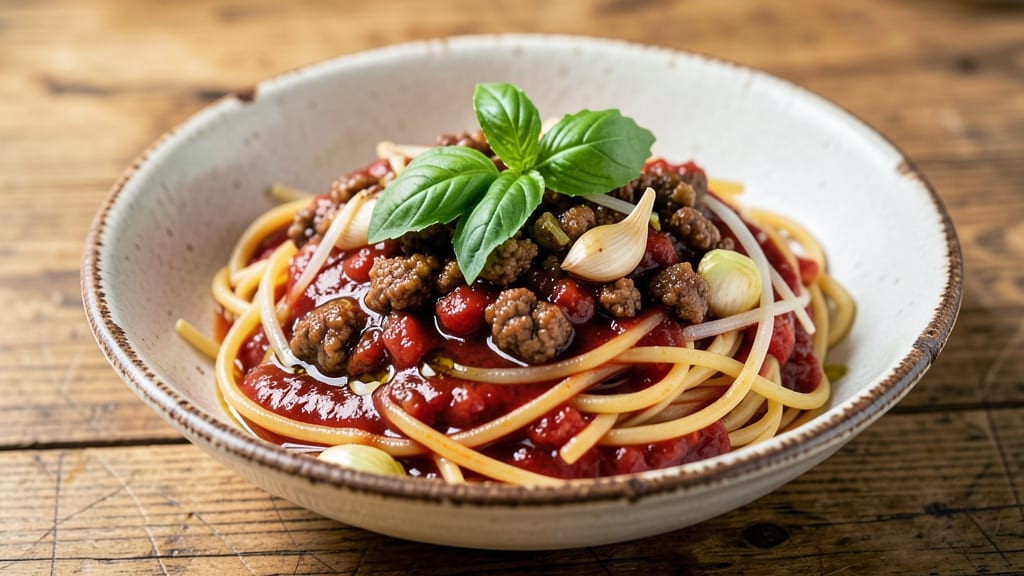
This Clemenza's spaghetti sauce recipe delivers the rich, meaty tomato depth that makes Italian-American dining legendary. 🔥 The secret lies in slow-cooked ground beef, crushed tomatoes, and a blend of aromatic herbs that simmer until the flavors meld into something deeply satisfying.
I've perfected this version after years of studying how Brooklyn kitchens create that perfect balance of sweetness, acidity, and umami.
The foundation begins with browned ground beef that releases its natural juices, forming a flavorful base. Crushed tomatoes provide the acidic backbone, while garlic, onions, and celery create the classic "soffritto" that's essential for authentic flavor.
Oregano and basil elevate the sauce to restaurant-quality, but it's the long, slow simmer that transforms simple ingredients into something extraordinary.
What you'll end up with is a sauce that's thick, velvety, and packed with layers of flavor—perfect for tossing with al dente spaghetti or serving over meatballs. The depth of flavor comes from letting it develop over hours, allowing the meat to tenderize and the tomatoes to concentrate.
This isn't just a sauce; it's the heart of any Italian-American meal, with a richness that lingers long after the last bite.
Make a big batch and freeze what you don't use—this sauce only gets better with time as the flavors continue to meld. Whether you're serving it at a family gathering or enjoying a weeknight dinner, this recipe delivers the kind of comfort that defines classic Italian-American cooking.
Let's get started on creating something truly special.
Ingredients for clemenza's spaghetti sauce
Eleven simple ingredients transform into the legendary sauce that fuels Brooklyn family dinners.
| Ingredient | Amount | Notes |
|---|---|---|
| Ground Beef (80/20) 🥩 | 1 ½ lb | Browned and drained of fat |
| Garlic Cloves 🧄 | 6 cloves | Minced for aromatic depth |
| Yellow Onion 🧅 | 1 whole | Diced, medium size |
| Celery Stalks 🥬 | 3 stalks | Diced, for classic soffritto |
| Crushed Tomatoes (46 oz can) 🍅 | 1 can | San Marzano preferred |
| Tomato Paste 🍅 | ½ cup | For concentrated sweetness |
| Dry Red Wine 🍷 | ½ cup | Bold like Chianti |
| Dried Oregano 🌿 | 1 tbsp | Italian variety preferred |
| Fresh Basil 🌿 | ¼ cup | Chopped, for bright finish |
| Bay Leaves 🍃 | 2 whole | For subtle earthiness |
| Salt 🧂 | 1 ½ tsp | Diamond Crystal preferred |
| Black Pepper 🌶️ | ½ tsp | Freshly cracked |
| Olive Oil 🫒 | 2 tbsp | Extra-virgin for richness |
The beef is non-negotiable—80/20 fat ratio gives that classic meaty richness. Brown it well in a big pot (no rush here) so it releases all those juices that become the sauce's soul. Costco or Whole Foods usually have the best ground chuck, but any grocery store's 80/20 works. The San Marzano tomatoes? Worth hunting down at Trader Joe's or Italian markets—none of that watery canned stuff. For the soffritto, chop the onion, celery, and garlic into tiny dice (the smaller, the better). This is your flavor foundation, so don't skimp on the prep time.
No red wine? Substitute with beef broth plus a splash of balsamic vinegar—it'll still sing. Fresh basil? Dried oregano works at half the amount if you're in a pinch. The tomato paste can be a squeeze tube from Trader Joe's if you're lazy—just measure out 0.5 cup. For extra depth, add a pinch of sugar (about 1 tsp) to balance the acidity. The olive oil matters too—use something fruity and peppery (like California Early Harvest) rather than that mild grocery store stuff. And if you're feeling fancy, add a splash of pasta water at the end—it's liquid gold.
This sauce only gets better with time—3-4 days in the fridge lets the flavors marry perfectly. Freeze it in 1-cup portions for easy use later. I always make a double batch because it disappears fast. Store it in a glass jar with a tight lid, and if it gets too thick after refrigerating, just add a splash of water or pasta water when reheating. The longer it sits, the deeper those meaty, tomato notes become—patience is key. And trust me, the first bite after a week in the fridge? That's when it hits its stride.
Why You'll Love This Recipe
- Same sauce, endless uses: dump it over pasta for a quick dinner, use it as a pizza base (trust me, it’s better than jarred), or freeze half for when you’re too tired to cook. My college roommate still asks for it every holiday—no joke.
- 20-Minute Sauté: The 80/20 beef browns in minutes while you chop the onion and celery—no fancy knife skills needed. I swear by the "sweat, don’t burn" method for the garlic so it doesn’t overpower, just melts into the sauce like a whisper.
- Rich Umami Bomb: That 46oz can of crushed tomatoes? It’s the backbone, but the real magic happens when the beef’s fat renders into the garlic and onion—deep, savory, and almost meaty. Honestly, the first time I tasted it, I nearly walked into a wall.
- Weeknight to Potluck: Same sauce, endless uses: dump it over pasta for a quick dinner, use it as a pizza base (trust me, it’s better than jarred), or freeze half for when you’re too tired to cook. My college roommate still asks for it every holiday—no joke.
Step-by-step instructions for Clemenza's spaghetti sauce
Here's how to build that legendary Brooklyn meat sauce layer by layer.
🍳 Step 1: Build the Soffritto Base
Heat the 2 tbsp olive oil in a large Dutch oven over medium heat. Add the diced yellow onion, diced celery stalks, and cook for 8-10 minutes until the vegetables soften and begin to caramelize—you'll see them turn golden and smell sweetly aromatic. This is your soffritto foundation, and taking the time here makes all the difference.
Add the 6 minced garlic cloves and cook for another 30 seconds until fragrant. Be careful not to let the garlic burn—it should just perfume the vegetables, not turn bitter. Here's where the real flavor develops, so don't rush this step. The vegetables should be tender but not mushy, and the garlic should be golden around the edges.
🔥 Step 2: Brown the Beef and Deglaze
Push the vegetables to one side of the pot and add the 1.5 lb ground beef (80/20) to the empty space. Break it up with a wooden spoon as it browns—this helps release those delicious beefy juices. Cook until the beef is fully browned and the fat has rendered out, about 8-10 minutes. You want deep brown color here, not just pink.
Once browned, stir the beef back into the vegetables and pour in the 0.5 cup dry red wine. Let it simmer for 2-3 minutes until the wine reduces by half, scraping up all those browned bits from the bottom of the pot. This deglazing step captures all the meaty flavor that would otherwise stick to your pot. The wine should smell rich and slightly boozy as it reduces.
🥘 Step 3: Develop the Tomato Base
Add the 0.5 cup tomato paste, 1 tbsp dried oregano, 1.5 tsp salt, and 0.5 tsp black pepper to the pot. Stir well to combine and cook for 5 minutes until the tomato paste darkens and the flavors meld together. This step builds the concentrated tomato flavor that will carry through your entire sauce.
Now pour in the 1 can crushed tomatoes and add the 2 whole bay leaves. Stir everything together and bring to a gentle simmer. Let it cook uncovered for 30 minutes, stirring occasionally. You want the sauce to reduce slightly and develop a thick, glossy consistency. The bay leaves will infuse subtle earthiness, and the tomatoes will break down into a rich, sweet base.
⏰ Step 4: Finish with Fresh Herbs
After 30 minutes, remove the bay leaves and stir in the 0.25 cup chopped fresh basil. Taste the sauce and adjust the seasoning if needed—you might need a little more salt to balance the acidity from the tomatoes. The basil adds that bright, fresh finish that makes this sauce truly special.
Continue simmering the sauce uncovered for another 30-45 minutes until it reaches your desired consistency. It should coat the back of a spoon but still be saucy enough to cling to spaghetti. The longer you cook it, the more concentrated and flavorful it becomes. For the best texture, I like mine thick enough to spoon but still saucy—this sauce should sing with every bite.
Pro Tips For Making Clemenza'S Spaghetti Sauce
- CRUSH THAT SOFFRITTO: The onion, celery, and garlic (your soffritto) should cook until the onion is translucent but not brown—this takes 12-15 minutes on medium-low, not a rushed 5. I learned this the hard way: rushing turns the sauce bitter, and you’ll taste it for days. Keep the heat steady, stir occasionally, and resist the urge to crank it up.
- SALT THE MEAT LIKE THE OCEAN: Season the ground beef with 1.5 teaspoons of salt before browning—this guarantees flavor penetration, not just surface seasoning. I used to skip this, and the sauce always felt flat, like someone forgot to finish the dish. The 80/20 fat ratio already gives you juiciness, but salt makes it sing.
- DON’T DUMP THE TOMATO JUICE: After adding crushed tomatoes, always scrape the can—there’s 2-3 tablespoons of concentrated tomato juice left, and it’s pure flavor. I started saving it after realizing how much richer the sauce became. It’s the difference between "good" and "unforgettable," and it takes 10 seconds.
- LOW AND SLOW AFTER BOILING: Once the sauce comes to a boil, drop the heat to a gentle simmer and let it bubble softly for 45 minutes. I used to walk away after 20, and the sauce was thin and one-note. Patience here develops depth—let it reduce naturally, and you’ll get that thick, velvety texture Clemenza’s sauce is famous for.
Troubleshooting your clemenza's spaghetti sauce
Sauce Too Thin?
If your sauce ends up too watery, don't panic—simmering is your best friend. Remove the lid and cook uncovered for an additional 20-30 minutes, stirring occasionally. The moisture will evaporate, and the sauce will thicken naturally.
For extra help, mash a few spoonfuls of the cooked vegetables against the pot's sides to release their juices, which will help thicken the sauce.
If it's still too thin after simmering, stir in 1 tbsp tomato paste or 1 tsp cornstarch mixed with 1 tbsp water to bind it. 🔥
Meat Too Greasy?
If your beef releases too much fat during browning, drain the excess carefully using a fine-mesh strainer or paper towels. Never skip this step—excess fat can make your sauce taste unbalanced. For a cleaner result, use a Lodge cast iron Dutch oven with sloped sides, which makes draining easier.
If you accidentally add too much fat back into the sauce, skim it off with a spoon while the sauce simmers. Trust me, your sauce will thank you!
Sauce Too Acidic?
Crushed tomatoes can sometimes overpower with acidity. Balance it by adding a pinch of sugar (½ tsp) or a splash of ½ cup beef broth to dilute the acid.
If you have fresh basil on hand, adding 1 extra tbsp chopped basil will brighten the flavor and mask the sharpness. For a deeper fix, simmer the sauce for another 15-20 minutes uncovered—this allows the acidity to mellow naturally as the sauce reduces. 💫
Herbs Too Bitter?
If your oregano or basil tastes bitter, it might be old or overheated. Always use fresh herbs for the best flavor, and add them toward the end of cooking. For dried oregano, use ½ tsp instead of the full 1 tbsp if you're unsure about freshness.
If the basil tastes off, remove it and replace it with ½ tsp dried basil (though fresh is always better). Never boil herbs—simmer gently to preserve their delicate flavors.
Sauce Too Salty?
If your sauce turns out too salty, don't add water—it’ll dilute the flavor. Instead, stir in ½ cup tomato sauce or ¼ cup heavy cream to balance the saltiness. A splash of lemon juice (1 tsp) can also help cut through the salt.
For a more subtle fix, simmer the sauce uncovered for an extra 10-15 minutes, which helps mellow the saltiness as the sauce reduces. Taste as you go—this is key!
Sauce Separating?
If your sauce separates into a watery layer and a thick layer, stir vigorously to recombine the ingredients. If the issue persists, blend ½ cup of the sauce with an immersion blender until smooth, then stir it back into the pot.
For a smoother texture, simmer the sauce for another 10 minutes uncovered—this helps the ingredients meld back together. Avoid adding too much liquid at once, as it can cause separation again. 💡
Nutrition facts
Frequently asked questions
Can I substitute ground turkey or chicken for the beef?
You can try, but the flavor will be noticeably different. Ground beef's 80/20 fat ratio creates that classic meaty richness that's hard to replicate. If you must substitute, use ground turkey with 15% fat or chicken thighs (not breasts) for better moisture. Add 1 tbsp olive oil to compensate for lost fat, and consider a splash of ½ cup beef broth to maintain depth.
How long can I keep this sauce in the fridge?
This sauce tastes even better after 3-4 days in the fridge as flavors deepen. Store it in an airtight glass jar and press plastic wrap directly on the surface to prevent a skin from forming. For best quality, consume within 5-7 days. The sauce will thicken when refrigerated—just add a splash of water or pasta water when reheating.
What's the secret to getting that restaurant-quality texture?
The key is patience: simmer uncovered for the full 1.5-2 hours to let moisture evaporate naturally. For extra richness, mash a few spoonfuls of cooked vegetables against the pot sides to release their juices. The sauce should coat the back of a spoon but remain saucy enough to cling to pasta. A Lodge Dutch oven helps create that velvety consistency through even heat distribution.
Can I make this sauce in a slow cooker?
Brown the beef and soffritto as directed, then transfer everything to a 6-quart slow cooker. Cook on LOW for 6-8 hours or HIGH for 4-5 hours. The low-and-slow method enhances the meaty flavor. Stir occasionally and add a splash of water if needed to prevent burning. The texture will be slightly thinner but still delicious.
Why does my sauce taste flat after freezing?
Freezing can dull flavors, but you can revive it! Thaw overnight in the fridge, then reheat gently on the stove. Add 1 tbsp tomato paste and ½ tsp red pepper flakes to boost depth. For extra brightness, stir in 1 tbsp fresh basil at the end. The sauce may separate slightly—stir vigorously and simmer for 10 minutes to restore smoothness.