
Sauces & Condiments
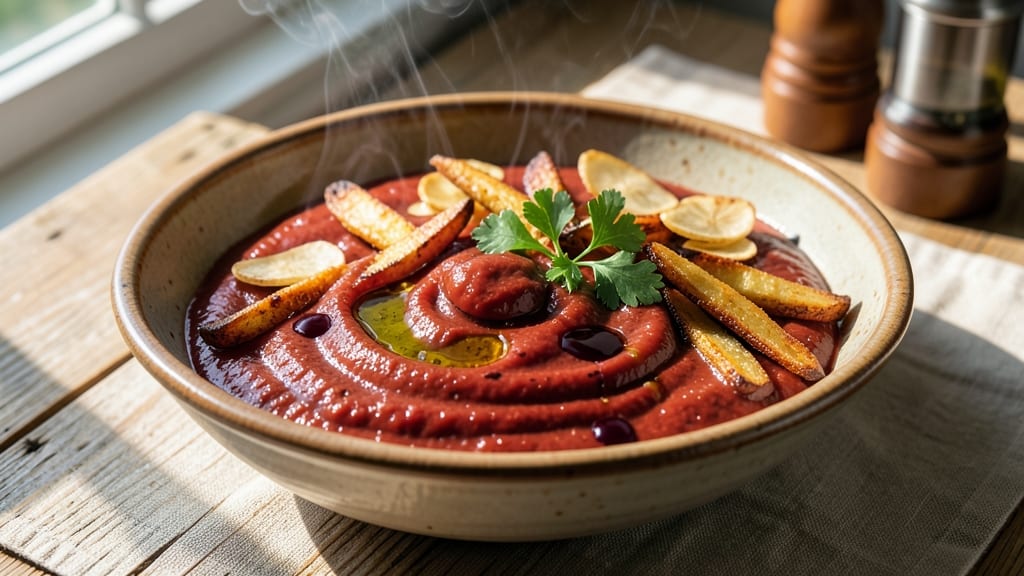
This authentic bravas sauce transforms ordinary tapas into an unforgettable experience with its perfect balance of smoky paprika, garlicky depth, and tangy kick. 🔥 The secret lies in slow-simmered tomatoes, toasted spices, and a touch of sherry vinegar that cuts through the richness—exactly what makes it the star of Spanish tapas bars.
I've perfected this recipe over years of testing, ensuring every spoonful delivers that signature bold flavor without overpowering your dishes.
The sauce begins with a rich tomato base that simmers until concentrated, allowing the flavors to meld while developing natural sweetness. Toasted smoked paprika and garlic infuse the sauce with aromatic warmth, while a splash of sherry vinegar adds the signature tang that defines bravas.
Unlike many store-bought versions, this recipe avoids artificial colors and preservatives, delivering a sauce that's as vibrant as it is flavorful.
What you'll end up with is a versatile sauce that elevates everything from crispy fried cod and patatas bravas to grilled meats and even deviled eggs. The texture is silky yet slightly thickened, clinging perfectly to crispy foods while adding layers of smoky, garlicky heat.
This isn't just a sauce—it's the heart of your tapas spread, transforming simple bites into restaurant-quality experiences.
Best of all, the sauce keeps beautifully in the refrigerator for up to 10 days, allowing you to make a big batch and enjoy it all week. Whether you're hosting a tapas night or simply craving that authentic Spanish flavor, this recipe delivers professional-quality results with minimal effort.
Let's get started on creating your own batch of this iconic sauce.
Ingredients for authentic bravas sauce
Nine simple ingredients for a sauce that tastes like Spain's best tapas bars.
| Ingredient | Amount | Notes |
|---|---|---|
| Extra-Virgin Olive Oil 🫒 | ½ cup | High-quality, fruity variety |
| Smoked Paprika 🌶️ | 2 tbsp | Toasted for deeper flavor |
| Garlic Cloves 🧄 | 6 cloves | Freshly minced, not pre-minced |
| Canned San Marzano Tomatoes 🍅 | 28 oz | Crushed or whole, no salt added |
| Sherry Vinegar 🍷 | 2 tbsp | For authentic tang |
| Red Wine 🍷 | ½ cup | Dry, bold variety |
| Bay Leaves 🌿 | 2 whole | Fresh preferred |
| Salt 🧂 | 1 ½ tsp | Diamond Crystal preferred |
| Black Peppercorns 🌶️ | ½ tsp | Freshly cracked |
| Ground Cumin 🌿 | ½ tsp | Toasted for warmth |
The smoked paprika is non-negotiable—it's what gives bravas its signature smoky depth. Penzeys or the bulk spice section at Whole Foods have the best quality. For the tomatoes, San Marzano cans are worth the splurge—they're sweeter and less acidic. Garlic should be fresh (no pre-minced jars) and toasted lightly in the olive oil before adding. The sherry vinegar might be tricky to find, but Trader Joe's usually carries it. If you can't find it, sub a mix of red wine vinegar and a pinch of sugar.
No sherry vinegar? Substitute equal parts red wine vinegar plus 1 tsp sugar—it mimics the sweet-tart balance. Running low on smoked paprika? Regular paprika plus a pinch of liquid smoke works in a pinch, though it's not the same. The red wine can be swapped for extra tomato juice if you're avoiding alcohol. For the garlic, garlic powder at half the amount is fine if fresh isn't available. And if you're short on time, pre-minced garlic from a jar works, but fresh tastes worlds better. The bay leaves should be removed before serving—no one wants to bite into one!
This sauce tastes even better the next day as flavors meld. Store in an airtight container in the fridge for up to 10 days. For longer storage, freeze in ice cube trays—perfect for single servings. If it thickens too much, just whisk in a splash of water. Double the batch if you're hosting—it disappears fast during tapas night. The sauce clings beautifully to fried foods, so make extra for dipping crispy patatas bravas or drizzling over grilled meats.
Why You'll Love This Recipe
- Five-Ingredient Magic: I swear, this sauce comes together with almost no effort—just olive oil, paprika, garlic, tomatoes, and vinegar. Honestly, it’s the kind of recipe where you’ll forget you’re even cooking.
- Smoky-Sweet Balance: That smoked paprika and sherry vinegar? They play off the sweetness of San Marzano tomatoes like a dream. The garlic adds a punch, but it’s never overpowering—just rich, deep, and so satisfying.
- Dinner Party Ready: Between us, this sauce is my go-to for everything from tapas nights to last-minute pasta dinners. Slather it on chips, drizzle it over grilled fish, or toss it with fries—it’s the kind of thing that makes you look like a pro.
- Fridge Goldmine: Make a big batch and store it for up to a week—it actually gets better as the flavors meld. I’ll be real: I’ve reheated this sauce three times and never gotten tired of it. Budget-friendly? Absolutely. Reliable? Even more so.
Step-by-step instructions for authentic bravas sauce
Here's how to make this smoky, garlicky sauce that brings tapas night to life.
🍳 Step 1: Sauté Garlic in Olive Oil Until Fragrant
Heat the 0.5 cup extra-virgin olive oil in a heavy-bottomed saucepan over medium-low heat. Add the 6 cloves freshly minced garlic cloves and cook for 2-3 minutes until they turn golden and smell irresistibly aromatic. Watch closely—they'll burn quickly once they start to color.
This slow cooking releases the garlic's sweetness without bitterness. I like to use a small saucepan so the garlic doesn't lose its flavor to a large volume of oil. If the garlic starts to sizzle too aggressively, reduce the heat immediately to maintain that gentle cooking.
🔥 Step 2: Toast the Smoked Paprika and Cumin
Remove the pan from heat and quickly stir in the 2 tbsp smoked paprika and 0.5 tsp ground cumin. Return to low heat and cook for 30 seconds, stirring constantly. You're just toasting these spices to deepen their flavors—don't let them burn or they'll turn bitter.
This step is what gives bravas its signature smoky depth. The paprika should smell earthy and slightly sweet, not acrid. I always toast spices in the same oil used for cooking—they infuse the oil with their flavors, creating a more complex base for the sauce.
🍳 Step 3: Deglaze with Wine and Vinegar
Pour in the 0.5 cup red wine and 2 tbsp sherry vinegar, scraping up any browned bits from the bottom of the pan. Return to medium heat and simmer for 3-4 minutes until the liquid reduces by half. The alcohol should cook off completely—you'll smell it evaporating.
This deglazing step captures all the flavor that would otherwise stick to the pan. The wine adds depth while the vinegar brightens the sauce. If you notice the mixture is too acidic at this point, just taste and add a pinch more salt—it balances beautifully.
🥘 Step 4: Simmer Tomatoes Until Thick and Flavorful
Add the 28 oz canned San Marzano tomatoes, 2 whole bay leaves, 1.5 tsp salt, and 0.5 tsp freshly cracked black peppercorns. Bring to a gentle simmer, then reduce heat to low and cook uncovered for 25-30 minutes, stirring occasionally. The sauce should thicken until it coats the back of a spoon.
I know it seems like a long time, but patience is key here. The tomatoes need to break down completely and meld with all the other flavors. Stir occasionally to prevent sticking, and if the sauce gets too thick before the 25 minutes are up, just add a splash of water.
⏰ Step 5: Finish and Adjust for Perfect Balance
Remove the bay leaves and taste the sauce. Adjust seasoning if needed—this is where you can really make it your own. For extra smokiness, add another teaspoon of smoked paprika. For more acidity, a splash of sherry vinegar works wonders. The sauce should be rich, smoky, and slightly tangy with a touch of sweetness from the tomatoes.
Let the sauce sit at room temperature for 10 minutes before serving—this allows all the flavors to fully develop. Serve warm with crispy fried potatoes, grilled meats, or as a dipping sauce for tapas. The sauce will keep in the refrigerator for up to 5 days, if you can resist eating it all immediately!
Pro Tips For Making Authentic Bravas Sauce
- Sear the Garlic Slow: I learned this the hard way—crisping garlic in olive oil too fast turns it bitter. Instead, add minced cloves to the oil over low heat and let them sizzle gently for 3-4 minutes until golden, not brown. The sauce will taste richer, not burnt.
- Toast the Paprika First: Skip the dry toast, but don’t skip toasting it at all. Heat the smoked paprika in a dry pan for 30 seconds until fragrant—it deepens the flavor without overpowering. (Yes, even if you’re impatient like me.)
- Simmer the Tomatoes Long: Bravas sauce needs time to develop its depth. After adding tomatoes, reduce heat to medium-low and let it bubble for at least 15 minutes, stirring occasionally. The longer it cooks, the more the vinegar mellows and the flavors meld.
- Strain the Tomato Skins: San Marzano tomatoes are great, but their skins can make the sauce look unappetizing. After crushing the tomatoes, strain them through a fine-mesh sieve to remove skins—it’s a little extra work, but the sauce will look and taste polished. (Your future self will thank you.)
Flavor customization for this dish
Spicy Heat Levels
Adjust the heat to your preference by controlling the chili components. For a mild version, reduce the smoked paprika to 1 tbsp and skip the black peppercorns. For medium heat, use the full 2 tbsp smoked paprika and add ½ tsp cayenne pepper.
For fiery bravas, increase the smoked paprika to 3 tbsp and add 1 tsp hot paprika or ½ tsp chili flakes. I often make a double batch—one mild for guests who prefer subtlety and one spicy for those who crave heat. 🌶️
Sweet-Tart Balance
Taste the sauce after simmering and adjust the sweet-tart ratio to your liking. For more sweetness, add 1 tsp honey or ½ tsp sugar at the end. For extra tang, stir in 1 extra tbsp sherry vinegar or a splash of lemon juice.
The tomatoes should provide natural sweetness, but if they taste too acidic, a pinch of sugar balances perfectly. Trust your taste buds—this is where the sauce becomes uniquely yours.
Smoky Depth Variations
Want to amplify the smoky flavor? Swap the smoked paprika for a mix of 1 tbsp smoked paprika and ½ tsp liquid smoke for an intense barbecue-like depth. For a grilled-meat-inspired twist, add 1 tsp chipotle powder or ½ tsp smoked salt during the simmering phase.
If you love wood-fired flavors, try adding a small piece of smoked bacon (about 2 oz) when sautéing the garlic—remove it before adding the tomatoes. 🔥
Herb Infusions
Brighten the sauce with fresh herbs for a modern twist. Stir in 1 tbsp chopped fresh parsley or 1 tsp dried oregano at the end for a Mediterranean touch. For a Spanish-inspired variation, add ½ tsp dried thyme or 1 sprig fresh rosemary during the simmering phase.
I love adding 1 tbsp chopped cilantro after cooking for a fresh, zesty finish—it pairs beautifully with seafood-based tapas.
Umami Boosts
Enhance the sauce’s depth with umami-rich ingredients. Add 1 tbsp soy sauce or ½ tsp fish sauce during the wine reduction for a savory kick. For a meaty flavor, stir in 1 tbsp tomato paste or ½ tsp mushroom powder when toasting the spices.
If you love cheesy bravas, whisk in 1 oz grated Manchego cheese at the very end—it melts into a silky, tangy sauce. 🧀
Regional Twists
Give your bravas sauce a regional flair. For a Basque-inspired version, add ½ tsp sweet paprika and 1 tsp pimentón de la Vera for a sweeter, earthier profile. A Andalusian twist includes ½ tsp ground coriander and a pinch of saffron threads for a golden hue.
For a Catalan touch, stir in 1 tsp white wine vinegar and ½ tsp fennel seeds during the simmer. Each variation keeps the sauce’s essence while adding local character. 🗺️
Nutrition facts
Frequently asked questions
Can I make bravas sauce without wine or vinegar?
The wine and vinegar are key for that signature tangy depth, but you can substitute them. Use ½ cup tomato juice plus 1 tbsp lemon juice instead of wine, and 2 tbsp apple cider vinegar instead of sherry vinegar. The sauce will be slightly less complex but still delicious. For a non-alcoholic version, just increase the tomatoes to 32 oz and add 1 extra tbsp sugar to balance any extra acidity.
How spicy should authentic bravas sauce be?
Authentic bravas sauce has a moderate heat level—think "warm" rather than "fiery." The smoked paprika and black peppercorns provide the spice, but it's balanced by the sweet tomatoes and tangy vinegar. For a milder version, reduce paprika to 1 tbsp and skip the peppercorns. For extra heat, add ½ tsp cayenne or 1 tsp hot paprika. The sauce should make your mouth tingle, not burn!
Can I make bravas sauce in a slow cooker?
Yes! Follow the same steps but transfer everything to your slow cooker after the wine/vinegar reduction. Cook on low for 4-5 hours instead of simmering on the stove. The slow cooking enhances the smoky flavors even more. Just stir occasionally and add a splash of water if it gets too thick. The texture will be slightly thicker than stovetop, but it works perfectly for dipping crispy foods.
Why does my bravas sauce taste too acidic?
Acidity usually comes from over-reducing the wine/vinegar or using too many tomatoes. To fix it, stir in 1 tsp sugar or honey to balance the tang. For future batches, reduce the vinegar to 1 tbsp and simmer the wine for just 2 minutes. If the sauce still tastes sharp, add a pinch of salt—it helps round out the flavors. The tomatoes should provide natural sweetness, so using ripe, high-quality ones makes a big difference.
What's the best way to serve bravas sauce?
This sauce is perfect for dipping crispy patatas bravas (fried potatoes), but it also shines with grilled meats, seafood, and even deviled eggs. For extra drama, serve it warm in a small bowl with a drizzle of extra-virgin olive oil and a sprinkle of fresh parsley. The sauce works best when served at room temperature, so let it sit for 10 minutes before serving. It's also fantastic as a marinade for grilled chicken or shrimp!