
Sauces & Condiments
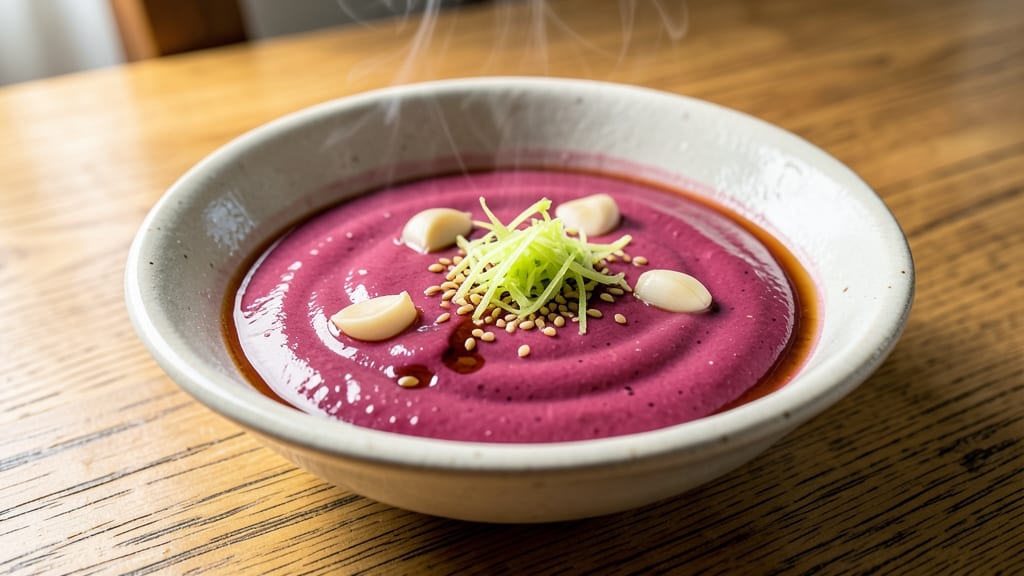
This Asian pink sauce recipe transforms ordinary stir-fries and noodles into vibrant, flavor-packed masterpieces with just a few simple ingredients. The secret lies in balancing tamarind's tangy depth with sweet brown sugar and a touch of umami from soy sauce, creating a glaze that's both complex and easy to master.
I developed this version after years of experimenting with restaurant-quality sauces at home—no shortcuts, just precise flavor development.
The beauty of this sauce is its versatility—it works as a marinade for meats, a dipping sauce for spring rolls, or a glaze for grilled vegetables. What makes it special is the slow reduction process, which intensifies flavors while maintaining that signature pink hue.
Unlike store-bought versions, this recipe delivers authentic taste without artificial colors or preservatives.
Once you taste this sauce, you'll understand why it's become my go-to for weeknight dinners and special occasions. The perfect harmony of sweet, tangy, and savory notes elevates even the simplest dishes, making it a pantry essential.
With proper storage, it keeps for up to two weeks in the refrigerator, ready to transform your next meal.
Whether you're cooking for family or hosting a dinner party, this sauce delivers restaurant-quality results with minimal effort. The instructions walk you through each step to ensure perfect balance every time. Let's create something extraordinary together—starting with this essential sauce.
Ingredients for asian pink sauce
Nine ingredients transform into a vibrant pink sauce with restaurant-quality depth and balance.
| Ingredient | Amount | Notes |
|---|---|---|
| Tamarind Paste 🍯 | ¼ cup | High-quality, unsweetened preferred |
| Dark Brown Sugar 🍚 | ½ cup | Packed lightly for accurate measure |
| Light Soy Sauce 🥢 | ¼ cup | Kikkoman preferred for balance |
| Rice Vinegar 🍶 | ¼ cup | Seasoned preferred for depth |
| Garlic Cloves 🧄 | 4 cloves | Freshly minced for aromatic punch |
| Fresh Ginger 🌿 | 1 tbsp | Finely grated, organic preferred |
| Red Curry Paste 🌶️ | 1 tbsp | Maesri brand for authentic flavor |
| Water 💧 | ½ cup | Filtered for best taste |
| Sesame Oil 🫒 | 1 tbsp | Toasted for nutty aroma |
| Salt 🧂 | ½ tsp | Diamond Crystal preferred |
The tamarind is non-negotiable—it delivers that signature tang. Thai or Indian brands at Asian markets have the best quality, but Trader Joe's carries a decent version too. Look for paste, not blocks (they're harder to measure). The brown sugar should be dark—Domino brand works perfectly. I always double-check the soy sauce label for 'light' instead of 'dark'—it's crucial for that authentic balance. Fresh garlic and ginger? Buy organic if possible—they've got more flavor punch. The curry paste is where you can splurge for Maesri or save with Gourmet Garden from the regular grocery store.
No tamarind? Lime juice plus a pinch of sugar gets you close, though it won't be identical. Running low on brown sugar? White sugar plus a dash of molasses works in a pinch. The sesame oil can be swapped for toasted peanut oil if you're avoiding sesame allergies. For a deeper color, add a few drops of beet juice or red food coloring (though I prefer the natural approach). The sauce reduces significantly, so don't skimp on the water—you'll need that liquid to build the glaze. If you're making this ahead, reduce it longer for an even thicker consistency.
This sauce keeps beautifully—2 weeks in the fridge sealed tightly. I portion mine into small glass jars for easy use. For longer storage, freeze in ice cube trays—just thaw and stir before using. The flavor actually improves after a few days as everything melds together. Don't over-reduce when reheating—just warm through gently to preserve that signature pink color and vibrant flavor. A little goes a long way, so I always make extra when I have the time.
Why You'll Love This Recipe
- Five-Ingredient Magic: I swear, this sauce comes together with just a saucepan and a whisk—no fancy gadgets, no stress. That tamarind paste does the heavy lifting while I sip my coffee, and by the time the garlic’s fragrant, the sauce is ready.
- Sweet-Savory Balance: The dark brown sugar gives it that caramelized depth, but the rice vinegar cuts through it just enough to make your taste buds dance. Honestly, it’s the kind of flavor that sticks with you long after the last bite.
- Weeknight Workhorse: Drizzle it over noodles, toss it with grilled chicken, or even use it in a quick stir-fry—this sauce never lets me down. I keep a jar in the fridge because it’s my go-to for when I need something fast but still feels special.
- Budget-Friendly Staple: A little goes a long way, and since I’m using pantry basics, I’m not breaking the bank. The leftovers? Even better. I’ll make a big batch, freeze half, and still have enough to jazz up meals for days.
Step-by-step instructions for Asian pink sauce recipe
This vibrant glaze balances sweet, tangy, and umami flavors perfectly—let's bring it together.
Bloom the Aromatics in Sesame Oil
Heat a small saucepan over medium-low heat and add the 1 tablespoon sesame oil. Once the oil shimmers gently (about 30 seconds), add the 4 cloves minced garlic cloves and 1 tablespoon finely grated fresh ginger. Cook for 1-2 minutes until fragrant but not browned—you should smell that bright, citrusy aroma of fresh ginger and sweet garlic.
Here's the thing—cooking the aromatics first develops their flavors without burning them. If the garlic starts to color too quickly, reduce heat immediately. The oil should coat the back of a spoon and smell nutty, not acrid. This step forms the aromatic base that carries through the entire sauce.
Add Wet Ingredients and Simmer
Pour in the 0.25 cup tamarind paste, stirring constantly to dissolve completely—it should blend smoothly with no grainy texture. Add the 0.5 cup dark brown sugar (packed lightly), 0.25 cup light soy sauce, and 0.25 cup rice vinegar, then bring to a gentle simmer over medium heat. Let it bubble for 3-4 minutes until slightly thickened and reduced by about 20%—you'll notice the sauce clings more to the spoon.
The tamarind paste is key here—it provides that signature tangy depth. If you notice any lumps, whisk vigorously for 30 seconds to ensure everything's fully incorporated. This reduction step concentrates the flavors, so don't rush it. You want the sauce to coat the back of a spoon but still flow smoothly when poured.
Incorporate Curry Paste and Water
Reduce heat to low and stir in the 1 tablespoon red curry paste until fully dissolved—it should blend seamlessly with no visible flecks. Add the 0.5 cup water and 0.5 teaspoon salt, then simmer for another 5-6 minutes until the sauce reaches your desired consistency. It should be thick enough to coat the back of a spoon but still pourable—think of it like a thin glaze rather than a thick syrup.
Taste and adjust seasoning at this point. If it needs more tang, add a splash of rice vinegar. For extra sweetness, stir in a bit more brown sugar. The curry paste adds subtle heat and complexity, so don't skip this step—it's what transforms this from a basic glaze into an authentic Asian pink sauce. The water helps balance the intensity of the tamarind and soy sauce.
Finish and Strain for Smoothness
Remove the sauce from heat and let it cool for 5 minutes. Then, strain it through a fine-mesh sieve into a clean bowl to remove any remaining ginger or garlic bits—this ensures a silky, professional texture. The sauce should now be vibrant pink with a glossy sheen, ready to elevate any dish.
For best results, use the sauce immediately over stir-fries, noodles, or grilled meats. If storing, transfer to an airtight container and refrigerate for up to 1 week. Before using, gently reheat over low heat and stir in a splash of water if it thickens too much. The balance of sweet, tangy, and umami flavors makes this sauce incredibly versatile—trust me, it's a game-changer for Asian-inspired dishes.
Pro Tips For Making Asian Pink Sauce
- STRAIN THE TAMARIND: Don’t just dump that thick paste straight into your sauce—dissolve it in warm water first (about ¼ cup) and strain out the pulp. I learned this the hard way after my sauce turned grainy and weirdly textured. A fine-mesh sieve does the job, and your sauce will be silky smooth.
- MINCE GARLIC FINE: Skip the rough chop—mince those garlic cloves until they’re almost paste-like. This isn’t about flavor intensity (though it helps), but about texture. Lumpy garlic burns faster and makes the sauce uneven. A rock salt method works if you’re lazy, but a knife does the job just fine.
- SIMMER LOW AND SLOW: Let that sauce bubble gently for at least 10 minutes after everything’s combined. Rushing it? You’ll end up with a gloppy mess that tastes like burnt caramel. Low heat thickens the sauce properly and lets the tamarind’s tang mellow out—no, it won’t happen in 3 minutes.
- BALANCE THE SWEET: Taste as you go, but don’t go overboard with the brown sugar. Start with half the recipe’s amount, then add more after the vinegar and soy sauce are in. The acidity throws off your sweetness perception—trust your palate, not the recipe’s first suggestion.
Creative variations of asian pink sauce
Thai Satay Marinade
Transform this pink sauce into a Thai satay marinade by adding 1 tablespoon fish sauce and 1 tablespoon lime juice to the finished sauce. Let it marinate chicken or beef skewers for at least 4 hours (overnight for best results).
Grill or broil until the meat reaches 165°F internal temperature. The sauce caramelizes beautifully on the skewers, creating that signature sticky glaze. 🍢
Vietnamese Pho Drizzle
Use this sauce as a drizzle for pho or banh mi bowls. Thin it with 1-2 tablespoons warm water to create a glossy, pink reduction. Pour it over the broth just before serving to add a sweet-tangy depth that complements the beef or chicken.
Garnish with fresh Thai basil and lime wedges for an authentic touch. I love using this in my Pho Ga (chicken pho) for a restaurant-quality finish.
Sweet Chili Glaze
For a spicy-sweet glaze, stir 1 teaspoon sriracha or ½ teaspoon chili flakes into the cooled sauce. Brush it over grilled pork chops or tofu before serving.
The heat balances the sauce’s natural sweetness, creating a perfect contrast. I often use this glaze for Thai-style grilled pork ribs—it’s a crowd-pleaser every time. 🌶️
Spring Roll Dipping Sauce
Thin the sauce with 1-2 tablespoons warm water to create a dipping sauce for spring rolls or dumplings. Serve it in a small bowl with a drizzle of toasted sesame seeds on top.
The tangy-sweet flavor cuts through the crispy texture of the rolls beautifully. For extra richness, add 1 teaspoon peanut butter to the finished sauce—it adds a nutty depth that pairs perfectly.
Grilled Pineapple Glaze
This sauce isn’t just for savory dishes—it’s amazing on grilled pineapple. Toss pineapple slices in the sauce and grill for 2-3 minutes per side until caramelized.
The sweetness of the pineapple enhances the sauce’s tangy notes, creating a dessert-worthy treat. Serve with vanilla ice cream for a tropical twist. 🍍
Rice Noodle Stir-Fry
Use this sauce as a stir-fry sauce for rice noodles. Toss cooked noodles with sliced chicken, bean sprouts, and shredded carrots, then drizzle with the sauce. Toss everything together until the noodles are fully coated.
The sauce’s sweetness caramelizes slightly, creating a sticky, flavorful coating. I love adding a sprinkle of crushed peanuts on top for extra crunch.
Nutrition facts
Frequently asked questions
Can I substitute tamarind paste if I can't find it?
Yes! For a close substitute, mix 2 tablespoons lime juice with 1 teaspoon sugar to mimic tamarind's tangy-sweet profile. The sauce won't be identical, but it'll still work well for stir-fries or marinades. For deeper flavor, add ½ teaspoon citric acid (found in baking sections) to enhance the tang.
How do I adjust the sweetness or tanginess?
For more sweetness, add 1 tablespoon brown sugar per ½ cup sauce. For extra tang, stir in 1 teaspoon rice vinegar. Taste as you go—reduce heat to low while adjusting to prevent overcooking. The sauce should balance all three flavors: sweet, tangy, and umami from the soy sauce.
Can I make this sauce without sesame oil?
Swap sesame oil for toasted peanut oil (for nutty flavor) or neutral oils like avocado or vegetable oil. If avoiding allergens, use 1 tablespoon neutral oil instead. Just note the flavor will be slightly different—sesame oil adds that signature aromatic depth.
Why did my sauce turn brown instead of pink?
Overcooking or using too much brown sugar can darken the color. To fix it, stir in ½ teaspoon beet juice or a tiny pinch of red food coloring (if needed). For prevention, reduce heat to low after adding curry paste and monitor closely. The sauce should maintain its vibrant pink hue.
How long can I store this sauce, and how do I reheat it?
Store in an airtight container in the fridge for up to 2 weeks. For longer storage, freeze in ice cube trays—thaw and stir before use. To reheat, warm gently over low heat and add 1 teaspoon water per ¼ cup sauce if it thickens too much. Never boil or it may separate.