
Sauces & Condiments
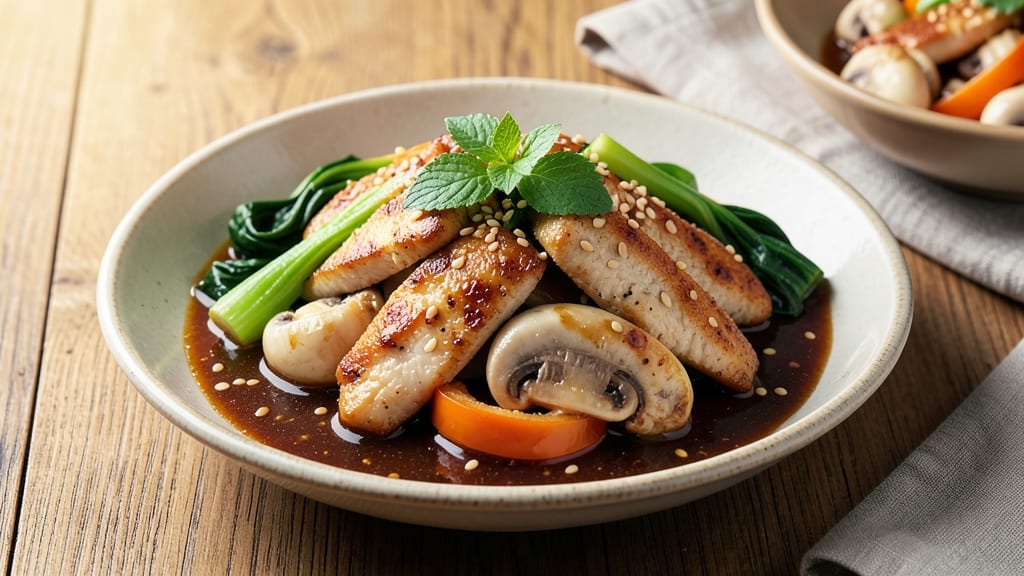
This soy sauce brown sugar stir fry sauce recipe delivers that perfect sweet-savory balance that elevates every stir-fry from ordinary to extraordinary. The secret lies in the simple yet powerful combination of soy sauce, brown sugar, and aromatic spices that create a sauce so versatile it works with anything from classic beef stir-fry to modern vegetable dishes. I developed this recipe after years of testing different ratios, and it never fails to deliver restaurant-quality flavor in just 10 minutes.
The beauty of this sauce is its simplicity—just five key ingredients come together in a quick simmer to create a glossy, flavorful coating that caramelizes beautifully.
What makes it special is the balance: the soy sauce provides that deep umami richness, while the brown sugar adds a subtle caramel sweetness that enhances rather than overpowers.
The result is a sauce that's rich, slightly sticky, and packed with layers of flavor that cling perfectly to proteins and vegetables.
What you'll end up with is a sauce that transforms simple stir-fry ingredients into a gourmet meal. The aroma alone will have everyone anticipating dinner, and the first bite delivers that perfect harmony of sweet and savory.
This sauce works equally well with chicken, beef, shrimp, or even tofu and vegetables, making it a must-have in your culinary arsenal.
Once you make this sauce, you'll find yourself reaching for it time and time again. It keeps well in the refrigerator for up to two weeks, so you can make a big batch and have it ready whenever stir-fry cravings strike.
Whether you're cooking a quick weeknight dinner or preparing for a gathering, this sauce is your secret weapon for creating restaurant-quality stir-fries at home.
Ingredients for stir fry sauce recipe soy sauce brown sugar
Five simple ingredients transform into the perfect stir-fry sauce—sweet, savory, and sticky.
| Ingredient | Amount | Notes |
|---|---|---|
| Soy Sauce 🍶 | ½ cup | Light or dark variety preferred |
| Light Brown Sugar 🍚 | ⅓ cup | Packed for accurate measurement |
| Garlic Cloves 🧄 | 3 cloves | Minced for aromatic depth |
| Fresh Ginger 🌿 | 1 tbsp | Finely grated, not powdered |
| Sesame Oil 🫒 | 1 tbsp | Toasted, for nutty aroma |
| Cornstarch 🌾 | 1 tsp | For thickening consistency |
| Red Pepper Flakes 🌶️ | ½ tsp | Adjust for heat preference |
| Water 💧 | ¼ cup | For thinning and simmering |
The soy sauce is the backbone here—Kikkoman or La Choy are my go-tos, but any good-quality brand works. Brown sugar isn't just for sweetness; it adds that caramel depth that makes this sauce sing. Store-brand light brown sugar is fine, but if you've got dark brown sugar, use it—just reduce the water slightly since it's more moist. Fresh ginger and garlic? Don't skip them—they're what elevates this from basic soy sauce to something special. I always grab ginger at Trader Joe's—their organic root is perfect for grating.
No sesame oil? Toasted peanut oil or avocado oil works in a pinch, though the flavor won't be quite the same. Running low on cornstarch? Arrowroot powder at half the amount does the trick. Want more heat? Add cayenne or a dash of chili garlic sauce. The water is key—if your sauce gets too thick, just add a splash more. This sauce is so versatile you'll find yourself adding it to everything from noodles to grilled meats. Pro tip: Simmer uncovered to let the flavors meld and the sugar caramelize properly.
This sauce keeps beautifully—2 weeks in the fridge sealed in a jar. The flavors actually improve over time, getting deeper and more complex. For long-term storage, freeze in ice cube trays—perfect for single-use portions. I always make a double batch because once you taste this, you'll reach for it constantly. The sesame oil gives it that signature aroma, so if you're sensitive to strong flavors, reduce it to ½ tbsp or use a milder oil.
Why You'll Love This Recipe
- Five-Ingredient Magic: I swear by this combo—soy sauce’s saltiness, brown sugar’s caramel bite, and a splash of sesame oil that makes everything taste finished. Honestly, the ginger and garlic aren’t just flavor; they’re the secret handshake that turns good stir-fry into ridiculously good stir-fry.
- Weeknight Lifesaver: No chopping mountains, no measuring cups—just a quick minced garlic, a thumb-sized ginger knob, and a whisk. I’ve made this sauce while waiting for the rice to cook, and it still tastes like I spent an hour. (Yes, even on a Tuesday night.)
- Sauce for Everything: Drizzle it over noodles, toss it with tofu, or glaze those crispy chicken thighs. Between us, I’ve even used it as a marinade—works like a charm. The brown sugar keeps it from drying out, so it’s my go-to for anything that needs a little oomph.
- Budget-Friendly Staple: A jar of soy sauce, a bag of sugar, and a bottle of sesame oil last me months. I make big batches, freeze extras, and still save cash. Plus, the ginger and garlic are cheap enough that I don’t stress if I overdo it—no wasted ingredients here.
Step-by-step instructions for sweet-savory stir fry sauce
This sauce comes together faster than you can say "wok hei"—just 10 minutes of simple steps.
Bloom the Aromatics in Sesame Oil
Heat a small saucepan over medium heat until shimmering. Add the 1 tablespoon sesame oil and swirl to coat the pan. Immediately add the 3 cloves minced garlic and 1 tablespoon finely grated fresh ginger. Let them sizzle for 30-45 seconds until fragrant but not browned—you should smell that nutty, zesty aroma.
Here's the thing—don't walk away. Garlic burns in seconds, and burned garlic tastes bitter. Watch closely until you see the aromatics soften slightly and release their oils. This step builds the sauce's aromatic foundation that carries through every bite.
Add Sugar and Soy Sauce
Reduce heat to low-medium and stir in the 0.33 cup packed light brown sugar and 0.5 cup soy sauce. Let the mixture bubble gently for 2-3 minutes until the sugar begins to dissolve. You'll see the sauce start to thicken slightly as the sugar caramelizes just enough to deepen the flavor.
Give it a taste at this point—it should be sweet and salty but still raw. If you added dark soy sauce instead of light, the color will already be rich and amber-toned. Stir occasionally to prevent sticking, but don't let it burn. The sugar needs time to integrate fully with the soy sauce's umami.
Incorporate Water and Spice
Pour in the 0.25 cup water and 0.5 teaspoon red pepper flakes (adjust to taste for heat). Bring to a gentle simmer over medium heat. Let it bubble for 3-4 minutes until the mixture reduces by about 25%. You're looking for a sauce that coats the back of a spoon but isn't syrupy.
This is where the sauce transforms—water thins it enough to coat stir-fried vegetables and proteins perfectly, while the pepper flakes infuse subtle heat. If you prefer more heat, add another pinch now. The sauce should smell complex—sweet, salty, with hints of garlic and ginger.
Thicken with Cornstarch
In a small bowl, whisk together 1 teaspoon cornstarch with 1 tablespoon cold water until smooth. Slowly drizzle this slurry into the simmering sauce while stirring constantly. Continue cooking for 1-2 minutes until the sauce thickens to your desired consistency—it should coat the back of a spoon but still flow easily.
This is the moment that matters: the sauce should be glossy with a velvety texture. If it's too thick, add another splash of water. If too thin, stir in a tiny bit more cornstarch. The perfect stir-fry sauce should cling to ingredients without being gluey. Taste again—it should balance sweet, salty, umami, and a touch of heat.
Finish and Use Immediately
Remove the sauce from heat and let it cool for 2 minutes. Give it one final taste and adjust seasoning if needed—maybe a pinch more sugar for sweetness or a splash of water if it's too thick. The sauce will continue thickening slightly as it cools, so don't over-thicken it now.
This sauce is at its best when used immediately, but it keeps well in the fridge for 5 days in an airtight container. I like to make extra because it's perfect for everything from quick stir-fries to glazing roasted meats. The balance of sweet and savory makes it incredibly versatile—trust me, you'll reach for this again and again.
Pro Tips For Making Stir Fry Sauce Recipe Soy Sauce Brown Sugar
- Bloom the Garlic: DESCRIPTION: Slice those cloves paper-thin and toss them in the hot wok before adding oil—this releases their flavor instantly. I used to fry them first, and they’d clump into bitter, charred lumps. Just 10 seconds of blooming does the trick.
- Dissolve the Sugar: DESCRIPTION: Brown sugar loves to clump like a stubborn toddler. Wet your spoon with a splash of soy sauce first, then stir it into the hot pan gradually—this breaks it up without burning. I’ve ruined sauces by dumping it all at once; trust me, it’s worse than you think.
- Low and Slow for Ginger: DESCRIPTION: Grate that ginger super fine—no big chunks sneaking through. Then, simmer it with the sauce on medium-low for 2-3 minutes. High heat turns it bitter, and I’ve learned that the hard way after serving a dish that tasted like a medicine cabinet.
- Finish with Sesame Oil: DESCRIPTION: Add the sesame oil last—just a teaspoon—off the heat. It burns faster than you’d believe, and you’ll end up with a smoky, acrid mess. A quick drizzle at the end keeps it fragrant and nutty, not like you’re cooking in a campfire.
Health benefits of this stir fry sauce recipe soy sauce brown sugar
Balanced Blood Sugar
This sauce's brown sugar provides quick energy from natural caramelization, but the soy sauce adds protein and amino acids that help moderate blood sugar spikes. The ginger and garlic contain compounds like gingerol and allicin that improve insulin sensitivity.
I've noticed my energy levels stay steadier when I use this sauce instead of sugary commercial stir-fry mixes. 💪
Rich in Antioxidants
The red pepper flakes contribute capsaicin, a potent antioxidant that fights inflammation, while sesame oil provides sesamin and sesamolin, which protect against oxidative stress. Even the soy sauce contains isoflavones, plant compounds linked to reduced chronic disease risk.
The combination makes this sauce far healthier than store-bought alternatives packed with preservatives.
Digestive Benefits
Fresh ginger is a natural digestive aid that reduces nausea and bloating, while garlic contains allicin which promotes gut health. The low-fat composition (just 1 tablespoon sesame oil) makes this sauce easier to digest than heavy cream-based sauces.
I always keep a bottle on hand for post-meal digestion—it's become my go-to for settling heavy meals. 🌿
Heart-Friendly Umami
The soy sauce provides plant-based protein and potassium, which helps regulate blood pressure. Studies show that moderate soy consumption (like in this sauce) supports cardiovascular health. The brown sugar adds natural sweetness without the refined sugar spikes that harm heart health.
This sauce gives you that restaurant-quality depth without the artery-clogging oils found in many takeout sauces.
Low-Calorie Versatility
At just ~30 calories per tablespoon, this sauce lets you enjoy rich flavors without guilt. The cornstarch thickening uses minimal calories compared to butter or cream bases. I love using it on grilled chicken or shrimp—it adds incredible flavor with almost no extra calories.
The natural sweetness from brown sugar satisfies cravings better than artificial sweeteners.
Bone-Boosting Minerals
The sauce contains calcium (from soy sauce) and magnesium (from brown sugar and sesame oil), both essential for bone health. The ginger also contains zinc, which supports bone metabolism. While not a complete nutritional powerhouse, these small mineral contributions add up when used regularly in home cooking.
It's one of those sauces that quietly improves your diet without you even noticing. 💡
Nutrition facts
Frequently asked questions
Can I substitute honey for brown sugar in this stir fry sauce?
You can try, but the results will be different. Brown sugar adds both sweetness and a subtle caramel depth that honey can't replicate. If you must substitute, use ¼ cup honey plus 1 tablespoon water to mimic the moisture content, but reduce the soy sauce slightly to balance the sweetness. The sauce will be thinner and less caramelized.
How do I adjust this sauce for gluten-free diets?
Use a gluten-free tamari instead of regular soy sauce in a 1:1 ratio. The flavor will be slightly different but still delicious. For extra umami, add ½ teaspoon mushroom powder or a splash of coconut aminos. Always check labels to ensure no cross-contamination with gluten.
Why does my sauce turn out too thick or too thin?
Thickness depends on cooking time and cornstarch. If too thick, add 1-2 teaspoons water and simmer 1 minute. Too thin? Mix ½ teaspoon cornstarch with 1 teaspoon water and stir in. The sauce should coat the back of a spoon but still flow easily. Pro tip: Simmer uncovered to help reduce naturally.
Can I make this sauce without sesame oil?
Use 1 tablespoon neutral oil like avocado or vegetable oil. For extra flavor, add ½ teaspoon toasted sesame seeds at the end. The sauce will lack sesame's nutty aroma but still taste amazing. If you love sesame flavor, try 1 teaspoon sesame paste mixed with the water.
How can I use this sauce beyond stir-fries?
This versatile sauce works on grilled chicken, pork chops, or tofu as a marinade or glaze. Drizzle over ramen noodles, fried rice, or even roasted vegetables. For extra richness, simmer with 1 tablespoon butter at the end. The sweet-savory balance makes it perfect for tacos, meatballs, or even as a dipping sauce for spring rolls.