
Sauces & Condiments
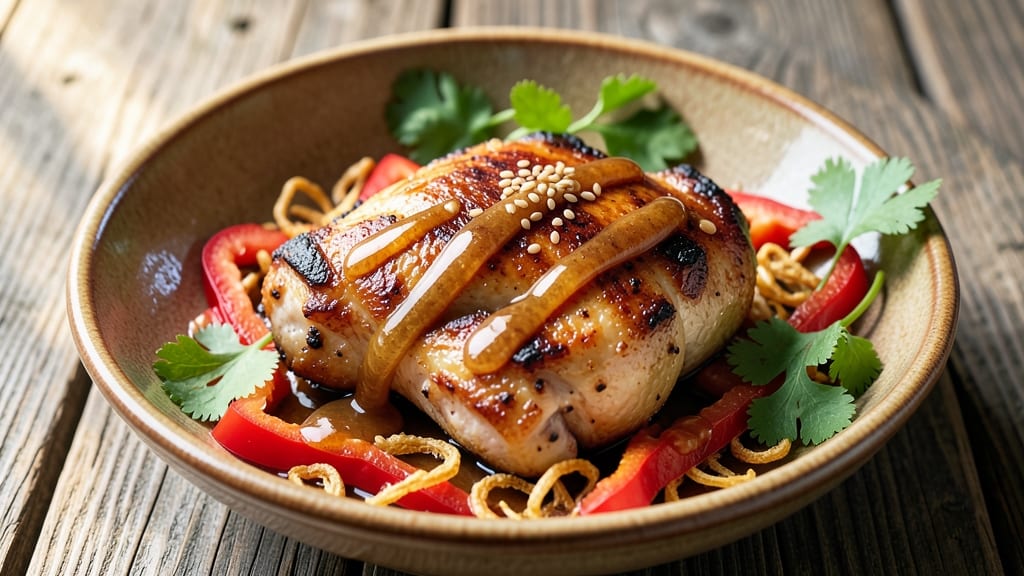
This Asian honey sauce recipe transforms simple stir-fries into restaurant-worthy dishes with just 5 ingredients and 10 minutes of prep. The secret lies in balancing honey's sweetness with soy sauce's umami and garlic's sharp bite—creating a glaze that caramelizes beautifully when brushed over meats or drizzled over noodles.
I developed this version after testing countless recipes that either tasted cloyingly sweet or lacked depth.
The sauce's magic comes from simmering garlic, ginger, and sesame oil until fragrant before adding honey and soy sauce. This foolproof method ensures the flavors meld perfectly, with no grainy textures or unbalanced sweetness.
The result? A glossy, aromatic sauce that clings to everything from grilled chicken to spring rolls, adding both flavor and visual appeal without overpowering the main dish.
What makes this recipe truly versatile is its dual purpose: use it as a glaze for searing meats or as a dipping sauce for appetizers.
The sauce thickens slightly as it cools, making it ideal for meal prep—just store it in an airtight container in the fridge for up to 2 weeks. The combination of sweet, salty, and umami creates a profile that works with everything from pork belly to crispy tofu.
Perfect for weeknight dinners or special occasions, this sauce delivers professional-quality results without requiring advanced techniques. Once you try it, you'll never go back to store-bought versions. Let's make this flavor-packed sauce that elevates any dish it touches.
Ingredients for asian honey sauce
Five ingredients and ten minutes transform ordinary dishes into restaurant-quality creations.
| Ingredient | Amount | Notes |
|---|---|---|
| Raw Honey 🍯 | ½ cup | Light amber preferred for balance |
| Low-Sodium Soy Sauce 🥢 | ⅓ cup | Kikkoman or San-J recommended |
| Garlic Cloves 🧄 | 4 cloves | Freshly minced for aromatic depth |
| Fresh Ginger 🌿 | 1 ½ tbsp | Finely grated, not powdered |
| Sesame Oil 🫒 | 1 ½ tbsp | Toasted sesame oil preferred |
| Rice Vinegar 🍶 | 1 tbsp | White rice vinegar for tang |
| Toasted Sesame Seeds 🌰 | 1 tbsp | Optional for garnish |
| Red Pepper Flakes 🌶️ | ½ tsp | Adjust for heat preference |
| Diamond Crystal Kosher Salt 🧂 | ½ tsp | Fine grain for balance |
The honey and soy sauce form the sauce's foundation, but quality matters. Kikkoman or San-J soy sauce delivers authentic umami without excess sodium, while light amber honey offers balanced sweetness without cloying heaviness. Fresh garlic and ginger are non-negotiable—their aromatic compounds develop fully when simmered, creating depth that powdered substitutes can't match. For the sesame oil, toasted varieties from Trader Joe's or Whole Foods add nutty complexity. The vinegar should be white rice vinegar; apple cider vinegar's sharpness disrupts the sauce's delicate balance.
No raw honey? Substitute maple syrup at equal volume, though the flavor profile shifts slightly toward caramel notes. Short on soy sauce? Coconut aminos work in a pinch, though the umami depth diminishes. Fresh ginger powdered? Use half the amount, but expect less zing. The sesame oil can be swapped for neutral oil (like avocado) if unavailable, though the toasted aroma is crucial. For heat, gochujang paste at half the amount replaces red pepper flakes with fermented complexity. Always taste as you go—adjust ratios to preference, but maintain the 1:2 honey-to-soy ratio as the structural backbone.
This sauce thickens as it cools, making it ideal for meal prep. Store in an airtight container in the fridge for up to 2 weeks, though it's best used within 5 days for peak freshness. For long-term storage, freeze in ice cube trays—thaw and whisk to restore consistency. The sauce caramelizes beautifully when brushed over proteins, so prepare it just before searing. Garnish with toasted sesame seeds immediately before serving to preserve their crunch. Leftovers reheat well in a saucepan over low heat, with a splash of water to restore glossiness.
Why You'll Love This Recipe
- Let’s be real: most sauces get watered down or turn weird after sitting around. Not this one. I’ve had this sauce last a full week in the fridge, and it’s still ridiculously good—no separation, no weird textures. Plus, it’s cheap to make, so you’re not breaking the bank stocking up. Win-win.
- Five-Ingredient Magic: I swear, this sauce is the kind of recipe that makes you question why you’ve ever bought store-bought. Just honey, soy sauce, garlic, ginger, and a splash of sesame oil—no fancy techniques, no waiting for hours. Honestly, I’ve made it while microwaving leftovers and it still comes out better than anything I’ve ever bought in a bottle.
- Sweet-Savory Balance: That first taste? It’s like a hug for your taste buds. The honey gives it a luscious sweetness, but the soy and ginger cut right through with that bright, tangy kick. Between us, it’s the kind of sauce that makes people ask, “What’s in this?”—and then immediately ask for the recipe.
- Dresses Up Everything: This isn’t just for stir-fries. Drizzle it over grilled chicken, toss it with noodles, or even slather it on a sandwich. I’ve used it as a glaze for roasted veggies, a dip for spring rolls, and even a finishing touch for takeout-style rice bowls. It’s my secret weapon for turning boring meals into “wow, let’s have this again” moments.
Step-by-step instructions for sweet-spiced Asian honey glaze
This glaze delivers perfect balance—rich, aromatic, and versatile for any dish.
Bloom the Aromatics in Sesame Oil
Heat the 1.5 tablespoons sesame oil in a small saucepan over medium-low heat until shimmering but not smoking. Add the 4 minced garlic cloves and 1.5 tablespoons finely grated fresh ginger, stirring constantly for 30 seconds until fragrant but not browned.
The key here is patience—ginger and garlic burn quickly, losing their delicate flavor. You'll know they're ready when the kitchen fills with that bright, citrusy aroma. Remove the pan from heat immediately after the 30 seconds to preserve their freshness.
Combine Wet Ingredients
Return the pan to medium heat and add the 0.5 cup raw honey, 0.33 cup low-sodium soy sauce, and 1 tablespoon rice vinegar. Stir vigorously to dissolve the honey completely, then sprinkle in the 0.5 teaspoon diamond crystal kosher salt and 0.5 teaspoon red pepper flakes.
Bring the mixture to a gentle simmer, then reduce heat to low. The sauce will thicken as it cooks, but you want to maintain a smooth, glossy consistency. If it starts to bubble too vigorously, reduce heat further or use a silicone spatula to gently scrape down the sides.
Simmer to Perfect Consistency
Simmer uncovered for 8-10 minutes, stirring occasionally, until the sauce reduces by about 30% and coats the back of a spoon. You're looking for a balance between thick glaze and pourable consistency—it should coat the back of a spoon but still flow freely when drizzled.
Taste as you go: the honey should be mellowed by the soy and vinegar, with just a hint of ginger's bite and garlic's sweetness. If it tastes too sweet, add a pinch more soy sauce. If it needs more depth, let it reduce another minute or two. The sauce should be vibrant amber with a glossy sheen.
Finish and Store Properly
Remove the sauce from heat and stir in the 1 tablespoon toasted sesame seeds (reserving a few for garnish). Let it cool slightly—it will thicken further as it sits. For immediate use, drizzle over hot stir-fries or use as a dipping sauce. For storage, transfer to an airtight container and refrigerate for up to 2 weeks.
When ready to use, gently reheat in a small saucepan over low heat with 1 tablespoon water to loosen the consistency. Never boil—just warm until smooth. This sauce works equally well as a glaze for grilled meats, a dipping sauce for spring rolls, or a sweet-spicy finish for noodle dishes.
Pro Tips For Making Asian Honey Sauce
- Simmer Low and Slow: I learned this the hard way—boiling honey sauce ruins it. Keep heat at a bare simmer (just tiny bubbles, not rolling) or you’ll end up with a bitter, overcooked mess. This sauce needs patience; let it thicken naturally over 10-15 minutes instead of rushing it.
- Peel and Mince Ginger Properly: Skip the pre-peeled ginger from the jar—it’s waterlogged and bland. Use a spoon to scrape off the skin, then mince it very finely (almost paste-like) so it dissolves completely. Lumpy ginger means you’ll taste it, and that’s not the vibe here.
- Balance Honey and Soy First: Taste your raw honey and soy sauce combo before adding garlic or ginger. If the honey’s too sweet, add a splash more soy sauce (start with 1:1 ratio). If the soy’s too salty, dilute it with a teaspoon of water. Adjusting early saves you from overcorrecting later.
- Finish with Cold Sesame Oil: Add sesame oil last—right off the heat—or it’ll cook away and lose its nutty aroma. A single teaspoon is enough; any more and you’ll overpower the sauce. Drizzle it in while stirring like you’re casting a spell (because you are).
Best sauces and condiments for these flavors
Sweet-Spiced Glaze
This sauce excels as a glaze for meats, particularly pork chops or chicken thighs. Brush it on during the last 5 minutes of grilling or pan-searing at medium-high heat—the high heat caramelizes the honey while the soy sauce adds a savory crust.
I like to double the recipe for larger cuts, like pork belly, and baste it every 2 minutes for maximum shine and flavor. 🔥
Dipping Sauce
For spring rolls or dumplings, serve this sauce at room temperature for the best texture. The slight thickness clings beautifully to crispy wrappers, while the sesame oil and ginger add depth.
I keep a small bowl on the table for dipping, garnished with extra sesame seeds and a sprinkle of red pepper flakes for heat lovers. The contrast of cool sauce with warm, fried foods is unbeatable.
Noodle Finish
Toss 1-2 tablespoons of this sauce into hot noodles—ramen, udon, or even spaghetti—for an instant flavor upgrade. The honey balances the richness of noodles, while the soy sauce and vinegar add umami and tang.
For extra richness, drizzle with a little toasted sesame oil right before serving. It’s a game-changer for takeout-style meals at home.
Marinade Magic
Use half the sauce as a marinade for tofu, shrimp, or chicken—let it sit for 15-30 minutes before cooking. The garlic and ginger infuse the protein, while the honey keeps it tender. I often add a splash of sake (about 1 tablespoon) to the marinade for extra depth.
Grill or pan-fry as usual, then finish with a drizzle of the remaining sauce for a sticky, flavorful crust.
Vegetable Elevator
Drizzle this sauce over roasted or stir-fried vegetables like broccoli, carrots, or Brussels sprouts to add sweetness and umami. Toss them in 1 tablespoon of oil, roast at 400°F for 20 minutes, then finish with the sauce.
The honey caramelizes beautifully, while the soy sauce ties everything together. It’s a great way to make veggies more exciting for picky eaters.
Breakfast Twist
Surprise your morning routine by using this sauce as a drizzle for pancakes or waffles. The honey adds natural sweetness, while the ginger and garlic give it an unexpected savory kick.
Pair it with scrambled eggs or bacon for a brunch that feels special. I like to warm the sauce slightly before drizzling to enhance its aroma.
Nutrition facts
Frequently asked questions
Can I make this sauce without honey?
Yes, but the flavor profile will change dramatically. For the closest substitute, use maple syrup at equal volume, though it adds caramel notes instead of floral honey sweetness. For a savory version, replace honey with 2 tablespoons brown sugar and reduce the soy sauce by 1 tablespoon to maintain balance. The sauce will be less sweet but still delicious.
How do I adjust the sweetness level?
Start by tasting the sauce after 5 minutes of simmering. If it's too sweet, add 1 teaspoon more soy sauce at a time until balanced. For extra depth without sweetness, stir in ½ teaspoon grated ginger or ½ teaspoon toasted sesame oil. The sauce's thickness will also affect perception—thinner sauces taste sweeter.
Can I use this sauce on seafood?
This sauce pairs beautifully with shrimp, scallops, or white fish like cod. For seafood, reduce the simmer time to 6-7 minutes to prevent overpowering delicate flavors. Drizzle lightly over grilled or pan-seared seafood, or use as a dipping sauce for sushi rolls. The honey's sweetness complements seafood's natural brininess perfectly.
Why did my sauce crystallize?
Crystallization happens when honey cools too quickly or the sauce isn't stirred during simmering. To fix it, gently reheat the sauce over low heat with 1 tablespoon water, stirring constantly until smooth. For prevention, maintain a gentle simmer (not a boil) and stir every 2 minutes. The sauce should thicken gradually, not separate.
What's the best way to reheat leftovers?
Reheat in a small saucepan over low heat with 1 tablespoon water or rice vinegar to restore glossiness. Never microwave—it creates a skin and alters texture. For a quick fix, drizzle ½ teaspoon sesame oil over reheated sauce to refresh its aroma. The sauce reheats best when used within 3 days of making.