
Sauces & Condiments
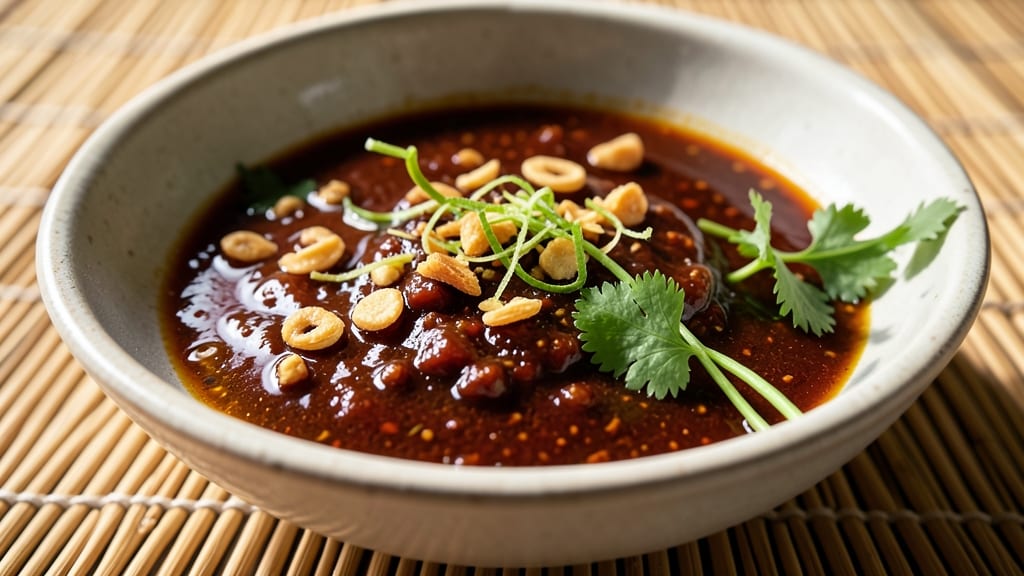
This Asian tiger sauce recipe delivers the perfect balance of sweet, tangy, and umami heat that elevates stir-fries, dipping sauces, and marinades. 🔥 The secret lies in a precise blend of fish sauce, lime juice, garlic, and chili, simmered until the flavors meld into a glossy, addictive glaze.
I've perfected this version over years of testing—it's the kind of sauce that transforms simple dishes into restaurant-quality meals.
The beauty of this sauce is its versatility—it works as a bold dipping sauce for spring rolls, a marinade for grilled meats, or a finishing glaze for stir-fried vegetables.
The key is balancing the sweetness of sugar with the deep umami of fish sauce and the bright acidity of lime, all while keeping the heat from overpowering. Unlike store-bought versions, this homemade recipe develops richer, more complex flavors that keep improving over time.
What you'll end up with is a vibrant, slightly sticky sauce with a perfect harmony of sweet, sour, and spicy notes. The aroma alone will have everyone reaching for seconds, and the flavor lingers in every bite.
This sauce is also incredibly shelf-stable, making it perfect for meal prep or gifting to fellow food lovers.
For those avoiding fish sauce, a simple swap with soy sauce or mushroom sauce keeps the umami depth without compromising the bold character. Let's make this sauce that will become your new kitchen staple!
Ingredients for asian tiger sauce
Nine ingredients transform into a restaurant-quality sauce that'll make your stir-fries unforgettable.
| Ingredient | Amount | Notes |
|---|---|---|
| Red Curry Paste 🌶️ | 2 tbsp | High-quality for authentic flavor |
| Fish Sauce 🐟 | ½ cup | Red Boat preferred for richness |
| Lime Juice 🍋 | ¼ cup | Freshly squeezed for brightness |
| Brown Sugar 🍚 | ¼ cup | Light or dark variety works |
| Garlic Cloves 🧄 | 6 cloves | Minced for deep flavor infusion |
| Fresh Ginger 🌿 | 2 tbsp | Grated, aromatic punch |
| Chili Flakes 🔥 | 1 tbsp | Adjust for preferred heat level |
| Soy Sauce 🍶 | 2 tbsp | For umami depth |
| Water 💧 | ½ cup | For thinning consistency |
| Sesame Oil 🌰 | 1 tbsp | Toasted for nutty aroma |
Fish sauce is the umami powerhouse here—Red Boat is my go-to, but any reputable brand works. Grab it at Asian markets or the international aisle at Whole Foods. The curry paste? Maesri or Thai Kitchen brands deliver consistent quality. Fresh ginger and garlic are non-negotiable—dried won't cut it. If you're short on time, pre-minced garlic works, but freshly minced has way more punch. The lime juice needs to be freshly squeezed; bottled just doesn't compare—trust me on this.
No fish sauce? Soy sauce plus a splash of mushroom sauce gets you close. Running low on curry paste? Mix 1 tbsp each of chili powder and curry powder as a pinch-hitter. The brown sugar can be swapped for honey or agave, though it'll taste slightly different. For extra heat, add 1 tsp of sriracha at the end. Want it smoother? Blend the sauce briefly after simmering. The sesame oil should be toasted—look for dark, nutty varieties at Trader Joe's or Costco.
This sauce gets better with time—3-5 days in the fridge is ideal, letting flavors develop. For longer storage, freeze in ice cube trays—perfect portions for future meals. The sauce thickens as it cools, so add a splash of water if it gets too stiff. Keep it in a glass jar to preserve freshness. I always make double batches—one for immediate use, one to stash in the freezer for lazy weeknights.
Why You'll Love This Recipe
- Five-Ingredient Magic: I swear, this sauce comes together with just a pan, a spoon, and five things I always have on hand. No fancy techniques—just toast the garlic until it smells like a street vendor’s stall, then stir in the red curry paste and fish sauce. Boom. Done.
- Umami Bomb: That first hit of fish sauce and brown sugar? It’s like a flavor explosion in your mouth. The lime juice cuts through the richness, and the garlic adds this deep, toasty punch—honestly, it’s the kind of sauce that makes you reach for seconds without even thinking.
- Works Everywhere: Slather it on grilled chicken, toss it with noodles, or drizzle it over rice—this stuff elevates anything. I’ve used it for weeknight dinners, potlucks, and even as a quick marinade. It’s my go-to for when I need flavor in a hurry.
- Budget Night Hero: A jar of red curry paste and a bottle of fish sauce last me months, and this sauce costs pennies per serving. Plus, leftovers? They taste just as good reheated the next day—perfect for when I’m too tired to cook but still want something that feels special.
Step-by-step instructions for Asian tiger sauce
Here's how to create this bold, balanced sauce that's perfect for dipping or stir-fry glaze.
🍳 Step 1: Bloom the Red Curry Paste
Heat a small saucepan over medium heat and add the 2 tablespoons red curry paste. Stir constantly for 1-2 minutes until it becomes fragrant and starts to sizzle—you'll smell those deep, toasty curry notes developing. This initial blooming step unlocks the paste's full flavor potential.
Watch carefully as the paste transforms from raw to aromatic. It should turn a deeper golden color and smell like a mix of garlic, lemongrass, and chili. If it starts to darken too quickly, reduce the heat slightly. This is where the magic begins—don't rush this step or the sauce will taste flat.
🍳 Step 2: Add Aromatics and Brown the Sugar
Add the 6 minced garlic cloves, 2 tablespoons grated fresh ginger, and 1 tablespoon chili flakes to the saucepan. Stir for 30 seconds until the garlic turns golden and fragrant. Then add the 0.25 cup brown sugar and cook for another 1-2 minutes until it begins to caramelize slightly—this adds depth and balances the heat.
I like to press the ginger and garlic into the paste with a wooden spoon to really infuse their flavors. You'll see the sugar start to melt and create a glossy sheen. This is your signal that the aromatics are properly integrated and the sauce is building complexity. The mixture should smell like a perfect balance of sweet, spicy, and umami.
🍳 Step 3: Build the Base with Fish Sauce and Water
Pour in the 0.5 cup fish sauce and 0.5 cup water, stirring constantly. Bring the mixture to a gentle simmer over medium-low heat and let it cook for 5-7 minutes until it thickens slightly and reduces by about 25%. You're looking for a consistency that coats the back of a spoon but isn't syrupy.
This reduction step is crucial—it concentrates the flavors and creates that signature sticky texture. You'll notice the sauce darken slightly as it reduces, which means the flavors are melding together beautifully. If it reduces too quickly, lower the heat to maintain gentle simmering. Don't walk away during this step—constant stirring prevents burning.
🍳 Step 4: Finish with Lime and Soy Sauce
Remove the saucepan from heat and stir in the 0.25 cup lime juice and 2 tablespoons soy sauce. The lime juice will brighten the flavors instantly, cutting through the richness. Then add the 1 tablespoon toasted sesame oil for that nutty aroma that makes this sauce truly special.
Give it one final taste and adjust the balance—need more sweetness? Add a pinch more brown sugar. Too tangy? A splash more fish sauce helps. The sauce should be bold but balanced, with layers of umami, sweetness, spice, and acidity. Let it cool to room temperature before using—this allows all the flavors to fully meld together.
Pro Tips For Making Asian Tiger Sauce
- Bloom the Garlic First: Toss the minced garlic cloves into the hot oil before adding the red curry paste—this prevents them from burning into bitter sludge while the paste blooms. I learned this the hard way after scraping charred garlic off my pot twice.
- Balance the Fish Sauce: Taste the fish sauce before adding it to the simmering sauce—start with half the recipe’s amount, then adjust. Brown sugar and lime juice will mute its saltiness, so don’t guess. (Yes, even if you’re impatient like me.)
- Simmer Low and Slow: Once the sauce thickens, drop the heat to a bare simmer and let it cook for 10–15 minutes uncovered. This lets the flavors meld without burning the edges—skipping this step leaves it tasting raw and one-dimensional.
- Use Fresh Lime, Not Bottled: Bottled lime juice has preservatives that dull the sauce’s brightness. Roll the lime on the counter first to soften it, then juice it—fresh acidity cuts through the richness and keeps the sauce vibrant. (Your future self will notice the difference.)
Serving suggestions for asian tiger sauce
Dipping Sauce Perfection
This tiger sauce shines as a dipping sauce for spring rolls, egg rolls, or fried dumplings.
Serve it warm in a small bowl with a wooden spoon for easy scooping—trust me, the aroma alone will have everyone reaching for seconds. 🥢 The perfect balance of sweet, tangy, and spicy flavors cuts through crispy textures beautifully.
For extra flair, garnish with toasted sesame seeds or thinly sliced scallions right before serving.
Pro tip: Let the sauce sit at room temperature for 10-15 minutes before dipping—this allows the flavors to fully meld and creates that irresistible glossy finish. I like to serve it alongside cucumber slices or radish sticks for a refreshing contrast that balances the heat.
Stir-Fry Glaze Magic
Use this sauce as a finishing glaze for stir-fried vegetables or proteins like chicken, shrimp, or tofu. Toss your cooked ingredients with 1-2 tablespoons of sauce and sear for 1-2 minutes over high heat to caramelize the edges.
The sauce's sticky texture clings perfectly to everything, creating a mouthwatering crust. 🍳 Try it with broccoli, bell peppers, and snap peas for a vibrant, flavor-packed side dish.
For extra depth, deglaze your wok or skillet with 2 tablespoons of water after stir-frying, then add the sauce to create a rich, flavorful pan sauce. This technique captures all those delicious fond flavors that stick to your cookware—don't skip it!
Marinade for Grilled Meats
This sauce doubles as an incredible marinade for grilled meats like chicken thighs, pork chops, or shrimp. Coat your protein generously and marinate for at least 30 minutes (or up to 4 hours for deeper flavor).
The sweet and savory notes caramelize beautifully on the grill, creating a sticky, flavorful crust. 🔥 I love using this marinade for skewers—just thread the meat onto skewers and grill over medium-high heat for 8-10 minutes per side.
For best results, let the marinated meat sit at room temperature for 10 minutes before grilling. This ensures even cooking and maximum flavor infusion. The sauce's acidity (from lime juice) helps tenderize the meat while the umami (from fish sauce) adds depth that grilling can't match.
Sauce Pairing Ideas
Pair this tiger sauce with steamed jasmine rice or noodle dishes like pad thai or pho for a quick, satisfying meal. The sauce's bold flavors complement the mildness of rice perfectly, creating a harmonious balance. For a complete meal, serve it with quick-pickled vegetables to cut through the richness. 🥢
Looking for a quick lunch? Toss the sauce with cold noodles (like ramen or soba) and top with soft-boiled eggs, cucumber slices, and crushed peanuts. The contrast of warm sauce on cool noodles is pure comfort food magic.
This combo is especially great for hot days when you don't want to turn on the stove.
Garnish Like a Pro
Elevate your presentation with simple garnishes that highlight the sauce's flavors. A sprinkle of toasted sesame seeds adds crunch and nutty depth, while thinly sliced scallions bring freshness. For extra visual appeal, add a lime wedge on the side—it's both decorative and functional for adjusting acidity at the table. 💫
For a restaurant-worthy touch, drizzle the sauce over dishes just before serving. The glossy sheen makes everything look (and taste) more professional. I also love adding a few crushed red pepper flakes on top for guests who crave extra heat—it's a small detail that makes a big difference in presentation.
Nutrition facts
Frequently asked questions
Can I make this sauce without fish sauce?
Yes! For a vegetarian version, swap the 0.5 cup fish sauce with 0.5 cup soy sauce plus 1 tablespoon mushroom sauce to maintain umami depth. The sauce will still have that signature bold flavor, though the taste will be slightly different. For extra richness, add 1 teaspoon of miso paste when simmering.
How long will this sauce keep in the fridge?
This sauce stays fresh for up to 2 weeks when stored in an airtight glass jar in the refrigerator. The flavors actually improve over time, developing deeper complexity. For longer storage, freeze in ice cube trays—thaw as needed for individual portions. The sauce may thicken slightly when refrigerated, so add a splash of water when reheating.
What's the best way to adjust the heat level?
Start with the 1 tablespoon chili flakes as written, then adjust to taste. For milder heat, reduce to 0.5 tablespoons or strain out the flakes after simmering. Want extra spice? Add 1 teaspoon of sriracha or chili garlic sauce at the end. Remember, chili flakes lose heat when cooked—always taste before serving!
Can I use this sauce on non-Asian dishes?
This versatile sauce works beautifully on burgers, grilled steaks, or even pizza as a bold glaze. The sweet-spicy balance complements smoky flavors perfectly. Try it as a marinade for pulled pork or as a dipping sauce for fries. The key is balancing the sauce's intensity with the dish's other flavors—start with 1 tablespoon and adjust as needed.
Why did my sauce turn out too thin?
This usually happens if you didn't reduce the sauce long enough or used too much water. For next time, simmer uncovered for 10-15 minutes until it thickens to a glossy consistency that coats the back of a spoon. If it's too thin now, simmer again for 5 minutes or stir in 1 teaspoon of cornstarch mixed with water to thicken. The perfect texture should be sticky but not syrupy.