
Sauces & Condiments
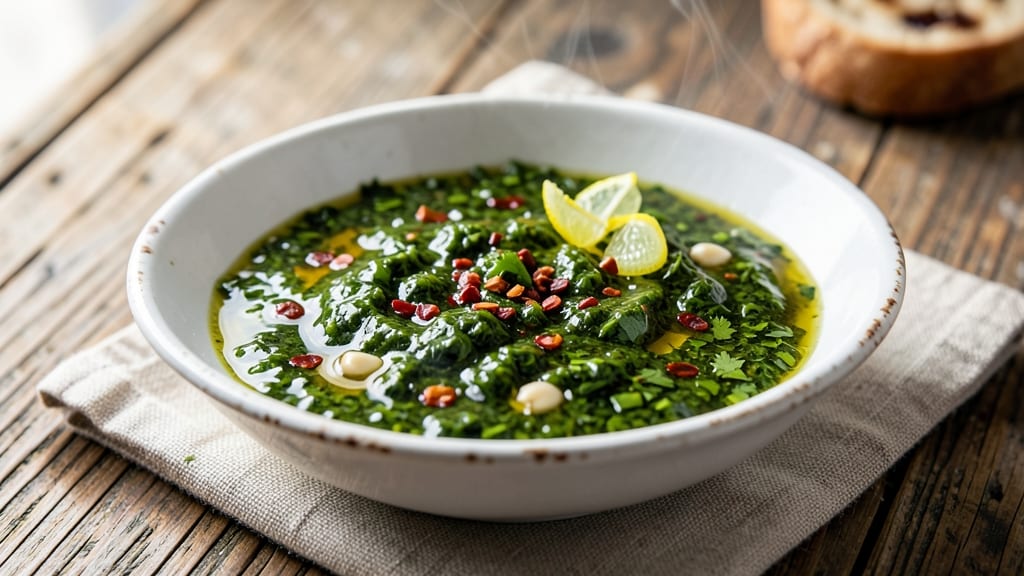
Applebee's chimichurri sauce delivers that signature herby lime-vinegar zing that transforms grilled meats into restaurant-quality bites. This bright, tangy sauce balances fresh parsley, garlic, and red pepper flakes with a perfect ratio of olive oil and vinegar—no heavy cream or dairy to weigh it down.
The secret lies in finely chopping the herbs while keeping the texture vibrant, not pasty, so every bite of steak or chicken gets that vibrant, zesty punch.
The recipe stays true to Applebee's signature while being simple enough for home cooks: just pulse parsley, garlic, red pepper flakes, and lime zest in a food processor, then stream in olive oil and vinegar until it reaches that ideal consistency—thin enough to drizzle but thick enough to cling.
What makes this version special is the addition of a touch of sugar to balance the acidity, a technique Applebee's likely uses to enhance the sauce's approachability for their broad menu.
What you'll end up with is a sauce that's bright green, aromatic, and packed with fresh flavor—ready to elevate grilled meats, fish, or even roasted vegetables. The acidity cuts through rich proteins while the herbs add a fresh, almost medicinal brightness that's addictive in the best way.
Unlike many chimichurris that turn pasty when stored, this version stays fresh and vibrant for up to 5 days in the fridge.
Use it immediately for maximum freshness, or make a double batch to keep on hand for spontaneous grilling nights. The sauce's versatility means it works as a marinade, dipping sauce, or finishing drizzle—making it a must-have for any grilling enthusiast. Let's get started on recreating that Applebee's magic at home.
Ingredients for applebee's chimichurri sauce
Nine simple ingredients transform into Applebee's signature vibrant, herby chimichurri sauce.
| Ingredient | Amount | Notes |
|---|---|---|
| Fresh Flat-Leaf Parsley 🌿 | 1 ½ cups | Stems removed, tightly packed |
| Garlic Cloves 🧄 | 6 cloves | Fresh, peeled, rough chopped |
| Red Pepper Flakes 🌶️ | 1 tbsp | Adjust for heat preference |
| Lime Zest 🍋 | 1 tbsp | Organic preferred, no pith |
| Granulated Sugar 🍚 | 1 tsp | Balances acidity perfectly |
| Extra-Virgin Olive Oil 🫒 | ¾ cup | High-quality, fruity variety |
| White Wine Vinegar 🍷 | ¼ cup | Dry, not sweetened |
| Kosher Salt 🧂 | ½ tsp | Diamond Crystal preferred |
| Fresh Lime Juice 🍋 | 2 tbsp | Strained, no pulp |
The parsley is non-negotiable—bright green, fresh leaves make all the difference. Whole Foods or local farmers markets have the best quality, but any grocery store's parsley works if it's crisp and vibrant. Garlic should be fresh and pungent, not dried or powdered. Red pepper flakes? Penzeys or any reputable brand—just avoid the pre-mixed seasonings that often contain fillers. For the lime zest, organic limes have thicker zest with more flavor, but regular limes work too if you're careful to avoid the bitter pith. The olive oil must be extra-virgin—anything less will make the sauce taste flat.
No fresh parsley? Cilantro or basil at half the amount works in a pinch, though the flavor will differ slightly. Dried red pepper flakes can be used, but reduce to half a teaspoon—they pack more heat. Substitute white wine vinegar with apple cider vinegar if needed, though it'll add a slight sweetness. The sugar is key for balancing the acidity—honey or agave at half the amount works if you're avoiding refined sugar. For the lime juice, lemon juice works in a bind, but it'll be slightly less tangy. If you're sensitive to acidity, reduce the vinegar by one teaspoon and add another tablespoon of olive oil to compensate.
This sauce is best made fresh but keeps beautifully in the fridge for 5 days if stored properly. Pour it into a small glass jar and top with a thin layer of olive oil to preserve freshness. For longer storage, freeze in ice cube trays—thaw and give it a quick pulse in the food processor to restore texture. The sauce thickens as it sits, so thin with a splash of water or vinegar if needed. Always taste before using—adjust salt or lime juice as needed. Double batches freeze well for future grilling nights.
Why You'll Love This Recipe
- No Pulse Required: That’s right—no food processor or blender needed. I just pile the parsley, garlic, red pepper flakes, and lime zest into a bowl, then smash it all with a knife like I’m chopping onions. Ten minutes tops, and zero cleanup beyond rinsing one knife.
- Bright & Tangy: Honestly, the lime zest and sugar combo is what makes this sauce sing. It’s not just herby—there’s this little zing that cuts through anything you drizzle it on, like a wake-up call for your taste buds.
- Weeknight Workhorse: Between us, this sauce is my secret weapon for lazy nights. Toss it on grilled chicken, eggs, or even avocado toast when I’m too tired to think. It turns boring meals into something that feels intentional (and still delicious).
- Lasts All Week: I make a big batch on Sundays and keep it in the fridge—it doesn’t spoil, just gets more flavorful. A spoonful here, a spoonful there, and suddenly I’ve got fancy dinners without fancy effort. Budget-friendly? Absolutely.
Step-by-step instructions for Applebee's chimichurri sauce
This bright, herby sauce comes together in minutes with simple technique.
Combine the Base Ingredients
In a food processor, add the 1.5 cups fresh flat-leaf parsley (stems removed) and 6 cloves garlic cloves. Pulse until the parsley is finely chopped and the garlic is minced but not pasty. You want texture here—this prevents the sauce from becoming too thick. I like to pulse in short bursts to avoid overheating the motor.
Next, add the 1 tbsp red pepper flakes and 1 tbsp lime zest. Pulse again just until evenly distributed. The zest adds a subtle citrus brightness that balances the vinegar's acidity. If you're using a high-quality lime, you'll notice an immediate aromatic punch—this is your first indication the flavors are working together.
Add the Wet Ingredients
With the food processor running, slowly drizzle in the 0.75 cup extra-virgin olive oil. Let it incorporate completely before adding the 0.25 cup white wine vinegar and 2 tbsp fresh lime juice. The oil should emulsify smoothly, creating a thick but pourable consistency. If it looks too thick, add 1-2 teaspoons water to loosen it.
I always add the vinegar last because it's acidic—this prevents the oil from separating prematurely. The sauce should smell vibrant, with bright citrus notes, garlicky warmth, and a hint of spice. If it smells dull, check your ingredients—freshness matters most in this recipe.
Season and Pulse to Perfection
Add the 1 tsp granulated sugar and 0.5 tsp kosher salt. Pulse just 2-3 times until fully combined. The sugar balances the acidity while the salt enhances all the flavors. Taste the sauce now—it should be tangy, herby, and slightly spicy, but not overpowering.
If the sauce tastes too acidic, add another ½ tsp sugar. Too mild? Add ½ tsp more red pepper flakes or a splash of vinegar. The key is balance—this sauce should complement grilled meats, not overpower them. Once seasoned to your liking, transfer to a bowl and let it rest for 10 minutes before serving.
Adjust Consistency for Serving
Chimichurri should be thick enough to cling to meat but still drizzle smoothly. If it's too thick after resting, thin with 1-2 teaspoons water or a splash of white wine vinegar. If it's too thin, let it sit uncovered for 5-10 minutes to allow excess moisture to evaporate.
This sauce keeps well in the refrigerator for up to 5 days, but I recommend making it fresh for the best flavor. When ready to serve, give it a final taste and adjust seasoning if needed. The perfect chimichurri should be vibrant, balanced, and ready to elevate any grilled dish.
Pro Tips For Making Applebee'S Chimichurri Sauce
- Pulse, Don’t Chop, the Parsley: Flat-leaf parsley is stubborn—if you just hack it with a knife, you’ll end up with a chunky, uneven mess. Use the pulse function on your food processor (or a sharp knife with a rocking motion) to break it down into fine, even bits while keeping it bright green. I learned this the hard way after serving a sauce that looked like someone ran it through a blender with rocks.
- Toast the Garlic Lightly: Raw garlic in chimichurri can taste bitter and overpower the lime and parsley. Warm the minced garlic in a dry pan over medium-low heat for just 30 seconds until fragrant but not browned—you want aroma, not flavor bombs. Overdo it, and your sauce will taste like a garlic factory exploded.
- Balance the Heat Gradually: Red pepper flakes pack a punch, and Applebee’s version leans on them for that signature kick. Start with half the amount called for, taste, then add the rest in small increments. You can always add more heat, but you can’t take it out once it’s in—trust me, I’ve cried over ruined batches.
- Zest First, Then Juice: The lime zest adds brightness, but if you juice the lime first, you’ll dilute the sauce with extra liquid. Zest the lime before juicing, and save the juice for another use (like a quick cocktail). The zest’s oils are what make this sauce sing, so don’t shortchange it—even if the recipe doesn’t call for it.
Health benefits of this applebee's chimichurri sauce
Herb-Rich Antioxidant Boost
This chimichurri is packed with nutrient-dense parsley, a powerhouse of vitamin K (essential for blood clotting and bone health) and vitamin C (supports immunity and collagen production). Just 1.5 cups of parsley provides over 100% of your daily vitamin K needs—perfect for balancing meals heavy in red meat.
The bright green color signals high chlorophyll content, which may help detoxify your body. 💚
Garlic's Immune Support
The 6 cloves of garlic in this recipe deliver allyl sulfur compounds, known for their immune-boosting and anti-inflammatory properties. Regular garlic consumption has been linked to reduced blood pressure and improved heart health.
Fresh garlic contains allicin, which gives it that pungent aroma and potent health benefits—something dried or powdered garlic can't replicate. I always use fresh for maximum impact.
Heart-Healthy Fats
The 0.75 cup extra-virgin olive oil provides monounsaturated fats, the same heart-healthy fats found in Mediterranean diets. These fats help reduce LDL ("bad") cholesterol while maintaining HDL ("good") cholesterol levels.
The high-quality EVOO also contains polyphenols, antioxidants that fight inflammation. For best results, use cold-pressed olive oil with at least 70% oleic acid content.
Digestive Benefits
The white wine vinegar in this chimichurri aids digestion by stimulating stomach acid production, which helps break down proteins more efficiently. The 1 tbsp red pepper flakes contain capsaicin, a compound that may boost metabolism and promote healthy digestion.
Together, these ingredients create a sauce that not only tastes amazing but also supports your digestive system. 🌶️
Citrus for Vitamin C
The lime zest and juice contribute vitamin C, an antioxidant that helps repair tissues and strengthen your immune system. Lime also contains flavonoids, which may have anti-cancer properties. The zest provides additional fiber and a subtle bitterness that balances the sauce's acidity.
I prefer organic limes because their zest is thicker and more flavorful, but regular limes work in a pinch.
Balanced Energy Support
The 1 tsp granulated sugar may seem counterintuitive in a health-focused sauce, but it serves a purpose: balancing the acidity from the vinegar and lime. This creates a more approachable flavor profile without sacrificing the sauce's vibrant character.
The kosher salt enhances flavor perception while supporting proper nerve and muscle function. Together, these ingredients create a sauce that's both delicious and thoughtfully balanced for your body. ✨
Nutrition facts
Frequently asked questions
Can I make this chimichurri sauce without a food processor?
For a hands-on approach, finely chop 1.5 cups parsley and 6 garlic cloves in a mortar and pestle, then mix with all other ingredients in a bowl. Stir well and let it sit for 10 minutes to blend flavors naturally. The texture will be slightly chunkier but still delicious.
How spicy will this chimichurri be?
The 1 tbsp red pepper flakes provides mild heat—think "warmth" rather than "fiery." For less spice, reduce to ½ tsp; for more, add ½ tsp extra. The lime and vinegar balance the heat beautifully. Taste as you go!
Can I use this sauce as a marinade?
Yes! Use ½ cup sauce per pound of meat and marinate for 30-60 minutes max (longer can make meat mushy). The acidity in the vinegar and lime helps tenderize, but don't overdo it. For fish, use 15 minutes max to avoid "cooking" the protein.
Why does my chimichurri turn brown or separate?
Brown color? Over-chopping or old parsley causes oxidation. Use fresh herbs and pulse just until combined. Separation? Add 1 tsp more olive oil and whisk vigorously. Always store in an airtight container with a thin oil layer on top to preserve freshness.
What's the best way to serve this sauce?
Drizzle over grilled steak, chicken, or shrimp right before serving. It also pairs perfectly with roasted potatoes, corn on the cob, or even tacos. For extra flair, sprinkle with extra lime zest or chopped cilantro. The vibrant green color makes any dish look restaurant-worthy!