
Sauces & Condiments
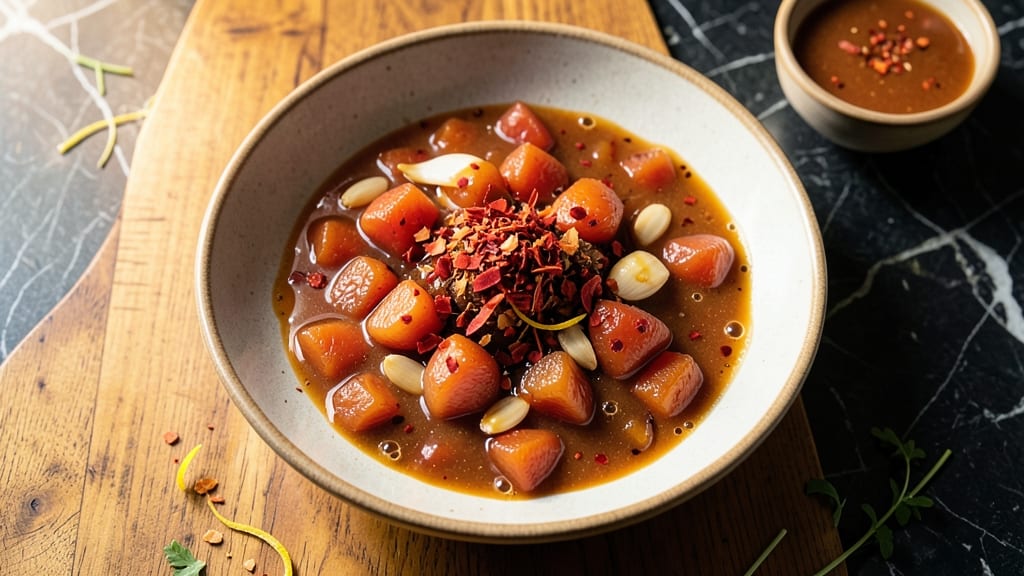
This apricot chili sauce recipe transforms grilled meats and dips into something extraordinary with its perfect sweet-spicy balance. The combination of tangy vinegar, caramelized apricots, and heat from chili peppers creates a sauce that's versatile enough for marinades, dipping, or drizzling.
I developed this recipe after years of perfecting the harmony between fruit and spice, ensuring every spoonful delivers depth and complexity.
The secret lies in simmering dried apricots with vinegar, garlic, and spices until they soften and release their natural sweetness. A touch of sugar enhances the caramelization, while red chili flakes or fresh peppers add controlled heat.
This sauce isn't just about flavor—it's about transforming simple dishes into restaurant-quality experiences with minimal effort. The result is a glossy, vibrant sauce that clings beautifully to grilled chicken, fish, or vegetables.
What makes this sauce truly special is its versatility. Use it as a marinade for tender, flavorful meats, a dipping sauce for fresh bread or spring rolls, or a finishing drizzle over roasted vegetables.
The balance of sweet and spicy ensures it works with both bold and delicate flavors. Once you try this, store-bought sauces will never compare again.
With just 10 minutes of active prep and 20 minutes of simmering, you'll have a batch that keeps well in the fridge for up to 2 weeks.
Double the recipe—this sauce disappears faster than you can say "dinner party." Let's get started on creating something that will elevate every dish it touches.
Ingredients for apricot chili sauce
Nine ingredients. Twenty minutes. A sauce that transforms grilled meats and dips into something extraordinary.
| Ingredient | Amount | Notes |
|---|---|---|
| Dried Apricots 🍑 | 1 cup | Chopped into small pieces |
| White Vinegar 🍶 | ½ cup | Distilled preferred for balance |
| Red Wine Vinegar 🍷 | ½ cup | For deeper tanginess |
| Granulated Sugar 🍚 | ¼ cup | Enhances caramelization |
| Garlic Cloves 🧄 | 4 cloves | Minced for aromatic depth |
| Red Chili Flakes 🌶️ | 1 tbsp | Adjust for heat preference |
| Ground Cumin 🌿 | 1 tsp | Toasted for richer flavor |
| Ground Coriander 🌿 | ½ tsp | Balances spice profile |
| Salt 🧂 | ½ tsp | Diamond Crystal preferred |
| Extra-Virgin Olive Oil 🫒 | 2 tbsp | For glossy finish |
The apricots are the heart of this sauce—dried, not canned, because they hold their texture and sweetness better. Trader Joe's has the best quality at a reasonable price, but any bulk bin dried apricots work. Look for vibrant color and no wrinkles. The vinegar duo (white and red wine) creates that perfect tangy backbone—don't skip the red wine vinegar, it adds complexity. Sugar might sound odd, but it's essential for caramelizing the apricots and balancing the heat. I always use organic cane sugar for cleaner flavor, but regular granulated works fine too.
No dried apricots? Substitute with 1 cup of pitted dates—soak them first if they're dry. Running low on red wine vinegar? Apple cider vinegar works in a pinch, but you'll lose some depth. Cumin and coriander can be swapped for 1 tsp of garam masala if you've got it. For extra heat, add 1 finely chopped fresh red chili instead of flakes. The olive oil is non-negotiable—it's what gives that silky finish. If you're using this as a marinade, reduce the oil to 1 tbsp to avoid making the meat too greasy.
This sauce keeps beautifully—2 weeks in the fridge in a sealed jar, or 6 months in the freezer for single-serving portions. I always make a double batch because it disappears fast. For reheating, just warm gently on the stove with a splash of water to loosen it up. The flavor actually improves after 24 hours as everything melds together. Store in glass to preserve the vibrant color—plastic can make it taste flat.
Why You'll Love This Recipe
- Here’s the best part: this sauce keeps for weeks in the fridge, and it only gets better as the flavors meld. I’ll make a big batch, then use it sparingly so it lasts. Plus, the ingredients are cheap—garlic, sugar, vinegar—so you’re basically getting gourmet flavor for pennies. Not the prettiest jar, but every drop is worth it.
- No Chopping Needed: I swear by this recipe because it only asks for one prep step: soaking those dried apricots. No peeling, no dicing, no mess—just tear them into chunks and let the vinegars do the work. Honestly, it’s the kind of recipe that makes me want to cook more often.
- Sweet Heat Balance: That first bite? It’s like a hug for your taste buds—tangy from the vinegars, deep from the garlic, and just enough sweetness from the sugar to keep it from being too sharp. The dried apricots add this unexpected jammy richness that makes it way more interesting than store-bought sauces.
- Game for Any Meal: Slather it on grilled chicken, drizzle it over roasted veggies, or toss it with pasta—this sauce doesn’t care. I’ve even used it as a glaze for pork chops when I’m feeling fancy. Between us, it’s the kind of pantry staple that makes weeknight dinners feel special without trying too hard.
Step-by-step instructions for apricot chili sauce
This sauce balances sweet, spicy, and tangy perfectly—here's how to make it shine.
Rehydrate the Dried Apricots
Place the 1 cup dried apricots in a medium saucepan and cover with 1 cup hot water (just boiled). Let them soak for 15 minutes until plump and tender. You'll see them swell dramatically—this is when they absorb the most flavor. Drain the apricots, reserving the liquid for later. Chop them into small pieces if they're not already uniformly sized.
Here's the thing—don't skip rehydrating. Dried apricots can be tough when cooked directly, and this step ensures they melt into the sauce smoothly. If you're short on time, you can microwave them for 3 minutes in a bowl with hot water, but stovetop gives better control over texture.
Build the Flavor Base
In the same saucepan, add the 2 tbsp extra-virgin olive oil over medium heat. Once shimmering, add the 4 cloves minced garlic and cook for 30 seconds until fragrant—you should smell that aromatic punch. Immediately add the 1 tbsp red chili flakes and stir for 10 seconds to toast them slightly. This prevents raw chili flavor and deepens the heat.
Next, add the 1 tsp ground cumin and 0.5 tsp ground coriander, stirring constantly for 20 seconds until the spices bloom and fill your kitchen with warmth. Don't walk away—spices burn faster than you think. The cumin brings earthy depth while the coriander rounds out the heat, creating that signature North African-inspired balance.
Combine Wet Ingredients
Pour in the 0.5 cup white vinegar and 0.5 cup red wine vinegar, scraping up any browned bits from the bottom of the pan. These vinegars work together—white for brightness, red for complexity. Add the 0.25 cup granulated sugar and stir until dissolved. The sugar will caramelize slightly as you cook, adding depth without overpowering.
Return the chopped apricots to the pan along with their reserved soaking liquid. Bring everything to a gentle simmer over medium-low heat. Let it cook uncovered for 10 minutes, stirring occasionally, until the liquid reduces by about half and the sauce thickens. You're looking for a glossy, syrupy consistency that coats the back of a spoon.
Season and Finish
Taste the sauce and adjust seasoning with the 0.5 tsp salt. You'll likely need more—vinegars can be sharp, and the apricots mellow the acidity. Add a pinch at a time, tasting between each addition. The sauce should be vibrant, with a bright tang, subtle heat, and sweet apricot notes that sing.
For a smoother texture, use an immersion blender to purée the sauce directly in the pan. If you prefer texture, let it cool slightly and then blend half the batch for contrast. The olive oil will give it a beautiful sheen, making it irresistible as a dip or glaze. Let it cool completely before storing—this helps the flavors meld even more.
Pro Tips For Making Apricot Chili Sauce
- SOAK THE APRICOTS FIRST: Dried apricots are stubborn—toss them in hot water for 10 minutes before chopping, not cold. They’ll soften faster, release more flavor, and chop cleaner. (Yes, even if you’re impatient like me, this step matters.)
- USE HALF THE VINEGAR: Start with just 1 tablespoon of vinegar (split between white and red wine), taste, then add more. Too much upfront and you’ll end up with a harsh tang that sugar can’t fix. Balance is everything here.
- CRUSH THE GARLIC: Minced garlic burns too fast. Smash the cloves with the flat side of your knife first, then chop finely—this keeps the flavor without the bitterness. (I learned this the hard way after one batch tasted like garlic soap.)
- SIMMER LOW AND SLOW: After the initial boil, drop the heat to a bare simmer and let it cook uncovered for 20 minutes. This thickens the sauce naturally without burning the sugar or making it gluey. (No, peeking every 2 minutes won’t help—just walk away.)
Health benefits of this recipe
Antioxidant-Rich Apricots
Dried apricots are packed with vitamin C and fiber, which support immune function and digestive health. A 1-cup serving provides about 16% of your daily vitamin A needs, crucial for vision and skin health.
The natural sweetness comes from concentrated fruit sugars without added preservatives, making this sauce a healthier alternative to store-bought versions loaded with high-fructose corn syrup. 💛
Spice Benefits
The cumin and coriander in this sauce offer anti-inflammatory properties that aid digestion and reduce bloating. Cumin contains iron and magnesium, while coriander adds a refreshing, slightly citrusy note that balances the heat.
Together, they create a flavor profile that's gentle yet complex—perfect for those with sensitive stomachs who still want bold flavors.
Vinegar's Gut Benefits
The combination of white and red wine vinegar provides probiotic benefits that support gut health. Vinegar helps regulate blood sugar levels, making this sauce a smart choice for post-meal dips or marinades.
The acidity also acts as a natural preservative, extending shelf life while enhancing flavor complexity. I've found that using organic vinegars adds an extra layer of depth without bitterness.
Heat with Purpose
Red chili flakes contribute capsaicin, a compound that boosts metabolism and may reduce appetite. Unlike processed spicy sauces, this version uses minimal heat—just enough to enhance flavor without overwhelming.
The controlled spiciness makes it versatile for both heat-sensitive palates and spice lovers who can adjust the chili level to their preference.
Blood Sugar Balance
The sugar in this sauce is balanced by the fiber from apricots and acidity from vinegar, creating a lower glycemic impact than sugary store-bought alternatives. The natural sweetness means you won't need to add extra sugar, keeping the sauce suitable for those monitoring blood sugar levels.
Pair it with protein-rich foods like grilled chicken or Greek yogurt to create a more balanced meal.
Versatile Nutrition
This sauce transforms simple dishes into nutrient-dense meals. Drizzle it over roasted vegetables for added flavor without calories, or use it as a marinade that infuses meats with vitamins. The olive oil adds heart-healthy fats that support brain function.
With just 10 minutes of prep, you're getting a sauce that's as good for you as it is delicious—proof that healthy eating can be exciting and flavorful. ✨
Nutrition facts
Frequently asked questions
Can I use fresh apricots instead of dried?
Fresh apricots won't work in this recipe—they contain too much water and won't develop the same concentrated sweetness or texture. Dried apricots are essential for that perfect caramelized depth. If you absolutely must use fresh, try reducing them to a pulp first, then cooking off the excess liquid, but expect a thinner sauce.
How do I adjust the spice level?
Start with the 1 tbsp red chili flakes—this gives a mild but noticeable heat. For more kick, add ½ tsp cayenne pepper or 1 finely chopped fresh red chili. If you prefer no heat, simply omit the chili flakes entirely—the sauce will still be delicious with just the apricot sweetness and vinegar tang.
Can I make this sauce without vinegar?
Vinegar is crucial for the sauce's tangy backbone and natural preservation. If you dislike vinegar, try substituting with lemon juice (same amount) or orange juice, but the flavor will be less complex. The sauce will also thin out more without vinegar's acidity, so you may need to reduce it longer to achieve the right consistency.
What's the best way to use this sauce?
This versatile sauce works as a marinade for grilled meats (especially chicken or lamb), a dip for spring rolls or fries, or a drizzle over roasted vegetables. For extra richness, warm it gently before serving. It's also fantastic mixed into yogurt for a sweet-spicy dip or swirled into hummus for a unique twist.
Why did my sauce turn out too thick?
If your sauce is too thick, it likely reduced too much. Next time, remove it from heat just when it starts to coat the back of a spoon. To fix thick sauce, stir in 1-2 tbsp warm water or apricot soaking liquid while reheating. For a smoother texture, blend briefly with an immersion blender—this also helps if you prefer no visible fruit pieces.